Buying a House with Foundation Problems in Dallas
In DFW's clay soil, foundation movement is common but rarely a dealbreaker. Here's how Dallas buyers inspect, price, and negotiate it during the option period.
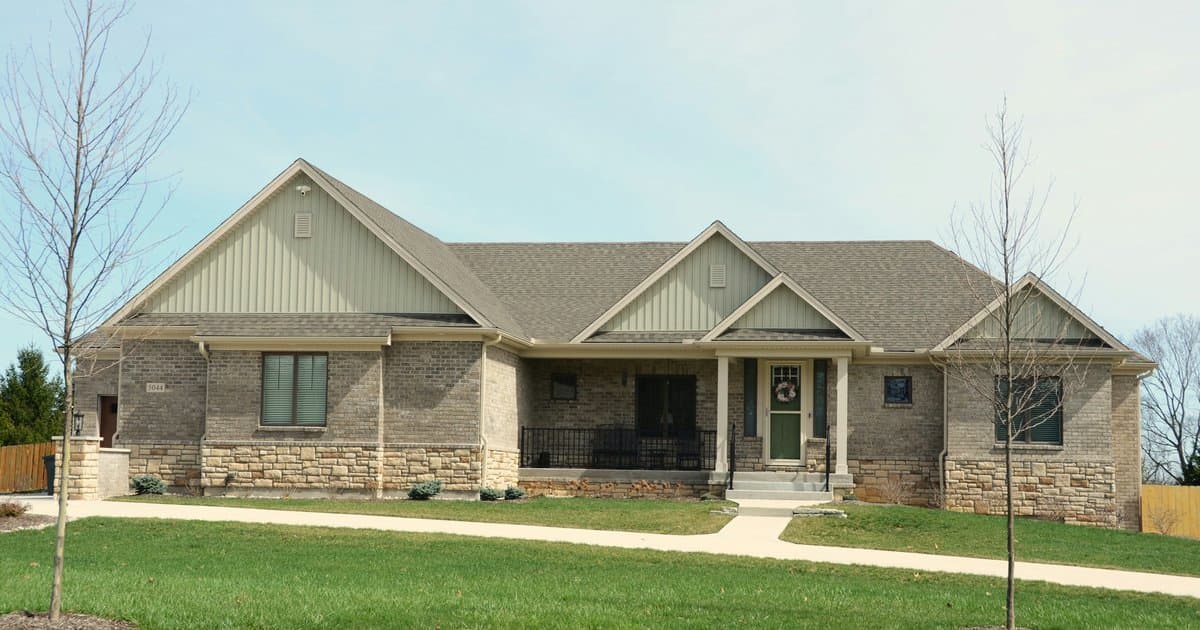

Should you buy a Dallas home with foundation issues?
In Dallas–Fort Worth, foundation movement is one of the most common issues a home inspection turns up, because the whole region sits on expansive clay soil that swells and shrinks with the weather. Most of it is manageable, and a home with a documented, warrantied repair can be a smart buy. The key is to bring in an independent structural engineer during your option period, get a real repair estimate, and use that number to negotiate the price or a seller credit before your option deadline passes.
Almost every Dallas buyer hits this moment. You find a home you love, the inspection comes back, and there it is: "evidence of foundation movement." Your stomach drops. You start picturing $40,000 and a crew jacking up your house.
Take a breath. In DFW, foundation movement is normal, not rare. It's one of the most common property conditions across the metro, and the vast majority of homes here will show some movement over their lifetime. The question isn't "does this house have foundation issues". It's "how serious is it, what does it cost to address, and how do I price that into my offer." Here's how I walk buyers through it.
Why DFW homes move in the first place
This is geology, not bad construction. Dallas, Collin, and the surrounding counties sit on the Blackland Prairie, a band of highly expansive clay soil. That clay has a high plasticity index, which is a fancy way of saying it drinks up water and balloons when it's wet, then dries out and pulls back hard when it's not.
Our weather makes it worse. During a 100-degree Texas summer with no rain for weeks, the clay shrinks and pulls away from your slab. When the spring storms roll in, it swells back and pushes up. Some Dallas soils can gain or lose a large share of their volume through that cycle. Repeat that for ten, twenty, thirty years and you get the classic signs: hairline cracks above doorways, doors that stick in August, a floor that feels slightly off when you walk it.
Because this is a regional condition, a little movement on an inspection report is not a red flag by itself. What matters is whether the movement is old and settled or active and getting worse.
What a home inspector can and can't tell you
Here's something most first-time buyers don't know. A Texas home inspector works off the TREC Property Inspection Report, and their job is visual, observe and report. They'll note a crack, a sticking door, or an uneven floor. That's valuable.
But a standard inspector does not take elevation measurements, does not evaluate the soil, and is not licensed to tell you whether the foundation actually needs repair. That's an engineering opinion, and it requires a different professional.
So when your inspection flags the foundation, that's your signal to go one level deeper, not your signal to panic or to walk.
Bring in a structural engineer during your option period
The single most useful thing you can do is hire an independent, licensed structural (professional) engineer to evaluate the foundation. They'll take elevation readings across the home, look at the movement pattern, and tell you whether it's within normal regional tolerances or whether it's active and progressive. You get a written report and, usually, a clear recommendation.
Two rules I give every client:
- Use your option period for this. The Texas option period is exactly the window for this kind of due diligence. During it, you can investigate, renegotiate, or terminate and get your earnest money back. If you think you'll need an engineer, line them up early so the report lands before your deadline. (If you're fuzzy on how this works, start with the Texas option period and what it gives Dallas buyers.)
- Hire the engineer, not the repair company. A foundation repair company will often "inspect" for free, but they make money selling repairs, so their opinion isn't neutral. Pay an independent engineer for an unbiased read. It's a modest cost against a six-figure purchase, and it's the best money you'll spend.
What the signs actually mean
You don't need to be an engineer to read the early warning signs. Walk the home and look for:
- Cracks wider than about a quarter inch, especially ones that run diagonally from the corners of doors and windows
- Doors and windows that stick or won't latch, particularly in dry months
- Sloping, bouncy, or squeaky floors
- Separation or stair-step cracks in exterior brick and mortar
- Gaps opening up between walls, ceilings, and trim
Hairline cracks in drywall and a single sticking door are usually cosmetic seasonal movement. Multiple signs clustered together, or cracks that are clearly widening, point to something an engineer should look at closely.
What repairs cost in DFW
Once you have an engineer's read and, if needed, a repair bid, you can talk real numbers. In the Dallas–Fort Worth area in 2026:
- Typical residential repairs average roughly $5,000 to $8,500, with many jobs landing in the $2,000 to $7,000 range.
- Minor repairs often run $5,000 to $10,000.
- Major repairs: significant pier work across much of the home: can run $15,000 to $25,000.
- Extreme cases can reach $50,000 or more, though those are the exception.
Your number depends on the home's size, the foundation type, how many piers are needed, and how far the movement has gone. That's why the engineer's report matters so much: it turns "scary unknown" into a line item you can negotiate.
The warranty detail that changes the math
Here's the part buyers love once they understand it. Many DFW foundation companies back their repairs with a lifetime transferable warranty. That warranty stays with the house and can be assigned to you, the new owner.
So a home that already had foundation work done, with paperwork and a transferable warranty, can actually be a stronger buy than an untouched house, because the expensive part is done and guaranteed. Watch two things: there's usually a small one-time transfer fee, and the warranty typically has to be assigned within about 30 days of closing. Ask the seller for the engineer's report, the repair invoice, and the warranty documents, and make transferring the warranty part of your agreement.
This is also where the Seller's Disclosure Notice comes in. Texas sellers are required to disclose known structural issues and prior repairs, so read that notice carefully and compare it to what your inspection finds. (Here's what Dallas sellers have to disclose and why it matters to you as a buyer.)
Negotiating it in a 2026 buyer's market
Timing is on your side right now. Dallas has shifted firmly into a buyer's market, months of supply are up, and roughly a fifth of active listings are already carrying a price cut. Sellers are negotiating in a way they haven't in years.
That means a foundation finding is real leverage, not a dead end. Once you have an engineer's estimate, you generally have four moves:
- Ask for a price reduction equal to all or part of the repair cost.
- Ask the seller to complete the repair before closing, with a transferable warranty.
- Ask for a closing credit so you control the repair and the contractor yourself.
- Terminate during the option period if the movement is severe or the seller won't engage.
One more practical note: lenders can get nervous about active, unrepaired structural damage, and it can complicate financing or insurance. Addressing it before closing, by repair or credit, keeps your loan on track. The right move depends on the home, the severity, and how the rest of your deal is structured, and that's exactly the kind of call I help buyers make in the moment.
Frequently Asked Questions
Should I walk away from a Dallas house with foundation problems?
Not automatically. In DFW's clay soil, some movement is expected, and most issues are repairable. Get an independent structural engineer's evaluation during your option period, then decide based on the severity and the repair estimate, not on the word "foundation" alone.
How much does a foundation inspection cost in Dallas?
An independent structural engineer's foundation evaluation is a few hundred dollars in most cases, far less than a full repair. It's the best diligence money you can spend, because it tells you whether movement is active and what a fix would actually cost before your option period ends.
Is a transferable foundation warranty a good thing for a buyer?
Yes. A lifetime transferable warranty means a prior repair is documented and guaranteed, and the coverage carries over to you. Just budget for a small transfer fee and make sure the warranty is assigned within the company's window, usually about 30 days after closing.
Can a regular home inspector tell me if the foundation is failing?
No. A Texas home inspector reports visible signs like cracks and sticking doors, but they don't take elevation readings or give engineering opinions. For a real answer on whether a foundation needs repair, you need a licensed structural engineer.
Will foundation issues stop me from getting a mortgage in Texas?
They can. Lenders may hesitate to finance a home with active, unrepaired structural damage, and it can affect insurance too. Resolving the issue before closing, through a completed repair or a credit so you can repair it, usually keeps your financing on track.
The bottom line
A foundation note on a Dallas inspection report isn't a verdict. It's a prompt to dig one level deeper. Bring in an independent engineer during your option period, get a real number, and use today's buyer-friendly market to negotiate from a position of information instead of fear.
About Paul Blair
Paul Blair is the founder and broker of Grey Square, a virtual real estate brokerage representing buyers and sellers across Dallas, Los Angeles and Houston. With 22 years in the business and more than $140 million in closed transactions, Paul works the full range of the market, from luxury homes in the Park Cities and Preston Hollow to estates in the Hollywood Hills and across the Westside. Connect with Paul and the Grey Square team at greysq.com. TX TREC #9011505 · CA DRE #01792671.
Want to know what this looks like for you?
Tell us the price range and the timeline and we will run it against the actual property, not a generic calculator.