Reading Your California Disclosure Package: What LA Buyers Need to Know About the TDS, SPQ, and NHD
California's TDS, SPQ, and NHD forms tell buyers what the seller knows about the property. Here's what LA buyers should look for in each one.


What Does the California Disclosure Package Include for Buyers?
When a seller accepts your offer in California, the clock starts on your disclosure review period. What you receive during those days is a package of legally required forms that tell you what the seller knows about the property. The three you'll see on virtually every transaction are the Transfer Disclosure Statement (TDS), the Seller Property Questionnaire (SPQ), and the Natural Hazard Disclosure (NHD). Understanding each one before you sign off matters, because once you remove your inspection contingency, you've acknowledged you've reviewed them.
By Paul Blair | November 23, 2026
The disclosure package doesn't get enough attention from buyers. People focus on the inspection report, and rightly so, but the disclosures are where the seller tells you, under penalty of fraud, everything they know about the property. That distinction matters: an inspector finds what they can observe. The seller discloses what they've experienced.
That's a different kind of information.
In California, the disclosure process is governed by Civil Code 1102 and runs alongside your inspection and loan contingency periods. For LA buyers, particularly anyone looking in hillside neighborhoods, canyon communities, or coastal zones, these forms carry more weight than they do in flat suburban markets elsewhere. Here's what each document actually covers.
The Three Core Documents
Transfer Disclosure Statement (TDS)
The TDS is the foundational disclosure form in California. The seller and their agent both complete sections of it. The seller's section asks about the physical condition of the property: roof, plumbing, electrical, foundation, heating and cooling systems, windows, insulation, drainage, and anything else that might affect the property's value or usability.
The seller answers "yes," "no," or "unknown" to each item. Pay close attention to "unknown." A seller who has owned a property for 20 years and marks "unknown" on a question about roof condition is communicating something different than a seller who inherited the property three months ago and genuinely doesn't know. Context matters here.
Look specifically at the following on any LA disclosure:
- Roof age and known leaks
- Any unpermitted work (additions, conversions, upgrades)
- Drainage problems or flooding
- Pest and termite history
- Deaths on the property within the past three years (required by California law)
- Any disputes with neighbors or homeowners associations
The agent's section of the TDS documents what the agent observed during their visual inspection of the property. This is a separate layer of disclosure from what the seller reports.
Seller Property Questionnaire (SPQ)
The SPQ is a companion document to the TDS. Where the TDS covers physical conditions, the SPQ asks the seller for additional detail on legal and regulatory issues that affect the property. It's more granular.
Questions on the SPQ typically cover:
- HOA status, assessments, and any pending litigation involving the association
- Encroachments, easements, or access disputes
- Insurance claims made in the last five years
- Boundary disputes
- Any current or pending legal proceedings related to the property
- Permits pulled and whether work was finaled
For hillside and canyon properties in areas like Laurel Canyon, Coldwater Canyon, or the Hollywood Hills, the SPQ often surfaces issues that never come up in flat-lot transactions: retaining wall disputes, slope drainage obligations, landslide history, or prior grading permits. These aren't hypothetical concerns. They're questions worth reading carefully.
Natural Hazard Disclosure (NHD)
The NHD is different from the other two in an important way: it's prepared by a third-party disclosure company, not the seller. The seller orders it, a vendor generates it using state and local databases, and the seller delivers it to you as part of the disclosure package.
The NHD tells you whether the property sits in any of the following zones:
- Special Flood Hazard Area (FEMA floodplain)
- State Responsibility Area for fire (wildfire risk)
- Very High Fire Hazard Severity Zone (VHFHSZ)
- Alquist-Priolo Earthquake Fault Zone
- Seismic Hazard Zone (liquefaction or landslide risk)
For buyers in Los Angeles, this form is not a formality. A significant percentage of residential properties in the Hollywood Hills, Bel Air, Pacific Palisades, and the canyons carry VHFHSZ designations. That classification affects your insurance options directly. If a property sits in a Very High Fire Hazard Severity Zone, standard homeowners insurance becomes harder to obtain and far more expensive. Some carriers won't write it at all, leaving buyers to pursue coverage through the California FAIR Plan.
Before you remove your contingency based on the NHD, review your homeowners insurance options for LA wildfire zones and understand what coverage will actually cost. Many buyers don't get quotes until it's too late to renegotiate.
Working through the disclosure package for the first time is a lot to take in. If you're evaluating a property in a hillside neighborhood or a canyon community and want a second set of eyes on what you've received, reach out here and I'll walk through it with you.
What to Actually Look For
Reading disclosures the right way isn't about looking for dealbreakers. It's about understanding what you're buying.
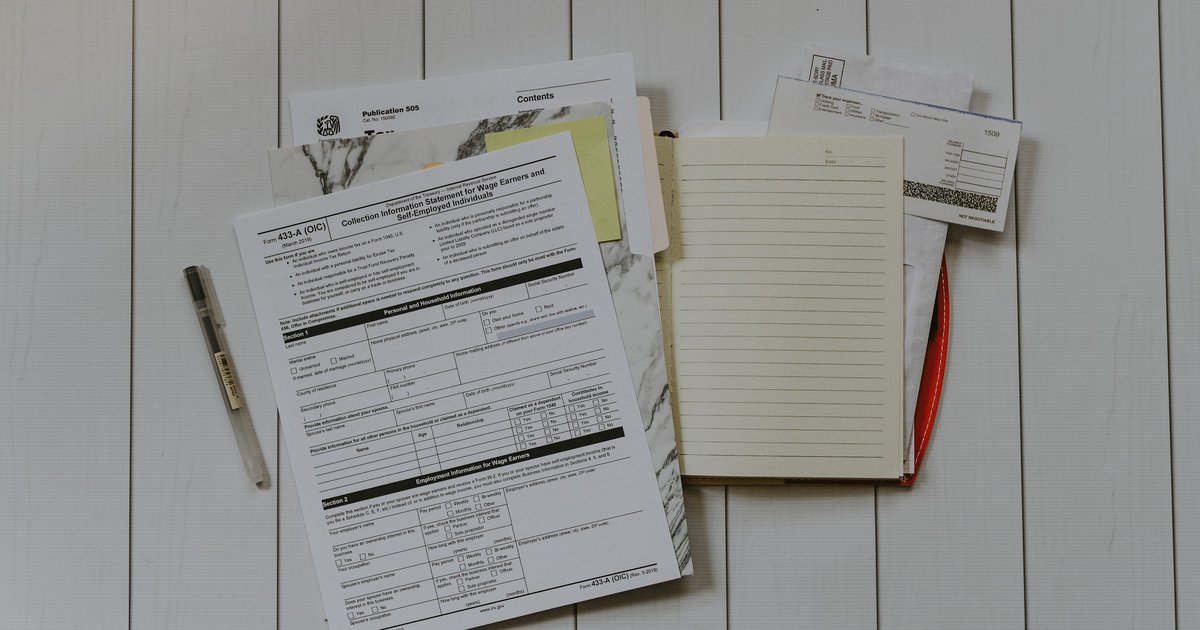
A few things to flag for your agent and attorney when you review:
Anything marked "unknown" by a long-term owner. This isn't necessarily deceptive, but it warrants follow-up. Ask your agent to get more specifics. Sometimes the seller just didn't understand the question. Sometimes there's a reason they're not answering directly.
Unpermitted work. If the seller discloses unpermitted additions or conversions, that's a known variable with real financial consequences. Permits cost money to retroactively pull. Some work can't be legalized. Your lender may also have issues with unpermitted square footage counting toward the appraised value.
Insurance claims. A history of water damage claims can tell you something the inspection might miss. Buyers purchasing in earthquake risk zones should also ask about prior earthquake damage.
Anything that conflicts with the inspection. The seller discloses what they know. The inspector documents what they observe. When there's a conflict between the two, that's worth exploring before you remove contingencies.
Items the seller notes are "in litigation." HOA disputes and boundary disputes don't necessarily kill a deal, but you want to know about them before close. They can affect your ability to resell the property down the road.
Your Review Period
California law gives you a specified window to review disclosures once they're delivered, but the exact timeline depends on how your contract is written. The standard CAR purchase agreement sets a contingency period that covers your disclosure review alongside your inspection period.
You can remove disclosure contingencies independently of your inspection contingency. Most buyers don't, and there's usually no reason to, but understand that the two are legally separate. If you have specific concerns about how to handle contingency removal in your transaction, that's a conversation to have with your agent before you're in the middle of a deal.
One practical note: disclosures are often delivered digitally through DocuSign or similar platforms as part of the escrow process. You'll be asked to acknowledge receipt. Acknowledging receipt is not the same as approving. Make sure you read the documents before you click through.
Frequently Asked Questions
What is the TDS in California real estate?
The Transfer Disclosure Statement (TDS) is a form required by California Civil Code 1102 in which the seller discloses the known physical condition of the property. Both the seller and their agent complete sections of the form. The seller must answer questions about the roof, plumbing, electrical, foundation, drainage, pest history, unpermitted work, and other conditions that could affect the property's value.
Can a seller refuse to provide disclosures in California?
Disclosure requirements in California apply to most residential transactions involving one to four units. Some exemptions exist, including court-ordered sales, some probate sales, and sales between co-owners. In a standard residential purchase, the seller is legally required to deliver the TDS. If a seller claims an exemption, verify it with your agent and an attorney.
What is the Natural Hazard Disclosure in California?
The NHD identifies whether a property sits in any state-designated hazard zones, including FEMA floodplains, Very High Fire Hazard Severity Zones, Alquist-Priolo Earthquake Fault Zones, and seismic hazard areas. The form is generated by a third-party disclosure company using government databases. For LA buyers, the VHFHSZ designation is particularly important because it directly affects homeowners insurance availability and cost.
How long does a buyer have to review disclosures in California?
The disclosure review period is set by the purchase contract. Under the standard California Association of Realtors agreement, buyers have a contractual right to review disclosures before removing contingencies. If you receive disclosures late in escrow, you may still have the full review period remaining even if other deadlines are approaching. Talk to your agent about your specific timeline.
What should I do if I find something concerning in the disclosures?
Flag it immediately with your agent. Depending on the issue, your options include requesting additional documentation from the seller, getting a specialist inspection, negotiating a repair credit over a price reduction, or in serious cases, exercising your contingency to exit the deal. For mold-related findings, see also how mold disclosures work in California home sales. The goal is to understand the issue fully before you're contractually committed.
The disclosure package is the seller's story about the property. The inspection is the inspector's. Your job, with help from your agent, is to reconcile the two before you're locked in.
About Paul Blair Paul Blair is the founder and broker of Grey Square, a virtual real estate brokerage representing buyers and sellers across Dallas, Los Angeles and Houston. With 22 years in the business, Paul works the full range of the market, from luxury homes in the Park Cities and Preston Hollow to estates in the Hollywood Hills and across the Westside. Connect with Paul and the Grey Square team at greysq.com. TX TREC #9011505 · CA DRE #01792671.
Want to know what this looks like for you?
Tell us the price range and the timeline and we will run it against the actual property, not a generic calculator.