Can a Seller Back Out of a California Real Estate Contract?
California sellers who cancel a signed contract without valid grounds can face specific performance lawsuits. Here's what both sides need to know.
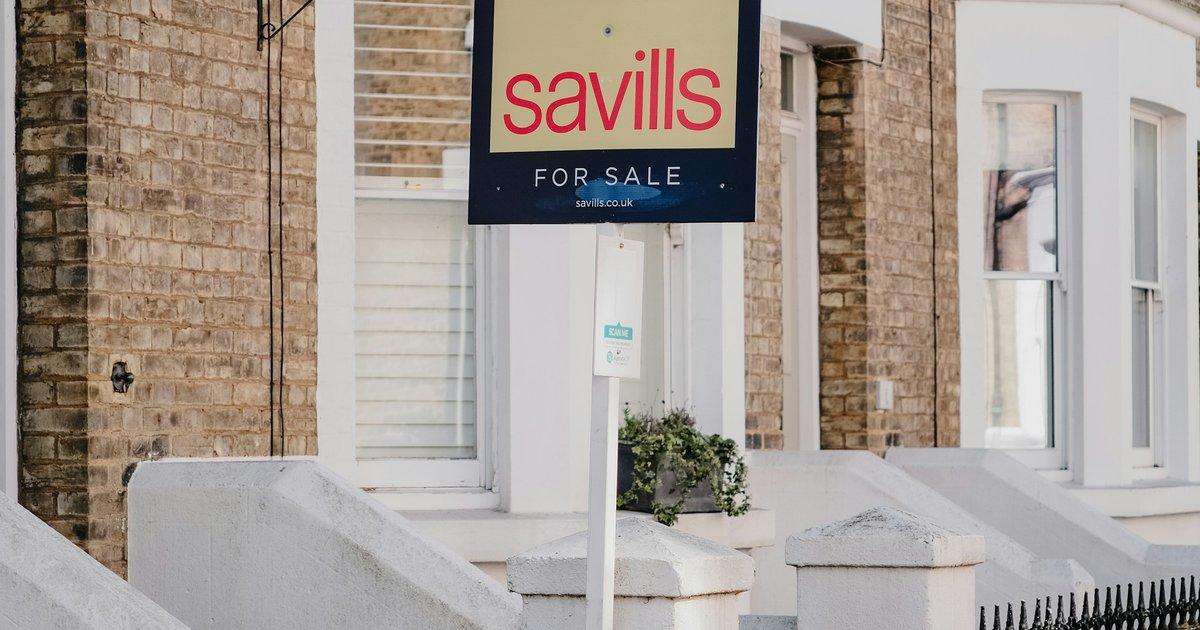

Can a seller back out of a signed real estate contract in California?
In California, once both parties have fully executed a purchase agreement, the contract is legally binding on the seller. A seller who cancels without valid contractual grounds can face a specific performance lawsuit, which a court can use to compel the sale, or a damages claim under California Civil Code Section 3306. The only clean exits for a seller are cancellation by mutual agreement, a valid contingency the contract allows the seller to invoke, or buyer default under the contract's terms.
By Paul Blair | November 8, 2026
You're 18 days into escrow when your agent calls with news you weren't expecting: the seller wants out. They got a better offer. They changed their mind. Whatever the reason, they're done.
Here's what you need to know: in California, that signed contract is legally binding on both sides. The standard California Association of Realtors Residential Purchase Agreement (RPA) is not an at-will arrangement that lets a seller cancel because they changed their mind. And the consequences for a seller who walks without valid grounds can follow them for a long time.
Whether you're the buyer trying to figure out your options or the seller wondering what happens next, this is what California law actually says.
When a California Seller Can Legally Cancel
The contract does give sellers a path out, but it's narrow. Here are the situations where a cancellation holds up:
The buyer defaulted. If the buyer missed a deadline (failed to remove contingencies on time, didn't deliver earnest money, didn't apply for a loan when required), the seller can issue a Notice to Perform. If the buyer still doesn't perform within the notice period, the seller can cancel the contract using the CAR Cancellation of Contract form. This is the most common legitimate path.
A contingency failed. The RPA contains seller contingencies too, in limited circumstances. If the contract was contingent on the seller finding a replacement property and they can't, that's a valid exit. The key is whether the contingency language in the signed contract actually supports the reason for canceling.
Mutual agreement. Both parties agree in writing to cancel, and the escrow is unwound. This requires the buyer to cooperate. If the buyer agrees because the seller has a good reason and handles it professionally, this is often the cleanest outcome.
That's about it. Outside of those situations, a seller who tries to cancel is on shaky legal ground.
What Sellers Can't Do
Remorse, a better offer, changed circumstances, cold feet. None of these are valid grounds for canceling a California real estate contract.
The standard CAR RPA, as California real estate attorney commentary has consistently noted, "generally does not contain conditions that let a seller back out." There is no clause that says "seller may cancel if they receive a higher offer" or "seller may exit if personal circumstances change." Once that agreement is signed by both parties, the commitment is real.
This surprises a lot of sellers. They assume that because the buyer has contingencies (inspection, loan, appraisal), the seller must have some equivalent escape hatch. They don't. The contingency structure in the RPA is primarily designed to protect buyers during their investigation period.
What Buyers Can Do When a Seller Tries to Walk
If a seller tries to cancel without valid grounds, you have options. Real ones.
Specific performance. This is the big one. Under California Civil Code Section 3387, there is a presumption that money damages are inadequate when a seller breaches a real estate contract, because every parcel of real property is considered unique. That presumption means courts can order the seller to actually complete the sale, not just pay damages. It's called specific performance, and it's exactly what it sounds like: the court requires the seller to perform under the contract.
To preserve your rights while a specific performance lawsuit is pending, your attorney can record a lis pendens against the property. That notice, once recorded, clouds the title and effectively prevents the seller from selling to anyone else while the lawsuit is active.
Money damages. Under Civil Code Section 3306, a buyer whose seller breaches can recover more than just the return of their deposit. Recoverable damages can include the difference between the contract price and the fair market value of the property, plus consequential costs like temporary housing and transaction costs you incurred.
Walk away and get your deposit back. If you decide the fight isn't worth it, you can demand the return of your earnest money deposit. The seller has no valid claim to keep it if they're the one who breached.
If your seller is showing signs of trying to walk, talk to your agent and a California real estate attorney before making any moves. The decisions you make in the first few days matter.
If you're in this situation right now and need help navigating it, reach out at greysq.com/contact. We've been through it.
What Sellers Need to Know Before They Try
If you're the seller considering whether to cancel, understand what you're walking into.
The lis pendens problem. The moment a buyer files a specific performance lawsuit, they will almost certainly record a lis pendens against your property. That cloud on title makes it nearly impossible to sell to another buyer, refinance, or close any other transaction on the property until the lawsuit is resolved. You could be in litigation for 12 to 24 months while your property sits.
The liquidated damages clause does not protect you. This is one of the most common misconceptions in California real estate. The 3% liquidated damages cap in the RPA limits what a buyer can recover when the buyer defaults. It does not cap what a seller owes when the seller is the one who breaches. If you cancel without valid grounds, you are exposed to the full range of remedies under Civil Code Section 3306, which can well exceed 3% of the purchase price.
A better offer isn't a defense. The fact that someone offered you more money after you signed with the first buyer is not a defense in court and it is not grounds for cancellation under the contract. It is, however, a fact that can affect how a court views your intent.
For more on what can derail a transaction from the buyer's side, see our post on what can kill your loan after going under contract in Los Angeles. Both sides carry risk once a contract is signed.
Frequently Asked Questions
Can a seller back out of an accepted offer before both parties sign?
Yes. An accepted offer is not a contract until both parties have fully executed it. Until the signed agreement is in both parties' hands (or confirmed through escrow), either party can withdraw without legal consequence. Once both signatures are on the contract and it's been communicated to the other side, that changes.
What happens to the earnest money if the seller backs out?
If the seller cancels without valid contractual grounds and the buyer has not defaulted, the buyer is entitled to the return of their earnest money deposit. The seller has no legal basis to retain it. The buyer may also have claims for additional damages beyond the deposit under California Civil Code Section 3306.
What is specific performance in California real estate?
Specific performance is a court-ordered remedy requiring a party to fulfill their obligations under a contract. In California, Civil Code Section 3387 creates a presumption that money alone is not adequate compensation for a seller's breach of a real estate contract, because every parcel of property is unique. This makes specific performance a commonly available remedy for buyers when sellers breach, rather than pay money damages.
Can a seller cancel if they receive a higher offer while in escrow?
No. Receiving a higher offer after signing a purchase agreement is not a valid reason to cancel under the CAR RPA, and it is not a defense in a specific performance lawsuit. A seller who cancels for this reason is exposed to the same remedies as any other breach, including a court order to complete the original sale.
Does the liquidated damages clause protect the seller if they back out?
No. The 3% liquidated damages provision in the California RPA applies when the buyer defaults, not when the seller defaults. If the seller breaches, the buyer's remedies are not capped at 3%. The seller can be exposed to specific performance claims and money damages under Civil Code Section 3306, potentially far exceeding 3% of the purchase price.
The signed purchase agreement is California's standard for a real property commitment. Courts enforce it, buyers can record lis pendens against properties while they litigate, and "I changed my mind" is not a clause in the contract.
About Paul Blair Paul Blair is the founder and broker of Grey Square, a virtual real estate brokerage representing buyers and sellers across Dallas, Los Angeles and Houston. With 22 years in the business, Paul works the full range of the market, from luxury homes in the Park Cities and Preston Hollow to estates in the Hollywood Hills and across the Westside. Connect with Paul and the Grey Square team at greysq.com. TX TREC #9011505 · CA DRE #01792671.
Something not going the way it should?
Send us the situation. A broker reads it and tells you what your options actually are, usually the same day. No obligation and no charge.