Documentary Transfer Tax Exemptions in Los Angeles County: When You Don't Owe the Tax
LA County sellers may owe nothing in documentary transfer tax on family gifts, trust transfers, and death-related deeds. But only if the deed says so.
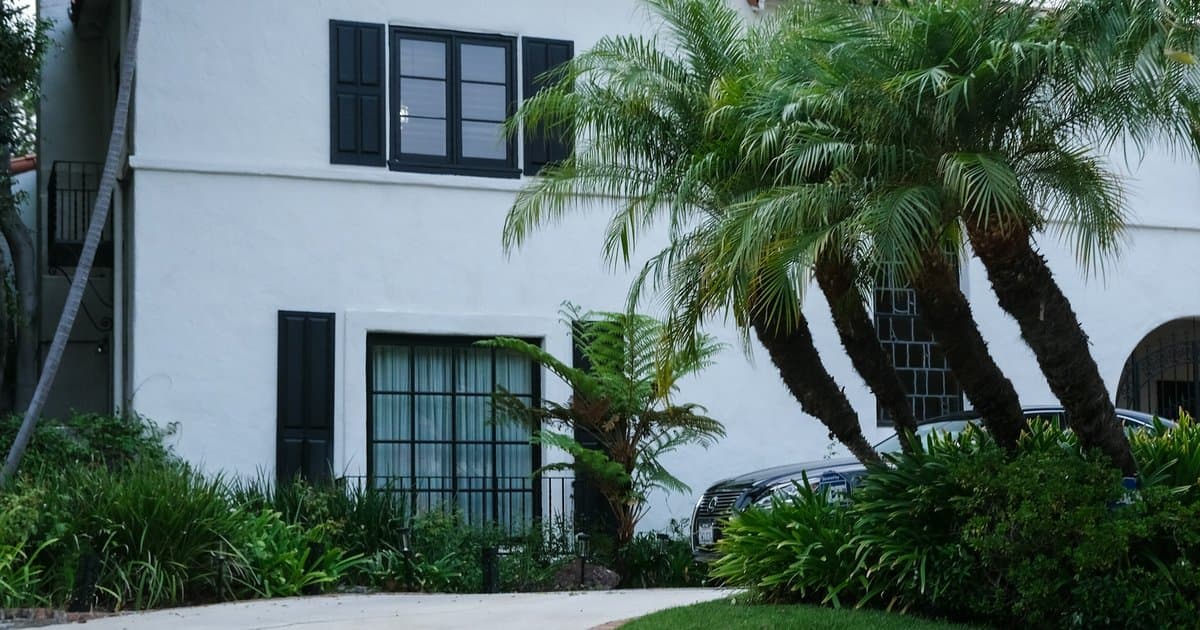
Does a Family Home Transfer in Los Angeles Trigger Documentary Transfer Tax?
If you're transferring property as a gift, moving it into a living trust, or conveying it after a death, you may owe nothing in county documentary transfer tax. The key is that the deed must explicitly say so. Several exemption categories under California's Revenue and Taxation Code zero out the $1.10-per-$1,000 county tax entirely. But the county doesn't waive it automatically. If your deed doesn't claim the right exemption in the right language, you get billed regardless.
By Paul Blair | October 15, 2026
Most sellers think of the documentary transfer tax as a routine closing cost, something that comes out of proceeds on every sale. That's true for a standard arm's-length transaction. But a significant number of real estate transfers in Los Angeles aren't sales at all. They're gifts. Estate conveyances. Living trust transfers. Divorce-related deeds. And for many of them, the county documentary transfer tax doesn't apply.
The catch: you have to know which exemption fits your situation, and you have to get the language right on the deed. A deed that just says "family transfer" or leaves the consideration section blank won't trigger a waiver. The LA County Registrar-Recorder requires the specific Revenue and Taxation Code section and approved wording. Miss that, and the county collects the tax. Refunds after the fact are not automatic.
Here's what you need to know before you sign any deed that isn't a standard sale.
What the Documentary Transfer Tax Actually Is
The county documentary transfer tax applies to recorded transfers of real property throughout Los Angeles County. The rate is $1.10 per $1,000 of consideration. The tax is generally paid by the seller or transferor, collected at closing or at recording, and remitted to the county.
On a $2 million home, that's $2,200. On a $5 million estate property, it's $5,500. Not catastrophic on its own, but these are real dollars on transfers that may not require it.
One thing that trips people up: the documentary transfer tax is different from Measure ULA. Measure ULA is the City of Los Angeles's supplemental transfer tax at 4% and 5.5% tiers for high-value sales within city limits, above the annually indexed thresholds. The county documentary transfer tax applies throughout the county at a much lower rate on virtually every recorded transfer, unless an exemption is claimed.
Exempting a transfer from the county documentary transfer tax doesn't automatically exempt it from Measure ULA. Those are governed by completely separate rules. If you're transferring a property within the City of Los Angeles above the ULA thresholds, you'll need to analyze the ULA exemptions separately.
This post focuses on the county documentary transfer tax and when it doesn't apply.
The Exemption Categories That Matter in LA
Bona Fide Gifts
If you're transferring a home for no consideration at all (no money, no assumption of debt, nothing of value in return), the transfer qualifies as an exempt gift under Revenue and Taxation Code Section 11911.
"No consideration" means exactly that. The recipient pays nothing and takes on no existing debt tied to the property. If a parent deeds a home to an adult child who assumes the mortgage, that assumption of debt likely counts as consideration, which means the gift exemption may not apply cleanly.
For a transfer with genuinely no consideration changing hands, Section 11911 is the applicable code. The deed must reference it explicitly with the county's required language.
Conveyances Into and Out of a Living Trust
Moving a property into your own revocable living trust, or out of it, is one of the most common non-sale transfers in the LA market. Homeowners routinely transfer properties into trusts for estate planning, and trustees conveying property to beneficiaries after a death need to transfer title out of the trust.
These transfers are exempt under Revenue and Taxation Code Section 11930. The county publishes required wording for this exemption. One nuance worth knowing: some form vendors and some escrow officers cite Section 11911 instead of 11930 for living trust transfers. In Los Angeles County, the Registrar-Recorder's own guidance controls. When in doubt, confirm the required section with your title company before the deed gets drafted.
Transfers Following a Death
Conveyances made by reason of death of the title holder also fall under Section 11930. This covers a surviving joint tenant taking full title after a co-owner dies, a successor trustee distributing trust property to a beneficiary after the grantor's death, or similar post-death transfers.
The deed still needs to state the basis for the exemption. A bare deed with no explanation won't trigger a waiver.
Changes in How Title Is Held
If the same parties are changing the form of how they hold title without any change in ownership percentages, the transfer may qualify under Section 11911 or Section 11925(d). The test is that each party's proportionate interest must remain unchanged. Adding a new owner, or shifting the ownership split, generally doesn't qualify.
This comes up when spouses want to move from community property to joint tenancy or vice versa, or when someone wants to add a co-owner to the title without selling a share.
Transfers for $100 or Less
If the stated consideration is $100 or less and no additional consideration is received, the transfer is also exempt. Many nominal-consideration family transfers use this structure. That said, if there truly is no consideration, you're generally better served by the gift exemption under 11911 than by relying on the $100 threshold.
How You Actually Claim the Exemption
The exemption is not self-executing. Here's what the process looks like:
- Identify the correct code section for your transfer type (11911, 11930, or another applicable section).
- Include the required statutory language on the deed itself. The LA County Registrar-Recorder publishes approved wording for each category. This is not boilerplate you draft on your own. It's county-prescribed language tied to the specific code section.
- Check whether an affidavit is required. Some exemptions require a California Documentary Transfer Tax Affidavit to be filed alongside the deed. Others only need the language on the deed itself.
- Tell your title company or escrow officer the nature of the transfer upfront. Don't arrive with a deed already drafted that doesn't account for the exemption. Bring the information early enough that the deed language can be reviewed and corrected before recording.
A good escrow officer will ask which code section applies when the transfer isn't a standard sale. If they don't ask, you should bring it up.
What Happens When You Miss It
Once a deed records with no exemption claimed, the county collects the tax. Getting a refund requires filing a claim after the fact and documenting the exemption retroactively, which is a process most people don't want to go through.
On a $3 million estate transfer that qualifies for exemption, that's $3,300 paid unnecessarily. On a $6 million trust transfer to beneficiaries after a death, it's $6,600. These are preventable with the right deed language from the start.
Other Things to Think About on Non-Sale Transfers
The documentary transfer tax is only one piece of the picture on a family or estate transfer. Before you record any deed in Los Angeles that isn't a standard sale, you'll also want to think through:
- Prop 19 property tax reassessment. California's Prop 19 significantly changed the rules for parent-to-child property transfers effective February 2021. An exempt gift transfer doesn't automatically preserve the Prop 13 assessed value for the recipient.
- Measure ULA. If the property is within the City of Los Angeles and would be sold or transferred above the indexed thresholds, the ULA tax may apply separately.
- Deed type. The right instrument for a gift transfer, a living trust conveyance, and a post-death transfer are all different. Grant deeds, interspousal transfer deeds, trustee's deeds, and affidavits of death of joint tenant each serve a specific purpose.
Every property transfer in the LA market should go through a title company or escrow officer, even when no money is changing hands. They confirm the right form of deed, draft the correct exemption language, handle recording, and make sure the transfer doesn't create title problems later.
If you're working through a family gift transfer, a trust conveyance, or any deed that isn't a standard sale in Los Angeles, mention the nature of the transfer before anything gets drafted. That one conversation upfront can save you thousands in unnecessary tax.
Frequently Asked Questions
Is the documentary transfer tax the same as Measure ULA?
No. The county documentary transfer tax ($1.10 per $1,000 of consideration) applies throughout Los Angeles County on virtually every recorded transfer. Measure ULA is a separate City of Los Angeles transfer tax at 4% and 5.5% tiers, applying only within city limits to sales above the annually indexed thresholds (roughly $5.4 million and $10.9 million as of 2026). An exemption from the county documentary transfer tax does not exempt a transfer from Measure ULA. Both taxes need to be analyzed separately.
Can I give my home to my child without paying the transfer tax in Los Angeles?
Yes, if the transfer is a bona fide gift where no consideration changes hands (no money, no debt assumption, nothing of value). The conveyance qualifies for exemption under Revenue and Taxation Code Section 11911. But the deed must include the correct exemption language with the county-required wording. The county won't waive the tax automatically. Work with a title company to get the deed right before recording.
Does moving my house into a living trust trigger the documentary transfer tax?
No, conveyances into or out of a revocable living trust are exempt from the LA County documentary transfer tax under Revenue and Taxation Code Section 11930. The deed must state the exemption explicitly using county-approved language. Note that some form vendors cite Section 11911 for this exemption. In Los Angeles County, the Registrar-Recorder's guidance lists Section 11930 for living trust transfers.
Does inheriting a property mean paying the documentary transfer tax?
Transfers by reason of death are exempt under Section 11930. Whether property passes through a trust, a surviving joint tenancy, or another mechanism at death, the documentary transfer tax generally shouldn't apply. The deed still needs to affirmatively claim the exemption using the required language.
Do transfers between divorcing spouses trigger the documentary transfer tax?
Transfers between spouses related to a marital dissolution or legal separation are often exempt, but the applicable code section and required wording depend on the structure of the transfer. An interspousal transfer deed is the standard instrument for spousal transfers in California. Your title company or real estate attorney should confirm which exemption applies and draft the deed accordingly.
The documentary transfer tax is one of those costs that shouldn't be a surprise if you plan ahead. For gift transfers, living trust conveyances, death-related deeds, and title-change transfers, the exemption is real. You just have to claim it the right way.
The details matter: which code section applies, what language goes on the deed, whether an affidavit is required, and how Measure ULA interacts with the county tax for City of Los Angeles properties. Working through those details before recording is always easier than correcting them after.
If you're navigating a family transfer, estate-related conveyance, or any non-standard deed in Los Angeles, I'm happy to walk you through what the process looks like and connect you with the right escrow and title team. Start with your home value at greysq.com/home-value or reach out directly at greysq.com/contact.
About Paul Blair
Paul Blair is the founder and broker of Grey Square, a virtual real estate brokerage representing buyers and sellers across Dallas and Los Angeles. With 22 years in the business and more than $200 million in closed transactions, Paul works the full range of the market, from luxury homes in the Park Cities and Preston Hollow to estates in the Hollywood Hills and across the Westside. Connect with Paul and the Grey Square team at greysq.com. TX TREC #9011505 | CA DRE #01792671.