What Does $1.5 Million Buy Within Walking Distance of Grapevine's Main Street?
New attached residences off Grapevine's Main Street are listed at $460 to $612 per square foot against a $250 citywide median. Here is what is driving the gap.
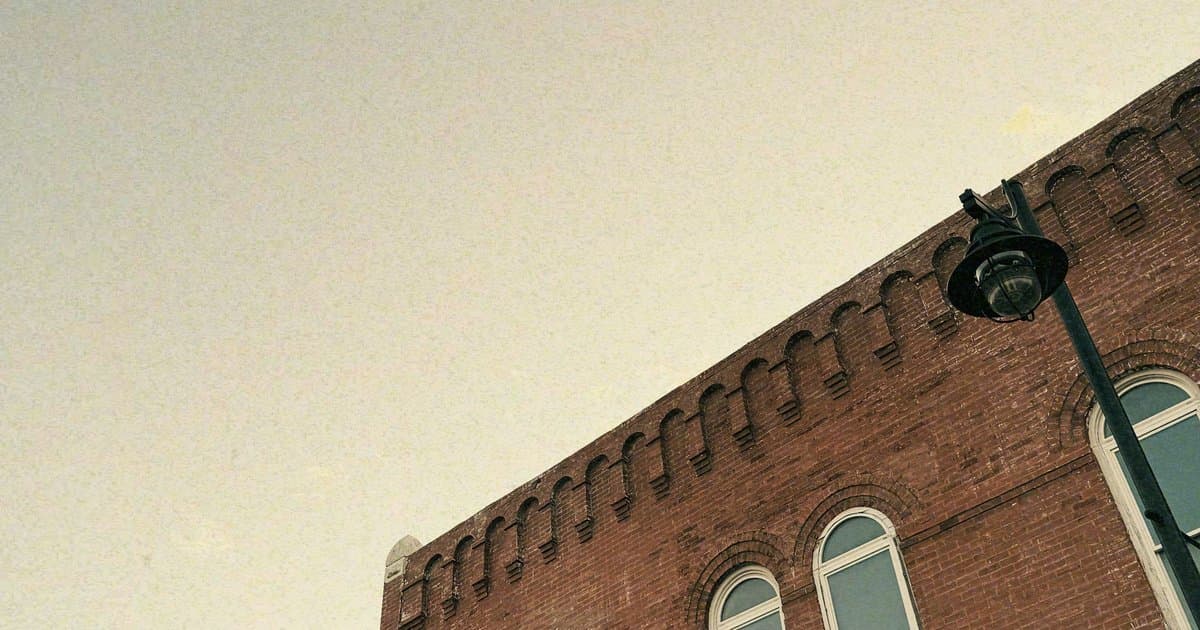
What does $1.5 million buy within walking distance of Grapevine's Main Street? Right now, it buys a newly built attached residence of roughly 2,500 to 3,300 square feet on East Dallas Road, three bedrooms, four baths, and a price per square foot that runs closer to Uptown Dallas than to the rest of Tarrant County. That is the single most interesting thing happening in Grapevine real estate in August 2026, and it says more about where this market is headed than any citywide median does.
The listings that started this post
Zillow's Historic Downtown Grapevine listing feed currently shows a cluster of new-construction attached homes a few hundred feet off Main Street:
| Address | Beds / Baths | Size | Price | Price per sq ft |
|---|---|---|---|---|
| 218 E Dallas Rd #102 | 3 / 4 | 2,575 sq ft | $1,575,000 | ~$612 |
| 250 E Dallas Rd #119 | 3 / 4 | 3,284 sq ft | $1,510,000 | ~$460 |
| 250 E Dallas Rd #124 | 3 / 4 | 2,638 sq ft | $1,435,000 | ~$544 |
| 613 Ball St (detached) | 4 / 4 | 4,245 sq ft | $1,299,900 | ~$306 |
| 620 W College St (detached) | 3 / 3 | 1,868 sq ft | $689,500 | ~$369 |
Two of those East Dallas Road units are listed as built elevator ready, which tells you exactly who the builder had in mind: a buyer who wants a lock-and-leave residence and intends to stay in it a long time.
For context, Redfin's most recently published monthly figure for Grapevine put the citywide median at $250 per square foot. The new attached product on East Dallas Road is trading at roughly twice to two and a half times that. Even the detached historic-district listings above clear the citywide number by 20 to 45 percent.
The premium is real, and it is measurable
This is not a case of a couple of optimistic listings distorting the picture. Zillow's own neighborhood-level index shows the same gap in sold data. The typical Grapevine home value citywide sits at $559,483, essentially flat year over year at +0.1%. Break that out by neighborhood and the spread is wide:
| Grapevine neighborhood | Typical home value |
|---|---|
| Historic Downtown | $687,502 |
| College Heights | $668,282 |
| College Creek | $493,442 |
| Sky Harbor | $443,384 |
| Dellwood Acres | $435,532 |
| Banyan Estates | $395,236 |
| Bellaire | $367,113 |
| Sunshine Harbor | $310,269 |
Historic Downtown carries roughly a 23 percent premium over the city as a whole, and more than double the value of the lowest-indexed pockets. In a city of only about 46,000 people, that is a striking amount of internal price stratification, and it is concentrated in a walkable core that is maybe a dozen blocks across.
Two land listings on that same feed make the point even more bluntly. A 10,367-square-foot corner lot on Smith Street is asking $730,000. A 0.45-acre parcel on West Hudgins Street is asking $750,000 after a $100,000 reduction. Dirt inside the historic district is now priced where finished houses trade in much of the surrounding metroplex.
Why the core is worth what it is worth
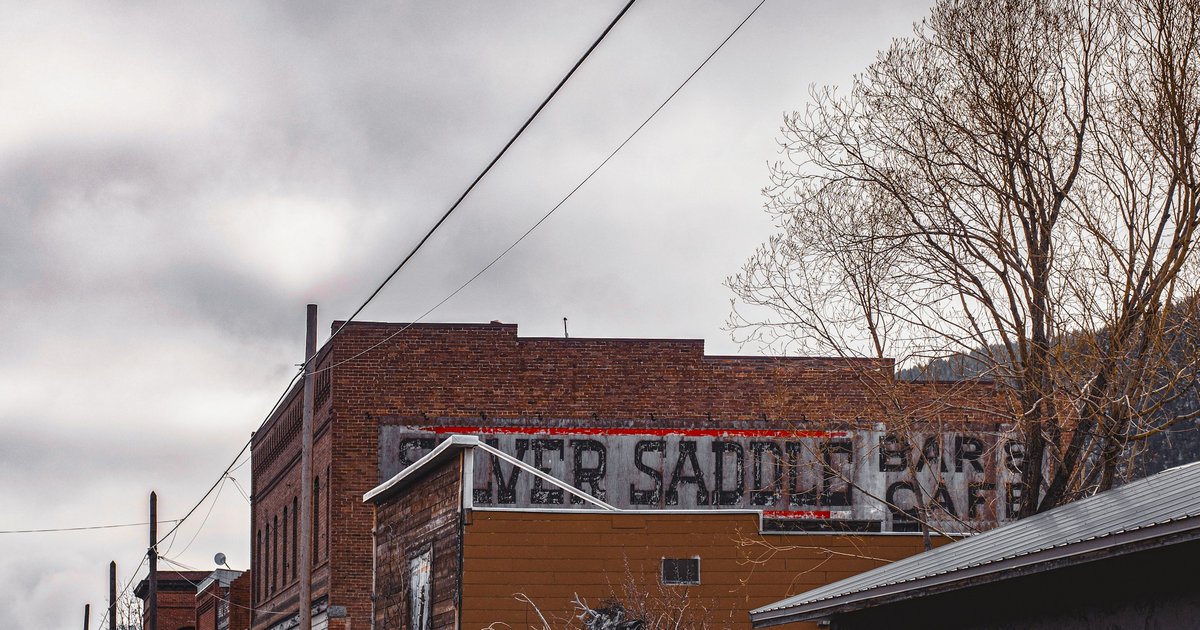
Grapevine is the oldest community in Tarrant County. It was settled in 1844 and took its name from the wild mustang grapes growing across the Grape Vine Prairie. What separates it from the dozens of DFW suburbs that also claim a historic downtown is that Grapevine's is formally protected. The city holds three National Register historic districts: the Grapevine Commercial Historic District along South Main Street from Northwest Highway to Hudgins Street, the Cotton Belt Railroad Industrial Historic District along the rail line, and the Original Town Historic District to the east of South Main.
That designation is the whole ballgame from a pricing standpoint. The commercial spine cannot be casually redeveloped, which means the restaurants, tasting rooms, and storefronts that draw people to Main Street are a durable amenity rather than a phase. Residential product built within walking distance of a protected commercial district is inherently supply-constrained. There is only so much of it, and no meaningful way to make more.
The second structural factor is water. Grapevine Lake is a federal reservoir on Denton Creek, construction on the dam began in January 1948, finished in June 1952, and impoundment started that July, according to the Texas State Historical Association. It is owned by the United States government and operated by the Fort Worth district of the Army Corps of Engineers for flood control and water conservation. Corps ownership of the shoreline means the lake's edge will never be subdivided. Grapevine sits in the northeastern corner of Tarrant County with small sections reaching into Dallas and Denton counties, boxed in by the lake on one side and DFW International Airport on the other. The city is, functionally, built out.
What a buyer at this price point should actually check
If you are writing an offer in the $1.4 to $1.6 million range on attached product in a Texas suburb, two line items deserve more attention than the finishes.
The first is the tax structure. Property inside Grapevine is taxed by five separate jurisdictions: the City of Grapevine, Grapevine-Colleyville ISD, Tarrant County, the JPS Health Network, and Tarrant County College. The city itself is the smallest slice, per the city's own published breakdown, Grapevine's portion accounts for roughly 13 percent of a typical total bill. On a $1.5 million assessment, the combined levy across all five entities is the number that matters for your monthly payment, not the city rate that gets quoted in council coverage.
The second is what is being approved nearby. On June 2, 2026, Grapevine City Council unanimously approved a 28.7-acre mixed-use development near Grapevine Mills from Trammell Crow Company, up to 248 multifamily units across 11 buildings plus a 222-room hotel, with the potential to reach 750 hotel rooms at full buildout. The same proposal had been denied on May 19 and a related version was denied in July 2024. Trammell Crow's DFW market leader put the estimated annual city tax impact at $2.9 million and said the developer hoped to pull building permits over the summer. That project sits well away from the historic core, but it is a useful reminder that Grapevine's council decisions move quickly and are worth tracking before you commit at the top of the market.
Reading the market underneath the headline
Grapevine in mid-2026 is a market of averages that conceal a split. Homes go pending in about 11 days, but 57 percent of sales close under list price and only 23.9 percent close over, with a median sale-to-list ratio of 0.992. Inventory sits around 121 homes with 53 new listings in the most recent month. Median sale price registered $603,833 in April 2026 against a median list price of $643,167.
Translated: well-priced inventory moves fast, and mispriced inventory sits and then concedes. That $100,000 reduction on the Hudgins Street lot is what that looks like in practice. If you are selling here, the pricing decision in week one determines almost everything that follows. If you are buying, speed matters on the right house and patience pays on the wrong one.
Considering a move in or out of Grapevine's historic core? Schedule a private consultation to walk through what is actually trading on Main Street and what it will cost you to hold it. You can also browse current Dallas-area inventory or read through our buyer resources first.
Frequently Asked Questions
Why is Historic Downtown Grapevine more expensive than the rest of the city?
Zillow's index puts Historic Downtown at $687,502 against a citywide typical value of $559,483, roughly a 23 percent premium. The driver is supply, not marketing. Three National Register historic districts protect the commercial spine along South Main Street, the Army Corps of Engineers owns the shoreline of Grapevine Lake, and DFW International Airport caps expansion on the other side. Walkable inventory near a protected commercial district is finite, and pricing reflects that.
Is $500 or more per square foot normal for Grapevine?
No. Redfin's most recent published citywide figure was $250 per square foot. The new attached residences on East Dallas Road are listed between roughly $460 and $612 per square foot. That is a distinct product tier, newly built, elevator ready, walking distance to Main Street, priced against a different buyer than the rest of the city.
How many taxing entities does a Grapevine homeowner pay?
Five: the City of Grapevine, Grapevine-Colleyville ISD, Tarrant County, the JPS Health Network, and Tarrant County College. The city's own tax page notes that Grapevine's municipal portion works out to about 13 percent of a typical total bill. Always model the combined levy rather than the city rate alone.
Is the Grapevine market favoring buyers or sellers right now?
It is doing both at once. Median days to pending is around 11, which reads as a seller's market, but 57 percent of sales close below list price and only 23.9 percent close above, with a sale-to-list ratio of 0.992. Correctly priced homes move quickly; anything above the market sits and eventually cuts.
Should I use a local agent to buy or sell in Grapevine's historic district?
What matters more than geography is whether the agent has actually transacted in the specific product tier you are in. Grapevine's historic core is a narrow, low-volume submarket where new attached construction, protected historic parcels, and mid-century detached homes all sit within a few blocks of each other and price on completely different logic. An agent whose recent work is entirely in tract subdivisions will not have useful comps for a $1.5 million brownstone-style residence, and the reverse is equally true. Ask for the last three closings that resemble your situation. I am Paul Blair, founder and broker of Grey Square, with 22 years in the business and more than $200 million in closed transactions across the Park Cities, Preston Hollow, and the northern and eastern DFW suburbs. If you want an honest read on where your Grapevine property sits in this market, request a confidential valuation.
Working with Grey Square in Grapevine
The Grapevine historic core is one of the few DFW submarkets where the value is in the land-use rules rather than the finishes, and pricing it correctly means understanding what can and cannot be built two streets over. That is the analysis we bring to every Grapevine conversation.
Start a conversation about Grapevine, or if you own here and are weighing a sale, see what your home could sell for. Sellers can also review our seller resources before we talk.
Paul Blair is the founder and broker of Grey Square, a virtual real estate brokerage representing buyers and sellers across Dallas and Los Angeles. With 22 years in the business and more than $200 million in closed transactions, Paul works the full range of the market, from luxury homes in the Park Cities and Preston Hollow to estates in the Hollywood Hills and across the Westside. Connect with Paul and the Grey Square team at greysq.com. TX TREC #9011505 · CA DRE #01792671.