Home Staging in Dallas: Is It Worth the Cost? What DFW Sellers Need to Know in 2026
DFW sellers face 38,000+ competing listings in 2026. Here's exactly what home staging costs in Dallas, what the ROI data shows, and how to decide if it's worth it for your home.
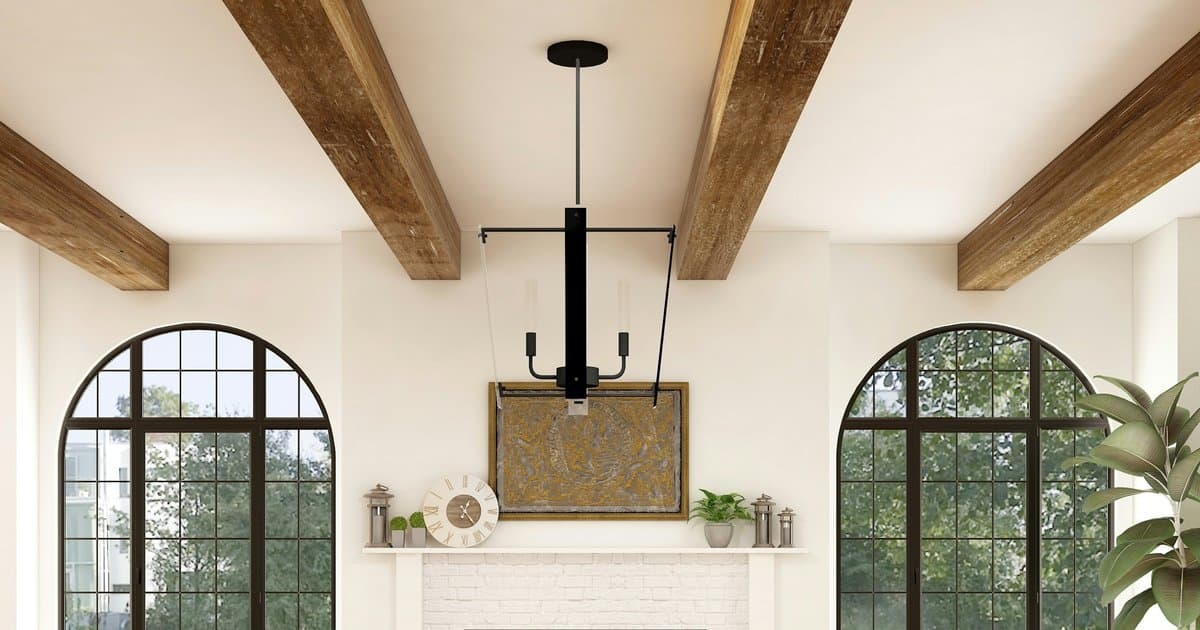
Is home staging worth it when selling a home in Dallas?
For most DFW sellers in 2026, home staging is worth the investment. Professional staging in Dallas typically costs $1,500 to $5,000, and the return, in higher sale price and fewer days on market, consistently exceeds the outlay. With over 38,000 active listings competing for buyer attention in the DFW metro, the homes that show best are the ones that close.
By Paul Blair | August 8, 2026
In April 2026, the Dallas–Fort Worth metro had 38,838 active listings, second most among major U.S. metros. That's a lot of competition for every buyer touring homes on a Saturday afternoon.
In a market like this, what your home looks and feels like the moment buyers walk through the door, or click through photos online, determines whether you get a showing request or a scroll-by.
Home staging is the most direct lever sellers have to control that first impression. The question most sellers ask is: "Is it really worth spending money on staging when I might already be pricing under what I hoped for?"
The answer, in most cases, is yes. Here's the data, and the nuance.
What Home Staging Actually Costs in Dallas
Home staging in the Dallas market breaks down into a few tiers:
Consultation-only staging ($300–$600): A professional stager walks through your home and gives you a room-by-room action plan. What to move, what to remove, how to rearrange. You execute it yourself. This is often the highest-ROI option for occupied sellers with decent furniture who are willing to put in the work.
Occupied home staging ($1,000–$3,000): The stager uses your existing furniture and decor, but curates and repositions it. May include rented accent pieces or artwork to fill gaps.
Vacant home staging ($2,000–$5,000): The stager brings in rental furniture and accessories for the full home or key rooms. This is the most expensive tier but often the most necessary, empty rooms are surprisingly hard for buyers to evaluate, and they read "smaller" than furnished ones.
Virtual staging ($5–$50 total): Digitally inserting furniture into empty-room photos. Useful for online listing photos, but buyers who visit in person will see the empty space. Works best as a complement to light physical staging, not a replacement.
| Staging Type | Typical Cost (Dallas) | Best For |
|---|---|---|
| Consultation-only | $300–$600 | Occupied homes with solid existing furniture |
| Occupied staging | $1,000–$3,000 | Homes needing selective curation, seller present |
| Vacant home staging | $2,000–$5,000 | Empty homes requiring rental furniture |
| Virtual staging | $5–$50 | Online listing photos (not a substitute for in-person) |
If your home doesn't sell within 30 days, most staging contracts extend for an additional 10–30% of the initial fee per month.
What the Return Actually Looks Like
The National Association of Realtors' 2025 Profile of Home Staging found that 19% of sellers' agents reported staging increased the dollar value offered by 1–5% compared to similar unstaged homes. On a $550,000 home, roughly the upper-middle price point for suburban DFW. That's an extra $5,500 to $27,500.
Data from the Real Estate Staging Association shows staged homes sell in an average of 23 days versus 47 days for non-staged properties, a 51% reduction in time on market. Every week a home sits unsold carries its own cost: mortgage payments, utilities, property taxes, and the weight of an active listing on the market.
Run the math for a $500,000 home carrying $3,500 per month in holding costs: 24 fewer days on market saves roughly $2,800. Add even a 1% price lift ($5,000), and you're looking at nearly $8,000 in combined benefit on a staging investment that might cost $2,500.
That's the case for staging in a normal market. In DFW's 2026 environment, with nearly 40,000 competing listings, the case is stronger.
What Gets Staged First
Not every room needs the same attention. According to NAR, the living room (37% of agents cite it as most important) and the primary bedroom (34%) are where staging dollars have the highest payoff.
In practice, the most important staging happens in the first 50 feet of your home. Buyers form their emotional verdict within 30 seconds of walking through the front door, based on the entryway, sightlines into the main living area, and whether the home feels light and spacious. Once that first impression sets, it's hard to reverse.
The kitchen matters for a different reason: buyers read it quickly for cleanliness, function, and maintenance signals. Counters should be at least 75% clear. Lighting should be strong.
Priority staging checklist:
- Curb appeal and front entry: power wash, clear the porch, fresh doormat
- Living room: declutter, edit furniture for better traffic flow, remove overly personal items
- Kitchen: clear counters, deep clean, update dated hardware if needed
- Primary bedroom: clean and neutral; remove exercise equipment and personal photos
- Bathrooms: fresh white towels, clear vanity surfaces, replace any worn fixtures
DFW's 2026 Context Changes the Math
In a seller's market where inventory is thin and buyers are competitive, staging is nice to have. In a buyer's market, which DFW has been trending toward since mid-2025. It's closer to necessary.
With nearly 40,000 active listings in the metro, buyers have real choices. They're comparing your home not just to the one around the corner but to 20 others at similar price points. The homes that photograph well and present well in person get shown. The ones that don't get skipped, even when priced correctly.
Texas heat adds a staging variable that sellers in other states don't face. When buyers walk into a showing in August, they're already warm. If the house smells like pets, cooking, or mustiness, that first-breath impression is amplified. Deep cleaning and odor neutralization aren't optional add-ons. They're prerequisites.
If you're trying to price your home right before or after staging, a quick review of what staged homes in your specific neighborhood have been closing for is the clearest calibration point. You can start that conversation with a home value estimate at greysq.com/home-value, I'll run the current comp picture, including what staged versus unstaged homes in your area have actually been selling for.
When Staging Might Not Be Worth It
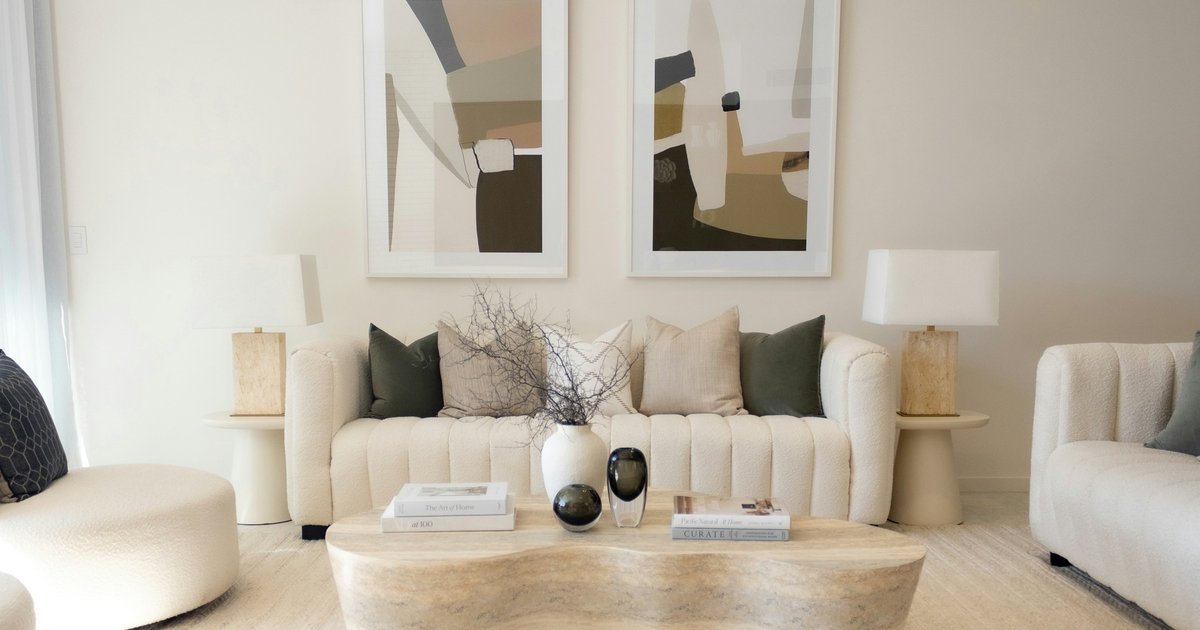
Staging is a strong investment for most sellers, but there are situations where it makes less sense.
When you're selling as-is at a price that reflects condition. If you're pricing 15–20% below market to attract investors or cash buyers who want a project, staging those buyers is irrelevant. They're buying the land and bones, not the presentation. The as-is selling guide covers how to price and position that strategy correctly.
When the highest-value improvement is a repair, not staging. A roof in poor condition will derail more deals than an unstaged bedroom ever will. If buyers or lenders are going to flag the roof, HVAC, or foundation during the option period, address those first. That's the kind of trade-off a pre-listing inspection helps you sequence correctly.
When your home already presents well. If you have updated finishes, clean lines, and neutral colors throughout, a full staging engagement may not add much. A consultation to identify specific gaps is often enough.
Selling in Frisco, McKinney, or somewhere in Collin County where inventory is moving slowly? Staging decisions are easier when you know where your home sits relative to the current comp pool. Request a confidential home valuation and I'll walk you through what staged homes in your specific neighborhood are actually closing at right now.
Frequently Asked Questions
How much does home staging cost in Dallas, Texas?
Professional home staging in Dallas ranges from $300 to $600 for a consultation-only service up to $2,000 to $5,000 for full vacant-home staging with rental furniture. Occupied home staging, where a stager uses your existing furniture, typically runs $1,000 to $3,000 for most suburban DFW homes in the $400,000 to $700,000 price range. Most contracts also carry a monthly extension fee if the home doesn't sell within 30 days.
Does staging really help sell a house faster in DFW?
Yes, the data is consistent. The Real Estate Staging Association reports staged homes sell in an average of 23 days versus 47 days for non-staged homes, a 51% reduction in time on market. In a DFW market with more than 38,000 active listings competing for buyer attention, the gap between staged and unstaged presentation is wider than in a tight-inventory market.
What rooms should I stage when selling my Dallas home?
According to NAR's research, the living room (37% of agents) and primary bedroom (34%) have the highest staging impact on buyers' decision-making. In practice, the most important staging happens in the first 50 feet of your home, the entry and sightlines into the main living area, since buyers form an emotional verdict within about 30 seconds of walking through the door.
Is virtual staging a good option for DFW sellers?
Virtual staging is effective for online listing photos and can significantly increase click-through rates compared to empty-room shots. But buyers who visit in person will see the empty space, which many find difficult to evaluate and often perceive as smaller than it is. Virtual staging works best as a complement to at least minimal physical staging, not a full substitute, especially for vacant homes in the upper-price suburban DFW market where buyer expectations are high.
What should I not do when staging my home for sale in Dallas?
The most common staging mistakes DFW sellers make: leaving too many personal items on display, keeping furniture arrangements that block natural traffic flow, neglecting deep cleaning before photos (especially kitchens and bathrooms), and ignoring odors, pet, cooking, and mustiness are especially noticeable in Texas summer heat. Over-staging with too many accessories can also work against you; buyers want to see the space, not a design showroom.
How do I find the right real estate agent to help me sell in Plano, Frisco, or McKinney?
The most important thing is documented experience with homes in your specific price range and neighborhood, not just DFW broadly. Ask how many transactions the agent has closed in your submarket in the last 12 months, what their list-to-sale price ratio looks like, and whether they have working relationships with local staging professionals. Paul Blair at Grey Square has 22 years in the business and $200 million-plus in closed transactions across the northern DFW suburbs, including Plano, McKinney, and Frisco, with direct connections to the staging vendors who make a measurable difference at your price point. Schedule a private consultation to talk through where your home stands.
Ready to see what your staged home could realistically close for in this market? Request a confidential home valuation and I'll run a current comp analysis, including what staged versus unstaged homes in your neighborhood have been selling for in the last 90 days.
The bottom line on staging: in DFW's 2026 market, where your listing competes against tens of thousands of others and most buyers start their search online, presentation is the difference between a showing request and a skip. The staging investment pays for itself in most situations, but the right approach depends on your home's condition, price point, and timing.
If you're weighing the numbers for your specific situation, I'm happy to walk through them with you. And if your home is already listed and not getting the traction you expected, the analysis in this guide on what to do when your Dallas home isn't selling covers the full decision framework.
About Paul Blair
Having guided clients through dozens of listing decisions that included staging strategy across Plano, McKinney, Frisco, Preston Hollow, and the Park Cities, Paul Blair brings specific, local context to the staging question, not just general advice. Paul Blair is the founder and broker of Grey Square, a virtual real estate brokerage representing buyers and sellers across Dallas and Los Angeles. With 22 years in the business and more than $200 million in closed transactions, Paul works the full range of the market, from luxury homes in the Park Cities and Preston Hollow to estates in the Hollywood Hills and across the Westside. Connect with Paul and the Grey Square team at greysq.com. TX TREC #9011505 · CA DRE #01792671.