Home Staging in Los Angeles: What Luxury Sellers Actually Pay
Home staging in Los Angeles costs $3,000 to $40,000+ depending on your home. Here's what luxury sellers actually pay and whether it changes your sale price.
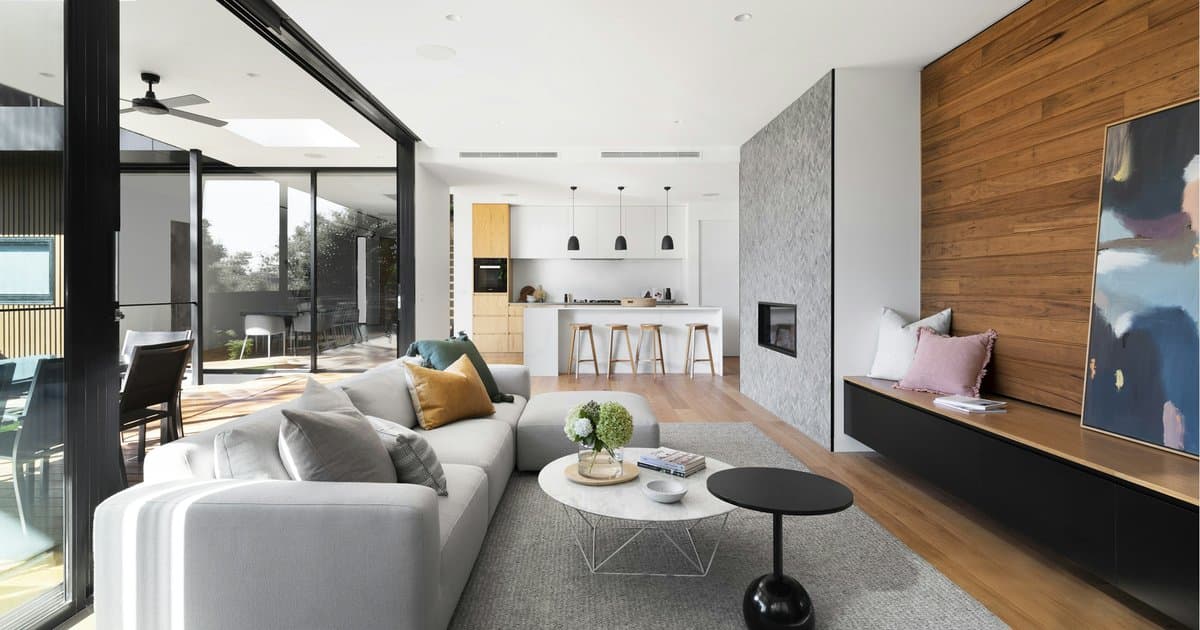
How much does home staging cost in Los Angeles?
Professional home staging in Los Angeles typically costs $3,000 to $6,000 for a standard home and $15,000 to $40,000 or more for a vacant luxury property. For Westside and coastal homes, expect $5,000 to $15,000 for the initial rental period. Most luxury staging companies require a three-month minimum contract, which affects your total cost even if the home sells quickly.
By Paul Blair | July 3, 2026
When a seller asks me whether they should stage their home, I give them the same answer every time: it depends on what you're selling and what you're competing against.
That answer usually leads to a follow-up: "Okay, but how much does it cost?"
The numbers on staging in Los Angeles are all over the map, and the online estimates are almost always too low for the luxury market. A figure like "$3,000 to $6,000" is accurate for a mid-market home in the Valley. For a four-bedroom estate in the Hollywood Hills or a Westside view home with a pool, you're in different territory.
Here's the real breakdown.
What Staging Actually Costs in Los Angeles
Staging fees in LA are driven by four variables: property size, whether the home is vacant or occupied, neighborhood and price tier, and contract length.
Standard homes (under $1.5M, 2-4 bedrooms): Expect $3,000 to $6,000 for a 30-day initial contract on a mid-market home. This covers the main living areas and often the primary bedroom. Extensions run 10% to 30% of the original fee per additional 30 days.
Westside and coastal homes ($1.5M to $3M range): Professional staging in Santa Monica, Brentwood, or Venice typically starts at $5,000 to $15,000 for the initial period, depending on square footage and the scope of rooms staged. Coastal staging companies are accustomed to longer contracts because coastal inventory moves more slowly.
Luxury vacant estates ($3M and above): This is where the numbers shift significantly. For a vacant home with multiple bedrooms, a great room, formal dining, and outdoor entertaining areas, full-scale staging runs $15,000 to $40,000 or more. Hillside properties in Beverly Hills, Bel Air, and the Hollywood Hills often require custom-scale furniture that costs more to source, deliver, and set up.
At this price point, many staging companies also require a minimum three-month contract on the rental inventory, regardless of when the home sells. If your listing closes in six weeks, you still owe the full three-month fee.
The extension trap: If your home takes longer to sell than the initial contract period, every 30-day extension adds cost. On a $20,000 staging contract, a 30% extension rate means $6,000 per additional month. This matters for pricing strategy: an overpriced listing that sits for 90 days can accumulate staging costs that partially offset the higher asking price you're holding out for.
Vacant vs. Occupied: Which Staging Route Is Right for You
Most of my sellers at the luxury price point have already moved out by the time we go to market. That's usually the right call. Vacant staging gives you full control over how the home presents, and there's no conflict between the stager's vision and your existing furniture.
If you're still living in the home while it sells, the calculation is different.
Occupied staging works by editing what's already there. A good staging consultant will identify what to remove, what to put in storage, what to rearrange, and what accessories or art need to be added or swapped out. Costs for occupied staging start much lower, often $800 to $2,500, depending on whether the stager is bringing in accessories or working with what you have. The trade-off is that you live with the restrictions: making the bed every morning, keeping the kitchen clear, and giving access for showings.
Vacant staging costs more but gives buyers a cleaner emotional experience. In luxury listings, where buyers are spending $3M to $15M or more, the presentation matters. An empty 7,000-square-foot home is hard to read. Staged rooms give buyers a sense of scale, layout, and how the property would actually live.
For most luxury sellers in LA, vacant staging is the right choice. The cost is real, but so is the advantage.
Does Staging Change Your Sale Price?
The honest answer is: staging positions the home to achieve its price, rather than creating value that wasn't there.
What that means practically is that a well-staged home is more likely to sell at or above your asking price than a vacant or poorly presented one. Staged homes in Los Angeles typically sell 5% to 10% faster than comparable unstaged listings, and they tend to receive offers closer to list price.
The Real Estate Staging Association reports that staged homes sell 73% faster than non-staged homes, and roughly 85% of staged homes sell for 5% to 23% above asking price. Those numbers reflect the full range of markets and price points, and LA's luxury market can skew higher on the time-to-offer side.
The ROI math that matters: if your home is listed at $4 million and staging costs $25,000, you need the presentation advantage to result in about a 0.6% better outcome than you'd have gotten without it. For most well-executed luxury stagings in LA, that's a reasonable bar to clear.
Where staging clearly pays for itself is in situations where buyers would otherwise be walking into an empty, hard-to-read space. A vacant hillside home with canyon views and an unusual floor plan is much easier to buy when you can see how the rooms function. A 1,200-square-foot guest suite looks like a different room when it's staged versus when it's 800 square feet of beige paint and hardwood floors.
Where staging has less impact: properties in strong seller's markets where buyers waive contingencies and overbid regardless of presentation; homes with genuinely exceptional views or architecture that sells itself; and occupied homes where the existing furniture is already in good condition and appropriate scale for the space.
What You Should Know Before You Sign a Staging Contract
A few things worth discussing with your stager before you commit:
The three-month minimum is common at the luxury level. Confirm the exact contract length, the extension rate, and who absorbs the cost if the home sells before the contract expires. Some stagers negotiate a sell-by clause.
Outdoor spaces are often priced separately. A staging quote that covers the interior may not include the pool area, outdoor kitchen, or terrace furniture. For Westside homes and hillside properties where outdoor living is a selling point, ask specifically.
Photo day is the most important staging deadline. The home needs to be fully staged and photo-ready before the listing photographer arrives. Build that timeline into your pre-listing checklist, especially if you're coordinating a pre-listing inspection at the same time.
Stagers are not movers. If the home has furniture that needs to come out before staging moves in, that's a separate coordination. Some staging companies have preferred movers they work with; others expect you to handle it independently.
Staging is one piece of your total cost of sale. To see how it fits into your full net proceeds picture, including commission, escrow fees, and transfer taxes, the LA seller net sheet breaks it all down. And if you're selling above the $5.4M threshold, the Measure ULA transfer tax is a separate line item worth calculating before you set your price.
Frequently Asked Questions
Does professional home staging really increase sale price in Los Angeles?
Staged homes in Los Angeles tend to sell faster and receive offers closer to or above the asking price compared to vacant or unstaged properties. The effect is most pronounced at the luxury price point, where buyers are making a significant emotional and financial commitment and benefit from seeing the property presented at its best. Staging doesn't create value that isn't there, but it does help buyers see what's already there.
Who pays for staging in a Los Angeles home sale?
In most Los Angeles luxury transactions, the seller pays for staging as a pre-listing expense. Some listing agents offer staging as part of their services or provide vendor introductions and oversight, but the staging contract and the staging fees are almost always the seller's responsibility. It's worth confirming this with your agent before listing.
Do I need to stage if my home is already furnished?
It depends on the furniture. If your existing pieces are the right scale for the rooms, in good condition, and create a cohesive look, a stager may be able to edit and supplement what's already there for a fraction of full vacant staging cost. If your furniture is oversized, dated, or creates visual clutter, it can work against you. A staging consultation before you list is usually worth the cost of the call.
How long does staging take to set up?
For a standard home, staging installation typically takes one to two days. For a large luxury estate with multiple living areas, outdoor spaces, and custom furniture, plan for two to four days. The stager needs access to the property before the listing photographer arrives, so build that into your timeline when setting your launch date.
What happens to the staging if the house doesn't sell?
The staging company continues to hold the contract until it ends or is extended. Most companies require 30 days' written notice for early termination, and some charge an early termination fee. If the home sits on the market past the initial contract period, you'll pay extension fees to keep the furniture in place. It's worth discussing this scenario with your stager before signing.
Staging is a cost of doing business at the luxury level in Los Angeles. The question is never really whether to stage. It's how to stage and what that investment should look like for your specific property.
If you're getting ready to list and want to think through the staging decision alongside the rest of your pre-listing preparation, I'm happy to walk through it with you. Every home is different, and the right investment depends on what you're selling, what the comparable listings look like, and what your timeline requires.
You can get a sense of your home's value and current market position at greysq.com/home-value, or reach out directly at greysq.com/contact.
About Paul Blair
Paul Blair is the founder and broker of Grey Square, a virtual real estate brokerage representing buyers and sellers across Dallas and Los Angeles. With 22 years in the business and more than $200 million in closed transactions, Paul works the full range of the market, from luxury homes in the Park Cities and Preston Hollow to estates in the Hollywood Hills and across the Westside. Connect with Paul and the Grey Square team at greysq.com. TX TREC #9011505 · CA DRE #01792671.