Home Warranty in Los Angeles: Is It Worth It for Buyers and Sellers?
A home warranty in Los Angeles costs $400 to $600 per year. Here's what it covers, what it doesn't, and when it makes sense in an LA transaction.
Is a Home Warranty Worth It in Los Angeles?
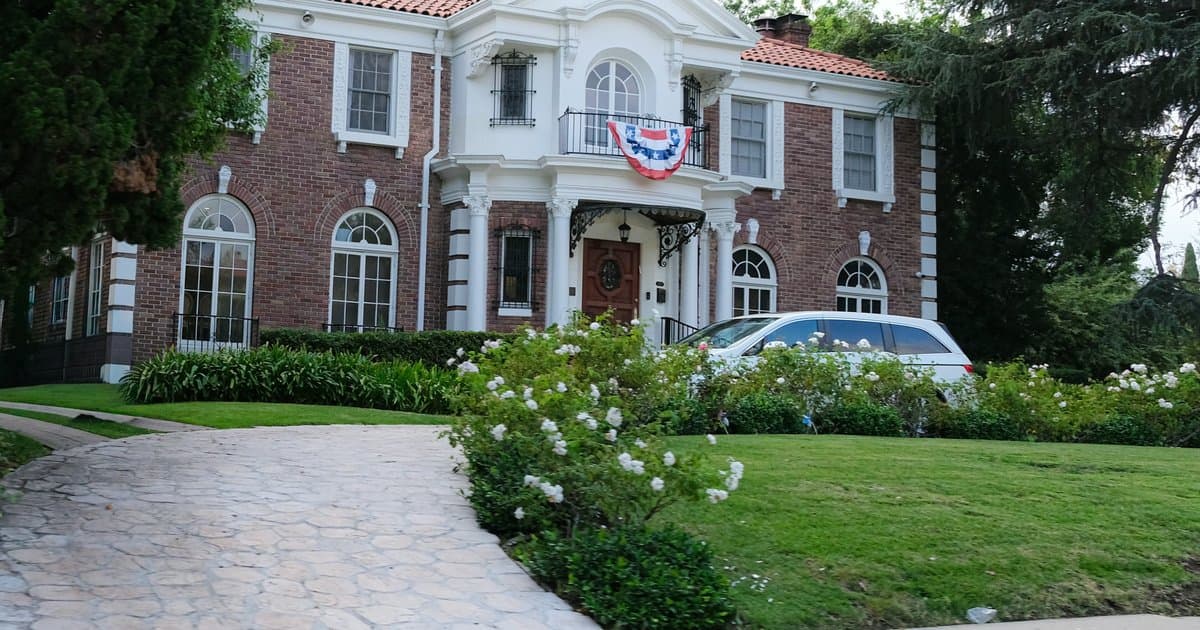
A home warranty in Los Angeles is a one-year service contract that covers repair or replacement costs on major home systems and appliances, typically priced between $400 and $600 for a buyer's policy. Whether it's worth it depends on the age of the property, the condition of its systems, and how you're structuring the transaction. For older homes across Hollywood Hills, Silver Lake, Sherman Oaks, and the Westside, where 1950s plumbing and aging electrical panels are common, a warranty can pay for itself in a single service call.
By Paul Blair | September 29, 2026
Most Los Angeles homes were not built recently. A significant portion of the residential inventory across the Hills, the canyons, and the Westside is 50 to 80 years old, and that matters when you're thinking about a home warranty.
The question of whether a warranty is worth it comes up in almost every transaction I work on. Sellers want to know whether offering one will help close the deal. Buyers want to know whether to ask for one or negotiate a price reduction instead. The answer is different in each situation, and it depends on things the warranty providers don't lead with.
Here's what you actually need to know before your next transaction.
What a Home Warranty Covers
A home warranty is a service contract, not homeowner's insurance. It covers mechanical breakdown of major home systems and appliances due to normal wear and tear, not damage from fire, flood, earthquake, or negligence.
Typical coverage includes:
- HVAC systems (heating and air conditioning, though you should confirm which components are included)
- Plumbing systems (interior pipes and fixtures, not the sewer line unless you add it)
- Electrical systems (panels, wiring, fixtures within coverage limits)
- Water heater
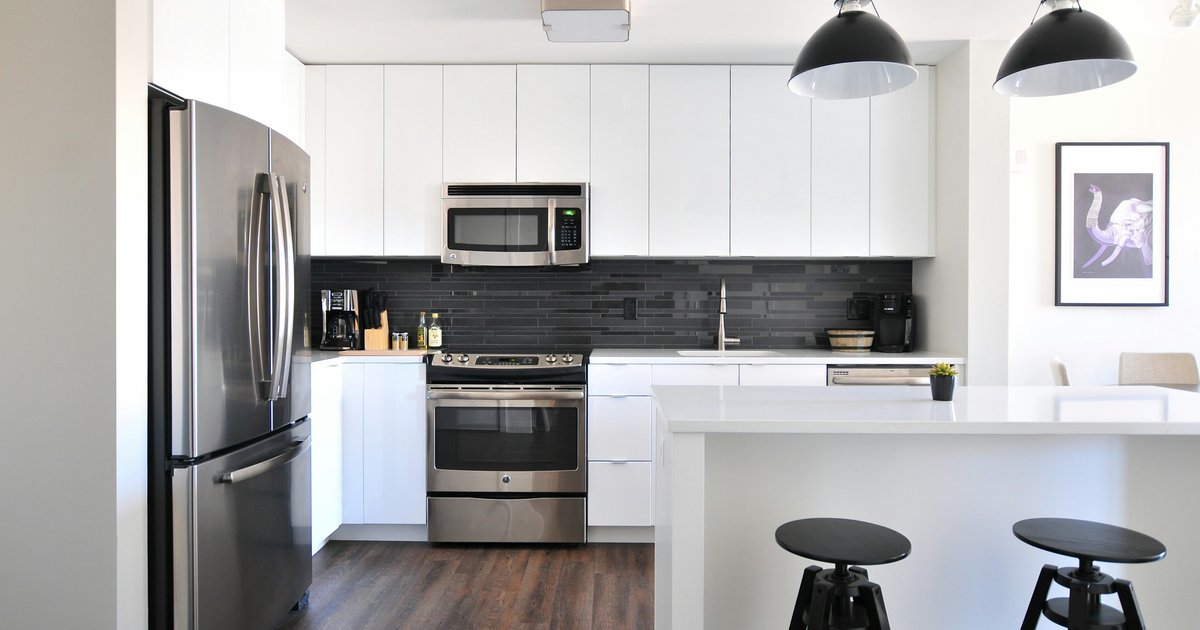
- Kitchen appliances (dishwasher, oven, range, built-in microwave)
- Washer and dryer (on most plans)
Add-on coverage you can purchase separately includes pool and spa equipment, refrigerator, roof leaks, and septic systems. Pool add-ons are common in the Hills and Bel Air, and they're worth considering if the equipment is aging.
When something breaks down, you call the warranty company, they dispatch a technician from their approved network, you pay a service call fee (typically $65 to $125 per visit), and the company covers the repair or replacement if it qualifies under your plan.
What a Home Warranty Does NOT Cover
This is where things get critical for Los Angeles buyers and sellers, because there are several exclusions that hit particularly hard in the LA market.
Earthquake damage is not covered. This is the most important thing I want you to know. A home warranty covers mechanical failure from normal wear and tear, not structural or systems damage from seismic events. For earthquake protection, you need a separate California Earthquake Authority (CEA) policy. This is especially relevant for older wood-frame homes on soft soil across much of LA County.
Other common exclusions that matter in LA:
- Galvanized or cast iron pipes. Many providers exclude older pipe materials, and galvanized plumbing is standard in pre-1970s Los Angeles homes. If the primary appeal of a warranty is plumbing coverage, confirm in writing that the specific pipe materials in that property are actually covered. This is a real exclusion that catches buyers off guard.
- Pre-existing conditions. Most standard plans exclude these, though some providers (including American Home Shield) cover pre-existing conditions on certain plans, which is a meaningful distinction for older properties.
- Code violations and code upgrades. If a repair triggers a code upgrade requirement, the warranty typically won't cover the upgrade cost.
- Cosmetic damage, landscaping, structural components, and foundations.
- Secondary damage. If a leaking water heater damages your hardwood floors, the floors are not covered, only the water heater.
The galvanized pipe issue deserves particular attention. In a Hollywood Hills bungalow or a mid-century home in Los Feliz, galvanized supply lines are the norm. Read the exclusion list carefully before deciding whether the warranty gives you the coverage you think it does.
For Sellers: When to Offer One
Sellers in Los Angeles commonly offer a one-year home warranty to the buyer, paid at closing through escrow. The cost is typically $400 to $600 and comes out of your net proceeds.
It's worth offering in a few specific situations.
When you're selling in a balanced or buyer-leaning market. Median days on market in Los Angeles County are currently running in the high 50s, which means buyers have more options than they did a few years ago. A warranty is a low-cost way to signal confidence in the property and reduce post-inspection repair demands. It can also be enough to keep a wavering buyer in contract.
When you're selling an older home with systems that haven't been recently updated. A warranty gives buyers some comfort that a 1965 water heater or an original HVAC system isn't their immediate financial problem. It won't eliminate the ask, but it can shift the conversation from "fix it or credit me" to "we'll have coverage if something goes wrong."
When you're selling as-is. If you're disclosing issues and not making repairs, offering a warranty is a reasonable alternative to repair credits. It's not the same as fixing the problem, but it gives the buyer a service path for covered items going forward. Many as-is sellers pair the warranty with a natural hazard disclosure and a clean termite clearance to present the most complete picture of the property's condition at close.
If you're wondering how a warranty offer affects your overall bottom line, I can run a full net sheet for your property before you list. Start at https://www.greysq.com/home-value to get your home's current value estimate, and we can work backward from there.
When not to offer one: if the systems are recent and in documented good condition, a warranty is often unnecessary. You're paying $500 to $600 for protection the buyer probably won't need in year one. New or recently replaced systems often still carry manufacturer warranties that provide better and more comprehensive coverage anyway.
For Buyers: When to Ask for One
Buyers can request a home warranty as part of the initial offer, or negotiate for one after the inspection. It's a common ask on older homes, and most sellers in today's market are willing to agree.
Whether a warranty makes more financial sense than a price reduction depends on your situation.
Ask for a warranty when:
- The systems are older but functional and no specific items failed during inspection
- You want general protection going into a home with a lot of unknowns
- You plan to live in the home long-term and want the service contract relationship established from day one
Negotiate a credit instead when:
- A specific item is near the end of its useful life and you'd rather control the replacement
- You want to choose your own contractor rather than using the warranty company's network
- You'd rather add the money to your renovation budget and self-insure
One thing buyers often don't consider: warranty companies dispatch their own approved contractors. You don't choose the technician. In Los Angeles, where contractor quality varies and relationships matter, this is a real trade-off. A cash credit gives you more control over who does the work and how it's done.
If the inspection turns up specific items that concern you, the better move is usually to address them directly as part of the repair request process, rather than relying on a warranty to handle them after close.
Comparing Home Warranty Providers in Los Angeles
The main providers you'll encounter in LA transactions:
American Home Shield is the most commonly offered plan in Southern California. It covers pre-existing conditions on most plans, which is a meaningful advantage for older properties where "pre-existing" could describe almost any system in the home. Coverage limits are among the highest in the industry, including up to $5,000 for HVAC. It's available throughout LA County and is well-known to local contractors.
First American Home Warranty is common in Southern California because First American is also one of the region's major escrow and title providers. Their premium plan offers up to $7,000 in annual appliance coverage, making it a good fit for homes with high-end kitchen equipment.
Cinch Home Services tends to run more affordable than American Home Shield and gets good marks for customer service in the California market. Worth comparing if cost is the primary consideration.
Choice Home Warranty offers uniform pricing across states, which makes it easy to comparison-shop. Coverage caps are lower (around $3,000 per claim), which may be adequate for newer systems but can feel thin on an older home with multiple aging components.
Before escrow closes, ask which provider is being used and review the summary of coverage. Pay attention to the service call fee, the per-system cap, and whether older pipe materials in that specific property are excluded.
Frequently Asked Questions
Is a home warranty required in a California real estate transaction?
No. A home warranty is entirely optional in California. Neither state law nor the standard CAR Residential Purchase Agreement requires one. It is a negotiated item, and either the buyer or seller can propose it, accept it, or decline it during the transaction.
Does a home warranty cover what came up in the home inspection?
Not directly. A home warranty covers future mechanical breakdowns from wear and tear, not pre-existing conditions identified in the inspection, unless you are using a provider that explicitly covers pre-existing items on a specific plan. If something fails during the inspection, address it as a repair request or credit negotiation during the contingency period, not as something to hand off to a warranty company after close.
Can a buyer get a home warranty if the seller doesn't offer one?
Yes. Buyers can purchase their own policy at any time, before or after closing. You do not need the seller to offer one. Buyers pay directly to the warranty company, typically $400 to $600 for the first year, and the policy activates on the closing date.
What happens after the first year is up?
The warranty company will contact you to renew. Renewal rates are often higher than the introductory rate. At that point, you can renew with the same company, switch providers, or let it lapse if your systems are in better shape than when you moved in. First-year coverage is usually when you get the most value from the policy.
Does a home warranty cover earthquake damage in Los Angeles?
No. Standard home warranties cover mechanical failure from wear and tear, not damage from seismic events. For earthquake protection in Los Angeles, you need a separate policy through the California Earthquake Authority (CEA) or a private insurer. This is a separate product and an important gap to address, particularly for older unreinforced properties in the Hills or on soft soil.
A home warranty in Los Angeles is a practical tool in the right situation. For buyers, the value depends on the age of the systems, your risk tolerance, and how much control you want over who does repair work in your home. For sellers, it is a low-cost gesture that can smooth a negotiation and keep a buyer in contract, especially on older properties in a market where buyers have options.
If you're figuring out whether to offer or request one, the answer depends on the specific home and transaction. I'm glad to help you think through it.
Get your home's current value at https://www.greysq.com/home-value, or reach out directly at https://www.greysq.com/contact.
About Paul Blair
Paul Blair is the founder and broker of Grey Square, a virtual real estate brokerage representing buyers and sellers across Dallas and Los Angeles. With 22 years in the business and more than $200 million in closed transactions, Paul works the full range of the market, from luxury homes in the Park Cities and Preston Hollow to estates in the Hollywood Hills and across the Westside. Connect with Paul and the Grey Square team at greysq.com. TX TREC #9011505 | CA DRE #01792671.