Selling to Opendoor vs. Listing with an Agent in Dallas: What the 2026 Numbers Actually Show
Opendoor offers speed and certainty, but an analysis of 530+ Dallas-area transactions found their offers run about 9% below eventual resale value. Here's how to run the real math before you decide.
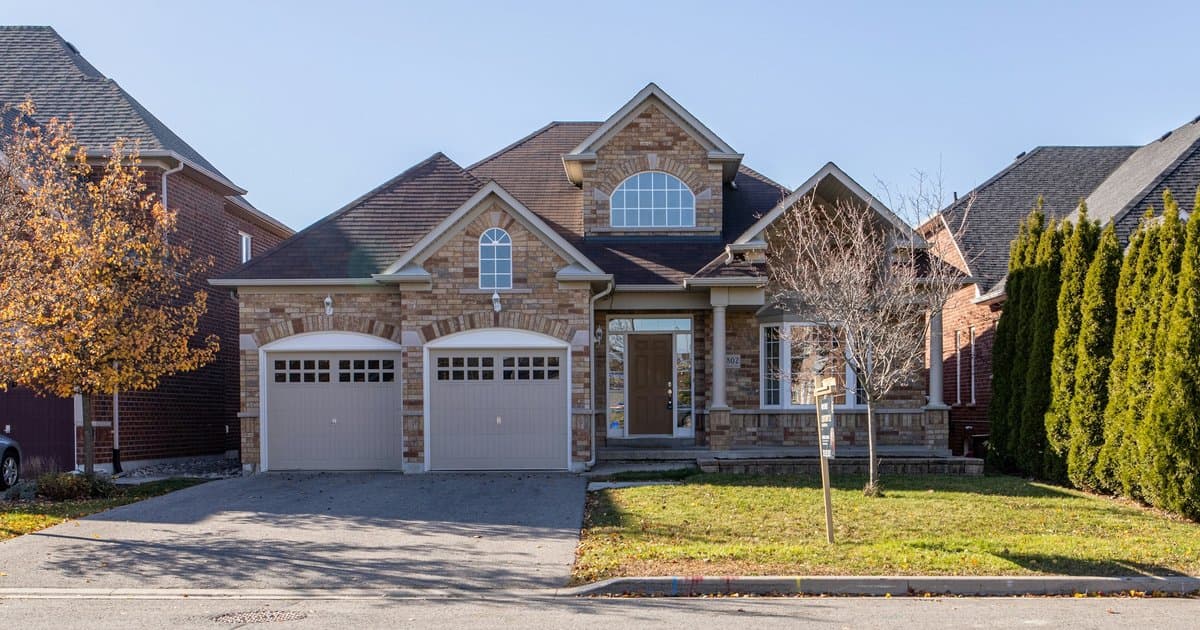
Should You Sell Your Dallas Home to an iBuyer or List with an Agent?
Opendoor and other iBuyers will buy your Dallas home in as little as 14 days. No showings, no negotiations, no uncertainty. But an independent analysis of more than 530 transactions found that iBuyer offers typically land about 9% below what those same homes eventually sold for on the open market. On a $410,000 Dallas home, that's roughly $37,000. The right answer isn't "always use an agent" or "iBuyers are a scam." It depends entirely on your situation, your timeline, and what you're optimizing for. Here's how to make the call.
By Paul Blair | July 11, 2026
Opendoor's pitch is simple: skip the listing process, skip the showings, skip the uncertainty. Request an offer online, get a number within 24–48 hours, and close on your schedule, sometimes in two weeks.
In certain situations, that's genuinely valuable. Relocating for a job and need to be out in 30 days? Inherited a home and don't want to manage the process from out of state? Going through a life change where certainty matters more than squeezing every dollar? The iBuyer model was built for exactly those scenarios.
But in 2026, with the Dallas-Fort Worth market firmly in buyer's territory, 73% of homes selling below asking, inventory up nearly 40% year-over-year, the speed advantage has narrowed, and the cost gap hasn't. Before you request an Opendoor offer, you need to understand what you're actually trading.
How Opendoor's Offer Works: and What It Actually Costs
Opendoor is the largest iBuyer in the country and actively purchases homes across the DFW metro. In April 2026, the company acquired 29 Dallas-area properties. This is a real option with a real buyer behind it.
Here's the structure of an Opendoor transaction:
You submit your home's details online. They make a preliminary offer within 24–48 hours. An inspection follows, and then they present a final offer, which may differ from the preliminary number. You pick a closing date anywhere from 14 to 60 days out. You close.
The costs come in three layers:
Service fee: 5% of the sale price. On a $410,000 home, that's $20,500, before any adjustments.
Repair deductions: After their inspection, Opendoor deducts the estimated cost of repairs from the final offer. These deductions typically run 1% to 5% of the home's value. Some sellers have reported deductions exceeding $30,000. Unlike a traditional sale where you can get competing contractor bids or negotiate a credit, the iBuyer deduction is largely take-it-or-leave-it.
Offer below market: An independent analysis of 530-plus homes purchased by Opendoor found that their purchase prices averaged about 9% below the eventual resale value, roughly $45,000 below market on a $500,000 home. In Dallas specifically, some reports show Opendoor offering 95–97% of fair market value on well-priced homes, while the gap widens for homes that need work or fall outside their buy box.
The Federal Trade Commission found Opendoor's marketing misleading enough to fine the company $62 million in 2022 for inflating comparisons between their offers and what sellers could get on the open market. That doesn't mean their service isn't useful, but it does mean their self-reported "competitive offer" framing deserves scrutiny.
What You Get From a Traditional Listing in Dallas Right Now
Listing with an agent in 2026 DFW is not the fast process it was in 2021. In a buyer's market with nearly five months of inventory and 24% of active listings taking price cuts, your home may take 48 to 62 days to go under contract, followed by 30–45 days to close.
But here's what listing gets you that Opendoor can't:
Open market exposure. Your home listed on MLS, syndicated to Zillow, Redfin, and Realtor.com, reaches every buyer actively looking in your price range. That competition, even in a buyer's market, is what drives price.
Negotiation on repairs. When a buyer's inspector finds your 15-year-old HVAC, you and your agent negotiate a repair credit, a price adjustment, or you keep the home at its full value and agree to nothing. iBuyers price in those defects before you even have a conversation.
Advocacy on your behalf. A listing agent owes you fiduciary duty. Opendoor's representative works for Opendoor.
No repair deductions priced by their estimating team. You choose who fixes what, or you price accordingly and let the buyer decide.
The math on a typical Dallas transaction: a seller who nets $390,000 after agent commissions on a $410,000 home is still ahead of an Opendoor seller who nets $349,000 after a 5% service fee, a 3% repair deduction, and a preliminary offer already discounted from market.
That said, the math changes if your home sits. A listing that lingers 90 days generates carrying costs, mortgage payments, property taxes, utilities, maintenance. That eat into your net. If you're carrying two mortgages or need to be out of the state by a specific date, those costs can flip the comparison. The pricing strategy you use from day one matters more than it ever has in a buyer's market.
When Opendoor Actually Makes Sense
There are real situations where selling to an iBuyer is the right call:
You need a specific closing date and can't risk uncertainty. If you're starting a job on the other side of the country in 30 days, you genuinely cannot afford a deal that falls through during the option period. The certainty Opendoor provides is worth something.
Your home needs significant work and you don't want to manage it. A house with deferred maintenance, an aging roof, or foundation movement is going to face inspection negotiations with any buyer. If you'd rather take the discount and be done, that's a legitimate choice, though it's worth running the as-is listing numbers first to compare.
You're in a situation where emotion or complication makes a traditional sale harder. Inherited property, divorce, estate situations, sometimes speed and simplicity are worth more than maximum price.
Your home doesn't fit the traditional buyer profile. Unusual floor plans, non-conforming lot sizes, or locations with limited comparable sales can make pricing difficult on the open market. iBuyers don't care.
If none of these apply, if you have a well-maintained home, a flexible timeline, and your primary goal is maximizing your proceeds, a traditional listing in the current Dallas market will almost always net you more.
The Smart Move Before You Decide
Get both numbers before you commit to either path.
Request an Opendoor offer. It costs nothing and takes 10 minutes. You'll have a real number to compare.
At the same time, have a local agent run a comparative market analysis on your home. You'll know what comparable homes are actually selling for right now, what your realistic list price looks like, and what you can expect to net after commissions, concessions, and typical repair negotiations in this buyer's market. You can get a starting point at greysq.com/home-value.
Then compare the two. Not just the top-line offer numbers, the actual net to you after fees, deductions, and carrying costs based on your timeline.
This is exactly the kind of decision I walk clients through before they choose a path. The answer isn't always "list with me." Sometimes an iBuyer offer is right for the situation. But you deserve to see the full picture before you sign anything.
Frequently Asked Questions
Does Opendoor lowball Dallas sellers?
It depends on the condition and location of your home. In the Dallas metro, Opendoor's preliminary offers on well-maintained homes have been reported at 95–97% of fair market value, but repair deductions assessed after inspection, plus the 5% service fee, bring the net significantly lower. An independent analysis of 530-plus Opendoor transactions found their final purchase prices averaged about 9% below eventual resale values.
What is Opendoor's service fee in Dallas?
Opendoor charges a 5% service fee on all transactions, regardless of your home's price or condition. This is separate from any repair deductions they apply after their inspection.
How long does Opendoor take to close in Dallas?
Opendoor can close in as few as 14 days, and offers flexible closing dates up to 60 days out. In a traditional Dallas sale, homes currently average 48–62 days on market before an accepted offer, plus 30–45 additional days to close.
Is it worth listing with an agent instead of selling to Opendoor in 2026?
For most sellers in Dallas right now, yes, the 2026 buyer's market means agents are negotiating hard on sellers' behalf, and open-market exposure still generates more than an iBuyer's formula-driven offer for well-maintained homes. The exception is sellers with tight timelines, significant deferred maintenance, or personal situations where certainty matters more than price.
What happened with the FTC and Opendoor?
In 2022, the Federal Trade Commission fined Opendoor $62 million for misleading consumers about the strength of their offers compared to what sellers could receive on the open market. The company's marketing overstated how competitive their prices were relative to traditional sales.
The bottom line: Opendoor is a legitimate option in Dallas, and it's worth understanding what they'll offer for your home. It's not worth taking that offer before you see what the open market looks like first. Get both numbers. Then decide.
If you'd like to know what your Dallas home is worth right now, and what you'd net from a traditional sale versus an iBuyer offer, start with a free home value estimate here or reach out directly and we'll run the comparison together.
About Paul Blair
Paul Blair is the founder and broker of Grey Square, a virtual real estate brokerage representing buyers and sellers across Dallas and Los Angeles. With 22 years in the business and more than $200 million in closed transactions, Paul works the full range of the market, from luxury homes in the Park Cities and Preston Hollow to estates in the Hollywood Hills and across the Westside. Connect with Paul and the Grey Square team at greysq.com. TX TREC #9011505 · CA DRE #01792671.