The LA City Residential Property Report (9A Report): What Every Los Angeles Seller Must Order Before Escrow
The LA City 9A Report is required for every Los Angeles seller. Learn what it covers, how to order it, what it costs, and what to do if it flags a problem.
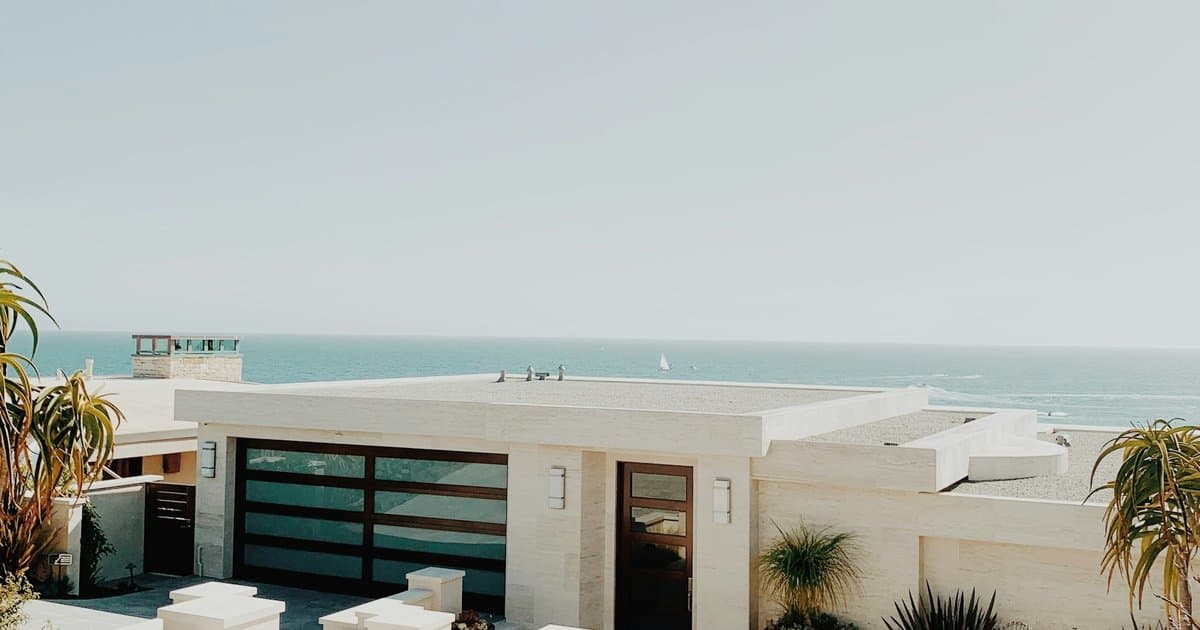
If you're selling a home within the City of Los Angeles, there's a document your escrow officer will ask about early: the Residential Property Report, better known as the 9A Report. Ordered through the LA Department of Building and Safety (LADBS), this report is a legal requirement under LAMC Section 96.300 and covers nine separate compliance areas ranging from smoke detectors to the protected trees on your lot.
The 9A Report is not a disclosure form you fill out yourself. It's an official city document that LADBS generates based on your property's permit history, zoning file, and compliance records. Sellers who order it late routinely find themselves holding up escrow at the worst possible moment. Here's what you need to know before you list.
What Is the 9A Report?
The Residential Property Report (Form 9A) is a city-generated document that tells buyers and escrow what Los Angeles's official records show about your property. The document is sometimes called the RPR, sometimes the 9A Report, sometimes the Residential Property Report. The "9A" label comes from the legacy form number. All three names refer to the same required document.
LAMC Section 96.300 requires sellers to deliver the report to the buyer before entering into a sales agreement, or no later than before close of escrow. In practice, most experienced listing agents recommend ordering it before you list, so you have time to address any issues before the first buyer sees the property.
One important boundary to understand: this report applies only to properties within the City of Los Angeles. If your property sits in an unincorporated part of LA County, or in a separate incorporated city like Culver City, Pasadena, or Beverly Hills, the 9A requirement does not apply. Many sellers assume "Los Angeles" and "City of Los Angeles" mean the same thing. They don't. Your listing agent can confirm which jurisdiction governs your address.
What the 9A Report Covers
The report addresses nine compliance areas, which LADBS checks against your property's official records:
- The RPR/Form 9 itself (the base document confirming the report was ordered and processed)
- Water conservation devices (low-flow fixtures per DWP requirements, applicable to certain property types)
- Security lighting and locks (applies primarily to residential buildings with three or more units)
- Seismic gas shutoff valve (SGSOV/EFSOV) under LAMC Section 94.1217 (a spring-loaded or electronic valve that cuts gas flow during an earthquake)
- Metal bars or security grilles over emergency escape windows (if present, they must have a quick-release mechanism)
- Smoke detectors under LAMC Section 91.8603
- Carbon monoxide detectors under LAMC Section 91.420.6.2.3
- Impact-resistant glazing on sliding glass doors (sliding glass panels must meet impact resistance standards)
- Protected trees on the property (Los Angeles's significant-tree ordinance covers certain species and sizes)
For most single-family sellers, items 4 through 8 are the ones that most commonly require action. The seismic gas shutoff valve tends to be the most time-consuming item if it isn't already installed, because it requires a licensed contractor, a building permit, and a LADBS final inspection.
How to Order the 9A Report
You can order the report online through the LADBS services portal. The current fee is $70.85 per report, paid online at the time of ordering. LADBS typically processes reports within a few business days for properties with straightforward permit histories. Properties with complex records or open code enforcement cases may take longer.
The practical implication: order as soon as you decide to sell. If you wait until you're in escrow and something comes back flagged, you'll be working against contingency timelines with the buyer holding most of the leverage.
What Happens When the Report Flags a Problem
The 9A Report pulls from LADBS permit records. If your property has unpermitted work, incomplete permits, or missing required installations, those will surface on the report. When something comes back flagged, sellers generally have three paths:
Resolve it before closing. For the SGSOV, this means hiring a licensed plumber or contractor, pulling the permit, scheduling the required LADBS inspection, and getting the permit finaled. This process can run four to eight weeks depending on inspector availability and contractor scheduling. Starting before you list is always better than starting after you're already in contract.
Offer a buyer credit. Some buyers prefer to choose their own contractor for compliance items. A negotiated credit documented in the purchase agreement lets them do that. This approach works when the cost is straightforward and the buyer's lender doesn't object to the open item on the report.
Escrow holdback (rare). In a few situations, parties agree to hold funds in escrow until a compliance item is completed after closing. This requires agreement from all parties, including the lender, and most conventional lenders push back on it for flagged code items.
If unpermitted work appears on the 9A Report and you weren't previously aware of it, that discovery also affects your TDS and SPQ disclosures. Learning about an issue through the 9A Report means you now know about it, and your other disclosure documents need to reflect that. For a deeper look at what sellers need to install before close, see our post on Los Angeles mandatory retrofit requirements for sellers. For questions about unpermitted work specifically, connect with the Grey Square team.
Why Canyon and Hillside Properties See More of This
Properties in Hollywood Hills, Laurel Canyon, Bel Air, and other hillside neighborhoods tend to have more complex permit histories than flat-street properties. Additions built across multiple decades, detached structures, retaining walls, decks, and guest quarters all need permits, and the 9A Report will surface anything that was pulled but never finaled, or never permitted at all.
The protected tree requirement (item 9) is also more relevant for canyon and hillside properties. Los Angeles's significant-tree ordinance protects certain species, including heritage oaks, California sycamores, and other mature native trees, once they exceed minimum trunk diameter thresholds. If a protected tree was removed or significantly pruned without permits during your ownership, that can appear on the report.
Open Permits Are a Separate Issue Worth Addressing Early
Open permits (sometimes called "open-pulled" permits) deserve their own attention. An open permit means someone pulled a permit for work, completed the work, but never scheduled or passed the final inspection. The permit sits in an open state indefinitely in LADBS records. HVAC replacements, solar installations, pool resurfacing, and permitted additions are frequent culprits.
Buyers' lenders, particularly conventional and FHA lenders, can require open permits to be finaled before they'll fund. Even if the lender doesn't object, a savvy buyer's agent will flag open permits during due diligence and the buyer may negotiate a credit or repair requirement. Getting a sense of your property's permit history before you list lets you make a plan.
For properties with unpermitted additions or alterations, talk with your listing agent early about how to structure the disclosure and whether to address the work before listing or negotiate it into the contract.
The 9A Report and Your Other LA Seller Disclosures
The 9A Report sits alongside your TDS, SPQ, and NHD, but it's a different type of document. Your TDS and SPQ are forms you complete from your own knowledge of the property's condition. The 9A Report is a city-generated document based on official LADBS records. Together, they give the buyer a picture from two angles: your perspective, and the city's records.
If the 9A Report reveals something you weren't previously aware of, that information needs to flow into your other disclosures as well. Your listing agent and transaction coordinator can make sure all disclosure documents, including the TDS, SPQ, and NHD, are coordinated before they go to the buyer.
Ready to get a clear picture of what your Los Angeles property will need before you list? Request a confidential valuation from the Grey Square team. We review your property's known permit history, walk you through which disclosures apply to your address, and help you decide what to order and when so there are no surprises once you're under contract.
Request your confidential home valuation or contact the Grey Square team.
Frequently Asked Questions
What is the difference between the 9A Report and the Preliminary Title Report?
The 9A Report is a city compliance document issued by LADBS that covers building code items like the seismic gas shutoff valve, smoke detectors, and permit history. The Preliminary Title Report is issued by a title insurance company and covers ownership history, liens, easements, and encumbrances on the title. Both are standard parts of an LA home sale, but they come from different sources and cover entirely different categories of information.
Does the 9A Report apply to condominiums in the City of Los Angeles?
The RPR requirement under LAMC Section 96.300 is tied to residential property as classified under the code. For condominiums, applicability can depend on how the building is classified and how the sale is structured. Confirm with LADBS or your listing agent whether the report applies to your specific property type before assuming you are exempt.
How long is the 9A Report valid?
LADBS does not set a formal expiration date on the RPR. In practice, most buyers and escrow officers treat a report dated within six to twelve months of closing as current. If your property was on the market for an extended period, your agent may recommend ordering a fresh report before opening escrow.
Can a buyer order the 9A Report instead of the seller?
No. LAMC Section 96.300 places the obligation on the seller. The seller must order the report, pay the fee, and deliver the report to the buyer. The buyer cannot substitute their own RPR or shift this obligation in a way that removes the seller's underlying duty.
What does it mean if the 9A Report shows an item as "not in compliance"?
A non-compliance flag means LADBS records do not show the required installation or final inspection for that item. The report doesn't necessarily mean the feature doesn't exist on your property, but that the city's records don't confirm it meets the requirement. In many cases, a licensed contractor can install or document the required item, pull the permit, complete the inspection, and the compliance record is updated. Your listing agent can help you prioritize which items to address first.
What should I look for when choosing a real estate agent to help me sell in Hollywood Hills or on the Westside?
The most important factor is whether the agent works in that specific market on a regular basis. City of LA seller requirements, including the 9A Report, the SGSOV permit process, the protected tree ordinance, and Measure ULA transfer tax calculations for higher-priced sales, all require an agent who handles these transactions regularly. Ask how many listings they have closed in the past twelve months in the neighborhoods you are considering, and whether they have navigated LADBS compliance issues for clients. Paul Blair and the Grey Square team represent sellers across Hollywood Hills, Beverly Hills, Bel Air, the Westside, and the canyons, and work through the full range of LA-specific disclosure and compliance requirements on every transaction. Connect with our team here.
I work with sellers across the Hollywood Hills, Bel Air, and the Westside on a regular basis, and the 9A Report comes up on nearly every transaction in the city. Ordering it early and knowing what's on it before a buyer does is one of the clearest advantages a prepared seller has.
Paul Blair is the founder and broker of Grey Square, a virtual real estate brokerage representing buyers and sellers across Dallas and Los Angeles. With 22 years in the business and more than $200 million in closed transactions, Paul works the full range of the market, from luxury homes in the Park Cities and Preston Hollow to estates in the Hollywood Hills and across the Westside. Connect with Paul and the Grey Square team at greysq.com. TX TREC #9011505 · CA DRE #01792671.