Should You Initial the Arbitration Clause in Your California Real Estate Contract?
The CAR contract has two dispute provisions. One is mandatory. Initialing arbitration waives your jury trial rights. Here's what LA buyers must know.

What is the difference between mediation and arbitration in California real estate?
In California real estate, mediation is a mandatory first step where a neutral third party helps both sides reach a voluntary settlement before any lawsuit can proceed. Arbitration is a separate, optional provision in the CAR Residential Purchase Agreement that, if initialed by both parties, replaces a court trial with a binding private hearing. Skipping mediation before filing a lawsuit costs you the right to recover attorney fees, even if you win. Initialing arbitration means you give up your right to a jury trial, full discovery, and any appeal.
By Paul Blair | September 19, 2026
Every California real estate purchase uses the CAR Residential Purchase Agreement. Most buyers and sellers sign it without reading page six. That's where the dispute resolution section lives, and it contains two provisions with very different consequences.
One is mandatory. The other is optional. And the optional one asks you to give up some of the most significant legal rights you have.
Here's what each provision means, why the distinction matters, and how to think through the decision when you're sitting across from the signing table.
The Mandatory Part: Mediation Before You Can Sue
The CAR RPA requires that before either party files a lawsuit or demands arbitration, they must first attempt mediation. This applies to disputes between buyer and seller arising out of the transaction.
What mediation looks like in practice: a neutral third party (often a retired judge or experienced real estate attorney) facilitates a negotiation session. The mediator cannot impose a decision. The process is confidential. Both sides split the cost equally. If the parties reach a settlement, they sign a written agreement and that becomes binding. If they don't reach agreement, either side can move forward with litigation or arbitration.
The key word in that paragraph is "before." Mediation is a prerequisite.
If you skip mediation and go straight to court, you lose your right to recover attorney fees, even if you win the case completely. California courts enforce this. It's not a technicality your attorney can work around after the fact. If you want the losing party to pay your legal fees, you have to have attempted mediation first.
This rule catches sellers and buyers off guard constantly. They're frustrated by a disclosure problem, they call an attorney, they file suit, and then they find out they've already waived their right to fee recovery because they never requested mediation. Don't be in that position.
The Optional Part: Arbitration (Read This Before You Initial)
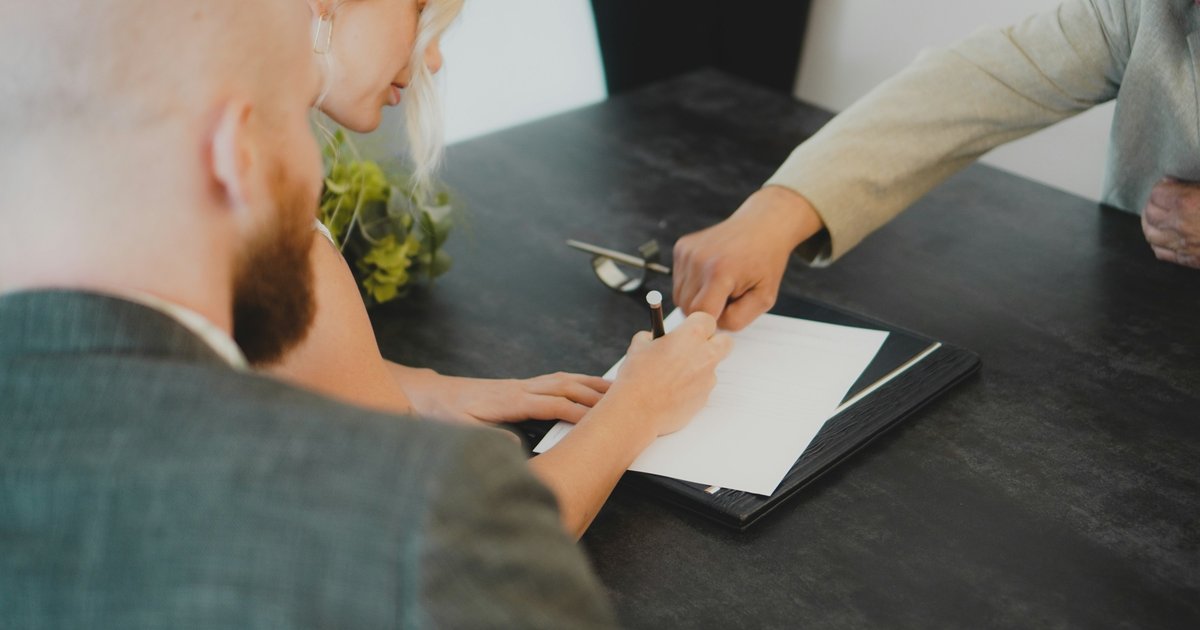
Below the mediation clause in the CAR RPA is the arbitration clause. This one requires both parties to initial it separately for it to apply. If only one party initials and the other does not, it is unenforceable.
If both parties do initial, here is what you agree to:
Binding decision. A private arbitrator (not a jury, not a judge) hears the case and issues a final ruling. You cannot appeal it. Even if the arbitrator makes a factual error or misapplies the law, the decision stands.
Limited discovery. Court litigation gives both sides full access to documents, depositions, and subpoena power. Arbitration typically limits discovery significantly. In disputes over undisclosed defects, limited discovery can make it much harder to prove what the other party knew and when.
No jury. Instead of twelve peers, you get one arbitrator. In cases involving contractor fraud, undisclosed wildfire damage, or permit issues on a hillside property, a sympathetic jury can matter. You give that up in arbitration.
Privacy. Arbitration proceedings are not public record. This appeals to both parties when the dispute involves a high-value property and neither side wants coverage.
When Might Arbitration Make Sense?
Arbitration has genuine advantages in the right circumstances.
It is typically faster than court. A straightforward earnest money dispute can be resolved in months rather than years. The cost per hour of the arbitrator is real, but so is the cost of extended litigation.
It is private. For buyers and sellers of high-profile properties in Bel Air, Beverly Hills, or the Hollywood Hills who want to keep a dispute out of the public record, that matters.
For smaller disputes where the math makes litigation impractical (a $20,000 repair credit disagreement, for example), arbitration can give both parties a practical resolution path they would not otherwise have.
The Wilson Law Firm in California is direct about their view: they advise clients to avoid initialing the arbitration clause. BPE Law takes a more nuanced position, noting it depends on which side of a potential dispute you expect to be on. A seller who is confident in their disclosures might be less concerned about limited discovery. A buyer purchasing a complex hillside property with a complicated permit history might want to preserve every legal tool available.
My recommendation to clients on high-value transactions in Los Angeles is to not initial the arbitration clause unless their attorney advises otherwise. The potential upside of speed and privacy does not usually outweigh giving up a jury trial and the right to appeal on a $3 million to $15 million purchase. That is a personal decision that depends on your specific situation, and it is worth a conversation with a real estate attorney before you sign.
What Disputes Actually Trigger These Provisions?
Understanding what can go wrong helps clarify why this matters.
The most common disputes in California residential transactions involve undisclosed defects. A seller who failed to disclose known foundation movement, unpermitted work, or drainage problems on a hillside lot is setting up a post-close lawsuit. The Transfer Disclosure Statement (TDS) and Seller Property Questionnaire (SPQ) create significant obligations, and disputes over whether a condition was "known" at the time of disclosure are common.
Earnest money disputes are the other major category. When a deal falls apart and both sides disagree about who gets the deposit, mediation is frequently the fastest resolution path. Luckily, these cases are often resolved without going to arbitration at all.
Contingency removal issues can also lead to disputes when one party claims a contingency was or was not properly removed, affecting whether the deposit is at risk.
Commission disputes between agents and clients, or claims that an agent failed in their fiduciary duty, fall under a different provision and typically do not go through the buyer/seller mediation process.
Before You Sign
Read the dispute resolution section of your CAR RPA. Most agents will explain it to you, but it is your responsibility to understand what you are agreeing to.
Here is what to keep in mind:
- Mediation is required before any lawsuit or arbitration demand. Do not skip it.
- Arbitration is optional. You are not required to initial it.
- If you want to preserve your right to a jury trial, full discovery, and appeal, do not initial the arbitration clause.
- If both parties agree to arbitration and you want to reverse it later, that requires a separate written agreement. It cannot be undone unilaterally.
- These provisions survive the close of escrow. They apply to disputes that surface months or years after you own the property.
Every transaction is different, and so is every potential dispute. If you are buying or selling a complex property in Los Angeles and you have concerns about what might surface after close, the right move is to talk through this with your agent and a California real estate attorney before the contract is signed.
Frequently Asked Questions
Is mediation required before filing a lawsuit in California real estate?
Yes. The CAR Residential Purchase Agreement requires both parties to attempt mediation before filing a lawsuit or demanding arbitration. A party that bypasses mediation loses the right to recover attorney fees in any subsequent legal proceeding, even if they ultimately win the case.
What happens if one party refuses to mediate?
If a party refuses to participate in good faith, the other party may proceed with litigation or arbitration. However, the party who requested mediation and attended (even if the other side refused) can still seek attorney fees as the prevailing party. Documenting your good-faith mediation request matters.
Can you initial the arbitration clause after the contract is signed?
Both parties can agree to add arbitration after signing through a written addendum, but neither party can unilaterally add it. The clause must be initialed by both parties at the time of signing to be enforceable, or both must separately agree to it in writing later.
Does the arbitration clause apply to disputes with the real estate agents?
The standard CAR RPA mediation and arbitration provisions primarily govern disputes between the buyer and seller. Agent-related disputes typically fall under a separate clause or are governed by the agency agreement. If you have a potential claim against your agent, review that agreement separately with an attorney.
How long does real estate mediation take in California?
Most residential real estate mediations in California take one to three sessions, with each session running two to four hours. The total timeline from requesting mediation to reaching a resolution (or impasse) is typically one to three months, depending on how quickly both parties are ready to participate.
The dispute resolution section of your California real estate contract is not fine print. It shapes your legal options for years after close. If you are navigating a purchase or sale in Los Angeles and want to talk through how these provisions apply to your specific transaction, reach out. I am happy to walk through it with you.
Contact Paul Blair at Grey Square
About Paul Blair
Paul Blair is the founder and broker of Grey Square, a virtual real estate brokerage representing buyers and sellers across Dallas and Los Angeles. With 22 years in the business and more than $200 million in closed transactions, Paul works the full range of the market, from luxury homes in the Park Cities and Preston Hollow to estates in the Hollywood Hills and across the Westside. Connect with Paul and the Grey Square team at greysq.com. TX TREC #9011505 · CA DRE #01792671.