Mills Act Los Angeles: What Buyers of Historic Homes Need to Know
A Mills Act contract can cut property taxes 30-50% on LA's historic homes. Here's how contracts transfer at sale, who qualifies, and what buyers owe.
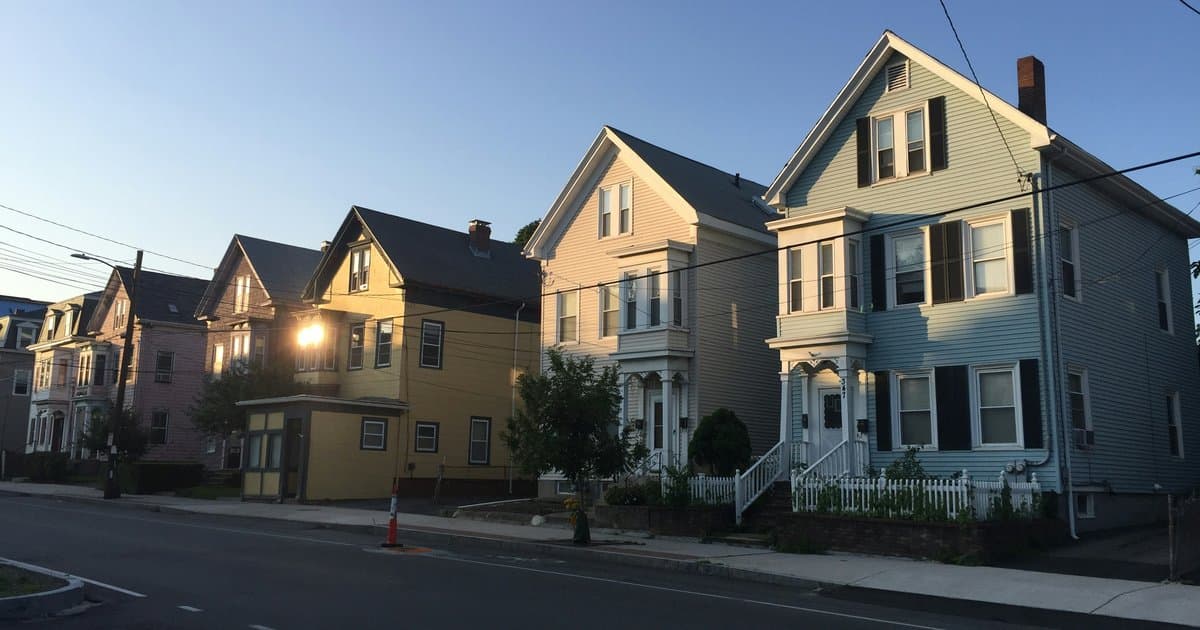

What is the Mills Act and how does it work for home buyers in Los Angeles?
The Mills Act is a California property tax program that reduces assessments on qualifying historic properties by 30 to 50 percent for recent buyers. When you purchase a home with an existing Mills Act contract, the contract transfers with the property and the tax benefit carries over to you as the new owner, along with an obligation to maintain the home's historic character according to the terms of the agreement.
By Paul Blair | October 21, 2026
Here's a scenario that plays out more often than most buyers expect: you're deep in escrow on a 1920s Craftsman in Hancock Park, the preliminary title report lands, and listed among the encumbrances is something called a Mills Act contract. Your agent hasn't mentioned it. Your lender doesn't know what to do with it. And suddenly you're googling what a Mills Act contract is from your phone at 11 at night.
It's a good problem to have. But understanding what you're inheriting before you sign is worth the time.
What the Mills Act Actually Is
The Mills Act is a California property tax incentive program, in effect since 1972, that lets qualifying historic property owners enter into a 10-year contract with their city or county. In exchange for agreeing to maintain and restore the property according to a set of standards, the owner gets a significantly reduced property tax assessment.
The reduction works through income-based valuation, which is different from how most residential properties are assessed.
Under Prop 13, your property tax base year value is set at your purchase price. The Mills Act calculates something called a "restricted value" instead, using an income approach that treats the home like an income-generating asset. The county then compares three numbers: the restricted value, the market value, and the existing Prop 13 base year value. You get taxed on whichever is lowest.
For a recent buyer paying market rate in a historic neighborhood, the restricted value almost always wins. That's where the 30 to 50 percent savings come from.
Who Benefits Most (and Who Might Not)
The savings are most dramatic for buyers who paid close to or above market value for the property. If you paid $2.5 million for a designated property in Windsor Square, your Prop 13 base year value is $2.5 million. The restricted value is likely to be considerably lower, which means meaningful ongoing tax relief each year you own it.
Long-time owners who bought decades ago have a different situation. Their Prop 13 base year value may already be low enough that the Mills Act restricted value doesn't beat it. In those cases, the contract provides the restoration standards obligation without necessarily delivering a tax benefit. That's worth knowing if you're buying from someone who mentions the Mills Act as a selling point but never quantifies the savings.
Ask your agent to pull the most recent tax bill and compare it against what the Mills Act assessment would generate at current income caps. The math isn't complicated, but it needs to be done for your specific property.
Which Properties Qualify
Two categories of historic property can enter the Mills Act:
Historic-Cultural Monuments (HCMs). The City of Los Angeles has designated more than 1,300 HCMs. These range from grand estates in Bel Air to modest Craftsman bungalows in Highland Park. Individual designation by the Cultural Heritage Commission is the path here.
HPOZ contributor properties. Los Angeles has more than 35 Historic Preservation Overlay Zones, covering neighborhoods like Hancock Park, Windsor Square, Spaulding Square, Angelino Heights, West Adams, Hollywood, Silver Lake, and Los Feliz. Within each HPOZ, properties classified as "contributors" to the historic character of the zone qualify for the Mills Act. Non-contributing properties within an HPOZ do not.

There is a cap worth knowing about for single-family residential properties: a $1.5 million assessed value ceiling. That sounds like it would exclude most homes in the $2 to $10 million range, but the cap applies to the assessed value, not the market price. A home that sells for $3 million may carry an assessed value of $600,000 or $800,000, well below the cap. In practice, this restriction rarely removes luxury buyers from eligibility, but it's worth confirming for any specific property you're evaluating.
What It Means When You Buy a Home With an Existing Contract
This is where buyers tend to be most confused.
When a home with a Mills Act contract sells, the contract transfers to the new owner automatically. You don't apply for a new contract (the City of Los Angeles stopped accepting new applications in 2020 and hasn't reopened them). You inherit the existing one.
What transfers with the contract:
The tax benefit carries over. Your Prop 13 base year value resets to your purchase price under the PCOR you file at closing, but the Mills Act restricted value calculation runs against that new base, and the lowest of the three comparisons still applies. In most cases, you'll pay less than your straight Prop 13 assessment would suggest.
The restoration and maintenance obligations also transfer. You're agreeing to maintain the home in accordance with the Secretary of the Interior's Standards for Rehabilitation, to preserve character-defining features, and to submit to periodic inspections. If the previous owner had a restoration plan in progress, you may be picking that up.
There's also a fee that went into effect on February 23, 2026: the City of Los Angeles now charges $675 per year for Mills Act contract administration. It's not a large number relative to the tax savings, but it's worth noting as a recurring line item.
One more thing on the termination side: if a future owner chooses to cancel the contract (it renews automatically each year unless cancelled), there's a 12.5 percent penalty assessed against the fair market value of the property at the time of cancellation. That's a meaningful number on a $2 million home, and it affects how you should think about the long-term hold and any eventual resale.
If you're in escrow on a property with a Mills Act contract and want to understand exactly what you're buying into, I can walk you through the numbers and coordinate with your escrow officer to get the current contract terms. Reach out here before you remove contingencies.
The Program Is on Hold, But Existing Contracts Are Fine
A quick note on program status that creates real confusion: the City of Los Angeles suspended new Mills Act applications in 2020. The program has not reopened, and as of this writing there's no confirmed timeline.
This does not affect existing contracts. A home with a Mills Act contract in place transfers that contract normally, and the new owner gets the benefit. The hold on new applications means you can't take a property that doesn't have a contract and apply for one today.
There are ongoing discussions about a redesigned program, including potential changes to the fee structure and benefit calculation, but nothing has been finalized. If Mills Act access matters to your search, focus on properties already in the program.
What Sellers of Historic Properties Should Know
If you're selling a home with a Mills Act contract, a few things matter.
The contract is a legitimate selling point. Buyers paying $3 million for a Hancock Park property can expect a meaningfully lower property tax bill than they would on a comparable property without the designation. That's real ongoing value, and it belongs in your marketing.
Disclosure is required. The Mills Act contract is a covenant running with the land, and it needs to be disclosed as part of your TDS and SPQ. Your listing agent should be able to pull the current contract from the City's records to confirm the terms, the inspection history, and any outstanding restoration requirements.
The early termination penalty is 12.5 percent of fair market value. If you're considering terminating the contract before listing, work through the math carefully. The penalty often exceeds the perceived benefit of going into escrow without the encumbrance, especially given how positively most buyers receive news of a tax benefit transferring to them.
Frequently Asked Questions
Does a Mills Act contract affect my ability to get a mortgage?
Generally, no. Lenders treat Mills Act properties as standard residential purchases. The contract is a covenant on the title, so it appears in the preliminary title report, but it doesn't trigger additional underwriting requirements in most cases. Confirm with your specific lender early in the process.
What happens to the Mills Act contract when I buy the home?
The contract transfers to you at closing. Your escrow officer records the change of ownership, and the City updates its records. You pick up the existing contract terms, including any restoration schedule, inspection obligations, and the remaining contract years. The 10-year term restarts on the original execution date, not your purchase date.
If the City isn't accepting new Mills Act applications, how do I find properties that already have contracts?
The LA Office of Historic Resources maintains a public database of active Mills Act contracts. Your real estate agent can also search for properties with HPOZ contributor status or individual HCM designation within your target neighborhoods. In neighborhoods like Hancock Park, Windsor Square, and West Adams, a meaningful share of properties already have contracts in place.
Can I make changes to a Mills Act property after I buy it?
Yes, with the right approvals. Alterations to character-defining features require approval from the City's Historic Preservation staff. Routine maintenance and repairs using in-kind materials are generally straightforward. Major renovations or changes to the historic fabric of the building require a more detailed review. Understanding what you want to do to the property before closing helps you know what the approval process looks like.
What's the $675 annual fee for?
The City of Los Angeles implemented a $675 per-year contract administration fee effective February 23, 2026. It covers the cost of program oversight, including periodic inspections and contract management. It's assessed annually and appears as a separate charge. For most owners, the fee is a small fraction of the annual property tax savings the contract generates.
Twenty-two years in this market, and historic neighborhoods like Hancock Park, Windsor Square, and West Adams remain some of the most consistent performers I've watched. The Mills Act doesn't just reduce your tax bill. It tends to concentrate buyers in neighborhoods with genuine long-term interest from preservation-minded owners, which does good things for property values over time. Whether you're evaluating a specific Mills Act property or just want to understand how the designation affects your numbers, I'm happy to talk through what it means for your situation.
About Paul Blair
Paul Blair is the founder and broker of Grey Square, a virtual real estate brokerage representing buyers and sellers across Dallas, Los Angeles and Houston. With 22 years in the business, Paul works the full range of the market, from luxury homes in the Park Cities and Preston Hollow to estates in the Hollywood Hills and across the Westside. Connect with Paul and the Grey Square team at greysq.com. TX TREC #9011505 · CA DRE #01792671.
Want to know what this looks like for you?
Tell us the price range and the timeline and we will run it against the actual property, not a generic calculator.