Los Angeles Property Taxes for Buyers: Prop 13, Supplemental Bills, and What to Budget
When you buy in Los Angeles, your property taxes reset to what you paid. Here's how Prop 13 reassessment works and what supplemental bills to expect after closing.
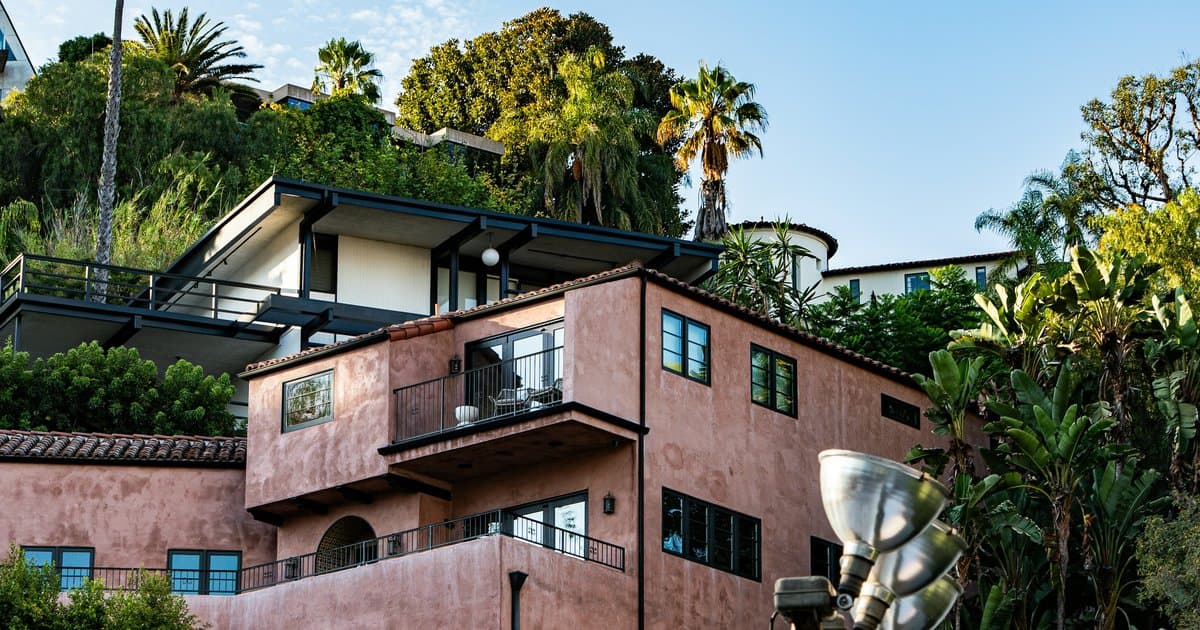
What do Los Angeles homebuyers pay in property taxes?
When you purchase a home in Los Angeles, your property taxes are recalculated from scratch using your purchase price as the new assessed value. Under Proposition 13, that assessed value cannot increase more than 2% per year for as long as you own the home. The full tax rate in LA County typically runs between 1.1% and 1.35% of your assessed value, and you will also receive a one-time supplemental tax bill within two to six months of closing to cover the difference between the prior owner's assessment and yours.
By Paul Blair | June 17, 2026
One of the most common questions I hear from buyers once they're in escrow: "Will my property taxes be close to what the seller is paying?"
The short answer is no. Often by a lot.
That surprises people. But it's one of the most important numbers to understand before you close, especially in Los Angeles, where prices routinely run between $2 million and $10 million and the difference between an old assessment and a new one can mean tens of thousands of dollars a year.
Here's how it works.
Your Assessment Resets When You Buy
California property taxes are governed by Proposition 13, passed in 1978. Under Prop 13, your property is assessed at its fair market value at the time of purchase. After that, the county can increase your assessed value by no more than 2% per year.
That 2% cap is what creates the wide gaps you see when a listing on Zillow shows "2024 taxes: $5,200." That number reflects what the prior owner paid, possibly based on an assessment from 20 or 30 years ago.
When you buy, the clock resets. Your assessed value becomes your purchase price.
If you buy a Hollywood Hills home for $4.5 million and the seller's annual tax bill was $12,000 based on a 1995 assessment, your annual bill will land somewhere around $49,500 to $60,750 at current rates. Not $12,000.
That is the most important thing to understand about property taxes in this market.
What the Total Rate Actually Is
The 1% base rate is set by Prop 13 and applies statewide. What pushes your actual rate above that is voter-approved bonds and local special assessments, which vary by address.
In most of Los Angeles County, the total effective rate runs between 1.1% and 1.35% of assessed value. For planning purposes, 1.25% is a reasonable working number for most of the city.
At a 1.25% rate:
- $2 million purchase: approximately $25,000 per year
- $4 million purchase: approximately $50,000 per year
- $7 million purchase: approximately $87,500 per year
A few neighborhoods and newer developments carry Mello-Roos (Community Facilities District) charges on top of that. These are more common in newer master-planned communities and rare in established parts of the city. Core neighborhoods including Beverly Hills, Bel Air, West Hollywood, Hollywood Hills, and the Westside typically don't carry Mello-Roos. If you're looking at newer construction or a development in the outer parts of the county, it's worth checking the specific parcel. The LA County Assessor's property lookup shows the tax rate area for any address.
The Supplemental Tax Bill
Here's the one buyers often don't know about until it shows up in the mail.
When you buy a property, the LA County Assessor recalculates your tax based on the purchase price and issues what's called a supplemental tax bill. This covers the difference between the prior owner's assessed value and yours, for the portion of the fiscal year starting on the first day of the month following your close of escrow.
California's property tax fiscal year runs July 1 through June 30.
If you close on August 15, 2026, your new assessment takes effect September 1. The supplemental bill covers September 1 through June 30, which is 10 months. You'll owe 10/12 of the annual increase in assessed value.
If you close between January 1 and May 31, you'll receive two supplemental bills: one for the remainder of the current fiscal year and one for the full year that follows. The math works out to the same total, just spread across two separate bills.
A concrete example:
You purchase a home in Silver Lake for $2.2 million. The prior owner's assessed value was $650,000. The increase is $1.55 million. At a 1.25% rate, that's $19,375 in additional annual taxes.
If you close October 20, the assessment starts November 1. Your supplemental bill covers eight months (November through June) at $19,375 per year. That comes to roughly $12,917, arriving in your mailbox sometime in spring 2027.
Your lender's impound account almost certainly does not cover the supplemental bill. It's mailed directly to you as the property owner, separate from your regular tax bill.
The LA County Assessor provides a supplemental tax estimator at assessor.lacounty.gov if you want to run the numbers for a specific property before you close.
How Taxes Are Handled at Escrow
Property taxes get prorated at closing, but based on the prior owner's assessed value, not yours.
That means the credit or charge you see on your closing statement reflects the old assessment. The supplemental bill that arrives afterward is where the catch-up to your assessed value happens. Your escrow officer will handle the proration calculation and explain what's being credited or charged on your estimated closing statement. But plan for the supplemental bill separately.
One area where closing timing does matter: if the prior owner already paid the April installment of the annual bill and you're closing before June 30, you'll likely receive a credit at closing for the prepaid portion. If the bill hasn't been paid, you'll need to fund it. Your escrow officer covers this.
The Homeowner's Exemption
California offers a $7,000 reduction in assessed value for your primary residence, which saves roughly $70 per year at the base 1% rate.
It's worth filing. File it once with the LA County Assessor after closing. The deadline is February 15 of the assessment year to get the full-year benefit. It stays in place automatically until you sell or stop using the property as your primary home.
Given where LA prices sit, the savings are modest. But it takes about five minutes to file and costs nothing.
Prop 19 and What Happens When You Sell
If you're 55 or older and planning to buy your next home in California, Proposition 19 may allow you to transfer the Prop 13 assessed value from your current home to a replacement property. This can significantly reduce what you'd pay in property taxes on the new home compared to a full reassessment at market value.
We covered how Prop 19 works in detail for Los Angeles homeowners, including the formula, the eligibility rules, and how to file the claim with the Assessor. If you're in that situation, it's worth reading before you sell.
Frequently Asked Questions
How long after closing will I receive my supplemental tax bill in Los Angeles?
The LA County Assessor typically processes change-of-ownership assessments within two to six months of your close of escrow. The bill is then prepared and mailed by the Treasurer-Tax Collector. You can check the status of your reassessment through the Assessor's property information portal. Budget for the bill in the two to six month window after you close.
Does my lender's impound account cover the supplemental tax bill?
No. Lender impound accounts are structured to cover the regular annual secured property tax bill. The supplemental bill is separate and gets mailed directly to you as the new property owner. It's not included in your monthly mortgage payment and must be paid directly by the due date shown on the bill.
Can I appeal my assessed value after the Assessor reassesses my property?
Yes. If you believe the assessed value doesn't reflect the actual market value at the time of purchase, you can file an appeal with the LA County Assessment Appeals Board. You generally have 60 days from the date of your reassessment notice to file. Appeals based solely on the purchase price are uncommon and usually don't succeed, but it can be worth reviewing if market conditions shifted significantly between your contract date and your close of escrow.
Are property tax rates different in Beverly Hills versus the City of Los Angeles?
The 1% base rate is uniform across California. But voter-approved local bonds and special assessments vary by tax rate area, which is tied to the specific parcel address rather than city limits. Beverly Hills, with its own municipal bonds and school district levies, typically carries a slightly different total rate than a comparable address inside LA city limits. The LA County Assessor's parcel lookup shows the exact tax rate area for any specific property.
What happens to the prior owner's low tax bill after I buy?
The prior owner's Prop 13 protections end at the moment of sale. Their accumulated years of capped increases reset to zero. Your assessed value becomes your purchase price, and your 2% annual cap begins from there. Whatever the prior owner was paying is not transferable, with the exception of the Prop 19 portability program for qualifying 55-plus homeowners purchasing a replacement home in California.
Final Thoughts
Property taxes in Los Angeles follow a different logic than most markets. The gap between what a long-term owner pays and what a new buyer will owe can be enormous, and the supplemental bill that arrives months after closing catches a lot of people off guard.
Before you commit to a purchase, it's worth pulling the prior owner's assessed value from the Assessor's website, running a rough annual estimate at 1.25%, and building the supplemental bill into your first-year cash plan.
If you're working through a purchase in Los Angeles and want to make sure you understand the full carrying cost before you sign, reach out. I'm happy to walk you through the numbers. Connect with Paul and the Grey Square team at greysq.com/contact.
About Paul Blair
Paul Blair is the founder and broker of Grey Square, a virtual real estate brokerage representing buyers and sellers across Dallas and Los Angeles. With 22 years in the business and more than $200 million in closed transactions, Paul works the full range of the market, from luxury homes in the Park Cities and Preston Hollow to estates in the Hollywood Hills and across the Westside. Connect with Paul and the Grey Square team at greysq.com. TX TREC #9011505 · CA DRE #01792671.