HOA Resale Certificate in Texas: What Dallas Sellers Need to Know
In Texas, the seller orders the HOA resale certificate and pays the fee. Buyers get 3 days to terminate after receiving it. Here is exactly how it works in Dallas.
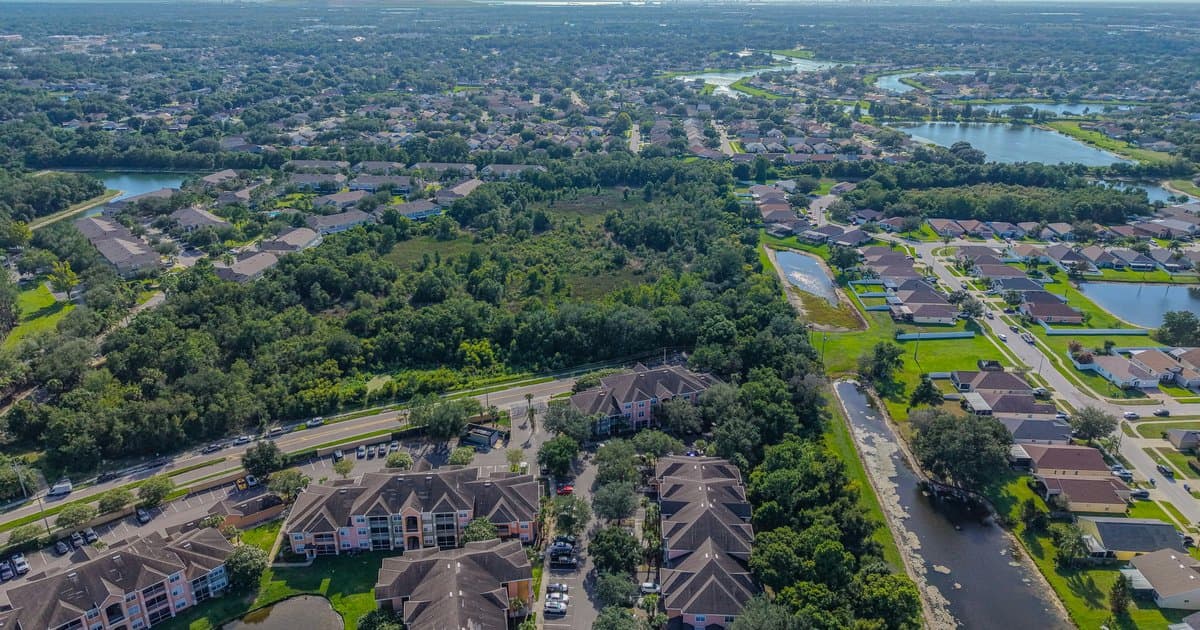
What is an HOA resale certificate and what does it mean for Dallas buyers and sellers?
In Texas, the seller is responsible for ordering the HOA resale certificate, not the buyer. The certificate must be delivered within 10 days of a written request, and after receiving it, the buyer has three days to terminate the contract with no penalty. Sellers in Dallas-area HOA communities who do not account for this step can end up with delayed closings or buyers who walk.
By Paul Blair | September 27, 2026
If you're selling a home in Plano, Frisco, McKinney, or any of the master-planned communities across the northern and eastern Dallas suburbs, there's a document waiting in your closing timeline that you may not know you're responsible for ordering.
It's the HOA resale certificate.
Texas law requires the seller to deliver it. The HOA has 10 days to produce it. And after the buyer receives it, they have three days to walk away from the deal for any reason. No explanation required, no earnest money at risk.
Understanding how this works before you list is worth the time.
What the HOA Resale Certificate Is
The HOA resale certificate is a disclosure document required under Texas Property Code Section 207.003. It gives the buyer a snapshot of the HOA's financial health, any violations on the property, and the rules and fees they're about to inherit.
It is not the same as the Seller's Disclosure Notice you fill out at the start of the transaction. The resale certificate comes from the HOA or its management company, not from you.
Under Texas law, the certificate must contain:
- Current monthly assessment amount
- Any unpaid assessments or fees owed on the property
- Pending or anticipated special assessments
- A statement of the HOA's annual income and expenses
- The reserve fund balance and whether it is adequately funded
- Any pending litigation involving the HOA
- Restrictions, bylaws, and rules that apply to the property
- Insurance information
- Any violations currently cited against the property
If you've lived in a community with a mandatory HOA, this list covers almost everything a buyer would want to know before they're legally obligated to pay dues to that association.
Who Orders It and Who Pays
This is where sellers get surprised.
In Texas, it's the seller's responsibility to request the resale certificate and pay the fee. The HOA or its management company has 10 calendar days to deliver it once they receive the written request and payment.
The fee is capped under Texas law. Effective under the 2023 legislative session, property management companies can charge up to $375 for a resale certificate, or up to $75 for an updated certificate if the property relists within four months. Some management companies offer expedited delivery for an additional optional fee, typically $100 to $150.
If you're selling in Prosper, Celina, or one of the newer master-planned communities in Collin County where a layered structure of HOAs is common (a master HOA and one or more sub-HOAs), you may need to request a certificate from each one and pay each fee separately. Budget for it.
The Buyer's Three-Day Termination Right
Once the buyer receives the resale certificate and any required subdivision information under Section 207.003, they have three days to review and decide whether to stay in the contract.
During those three days, the buyer can terminate for any reason and receive their earnest money back in full. No explanation required. The three-day window begins the day after the buyer receives the documents and runs until 11:59 PM on the third day, or three days before closing, whichever comes first.
This termination right is separate from the Texas option period. A buyer who has already let their option period expire can still walk during the HOA review window if the certificate reveals something that changes their calculus.
Common reasons buyers exercise this right: a very low reserve fund balance, a pending special assessment that was not disclosed before the contract, unresolved violations on the property, or ongoing litigation that could affect homeowners' dues or resale value.
For a broader look at the situations where Texas buyers can legally exit a contract, the Can You Back Out of a Real Estate Contract in Texas? guide covers the full range of exit rights in a TREC transaction.
What to Watch for in the Certificate
Not every HOA resale certificate is a problem. Most routine transactions in DFW suburbs move through this step without any issue. But certain things in the certificate can complicate your closing or cost you a deal.
Reserve fund health. A reserve fund below 30% of the recommended level is a yellow flag. Buyers who understand HOA finances know that a depleted reserve often precedes a special assessment. If your community's reserves are low, expect a knowledgeable buyer to ask questions.
Pending special assessments. If the HOA has already voted to levy a special assessment, that must appear in the certificate. Any assessment approved before closing belongs to the seller unless you negotiate otherwise.
Open violations. If the HOA has an active violation on file for your property, it shows up in the certificate. Resolve those before you list if you can. An unpermitted structure, an unapproved exterior paint color, or a fence that does not meet community standards can all appear and give a buyer a reason to pause.
Litigation. Active lawsuits involving the HOA are disclosed. Depending on the nature of the suit, some lenders will not fund loans in communities where certain types of litigation are pending.
The post on HOA special assessments in Texas goes deeper on reserve fund thresholds and what they signal for buyers in DFW master-planned communities.
If you want to understand what your HOA's certificate will show before your buyer does, that's a conversation worth having before you put the house on the market. You can reach me at greysq.com/contact.
HOA Resale Certificates Across the DFW Suburbs
HOA penetration in the DFW suburbs is among the highest in the country. Communities in Frisco, Plano, McKinney, Allen, Wylie, Murphy, Prosper, and Celina operate under mandatory HOAs at rates above 70% of all single-family homes in many zip codes.
If you're selling in any of these markets, the resale certificate is not an optional step. The TREC promulgated contract for resale transactions includes specific language about the seller's obligation to deliver HOA governing documents and the resale certificate.
Getting the request in early is the single best thing a seller can do to protect their timeline. If your closing is scheduled for 30 days out, waiting until day 20 to order the certificate is a real risk. The HOA has 10 days to respond. If they are slow, or if there's a management company transition underway, that window can eat directly into your closing date.
HOA liens also interact with the certificate process. If there are any unpaid assessments, those amounts appear in the certificate and must be cleared at closing. The overview of property liens in Texas covers how HOA liens and other encumbrances show up in your title work and get resolved before keys are handed over.
Your listing agreement and your agent should address the timing of the HOA request in the transaction timeline from day one.

Frequently Asked Questions
Who orders the HOA resale certificate in Texas?
The seller is responsible for ordering the HOA resale certificate and paying the associated fee. The HOA or its management company then has 10 calendar days to deliver the completed certificate after receiving the written request and payment. This is one of the most commonly misunderstood responsibilities in a Texas HOA transaction.
How much does the HOA resale certificate cost in Texas?
Texas law caps the fee at $375 for an initial certificate and $75 for an updated certificate if the property relists within four months. Management companies may charge an optional expedited fee, typically $100 to $150, for faster delivery. In communities with a master HOA and one or more sub-associations, each association may charge its own separate fee.
Can a buyer back out after receiving an HOA resale certificate?
Yes. After receiving the HOA resale certificate and any required accompanying documents, the buyer has three days to terminate the contract and receive their earnest money back in full. This right exists under Texas Property Code Section 207.003 and is completely separate from the standard option period. A buyer whose option period has already expired can still use this window to exit.
What if the HOA has a pending special assessment when I sell?
A pending special assessment that the HOA has already voted to approve must be disclosed in the resale certificate. Whether the seller pays it at closing, the buyer absorbs it, or it is negotiated between the parties depends on how the contract is written. This is one of the clearest cases where having an agent who reads the certificate closely before your buyer does can protect your position.
How do I find a Dallas real estate agent who handles HOA communities well?
Look for an agent who routinely works in the Dallas suburbs and knows how to read a resale certificate, not just order one. The right agent reviews the certificate with you before your buyer sees it, flags anything that could give a buyer grounds to terminate, and builds the HOA timeline into the transaction schedule from day one. You can connect with Paul Blair at greysq.com/contact.
The HOA resale certificate is one of those documents that looks routine until it isn't. Ordering it early, reviewing it before your buyer does, and knowing what's in it are all within your control as a seller.
If you're preparing to sell a home in the Dallas suburbs and want to understand what your HOA's certificate will show, or if you're buying in a planned community and want to know what to look for before your three-day review window closes, I can help. Reach out at greysq.com/contact or get a home value estimate at greysq.com/home-value.
About Paul Blair
Paul Blair is the founder and broker of Grey Square, a virtual real estate brokerage representing buyers and sellers across Dallas and Los Angeles. With 22 years in the business and more than $200 million in closed transactions, Paul works the full range of the market, from luxury homes in the Park Cities and Preston Hollow to estates in the Hollywood Hills and across the Westside. Connect with Paul and the Grey Square team at greysq.com. TX TREC #9011505 · CA DRE #01792671.