Who Pays for the Property Survey in Texas? A DFW Buyer's Guide
Texas law sets no default rule on who pays for the survey. The answer lives in Paragraph 6C of your TREC contract, and the checkbox you pick at signing.
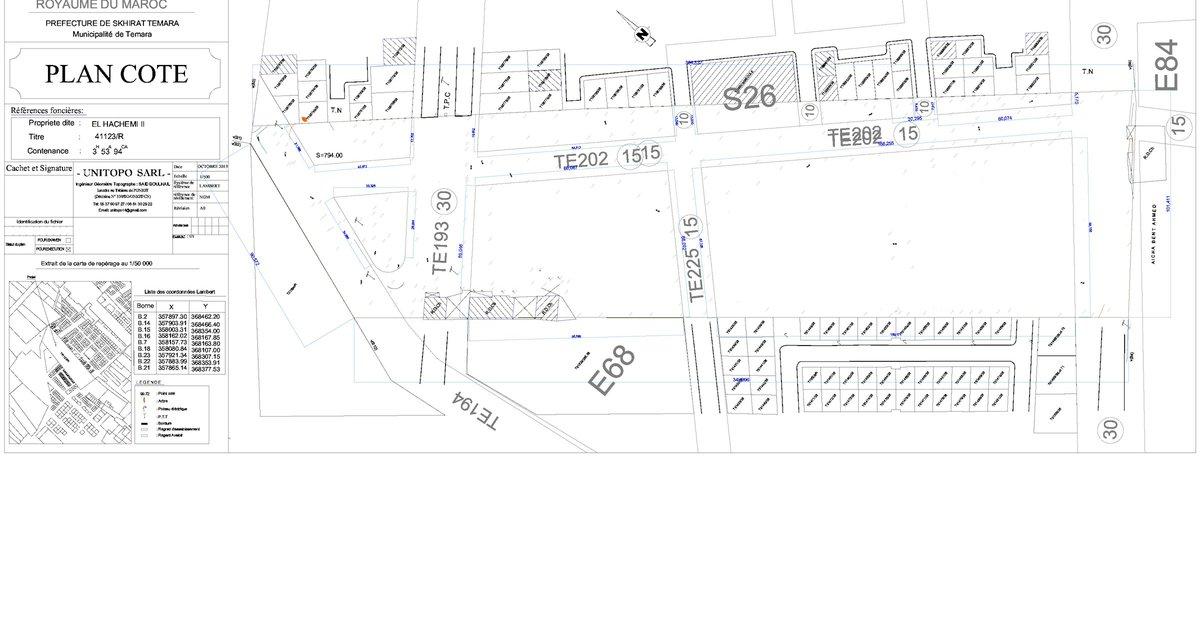

Who pays for the property survey in Texas?
Texas has no default rule that buyers always pay for the survey. Payment depends entirely on which option is checked in Paragraph 6C of the TREC One to Four Family Residential Contract. If the seller furnishes an existing survey with a T-47 or T-47.1 Declaration, neither party may need to pay for a new one. If a new survey is required, the contract checkbox determines whether the buyer or the seller covers the cost.
By Paul Blair | November 27, 2026
One checkbox in your Texas real estate contract determines who pays for the property survey. Most buyers don't see it until they're already under contract, and by then, the negotiating window has narrowed considerably.
That checkbox lives in Paragraph 6C. Here's what it means and how to use it.
What a Property Survey Covers in Texas
A property survey is a licensed professional's measurement and documentation of your lot. For a standard home purchase in Dallas County or Collin County, that means a residential boundary survey: a legal document showing your property lines, any easements crossing the lot, encroachments from neighboring structures, flood zone classification, and the exact location of improvements like the house, driveway, and outbuildings.
The person who conducts it holds an RPLS credential, which stands for Registered Professional Land Surveyor, licensed through the Texas Board of Professional Land Surveying.
For most DFW home purchases, a boundary survey is all you need. An ALTA/NSPS survey is the more detailed commercial-grade version, required for certain commercial properties or complex financing situations, and it costs significantly more. It rarely appears in a standard residential transaction.
The Three Options in Paragraph 6C
The TREC One to Four Family Residential Contract (Form 20-19, effective July 2026) gives both parties three options in Paragraph 6C. The parties select one at the time of signing:
| Option | What It Means |
|---|---|
| Option 1 | Seller furnishes an existing survey, plus a T-47 Affidavit or T-47.1 Declaration. If the lender or title company rejects the existing survey, a secondary checkbox within Option 1 determines whether the buyer or the seller pays for a replacement. |
| Option 2 | Buyer orders and pays for a new survey. |
| Option 3 | Seller orders and pays for a new survey. |
Table: TREC Paragraph 6C survey options in the Texas One to Four Family Residential Contract, Form 20-19 (effective July 2026)
One notable change in the July 2026 form update: the "no survey required" option was removed entirely. The contract also changed the language in Option 2 from "Buyer shall obtain" to "Buyer may obtain." That softening matters in negotiations.
How Option 1 Usually Plays Out
In most DFW transactions, Option 1 is the starting point. Sellers typically offer an existing survey if they have one, because it costs them nothing to hand over documentation they already own.
The T-47 Affidavit is the seller's sworn statement that nothing has changed since the survey was done: no addition, no pool, no shed slab, no fence. If something has changed, the affidavit is void and a new survey is needed.
The T-47.1 Declaration is a newer alternative added in a recent TREC form update. It serves the same purpose as the T-47 without requiring notarization. Either form is acceptable under Texas Department of Insurance Procedural Rule P-2, which allows title companies to accept surveys of any age as long as the affidavit accompanies them.
Here's the part that catches buyers off guard: both the title company and the buyer's lender retain veto power. If either decides the existing survey isn't acceptable, you fall back to that secondary checkbox in Option 1, which determines who pays for a fresh one. This is worth discussing with your agent before you sign, not after.
This process connects closely to what happens with your T-47 Affidavit at closing, which walks through the seller's side of that documentation in more detail.
What Can Void a T-47
Improvements added after the survey date are the most common reason a T-47 falls apart. A pool, a detached garage slab, a significant fence addition, any of these can require a new survey. The title company will ask, and if the answer is yes, you need a new one. This is one of the more consistent sources of last-minute closing surprises in DFW.
What a New Survey Costs in DFW
If you end up needing a new boundary survey, here's a realistic cost range based on 2026 quotes in the area:
| Area | Typical Range |
|---|---|
| Central Dallas (older plats, complex records) | $800 to $2,000+ |
| North Dallas / Plano / Richardson | $600 to $1,500 |
| Frisco, McKinney, Wylie (newer subdivisions) | $500 to $1,200 |
| Prosper, Celina, Anna (growth corridor) | $500 to $1,000 |
Table: Approximate boundary survey cost ranges across DFW in 2026. Actual quotes vary by lot size, surveyor availability, and record complexity. Get a written quote before ordering.
Plan for two to four weeks from the time you order. Older plats in central Dallas take longer. Newer subdivisions in Collin County tend to move faster. If your closing date is tight, flag the survey timeline early so it doesn't become a last-minute issue.
The surveyor must be RPLS-licensed in Texas. Your title company will confirm whether a specific firm is acceptable before you place the order.
If you're under contract in Plano, McKinney, or anywhere in Collin County and you're not sure which Paragraph 6C option you agreed to, or whether the seller's existing survey is likely to pass, reach out before the option period closes. I walk through the survey conversation with every buyer I represent before we finalize the contract, and the answer almost always affects how you approach the negotiation. Contact Grey Square
What to Look at When the Survey Arrives
Once you have the survey in hand, the two things that matter most are easements and encroachments.
Easements are rights granted to other parties to use a portion of your property. Utility easements are standard and expected. What you're watching for is anything unusual: a drainage easement running through the buildable portion of the lot, a shared access easement for a neighboring property, or a pipeline easement.
Encroachments are structures that cross a property line. A neighbor's fence sitting inside your lot, a detached structure extending beyond the setback, these appear on surveys and need resolution before or at closing.
Both categories connect directly to your title commitment's Schedule B exceptions. When you receive the title commitment, Schedule B lists exactly what the title insurance policy won't cover. Easements and encroachments that show up on the survey will often appear there too. Reading the survey alongside Schedule B gives you a complete picture of what you're actually purchasing. For more on how to interpret that document, see How to Read Your Texas Title Commitment.
One thing that surprises buyers: the existing survey a seller provides may have been prepared years ago for a previous buyer. Under Texas Insurance Code Section 2704.102 and TDI Procedural Rule P-2, the title company can still accept it regardless of age or who originally ordered it, as long as a valid T-47 or T-47.1 accompanies it and both the title company and lender agree. The seller does not need to commission a new survey just because ownership has changed.
Frequently Asked Questions
Is the buyer always responsible for the survey in Texas?
No. Texas has no default rule requiring buyers to pay. The answer depends entirely on which option is selected in Paragraph 6C of the TREC contract at signing. If the seller provides an acceptable existing survey with a T-47 or T-47.1, neither party may need to pay for a new one.
What is the T-47.1 Declaration and how does it differ from the T-47 Affidavit?
Both serve the same purpose: the seller attests that nothing has changed on the property since the last survey. The T-47 Affidavit requires notarization, typically $25 to $50. The T-47.1 Declaration, added as a formal option in the recent TREC form update, does not require notarization. Either is acceptable under TDI guidelines as long as the title company and lender agree to accept it.
What can disqualify an existing survey in Texas?
The most common disqualifier is an improvement added after the survey date: a pool, a detached slab, a significant fence. If the seller added any of these after the survey was done, the T-47 is void and a new survey is typically required. Beyond that, the title company and lender each retain the right to reject any existing survey regardless of T-47 status, which is why the secondary checkbox in Option 1 matters.
How long does a property survey take in DFW?
Plan for two to four weeks from the time of order. Surveyor availability, lot size, and record complexity all affect turnaround. Central Dallas lots with older plat records tend to take longer than newer Collin County subdivisions. If your closing date is within 30 days, flag the survey timeline with your agent early.
Who should I work with in McKinney to help navigate the TREC contract and survey process?
A buyer's agent with active experience in Collin County transactions will walk you through Paragraph 6C before you sign, review whether the seller's existing survey is likely to pass with your lender and title company, and flag any survey-related timeline risk relative to your closing date. I represent buyers throughout McKinney, Frisco, Prosper, and Celina, and reviewing the survey path is part of every contract I walk a client through. If you have questions about your specific situation, I'm easy to reach.
After 22 years in real estate, the survey conversation is one I've had hundreds of times with buyers across Plano and the Collin County suburbs. It almost always goes smoother when it starts before the contract is signed, not after.
About Paul Blair
Paul Blair is the founder and broker of Grey Square, a virtual real estate brokerage representing buyers and sellers across Dallas, Los Angeles and Houston. With 22 years in the business, Paul works the full range of the market, from luxury homes in the Park Cities and Preston Hollow to estates in the Hollywood Hills and across the Westside. Connect with Paul and the Grey Square team at greysq.com. TX TREC #9011505 · CA DRE #01792671.
Something not going the way it should?
Send us the situation. A broker reads it and tells you what your options actually are, usually the same day. No obligation and no charge.