What Does It Actually Cost to Live in Westwood in 2026?
Westwood's median list price hit $1.32M in 2026, but that blends UCLA-area condos with Little Holmby and Comstock Hills estates. Here is the real split.
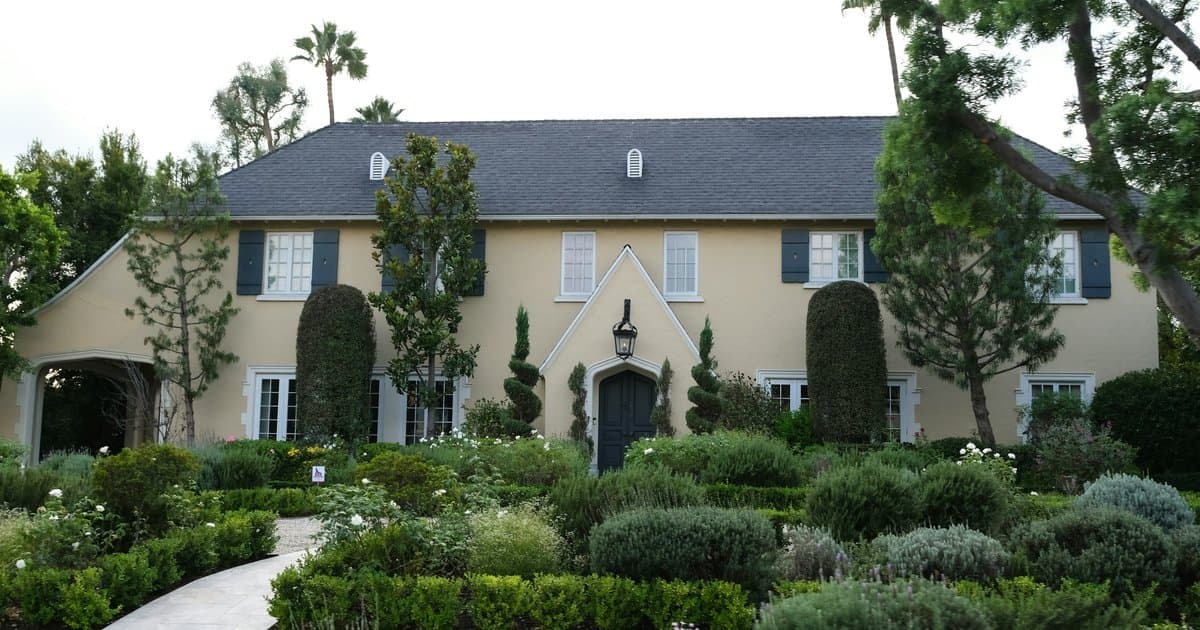
What does it actually cost to live in Westwood in 2026? Homes listed for a median $1.32 million in July, at roughly $750 a square foot, down about 8 percent from a year earlier, according to Redfin. That single number hides two almost unrelated markets sitting blocks apart: a dense corridor of condo towers and rental buildings built around UCLA, and a pocket of single-family estates in the hills north of Wilshire where lots run four times the size and prices clear $5 million without much effort.
Westwood sits in the northern central Westside, bordered by Sunset Boulevard to the north, the Beverly Hills city line (including the Los Angeles Country Club) to the east, Olympic Boulevard to the south, and the San Diego Freeway (I-405) to the west, according to the Westwood Neighborhood Council. The land was once the 3,296-acre Wolfskill Ranch, bought in 1919 by Arthur Letts, founder of the Broadway and Bullock's department stores, who set out to develop two communities on it: Holmby Hills, named for his English birthplace, and Westwood. Letts, a University of California trustee, offered the land for a new UC campus, and after his death in 1923 his son-in-law Harold Janss carried the plan forward. The regents chose the Westwood hills site in 1925, and UCLA opened there in 1929, according to Wikipedia.
Price bands: the Wilshire Corridor versus the hills
Westwood isn't one price tier, it's two housing stocks on the same street grid. The Wilshire Corridor, the run of condominium towers along Wilshire Boulevard through Westwood, along with the Westwood Village and North Village blocks closest to campus, is dominated by attached housing: high-rise and mid-rise condos, rental apartments, and student housing, much of it built or converted for the UCLA market. North of Wilshire, in Little Holmby and Comstock Hills, the housing flips to single-family estates on wide, tree-lined lots.
Little Holmby sits between Wilshire Boulevard and Sunset Boulevard, bounded by Beverly Glen Boulevard to the east and the UCLA campus to the west, wedged directly between Holmby Hills and the university. Homes there have traded from roughly $1.6 million up into the $7.5 million range on its more prestigious streets, according to Robb Report. Comstock Hills, immediately south and east toward Century City, dates to the 1920s, when developer Harold Comstock began building out its Spanish Colonial and English Tudor homes on curving, tree-lined streets. City of Los Angeles Planning's HistoricPlacesLA survey has documented the neighborhood's early-20th-century architecture as part of its citywide historic resources inventory, according to HistoricPlacesLA. Anyone comparing a Wilshire Corridor condo against a Little Holmby or Comstock Hills house should schedule a private consultation before treating the neighborhood median as a guide to either one.
Streets, architecture, and what's changing along Wilshire
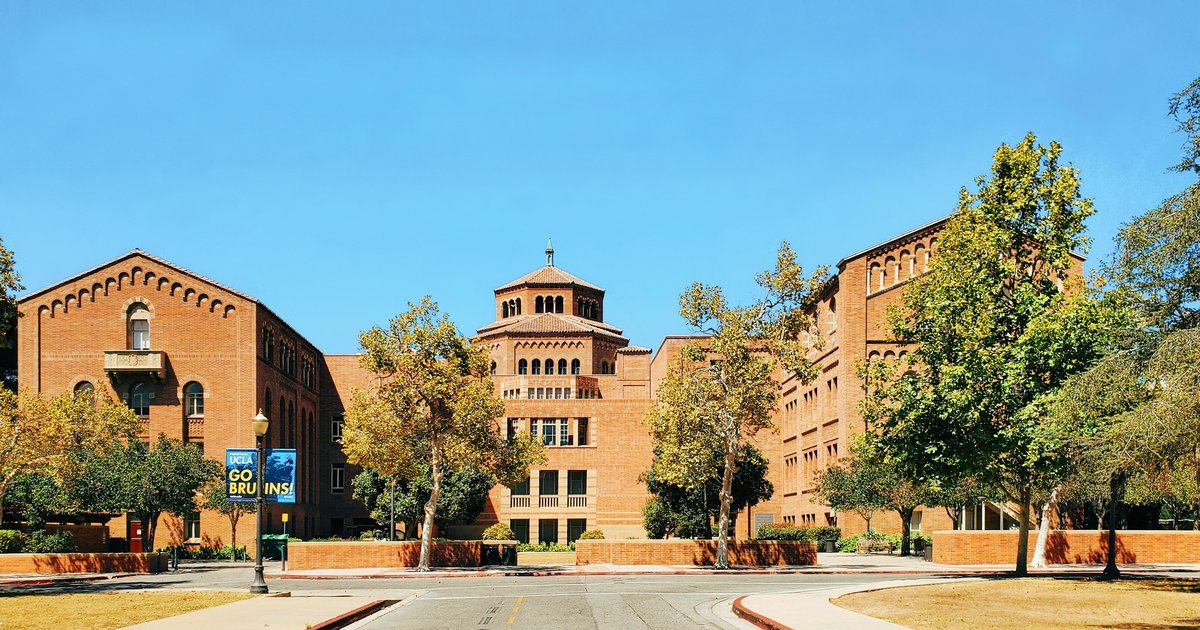
Little Holmby and Comstock Hills read as a classic low-density Westside pocket: 1920s and 1930s traditional and Spanish Colonial homes on generous lots, mature trees, and curving streets that discourage through traffic. It's a short drive from Beverly Hills, Century City, and Bel Air, and it borders the Los Angeles Country Club, one of the largest private open spaces on the Westside. The Wilshire Corridor a few blocks south is a different world entirely, a wall of condo towers that has drawn steady development interest. Douglas Emmett filed plans to convert its 17-story, roughly 247,000-square-foot office tower at 10900 Wilshire Boulevard into close to 200 apartments, and UCLA's Board of Regents approved a 19-story student housing tower at 901 Levering Avenue that will add roughly 1,150 student beds, according to The Real Deal and The Real Deal. Investor interest in the corridor's rental stock has followed: a four-building, 153-unit student housing portfolio near campus sold for $62.6 million in April, according to The Real Deal, and a 97-unit mid-rise at 10599 Wilshire Boulevard changed hands two months later, according to The Real Deal.
Westwood carries a Walk Score of 69, "somewhat walkable," with a Transit Score of 66 and about 300 restaurants, bars, and coffee shops spread across the neighborhood's roughly 51,600 residents, according to Walk Score. That figure blends the Village's near-perfect walkability with the quieter hillside streets north of Wilshire, where a car is still the practical way to get around.
Fire zone status and Measure ULA
Westwood's core, the flats around Westwood Village and the Wilshire Corridor, sits on largely level ground and isn't part of the hillside terrain that drives most of the City of Los Angeles's Very High Fire Hazard Severity Zone mapping. Some of the northern reaches near Sunset Boulevard climb into terrain that borders hillside zones covering other parts of the city. Confirm parcel-level status directly against the Los Angeles Fire Department's fire hazard maps before relying on a neighborhood-wide assumption either way, since it drives Natural Hazard Disclosure requirements on any given address.
Westwood sits entirely within the City of Los Angeles, so Measure ULA applies without the carve-outs that separately incorporated cities like Beverly Hills or Santa Monica get. For transactions closing after June 30, 2026, the City of Los Angeles Office of Finance sets the tax at 4 percent above $5.4 million and 5.5 percent above $10.9 million. Most Wilshire Corridor condo sales fall well under that threshold, but it's a live number on Little Holmby and Comstock Hills estate sales, where the top of the market clears $5 million with room to spare, and on the larger multi-unit rental transactions moving through the corridor.
How Westwood compares to Beverly Hills and Holmby Hills
Little Holmby sits directly between two of the priciest addresses in Los Angeles County. Holmby Hills itself, immediately north and west, carries estate pricing that starts around $10 million and moves into nine figures on its largest lots, some approaching four acres. Beverly Hills' Flats submarket, just east across the city line, prices in the $5 million to $12 million band, with north-of-Sunset estates running $8 million to $50 million or more. Against that backdrop, Little Holmby and Comstock Hills function as the value entry point to that same stretch of the Westside: comparable architecture and lot character at a meaningful discount to the addresses immediately surrounding them, while the Wilshire Corridor offers condo ownership in the same zip code for a fraction of any of those numbers.
Who this market suits
Buyers drawn to the Wilshire Corridor are usually trading square footage for walkability and proximity, university-adjacent living without leaving the Westside, often as a pied-à-terre or a lower-maintenance alternative to a hillside estate. Buyers looking at Little Holmby or Comstock Hills tend to want the lot size, architecture, and street character of Holmby Hills or the Beverly Hills Flats, without paying the full premium those addresses carry, and they're usually comfortable trading beach or canyon views for a flatter, more walkable Westside location close to Century City and UCLA.
Curious what a specific Westwood address, condo or estate, is worth in today's market? Request a confidential valuation built around your actual comps rather than the neighborhood-wide median.
Frequently Asked Questions
What is the median home price in Westwood in 2026?
Homes listed for a median $1.32 million in July 2026, at roughly $750 per square foot, down about 8 percent year over year, according to Redfin. That figure blends Wilshire Corridor condos with Little Holmby and Comstock Hills single-family homes, which trade from around $1.6 million up past $7.5 million on their best streets.
Is Westwood in a wildfire hazard zone?
Most of Westwood, including Westwood Village and the Wilshire Corridor, sits on level ground outside the hillside terrain that drives most of the city's Very High Fire Hazard Severity Zone mapping. Some streets near the northern edge climb into terrain bordering hillside zones. Confirm parcel-level status against Los Angeles Fire Department mapping before assuming either way.
Does Measure ULA apply to Westwood home sales?
Yes. Westwood sits entirely inside the City of Los Angeles, so it doesn't get the exemption that separately incorporated cities like Beverly Hills and Santa Monica have. For transactions closing after June 30, 2026, the tax runs 4 percent above $5.4 million and 5.5 percent above $10.9 million, a threshold that regularly comes into play on Little Holmby and Comstock Hills estate sales.
How does Westwood compare to Beverly Hills and Holmby Hills?
Little Holmby sits between both. Holmby Hills starts around $10 million and climbs into nine figures on its largest lots, and the Beverly Hills Flats price from $5 million to $12 million, with north-of-Sunset estates reaching $8 million to $50 million or more. Little Holmby and Comstock Hills offer comparable lot size and architectural character at a discount to both neighboring markets.
Who's the best real estate agent to work with in Westwood?
What actually matters is direct experience across both sides of this neighborhood, since pricing a Wilshire Corridor condo against building age and HOA health is a completely different exercise than pricing a Little Holmby estate against Holmby Hills and Beverly Hills comps. I work Los Angeles buyers and sellers across the Hollywood Hills, the Westside, and the canyons, with Westwood sitting inside that same coverage area next to Beverly Hills, Bel Air, and Brentwood. If you're weighing a purchase or sale here, start a conversation about your specific address and price band.
Westwood is the first neighborhood I've written up here that borders three markets I already cover directly, Beverly Hills, Bel Air, and Brentwood, on three different sides, and the UCLA-driven building boom along Wilshire is reshaping the corridor in ways the hillside streets a few blocks north aren't seeing at all.
Paul Blair is the founder and broker of Grey Square, a virtual real estate brokerage representing buyers and sellers across Dallas and Los Angeles. With 22 years in the business and more than $200 million in closed transactions, Paul works the full range of the market, from luxury homes in the Park Cities and Preston Hollow to estates in the Hollywood Hills and across the Westside. Connect with Paul and the Grey Square team at greysq.com. TX TREC #9011505 · CA DRE #01792671.
Looking at other parts of the city? See the Beverly Hills spotlight, the Bel Air spotlight, or browse current Los Angeles listings.