AI Listing Photos in Los Angeles: What California's Disclosure Law Now Requires
California's AB 723 requires disclosure of AI-altered listing photos. Here's what LA buyers and sellers need to know about the law and your rights.
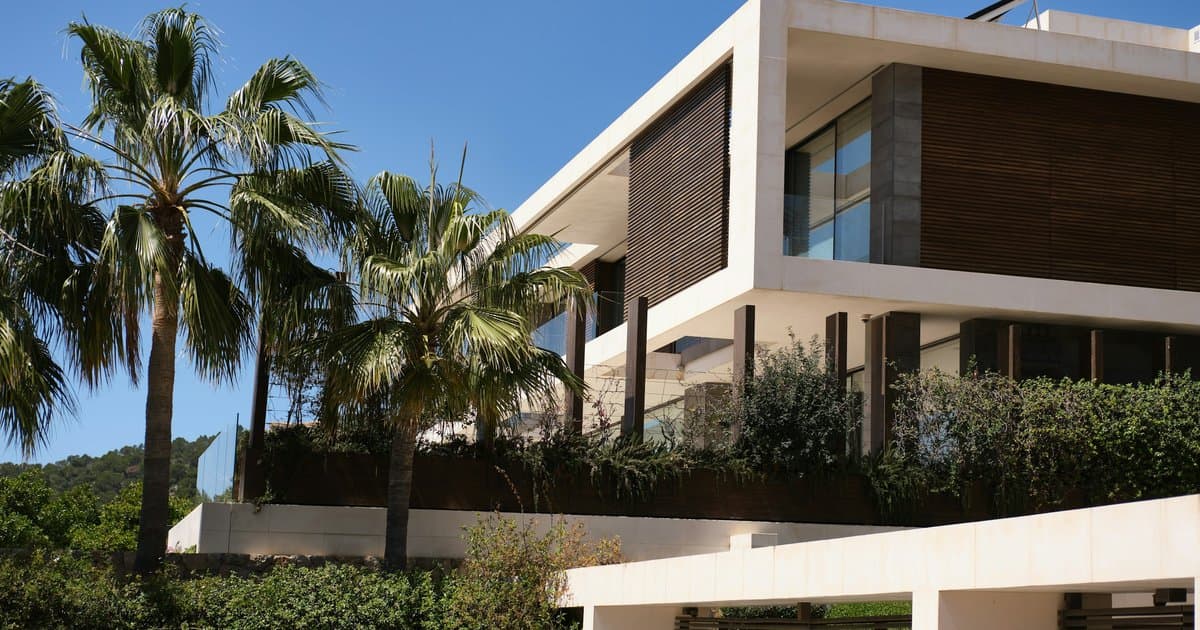
What does California's AI listing photo disclosure law require?
Assembly Bill 723, now part of Business and Professions Code §10140.8 and effective January 1, 2026, requires California real estate brokers and salespersons to add a reasonably conspicuous disclosure label to any listing photo that has been digitally altered, and to provide a link to the unaltered original. The law covers AI-modified features including furniture, flooring, landscaping, and views through windows. Routine edits such as cropping, lighting, and color correction do not require disclosure. Buyers have the right to request the unaltered originals, and agents who willfully violate the law face potential licensing consequences under California real estate law.
By Paul Blair | October 18, 2026
California passed one of the most consequential marketing rules in real estate history, and it has been in full effect since January 1, 2026. Assembly Bill 723 requires every licensed agent in the state to disclose when a listing photo has been digitally altered and to make the unedited original available to buyers.
The compliance rate? A study of roughly 40,000 listing photos from early 2026 found that nearly 11% showed clear signs of digital alteration. Fewer than one in ten carried the required disclosure.
That matters here. In a market where canyon views, city light panoramas, and carefully reimagined interiors move listings from overlooked to overbid, buyers need to know what they are actually looking at.
What AB 723 Actually Requires
The law sits in Business and Professions Code §10140.8. It applies directly to licensed real estate brokers and salespersons. If you are an agent marketing a property and you use an image that has been digitally modified, you must:
- Add a "reasonably conspicuous" label identifying the image as altered
- Provide a link, URL, or QR code to the unaltered original
The disclosure requirement follows the image wherever it appears: MLS, Zillow, Realtor.com, your brokerage website, social media, flyers, and any other promotional material.
Third-party photographers and AI staging firms are also covered when a licensee uses their altered images. You cannot outsource your way around the requirement. If a licensed agent is putting the photo in front of buyers, that agent is responsible for the disclosure.
What counts as an altered image under the law:
The statute targets modifications that could materially mislead a buyer. That includes adding, removing, or changing:
- Furniture or fixtures
- Flooring and wall finishes
- Landscaping or exterior facades
- Views through windows (city lights, canyon views, ocean glimpses, or sky)
- Floor plans or structural features
What is NOT covered:
Routine photography corrections do not trigger disclosure obligations. Lighting adjustments, color balance, cropping, and standard photo enhancement are treated as normal professional work, not material alterations.
The line the law draws is between edits that change what is actually in the home or visible from it, versus edits that improve the technical quality of the photograph.
Why This Matters More in Los Angeles Than Almost Anywhere Else
Los Angeles listing photography operates at a different level than most cities. Virtual staging is standard practice across the $1M to $15M range. AI tools now allow agents to swap furniture, resurface floors, add landscaping, and clean up pool areas in minutes.
And the view shots.
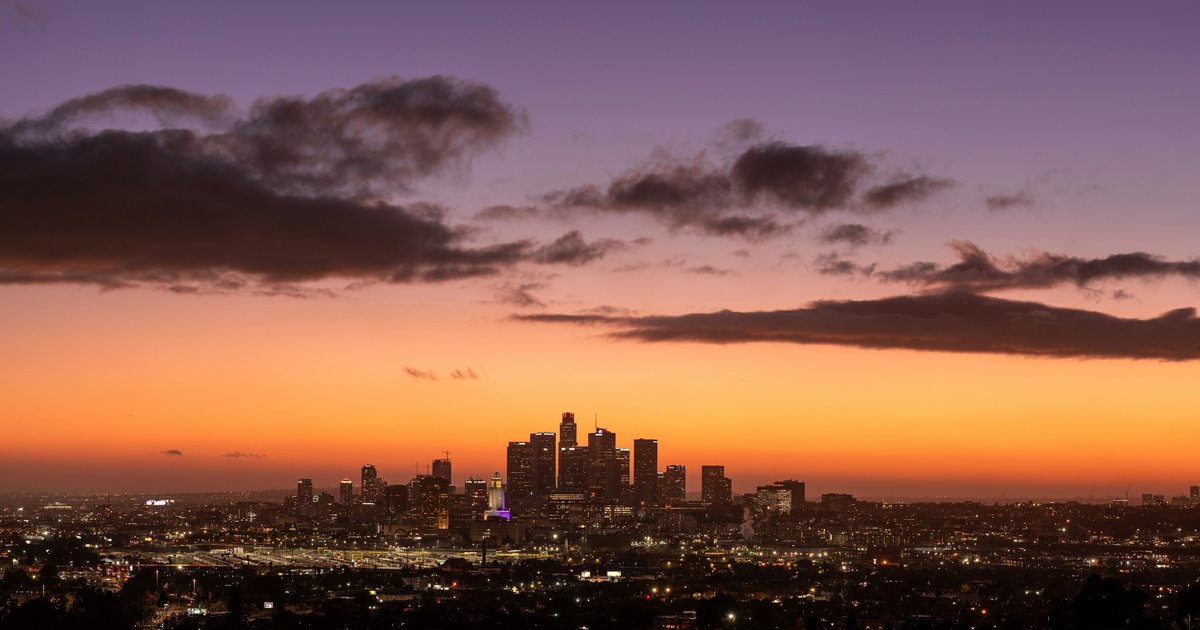
In the Hollywood Hills, Beverly Hills, Bel Air, and Brentwood, canyon views and city light panoramas are often the most powerful feature in a listing. They dominate the hero shot. They go on the flyer. They are what buyers text each other when they are excited about a property.
AB 723 applies directly to those photographs. If a view through a window has been digitally altered, including adding a sunset that was not there, clearing construction visible in the distance, or extending tree coverage, that image requires a disclosure label and a link to the original.
Fstoppers documented a listing from early 2026 where a neighboring house appeared in the photo with a doorway that does not exist in reality. The kitchen showed additional cabinet doors that were not there. No disclosure appeared anywhere in the listing.
A Q1 2026 survey found over 90% of digitally altered listing photos went up without the required label. More than nine in ten.
Buyers here, many relocating from other states or flying in for a few days of touring, rely heavily on photos before they ever walk through a door. AB 723 exists to protect that reliance.
For Buyers: What This Law Gives You
Under AB 723, you have the right to see the unaltered version of any listing photo that has been digitally modified. That right is built into the statute.
If a listing you are considering does not carry disclosure labels on what appear to be staged or altered photos, ask your agent to request the originals from the listing agent. A compliant listing agent should be able to provide those quickly.
When you tour a property, treat the photos as a starting point, not a guarantee. Compare them to what you are actually walking through:
- Does the flooring match what was shown?
- Are the fixtures the same?
- Does the view look the same from that window?
- Is the landscaping actually there?
The term "housefishing" has emerged in buyer communities to describe listings that use AI alteration to create a first impression that does not match reality. A Coldwell Banker agent put it directly: buyers "respond very negatively when they feel they were deceived about what is offered." If the property you are touring does not match the photos, that is worth noting and worth raising with your agent before you move forward.
Practically speaking, you can also use your inspection contingency period to examine whether the property matches what was represented in the marketing materials. The standard California Residential Purchase Agreement defaults to a 17-day inspection contingency, giving you time to investigate what you are actually buying. For more on how disclosure requirements work in California transactions, the Transfer Disclosure Statement covers what sellers are legally required to reveal at the time of sale.
Weighing your options on a Westside or Hollywood Hills listing and wondering whether the photos match reality? Schedule a consultation with Grey Square. Walking through properties with an experienced local buyer's agent means having someone in the room who knows how LA listings are marketed and what to look for when they are not matching up.
What Sellers Need to Know
If you are listing your home, the disclosure obligation falls on your agent, not on you directly. But you still need to understand what your agent is responsible for, and push to make sure they are complying.
Ask these questions before your listing goes live:
- Which photos, if any, have been digitally altered?
- Do those images carry the required disclosure label?
- Where is the unaltered original linked?
If your agent hesitates or is unsure, that is a problem. AB 723 has been in effect since January 1, 2026. Willful violations sit inside the California real estate licensing law and can be treated as misdemeanors. Your agent's license and your listing's credibility are tied to the same compliance failure.
There is also a practical market argument here. Buyers who arrive at your property and find that the listing photos overstated what is actually there will feel misled. That reaction tends to lower offers, increase requests for repair credits, or kill deals before they close. In a market where many buyers are traveling from out of state and making fast decisions based largely on what they saw online, your listing photos are a trust signal. When they are accurate and properly disclosed, that trust translates into stronger offers from buyers who know exactly what they are buying.
For sellers thinking about how listing strategy and marketing integrity work together, our post on CRMLS Coming Soon rules in Los Angeles covers the parallel question of when and how a property enters the market, and what CRMLS rules govern that process.
Thinking about listing your home on the Westside or in the hills? Request a confidential valuation to start a conversation about how Grey Square approaches listing strategy and photography compliance in Los Angeles.
Frequently Asked Questions
Does AB 723 apply to virtual staging specifically?
Yes. Virtual staging, which involves adding digital furniture and decor to photos of an empty room, is one of the most common forms of digital alteration covered by AB 723. If your agent is using virtually staged images, those images require a disclosure label and a link to the unstaged original. This is one of the most common areas of non-compliance in 2026.
What types of photo edits are NOT subject to AB 723 disclosure?
Routine photography corrections are not covered: lighting adjustments, color balance, exposure corrections, cropping, and standard digital cleanup of camera noise or minor blemishes. The law is aimed at modifications that change what is in the home or visible from it, not at improving the technical quality of the photograph.
Does AB 723 apply to photos taken by a professional photographer hired by the listing agent?
Yes. If a licensed agent uses altered images in their listing promotion, regardless of who created them, the disclosure obligation applies to the agent. Third-party photographers and AI staging firms are included in the statute's coverage. Agents cannot avoid compliance by outsourcing the work.
What should I do if a property didn't match the listing photos?
Start by asking your buyer's agent to request the unaltered originals from the listing agent. If you are already in contract, your inspection contingency period gives you a window to investigate the property's actual condition. Significant discrepancies between marketing materials and the physical property, particularly for features like views, flooring, or structural elements, may warrant a conversation with a California real estate attorney about your options.
Are there penalties for agents who don't comply with AB 723?
AB 723 is incorporated into the California real estate licensing law. Willful violations can be treated as misdemeanor conduct under that statute. Agents also face potential disciplinary action from the California Department of Real Estate, including license suspension or revocation. Separate MLS rules may carry their own fines for altered images that go undisclosed within the MLS system.
What should I look for when choosing a Los Angeles agent who understands listing photo compliance?
For a sale in the Hollywood Hills, Beverly Hills, Bel Air, or across the Westside, the agent who matters most is one who understands how the local market works at a granular level, including how listings are marketed, how photography practices affect buyer perception, and how disclosure requirements affect your liability as a seller. Paul Blair has represented sellers and buyers across the Westside and the canyons for over two decades, and AB 723 compliance is a conversation he walks every listing client through before any photography session. Reach out to schedule a conversation.
AB 723 is a small law with real consequences for buyers and sellers across the Los Angeles market. The vast majority of digitally altered listing photos are still going up without disclosure. Buyers need to stay alert. Sellers need to make sure their agents are doing their jobs.
If you want to work with someone who has been in this market long enough to know how the rules have changed, and why they matter, get in touch with Grey Square.
About Paul Blair
Having walked listing clients through photography compliance questions in the Hollywood Hills and across the Westside since AB 723 took effect in January 2026, Paul Blair understands how this law has changed what happens before a single photo goes up. Paul Blair is the founder and broker of Grey Square, a virtual real estate brokerage representing buyers and sellers across Dallas and Los Angeles. With 22 years in the business and more than $200 million in closed transactions, Paul works the full range of the market, from luxury homes in the Park Cities and Preston Hollow to estates in the Hollywood Hills and across the Westside. Connect with Paul and the Grey Square team at greysq.com. TX TREC #9011505 · CA DRE #01792671.