Appraisal Waiver in Dallas: What DFW Buyers Need to Know in 2026
Your lender offered a Fannie Mae appraisal waiver on your DFW purchase. Here's what Value Acceptance means for your price protection and earnest money.
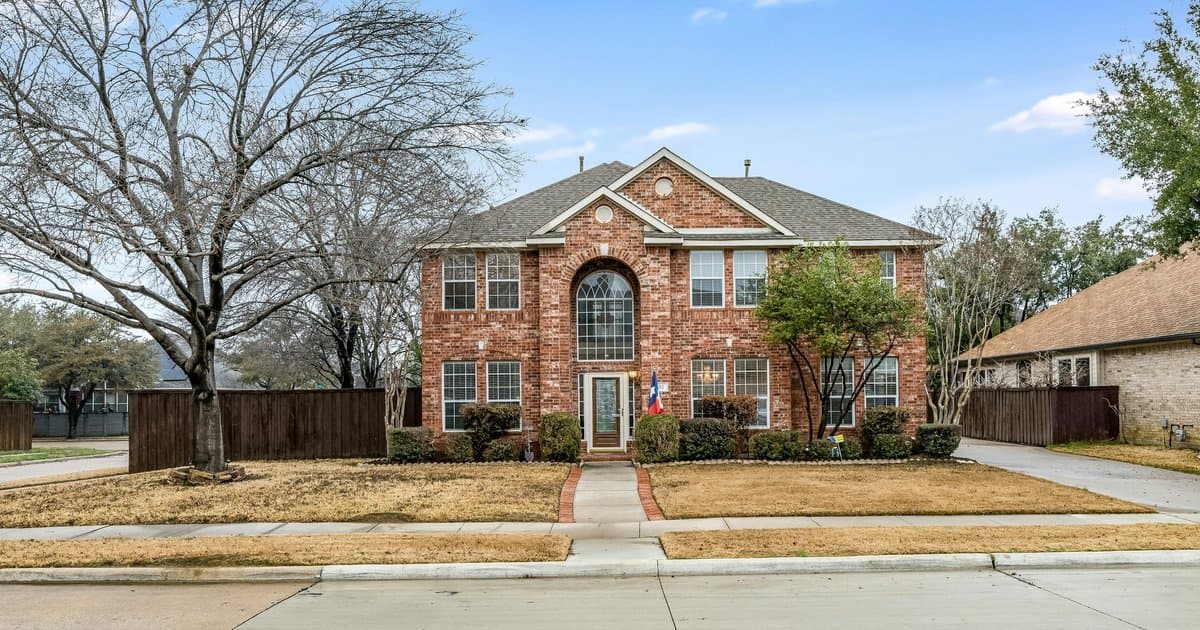

What is an appraisal waiver and should DFW buyers use one?
Fannie Mae's Value Acceptance program, also called a Property Inspection Waiver (PIW), lets eligible buyers skip the traditional appraisal on a conventional purchase loan. Your lender's automated underwriting system generates the waiver; you can't request one. In DFW's established suburbs, resale homes in Plano, Frisco, Richardson, and McKinney frequently qualify. Accepting one saves $300 to $600 in fees and typically shortens your closing by seven to ten days. The critical distinction most buyers miss: accepting the lender's waiver does not waive your appraisal contingency in the purchase contract. Those are two separate documents with separate protections.
By Paul Blair | October 28, 2026
Your lender just flagged something on your loan estimate: "Value Acceptance." Or maybe they're calling it a PIW, or your agent mentioned an appraisal waiver and said it might help your offer compete.
This comes up constantly with DFW buyers right now, particularly in Plano, Frisco, and Richardson where resale inventory is moving and buyers want every edge they can find. And what I see consistently: the waiver gets offered, the buyer says yes because it sounds good, and then confusion follows when they try to figure out what they actually agreed to.
Here's a clean breakdown of what a Value Acceptance actually is, what it does and doesn't protect, which DFW homes typically qualify, and how to decide whether to use it.
What Is a Value Acceptance (Formerly the PIW)?
Fannie Mae officially rebranded their appraisal waiver program "Value Acceptance" in 2022, though you'll still hear the old name, Property Inspection Waiver or PIW, used interchangeably. Freddie Mac runs a parallel program called ACE, or Automated Collateral Evaluation. Both work essentially the same way.
A Value Acceptance means your lender has received authorization from Fannie Mae or Freddie Mac to fund the loan without a traditional in-person appraisal. Instead of sending a licensed appraiser to inspect the property and issue a valuation, the automated underwriting system draws on existing data: prior appraisals, public records, MLS transaction history, and the database of millions of residential transactions Fannie and Freddie maintain.
The program grew out of Fannie Mae's risk modeling. The reasoning: when a home has been recently appraised, sits in a market with strong comparable sales data, and the borrower's profile is solid, the automated valuation can confirm value as reliably as a fresh appraisal.
Here's the practical summary of what changes and what doesn't:
| With Value Acceptance | Without Value Acceptance | |
|---|---|---|
| In-person appraisal | Skipped | Required |
| Appraisal fee ($300-$600) | Waived | You pay |
| Closing timeline | 7-10 days faster (typical) | Standard timeline |
| Loan terms and rate | Unchanged | Unchanged |
| Lender income and credit review | Full underwriting still happens | Full underwriting still happens |
How Does the Waiver Get Generated?
You can't request a Value Acceptance. There's no form to fill out and no option to ask for one.
When you apply for a conventional loan, your lender submits your file through Fannie Mae's Desktop Underwriter (DU) or Freddie Mac's Loan Product Advisor (LPA) as a standard part of underwriting. Those systems check your borrower profile against the property's data history. If the property qualifies, the system sends back a waiver authorization to your lender.
Your lender then tells you: "Your loan received a Value Acceptance. Do you want to use it?"
The authorization is specific to this transaction: this property, this loan amount, this borrower. If you switch lenders or significantly change the loan structure, the system needs to rerun from scratch.
What the Waiver Covers and What It Doesn't
The waiver satisfies one requirement: the lender's need to independently confirm value. Fannie Mae has determined, based on its existing data, that it's comfortable financing the property near your purchase price.
What the waiver does not cover:
Your judgment on pricing. The waiver tells you nothing about whether you're paying the right price. That assessment is still yours, based on your agent's comparable sales analysis.
Property condition. A Value Acceptance says nothing about the home's physical condition, systems, or defects. Your home inspection, conducted by a licensed inspector you hire separately, operates on a completely different track. An appraisal waiver does not replace or reduce the inspection.
Your purchase contract rights. This is the distinction that creates real problems in transactions. It's worth walking through carefully.
The Distinction That Actually Matters: Two Documents, Not One
In Texas, your purchase contract almost always includes a Third Party Financing Addendum, TREC Form 40-11. That form contains specific appraisal language: if the property doesn't appraise at or above the contract price within the approval deadline window, you have the right to back out with your earnest money returned.
Accepting a Value Acceptance from your lender has absolutely no effect on that contract right. They are separate documents with separate functions. One is between you and your lender. The other is between you and the seller.
Here's the scenario that creates problems: a buyer accepts the lender's Value Acceptance, the appraisal step gets skipped, and the buyer walks away assuming they've also waived their appraisal contingency in the contract. They haven't. Accepting the waiver is a communication between you and your lender. The contingency is a right you negotiated with the seller and it stays in place unless you explicitly remove it in writing.
Some buyers intentionally waive the appraisal contingency in their contract to strengthen a competitive offer. That's a deliberate, explicit choice you and your agent make when writing the offer. It is not automatic when you accept a Value Acceptance. (For a full breakdown of competitive offer strategy in DFW, including when waiving contingencies makes sense, see How to Make a Competitive Offer in Dallas.)
If you're currently making offers in Plano, Frisco, or Richardson and your lender has flagged a Value Acceptance, make sure your agent knows what's in the financing addendum before you say yes. These two pieces need to line up.
I walk through this conversation with every buyer I work with in the northern suburbs. If you're in a transaction right now and want to make sure your earnest money protection is structured correctly, reach out at greysq.com/contact.
Which DFW Homes Typically Qualify?
Eligibility depends on the property's data footprint in the Fannie Mae or Freddie Mac system. The more comparable transaction history a property or neighborhood has, the more likely a waiver generates.
| Suburb or Area | Value Acceptance Eligibility |
|---|---|
| Plano, Frisco, Richardson | Generally high: established resale inventory, dense comparable data |
| McKinney, Allen, Murphy | Generally high: same profile |
| Wylie, Rowlett, Sachse | Moderate: depends on neighborhood age and data availability |
| Prosper, Celina, Anna (new construction) | Generally low: address may not yet exist in system; limited comps |
| Dallas-proper (M Streets, Knox-Henderson, Lakewood) | Varies: older stock with mixed comp availability |
| Park Cities, Preston Hollow | Varies: luxury price points with thin comp data often don't qualify |

A few additional factors that affect eligibility:
Loan-to-value ratio. Waivers are most common at 80% LTV or below, meaning 20% down or more. Higher LTV loans qualify less often.
Loan type. Conventional conforming loans only. FHA and VA loans use their own appraisal requirements and don't participate in Value Acceptance or ACE.
Loan amount. Properties purchased above the 2026 conforming loan limit of $832,750 in Dallas County are jumbo loans and are not eligible.
Occupancy. Primary residences and second homes qualify. Investment properties have stricter rules and a lower approval rate.
For more on how mortgage structure intersects with your down payment level in DFW, see PMI in Texas: What DFW Buyers Actually Pay When They Put Down Less Than 20%.
Should You Accept It?
In most cases, yes.
Accepting a Value Acceptance makes sense when you're confident the purchase price reflects the market, you're keeping your financing and appraisal contingencies in the contract, and your agent has run a solid comparable market analysis supporting the price.
The fee savings ($300 to $600) are real, and a shorter closing timeline matters when you have a specific date to hit or you're competing in a situation where speed signals commitment.
The cases where I'd think twice:
- You're buying at or above recent comparable sales and want independent confirmation of value
- The property has unusual features an automated system might not capture accurately (significant updates not reflected in public records, large lot, uncommon configuration)
- You're considering a more aggressive financing structure and want the appraisal data as a reference point
There's also a practical middle ground worth knowing about: you can accept the Value Acceptance and still keep your appraisal contingency in the contract. You get the faster timeline and the fee savings, and you retain the right to walk if financing doesn't come through as expected. See Earnest Money in Texas: How Much Dallas Buyers Pay and When You Get It Back for context on how that contingency works with your earnest money protection during the approval period.
Frequently Asked Questions
What should I ask my lender when they tell me I've received an appraisal waiver on my Dallas home purchase?
Ask three things: Does accepting the waiver change any loan terms? It shouldn't. Will I still have an appraisal contingency in my purchase contract? Your contract rights are completely separate from the lender's waiver. And: is this property eligible because of recent comparable data in the area, or based on something specific to this address? Understanding what generated it helps you assess the confidence behind the authorization.
Does accepting a Fannie Mae Value Acceptance mean I'm waiving my appraisal contingency in the contract?
No, and this is the most important distinction. These are two separate documents. Accepting the lender's Value Acceptance means you're agreeing to skip the appraisal as a loan requirement. Your purchase contract's appraisal contingency, which gives you the right to back out if the home doesn't appraise, is negotiated with the seller and operates independently. To waive your contractual contingency, that change must be written explicitly into the purchase contract.
How much does an appraisal waiver actually save on a DFW home purchase?
In DFW, a licensed appraisal typically costs $400 to $600 for a standard single-family home, with complex or high-value properties running higher. The waiver eliminates that fee entirely. You also save the time the appraisal process takes: scheduling an appraiser, the physical inspection, the report completion, and the lender's review typically add seven to ten business days to a transaction.
Do new construction homes in Prosper or Celina typically qualify for an appraisal waiver?
Generally not, especially in active development sections. Fannie Mae's system relies on prior appraisal and transaction data for the subject property and nearby comparables. In master-planned communities where lots are new or the address doesn't yet exist in the database, there isn't enough data to generate a waiver. Resale homes in these same cities, in neighborhoods that have been built out for several years, have a better chance.
Can I still get a home inspection if my lender offers me a Value Acceptance?
Yes, always. An appraisal waiver and a home inspection are completely separate. The waiver satisfies the lender's value-confirmation requirement. A home inspection is about the physical condition of the property: structure, systems, mechanical, electrical, and so on. You should always hire a licensed inspector regardless of whether a waiver is offered. Nothing in the Value Acceptance program changes your ability to include an inspection contingency in your contract.
I've seen this play out in Plano and Frisco more than once: the waiver and the contract contingency occupy two different columns, and buyers treat them as the same thing until there's a problem three days before closing. Understanding which document does what is exactly the conversation to have before you write the offer, not after one is accepted. If you're working through a DFW purchase right now and want to make sure these pieces fit together correctly, that's the right call to make first.
About Paul Blair
Paul Blair is the founder and broker of Grey Square, a virtual real estate brokerage representing buyers and sellers across Dallas, Los Angeles and Houston. With 22 years in the business, Paul works the full range of the market, from luxury homes in the Park Cities and Preston Hollow to estates in the Hollywood Hills and across the Westside. Connect with Paul and the Grey Square team at greysq.com. TX TREC #9011505 · CA DRE #01792671.
Want to know what this looks like for you?
Tell us the price range and the timeline and we will run it against the actual property, not a generic calculator.