Selling a Home "As-Is" in California: What Los Angeles Sellers Need to Know
Thinking about listing your LA home as-is? Here is what the designation actually does (and does not) protect you from under California disclosure law.
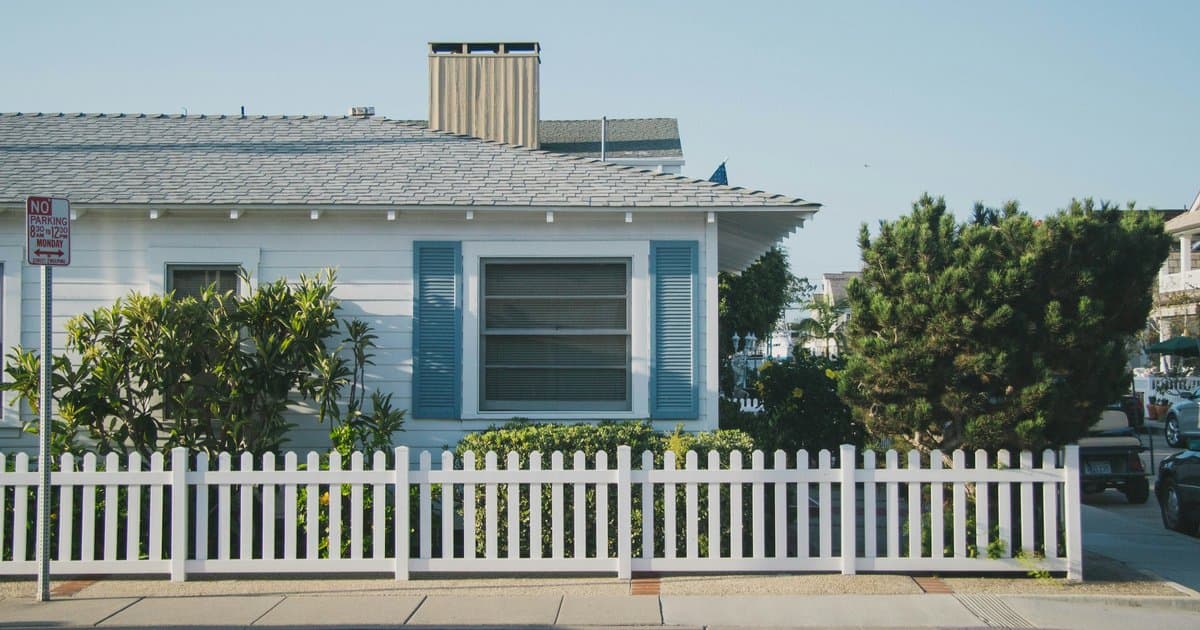
The phrase "as-is" shows up across Los Angeles real estate listings, from trust-sale estate homes in Hancock Park to fire-damaged hillside properties in the canyons. Many sellers reach for this language believing it will limit their disclosure obligations or reduce their liability at closing. That is a costly misunderstanding.
In California, "as-is" is a repair limitation clause, not a disclosure waiver. The distinction matters, and sellers who conflate the two can find themselves facing buyer claims years after a transaction closes.
What "As-Is" Actually Means in a California Purchase Contract
When a seller marks a California Residential Purchase Agreement (CAR RPA) as "as-is," they are signaling one specific thing: they will not negotiate repairs or issue credits after the buyer's inspection. That is the entirety of what the designation covers.
It does not suspend the Transfer Disclosure Statement (TDS). It does not remove the Seller Property Questionnaire (SPQ). It does not limit the Natural Hazard Disclosure (NHD) requirements. And it does not shield the seller from liability for defects they knew about and failed to disclose.
California Civil Code §1102.1 is explicit on this point. It states that "the delivery of a real estate transfer disclosure statement may not be waived in an 'as is' sale." Any waiver attempt is void as against public policy. This is not a gray area, and it cannot be contracted around.
What the Seller Still Has to Deliver
Regardless of whether the property is listed as-is, California sellers of 1-to-4 unit residential properties are generally required to provide a standard disclosure package. That includes:
Transfer Disclosure Statement (TDS). The primary disclosure form under Civil Code §1102, covering the condition of major systems, any known defects, deaths on the property in the last three years, and any improvements or permitted (or unpermitted) work. Recent legislation added AB 455's tobacco and nicotine residue disclosure requirement and AB 723's requirement to disclose AI-generated photo alterations. See the full breakdown in the California Transfer Disclosure Statement guide for LA sellers.
Seller Property Questionnaire (SPQ). A companion document to the TDS, covering additions and alterations, neighbor disputes, neighborhood conditions, and other facts within the seller's knowledge.
Natural Hazard Disclosure (NHD). A third-party report identifying whether the property sits in a flood zone, earthquake fault zone, seismic hazard zone, or Very High Fire Hazard Severity Zone. For hillside, canyon, and coastal properties across Hollywood Hills, Laurel Canyon, and Topanga, this report directly shapes how buyers evaluate insurance costs and rebuild risk.
Wildfire-specific disclosures. Properties in Very High Fire Hazard Severity Zones require compliance with AB 38's defensible space requirements for homes built before 2010. Full details in the Wildfire Disclosures When Selling an LA Home guide.
Other applicable disclosures. Depending on the property: HOA disclosures, death disclosures for deaths within the prior three years, solar panel ownership or lease status, FIRPTA withholding obligations if the seller is a non-US person, and permit-related disclosures for any unpermitted work, including unpermitted accessory dwelling units.
The point is that "as-is" doesn't shorten this list. The TDS and SPQ still go to the buyer. The NHD still gets ordered. The wildfire, solar, and death disclosures still apply where relevant.
What "As-Is" Actually Protects You From
The legitimate use case for as-is language is real and can be a sound strategy in the right circumstances.
When a seller lists a property as-is, they are signaling that the price reflects the property's current condition. Buyers who submit offers understand upfront that they are not inheriting a repair negotiation after inspection. This is useful when:
- The property has deferred maintenance or known condition issues, and the seller prefers to price for those rather than fund repairs before listing
- The seller is a successor trustee or personal representative of an estate with limited firsthand knowledge of the property's repair history
- The property was damaged by fire, flood, or other event and is priced at land or reconstruction value
- The seller wants to avoid the extended post-inspection negotiation cycle that can add two to four weeks to a transaction
Listing as-is effectively takes the CAR Request for Repairs form (Form RR) off the table as a practical matter. Buyers in an as-is transaction still have the contractual right to submit repair requests. The seller simply is not obligated to respond to them or comply with them.
Thinking about listing your Hollywood Hills, Westside, or canyon property as-is? A proper as-is listing strategy involves more than a checkbox in the CAR contract. It starts with pricing correctly for condition and identifying which disclosures apply to your specific property before you go to market. Request a confidential valuation from a Grey Square agent to get started.
Buyer Rights in an As-Is Transaction
Buyers purchasing a property listed as-is retain their full inspection contingency rights under the California RPA. They can order any inspections they choose: general home, sewer scope, roof, geological, pest, pool and spa, chimney. None of those rights are affected by the as-is designation.
What the buyer gives up in practice is the realistic expectation of a post-inspection repair negotiation. The seller has signaled upfront that they won't be making fixes or issuing credits. If the buyer discovers something significant during inspections, their options are:
- Accept the property in its current condition and remove the inspection contingency
- Request a repair or credit (which the seller can decline without obligation)
- Cancel the purchase agreement during the contingency window and recover their earnest money deposit
The last option is important. "As-is" does not trap buyers. If they are not satisfied with what inspections reveal, they can exit during the contingency period with their deposit intact. The designation removes the seller's repair obligation. It does not remove the buyer's investigation rights or their right to walk away.
When the TDS May Not Be Required (And What Still Applies)
There are specific transaction types in California where the TDS form itself is not required. These include:
- Court-ordered sales. Probate sales that require court confirmation, eminent domain actions, and bankruptcy trustee sales are exempt from delivering the TDS form under Civil Code §1102.2.
- REO and lender-owned sales. When a lender acquires a property through foreclosure or deed-in-lieu of foreclosure and resells it, the TDS form is not required.
- New construction with a DRE Public Report. Builders selling newly constructed properties under a Department of Real Estate Public Report are not required to provide the TDS.
In the Los Angeles market, the first category appears regularly. Trust and estate sales in Bel Air, Hancock Park, and the Hollywood Hills often involve successor trustees or personal representatives who never occupied the property. A personal representative selling a property through a court-confirmed probate is generally TDS-exempt under Civil Code §1102.2.
But TDS-exempt does not mean disclosure-free.
Even in court-ordered probate and REO sales, the underlying obligation to disclose known material facts that could affect the buyer's decision remains in effect. The California Department of Real Estate's own disclosure guide is direct on this point. If a personal representative knows the roof leaks, that unpermitted work was done on the rear structure, or that the property sits in a Very High Fire Hazard Severity Zone with outstanding AB 38 violations, those facts need to be communicated to the buyer. The exemption covers the statutory form. It does not cover intentional concealment.
For trust sales specifically, whether the trustee is exempt from the TDS depends on whether they occupied the property and whether the sale goes through court confirmation. Many trust sales in Los Angeles close through a standard escrow without court involvement, and the trustee-seller may not be automatically TDS-exempt. See the full breakdown of how these transactions work in Trust Sale in California: What Los Angeles Trustees Need to Know.

| What "As-Is" Covers | What "As-Is" Does Not Cover |
|---|---|
| No obligation to make repairs after inspection | TDS and SPQ delivery requirements |
| No obligation to issue buyer credits at close | NHD and wildfire disclosure requirements |
| Sets buyer expectations upfront about condition | Death disclosure (for deaths within prior 3 years) |
| Removes active repair negotiation from the transaction | Known material defect disclosure obligation |
| Can shorten post-inspection negotiation period | Fraud and misrepresentation liability |
Selling your home as-is in Los Angeles does not mean skipping the paperwork. It means going in with a clear strategy, correct pricing, and full disclosure compliance from day one. Contact Grey Square to talk through whether an as-is approach makes sense for your property.
Frequently Asked Questions
Does listing my Los Angeles home "as-is" mean I don't have to fill out the TDS?
No. California Civil Code §1102.1 explicitly states that TDS delivery cannot be waived in an as-is sale, and any attempt to waive it is void as against public policy. The only sellers generally exempt from the TDS form are those selling through a court-confirmed probate, selling a lender-owned property after foreclosure, or selling newly constructed homes with a DRE Public Report. Standard residential listings, including as-is listings, are not exempt.
Can a buyer still back out of an as-is purchase in California?
Yes. Buyers retain their full inspection contingency rights regardless of the as-is designation. They can order any inspections they want, review the results, and cancel the purchase during the contingency period if they are not satisfied. The as-is designation removes the seller's obligation to make repairs. It does not remove the buyer's right to walk away.
I'm selling an inherited home in Los Angeles I never lived in. What do I have to disclose?
If you are a successor trustee or personal representative and you never occupied the property, you may be exempt from delivering the TDS form itself, depending on whether the sale requires court confirmation and other factors. But the duty to disclose known material facts never goes away. If you are aware of defects, hazards, unpermitted work, or other conditions that would affect a buyer's decision, those need to be disclosed regardless of whether the TDS form is required.
If someone buys my home as-is and has problems later, can they still sue me?
They can attempt to, if they can show you knew about a material defect and concealed it. The as-is clause does not protect sellers from fraud or intentional nondisclosure. Completing the TDS, SPQ, NHD, and all applicable hazard disclosures honestly and thoroughly is what actually limits post-sale liability. The as-is designation protects you from repair negotiations. Disclosure compliance is what protects you from litigation.
Who is the best real estate agent to handle an as-is sale in the Hollywood Hills or across the Westside?
The right agent for an as-is listing at this level of the market understands California's disclosure framework well enough to protect the seller on the compliance side, and has a buyer network that knows how to evaluate a property based on condition rather than presentation. I've worked with sellers across Hollywood Hills, Beverly Hills, Bel Air, and the Westside on as-is and estate listings where the disclosure picture is more complex than a standard sale. If you are weighing an as-is strategy for your property, schedule a conversation with the Grey Square team before you decide how to position it.
I work with sellers across the Westside and the canyons on listings where condition, disclosure strategy, and pricing are all connected. As-is transactions go sideways not usually because sellers hide things deliberately, but because they misunderstand what the designation actually covers. Getting the disclosure package right from the start is what keeps the deal together and keeps liability off the table after close.
Paul Blair is the founder and broker of Grey Square, a virtual real estate brokerage representing buyers and sellers across Dallas and Los Angeles. With 22 years in the business and more than $200 million in closed transactions, Paul works the full range of the market, from luxury homes in the Park Cities and Preston Hollow to estates in the Hollywood Hills and across the Westside. Connect with Paul and the Grey Square team at greysq.com. TX TREC #9011505 · CA DRE #01792671.