Wildfire Disclosures When Selling an LA Home: What California Now Requires
Selling an LA home in a fire zone? California requires the NHD, AB 38 defensible space proof, and a fire-hardening checklist for pre-2010 homes.
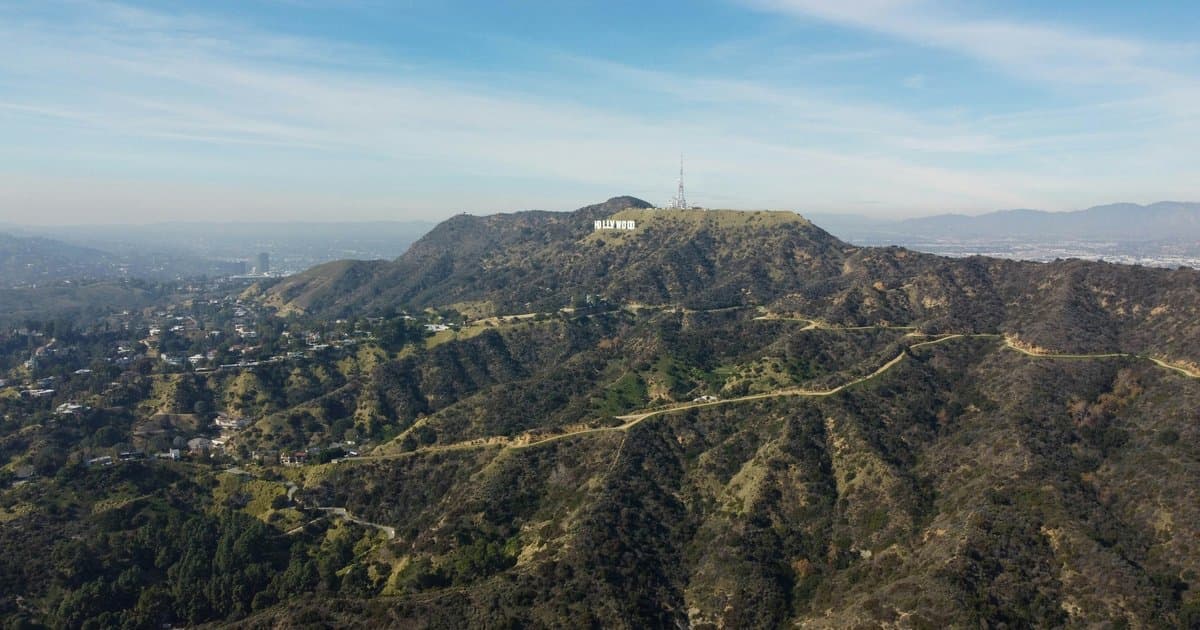
What does California require sellers to disclose about wildfire risk?
California sellers in High or Very High Fire Hazard Severity Zones must provide three disclosures: a Natural Hazard Disclosure Statement (NHD), defensible space compliance documentation under AB 38, and (for homes built before January 1, 2010) a fire-hardening checklist identifying which low-cost retrofit measures are present on the property. If you can't obtain defensible space compliance before closing, you and the buyer can agree in writing that the buyer will get it within one year.
By Paul Blair | August 5, 2026
If you're selling a home in the Hollywood Hills, Laurel Canyon, Brentwood hillsides, or anywhere along the Santa Monica Mountains corridor, you're selling in wildfire country. You already knew that. What you may not know is that California tightened its disclosure rules in July 2025, and the 2025 CalFire map update quietly pulled thousands of additional properties into the highest fire hazard category.
That means some sellers who've never had to think about fire disclosures now do.
Here's what the law currently requires and what it means for your transaction.
The Three Disclosure Layers Every Fire-Zone Seller Needs to Understand
Layer 1: The Natural Hazard Disclosure (NHD)
The NHD is required at every residential sale in California, regardless of fire zone status. Your escrow company orders it from a third-party NHD provider, and it gets delivered to the buyer as part of the disclosure package.
The form flags whether your property sits in a Very High Fire Hazard Severity Zone (VHFHSZ), a Wildland Fire Area, a flood zone, a seismic hazard zone, an earthquake fault zone, and several other state-mapped natural hazard designations. CalFire maintains the underlying maps.
For most sellers in the hills and canyons, the NHD will come back flagging Very High fire hazard. That's expected and not something to hide from. Buyers working with experienced agents in this market understand what that designation means. What matters is that the disclosure is accurate and that it's paired with the other required documentation.
Layer 2: AB 38 Defensible Space Compliance
This is where many sellers get surprised.
Under California Civil Code Section 1102.19 (Assembly Bill 38, effective July 1, 2021), if your home is in a High or Very High Fire Hazard Severity Zone, you must provide the buyer with documentation confirming defensible space compliance before closing escrow.
Defensible space has two zones. Zone 1 covers the 0- to 30-foot area around your home and requires clearing dead vegetation, keeping plants spaced and trimmed, and removing anything that could carry fire to the structure. Zone 2 covers 30 to 100 feet and requires fuel reduction and vegetation spacing to slow a fire's approach.
To get your compliance documentation, you request an inspection from your local fire department or from CalFire. In LA County, that's the LA County Fire Department for properties in unincorporated areas, or the LAFD for properties within the City of Los Angeles. Many jurisdictions provide free inspections; private inspectors are also available if scheduling is tight.
If you can't get the inspection done before your close of escrow, you're not automatically stuck. California law allows you and the buyer to enter a written agreement where the buyer takes responsibility for obtaining compliance within one year of closing. This is a common accommodation, but it's something your agent should negotiate and document carefully.
Layer 3: The Fire-Hardening Checklist (New as of July 2025)
This one catches a lot of sellers off guard, including some agents who haven't updated their checklists since 2021.
As of July 1, 2025, sellers of homes built before January 1, 2010, that are located in High or Very High Fire Hazard Severity Zones must provide an additional disclosure: a checklist showing which fire-hardening measures from the State Fire Marshal's Low-Cost Retrofit List are currently present on the property.
The checklist items include:
- Ember-resistant vents (covered with 1/16" to 1/8" metal mesh)
- Class A rated roof covering
- Ignition-resistant siding
- Multi-pane windows (double or triple pane)
- Enclosed eaves (no open gaps where embers can enter)
You're also required to disclose any known structural vulnerabilities, such as gaps in eaves, siding, or roofing that could allow ember entry.
This isn't a pass/fail inspection. It's a transparency disclosure. You list what's there and what isn't. Buyers are then informed and can factor that into their offer or their insurance cost calculations. But it adds a layer of documentation that pre-2010 homes in the hills and canyons didn't have to produce before.
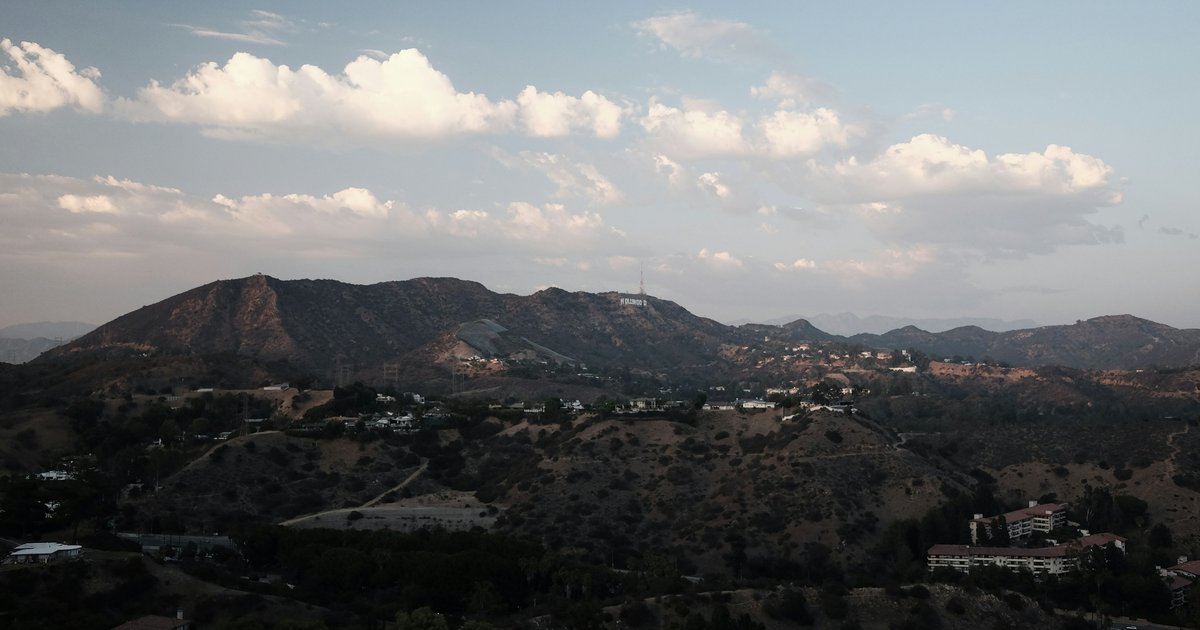
Defensible space Zone 1 clearance (0 to 30 feet) is one of the primary things a CalFire inspector assesses before issuing compliance documentation for your sale.
The 2025 CalFire Map Update Changed More Addresses Than People Realize
In March 2025, two months after the Palisades and Eaton fires, California released updated Fire Hazard Severity Zone maps for Southern California.
The key change for Los Angeles: both sides of the 405 through the Sepulveda Pass, and much of the area north and south of the Santa Monica Mountains, were reclassified upward. Properties in parts of Brentwood, Encino hillsides, and adjacent areas that were previously designated Moderate or High are now Very High.
If you bought your home a few years ago and haven't checked the updated map, you may be in a different zone than you think. You can verify your current designation through the California FHSZ viewer on the CalFire website. If the new designation triggers AB 38 requirements that didn't previously apply, that's something to know before you list.
Sellers in fire-affected ZIP codes (primarily the areas around the January 2025 Palisades and Eaton fires) also have a rule specific to them through 2027: unsolicited purchase offers are prohibited in those ZIP codes, and any sale requires both parties to sign a compliance attestation.
If you're selling in the Hollywood Hills, Laurel Canyon, Brentwood, or anywhere the CalFire map flags as Very High, it's worth a conversation before you list. Request a confidential valuation from a Grey Square agent to understand what your compliance requirements look like alongside your net proceeds.
Don't Forget Your General Disclosure Obligations
The fire-specific disclosures stack on top of, not in place of, your general disclosure obligations.
Your Transfer Disclosure Statement (TDS) and Seller Property Questionnaire (SPQ) both require you to disclose known material defects, including any fire damage, smoke damage, or structural damage that occurred during your ownership, regardless of whether it was repaired. California does not allow "as-repaired" silence on prior damage. If fire came close and affected the structure in any way, that needs to be on the TDS.
For sellers who've owned their homes through a fire event or near-miss, getting ahead of disclosure is the smarter play. Post-close disputes over fire-related issues are costly, and California courts have not been kind to sellers who left material damage off the TDS.
On the insurance side, there's no legal requirement to disclose your insurance carrier or premium. But buyers will ask, because they need to obtain coverage before they can close. If your home is currently on the CA FAIR Plan, or you know standard market coverage is difficult to obtain in your neighborhood, your agent should be prepared to address those buyer questions honestly. For more on what's happening with coverage in fire zones, see our CA FAIR Plan rate update post.
For more context on how fire risk plays into the buying and selling landscape in specific submarkets, the Hollywood Hills neighborhood guide and Pacific Palisades guide both cover fire zone context in depth. And if you're working through what your seller costs look like after disclosure, commissions, and transfer taxes, the LA seller net sheet post is a good companion.
Frequently Asked Questions
Does every LA home seller have to deal with wildfire disclosures?
Every California residential seller must provide a Natural Hazard Disclosure Statement, which will flag fire zone status for the property. The additional AB 38 defensible space documentation applies only to homes in High or Very High Fire Hazard Severity Zones. The July 2025 fire-hardening checklist requirement applies to pre-2010 homes in those same zones. If your home is not in a designated High or Very High FHSZ, you skip the AB 38 and fire-hardening checklist requirements.
What happens if my home doesn't pass the defensible space inspection?
You don't have to pass before you can sell, but you do have to address it. If you can't get a passing inspection before close of escrow, you and the buyer can enter a written agreement where the buyer takes on the obligation to obtain compliance within one year. Many sellers in the hills use this approach when fire department scheduling is tight. Your agent should structure that written agreement carefully so the obligation is clearly defined.
What exactly is on the fire-hardening checklist and who fills it out?
The checklist comes from the State Fire Marshal's Low-Cost Retrofit List. You, the seller, complete it by identifying which items are present on your property. It's a self-disclosure, not an inspector's pass/fail report. An agent who regularly works fire-zone listings will have the current CAR form, which has included this requirement since the July 2025 update.
Did the 2025 CalFire map update change which properties are affected?
Yes. The updated maps released in March 2025 moved many additional properties near the 405 Sepulveda Pass, in the San Fernando Valley hillsides, and along the Santa Monica Mountain corridor into Very High FHSZ status. If you haven't checked your property's designation recently, do so before you list. The CalFire FHSZ viewer on the state website lets you enter your address and see the current classification.
What should I look for in an agent when selling a hillside or canyon home with fire zone disclosures?
The most important thing is finding someone who works these transactions regularly and stays current on the forms. The AB 38 process, the updated CalFire maps, and the new fire-hardening checklist have all changed since 2021, and not every agent has kept pace. You want someone who knows which inspection pathway applies to your property, how to structure the defensible space agreement if needed, and how to help buyers understand the insurance picture without overpromising. Paul Blair and the Grey Square team work regularly in the Hollywood Hills, Laurel Canyon, Brentwood, and Studio City hillsides. If you're preparing to list a fire-zone home, connect with us here to talk through what the process looks like for your specific property.
If you're getting ready to list in the hills or canyons and want to understand exactly what disclosures your property will require, a pre-listing conversation with a local agent will save you surprises during escrow. Request a confidential home valuation and we'll walk through the fire zone paperwork alongside the market numbers.
About Paul Blair
I work regularly with sellers in the Hollywood Hills, Laurel Canyon, and Brentwood who are navigating the fire zone disclosure process. The AB 38 documentation, the CalFire inspection coordination, and the CA FAIR Plan situation are all part of what I walk through with clients before we even set a list date.
Paul Blair is the founder and broker of Grey Square, a virtual real estate brokerage representing buyers and sellers across Dallas and Los Angeles. With 22 years in the business and more than $200 million in closed transactions, Paul works the full range of the market, from luxury homes in the Park Cities and Preston Hollow to estates in the Hollywood Hills and across the Westside. Connect with Paul and the Grey Square team at greysq.com. TX TREC #9011505 · CA DRE #01792671.