What Does It Actually Cost to Buy in Pacific Palisades in 2026?
Pacific Palisades home prices, rebuild lot values, and insurance costs in 2026, explained for buyers and sellers weighing the post-fire market.
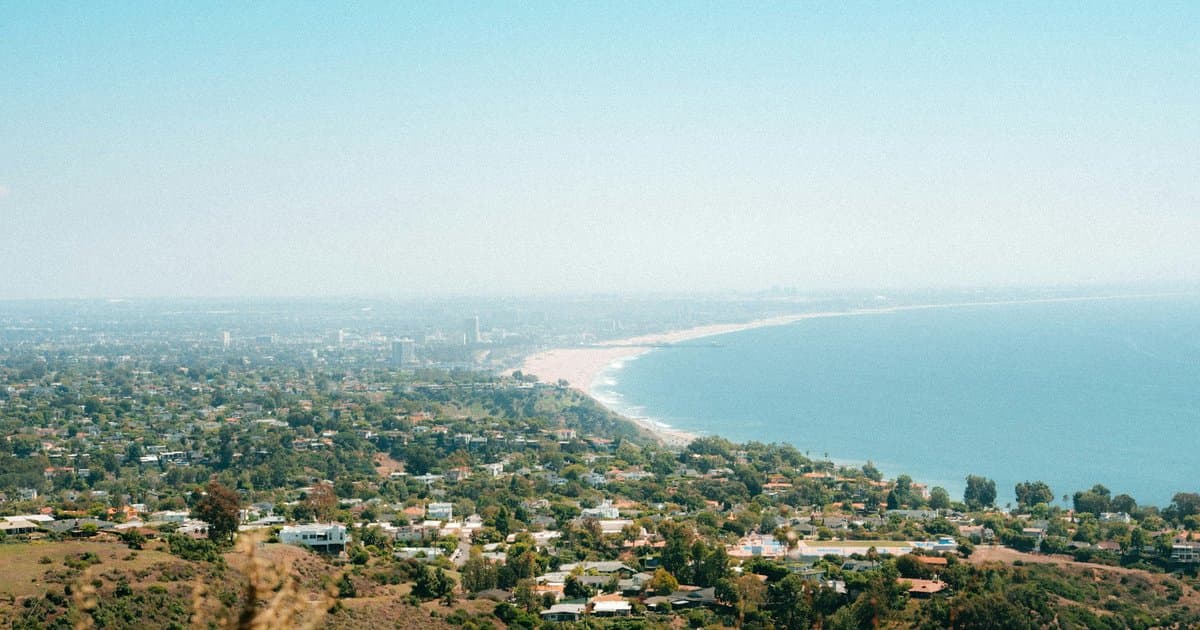
What does it actually cost to buy in Pacific Palisades in 2026? Right now, the median sale price sits at roughly $2.83 million, down more than 30 percent from a year earlier, while the average home value across the neighborhood is closer to $3.04 million, itself down almost 11 percent year over year, according to Zillow and Redfin. Those numbers say less about what Pacific Palisades is worth long-term and more about where the market sits eighteen months after the January 2025 fire: real buyer demand, a lot market moving on its own track, and a rebuild timeline still working itself out street by street.
I've spent enough time on the Westside over the past two decades to know that Pacific Palisades has always priced differently than the rest of the coastline. It never behaved like Malibu, with its scattered, gated compounds along PCH, and it never behaved like Santa Monica, with its walkable grid and condo stock. Palisades has always been a single-family, canyon-and-bluff neighborhood built around its own village center and a set of sub-areas that longtime residents navigate by name more than by zip code. That structure is still there. What changed is the inventory sitting on top of it.
The sub-areas, and how the fire touched them differently
Pacific Palisades isn't one market, it's several, and that was true before January 2025 and it's still true now. The Alphabet Streets, the tight grid of residential blocks named consecutively from the letter A on down, sit close to the village and have always traded at a premium for walkability. Marquez Knolls splits into an upper and lower section, with the upper section climbing toward better ocean and canyon views. Huntington Palisades, one of the most expensive enclaves in the neighborhood, carries lot sizes from roughly 7,000 up to 30,000 square feet, with homes there historically clearing $15 million and up. Palisades Highlands sits furthest north, closer to Topanga State Park, in a mix of gated and non-gated streets built more recently than the rest of the neighborhood. The Riviera, Castellammare, and Rustic Canyon round out the picture, each with its own lot sizes and rebuild timeline.
Burn severity and rebuild pace have not been uniform across these sub-areas, so the neighborhood-wide price averages quoted in headlines can obscure real differences block to block. A buyer looking at the Alphabet Streets today faces a very different inventory picture than a buyer looking at Huntington Palisades or the Highlands, before even getting into lot-specific factors like debris clearance status, slope, and whether a rebuild permit has already been pulled.
What's actually selling, and what a lot costs
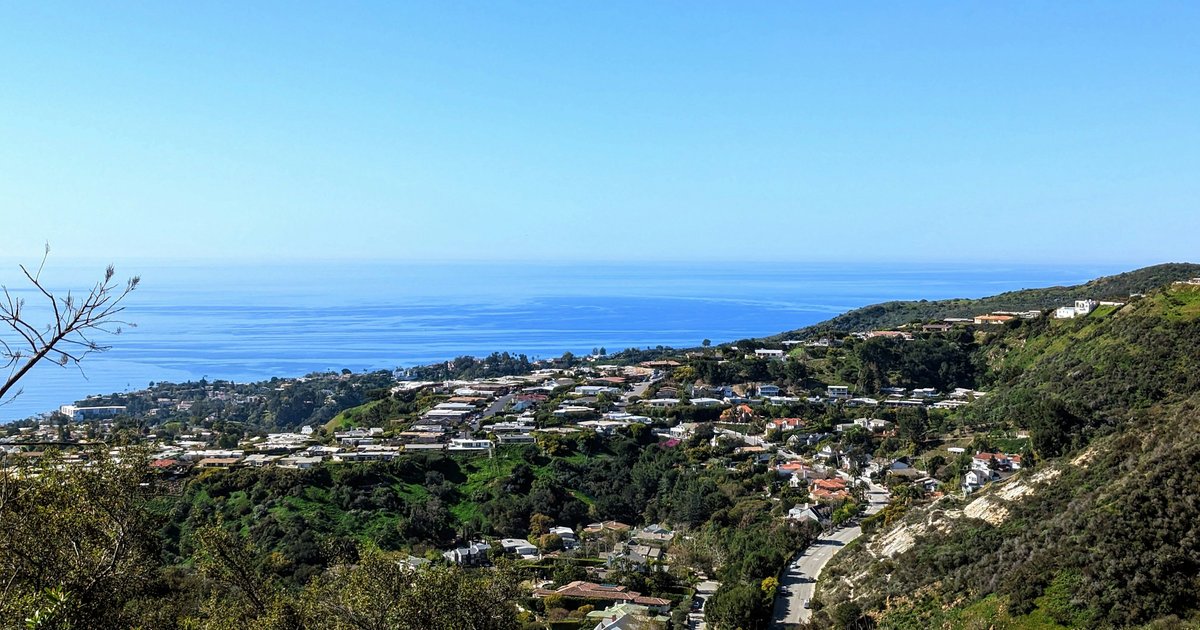
Two separate markets are trading in Pacific Palisades right now, and buyers need to be clear about which one they're in. The first is standing homes that survived the fire, which is where the median and average price figures above come from. Homes in that segment have sold in about 55 days on average over the past few months, at roughly 3 percent below asking, per Redfin's neighborhood data. The second market is cleared or clearing lots, which trades on its own logic: size, slope, view, and how far along the debris removal and permitting process is. Lot prices have generally run between $1.1 million and $2.8 million depending on those factors, with an average time on market of roughly 35 days, according to reporting from Canyon News. Lots move faster than finished homes because the buyer pool for a lot is builders and owner-rebuilders who already know what they're buying.
Overall active inventory is still thin. As of the first quarter of 2026, listing counts sat roughly 60 percent below the neighborhood's five-year pre-fire average, the biggest reason serious offers are still landing close to list price on available homes, even with year-over-year price declines showing up in the aggregate numbers.
Insurance is the first conversation, not the last one
If you're buying or rebuilding in Pacific Palisades in 2026, insurance is not a detail you sort out after you're in contract. It's often the first phone call. Private carriers pulled back sharply in the neighborhood well before the fire: State Farm dropped close to 70 percent of its Pacific Palisades policyholders in mid-2024, and the California FAIR Plan, the state's insurer of last resort, saw its policy count in the 90272 zip code surge 85 percent between 2023 and 2024 alone, according to Insurance Business magazine. The FAIR Plan caps residential coverage at $3 million, which matters directly for anyone rebuilding at the upper end of Huntington Palisades or the Riviera, where reconstruction costs alone can approach that ceiling before land is counted.
Some buyers now underwrite FAIR Plan premiums the way they'd underwrite a mortgage payment, budgeting tens of thousands of dollars a year into carrying costs before asking about square footage. That's worth raising with a lender and an insurance broker before writing an offer, not after.
Request a confidential valuation if you're weighing whether to rebuild, sell the lot, or list a standing home in Pacific Palisades. See what your home could sell for.
Permits and the rebuild timeline
The City of Los Angeles has processed a meaningful volume of rebuild activity in Pacific Palisades. As of early 2026, LADBS had approved more than 3,090 building and electrical permits in the neighborhood, out of more than 6,600 applications filed across both the Palisades and Eaton burn areas, per LADBS's homeowner rebuilding resources. Processing for qualifying like-for-like rebuilds has run roughly four to seven months from application to approval, with permit fees waived under the mayor's emergency order and a new pre-approved standard plan program meant to shorten timelines further.
Progress hasn't been a straight line. Reporting from Crosstown, the nonprofit Los Angeles data journalism outlet, found the pace of new rebuild starts slowing into early 2026 even as cumulative permit totals climbed, a reminder that permit approval and a shovel going into the ground are two different milestones. Every new structure in the burn area also falls under California's updated Wildland-Urban Interface building code (Title 24, Part 7), effective January 1, 2026, which adds ember-resistant vents, Class A roofing, and defensible-space requirements to the cost of any rebuild.
Who's actually buying here right now
The buyer pool in Pacific Palisades today splits fairly cleanly into three groups: longtime residents rebuilding on their original lots, who account for a meaningful share of permit activity and aren't "buyers" so much as owners restarting a project; builders and investors purchasing cleared lots with a rebuild-and-sell plan already in mind, drawn by the 35-day average time on market for lots; and buyers from outside the immediate area, drawn by price adjustments on standing homes that would not have been available at this level before the fire, but underwriting the insurance and rebuild-timeline risk with open eyes rather than treating the neighborhood as a discount play.
Comparing Pacific Palisades to its neighbors helps frame where it sits today. Malibu, to the north, carries similar fire-zone insurance dynamics but trades on larger, more scattered lots with less of a walkable village center. Santa Monica, to the south, is a separate incorporated city with its own transfer tax structure and denser housing stock, largely outside the wildfire-zone conversation. Pacific Palisades sits between the two: canyon-and-bluff terrain like Malibu, with the village center and single-family character that has always set it apart on the Westside.
Comparing the current market to nearby areas
| Area | Median / Average Price (2026) | Days on Market | Fire-Zone Insurance Factor |
|---|---|---|---|
| Pacific Palisades | ~$2.83M median / ~$3.04M average | ~55 days | High; FAIR Plan reliance elevated |
| Malibu | Generally higher per-lot, wider range | Varies by segment | High; similar WUI code exposure |
| Santa Monica | Lower average, denser stock | Typically faster-moving | Low; largely outside VHFHSZ |
Frequently Asked Questions
Is Pacific Palisades a buyer's market or a seller's market right now? It's split by inventory. Listing counts are running roughly 60 percent below the pre-fire five-year average, which keeps well-priced homes moving close to asking even as year-over-year median prices are down. It behaves like a seller's market on scarce, move-in-ready inventory and a buyer's market on rebuild lots where supply is more plentiful.
How much does homeowners insurance cost in Pacific Palisades in 2026? It varies widely by lot, structure, and carrier, but private coverage has become harder to secure since 2024, pushing many owners onto the California FAIR Plan, which caps residential coverage at $3 million. Get a firm insurance quote, not an estimate, before removing contingencies.
How long does it take to get a rebuild permit approved in Pacific Palisades? For qualifying like-for-like rebuilds, LADBS has generally processed permits in about four to seven months from application to approval as of early 2026, with permit fees waived under the mayor's emergency order for qualifying projects.
Should I buy a cleared lot or a standing home in Pacific Palisades? That depends on timeline, builder relationships, and risk tolerance for the permitting process. Lots have traded faster than finished homes and at a discount that reflects the construction cost still ahead. A standing home removes the rebuild timeline entirely but comes at a different price point.
What's the difference between the Alphabet Streets, Marquez Knolls, and Huntington Palisades? They're distinct sub-areas with different lot sizes, elevations, and proximity to the village. The Alphabet Streets sit close to the village center on a tighter grid, Marquez Knolls splits into upper and lower sections with view premiums at elevation, and Huntington Palisades carries some of the neighborhood's largest lots and highest price points.
If you're evaluating a purchase in Pacific Palisades, whether that's a standing home, a rebuild lot, or a property you're comparing against options in Malibu or the Westside more broadly, I can walk through the insurance, permitting, and pricing picture directly. Schedule a private consultation.
I've represented buyers and sellers across the Hollywood Hills and the Westside long enough to have watched neighborhoods rebuild before, and Pacific Palisades is doing it in real time, block by block, permit by permit. Paul Blair is the founder and broker of Grey Square, a virtual real estate brokerage representing buyers and sellers across Dallas, Los Angeles and Houston. With 22 years in the business and more than $140 million in closed transactions, Paul works the full range of the market, from luxury homes in the Park Cities and Preston Hollow to estates in the Hollywood Hills and across the Westside. Connect with Paul and the Grey Square team at greysq.com. TX TREC #9011505, CA DRE #01792671.
For more on how nearby Westside and hillside markets are pricing right now, see the Hollywood Hills neighborhood guide, the Santa Monica neighborhood guide, and the Bel Air property spotlight. Browse current Los Angeles inventory at greysq.com/search/los-angeles.
Looking at homes in Los Angeles?
We check the zone, the taxes and the comps before you tour, so the house you buy is the one you decided on.