What Does It Actually Cost to Live in the Hollywood Hills in 2026?
Hollywood Hills home prices range from under $1M in the flats to $20M+ in the Bird Streets. Here's what shapes value in 2026.
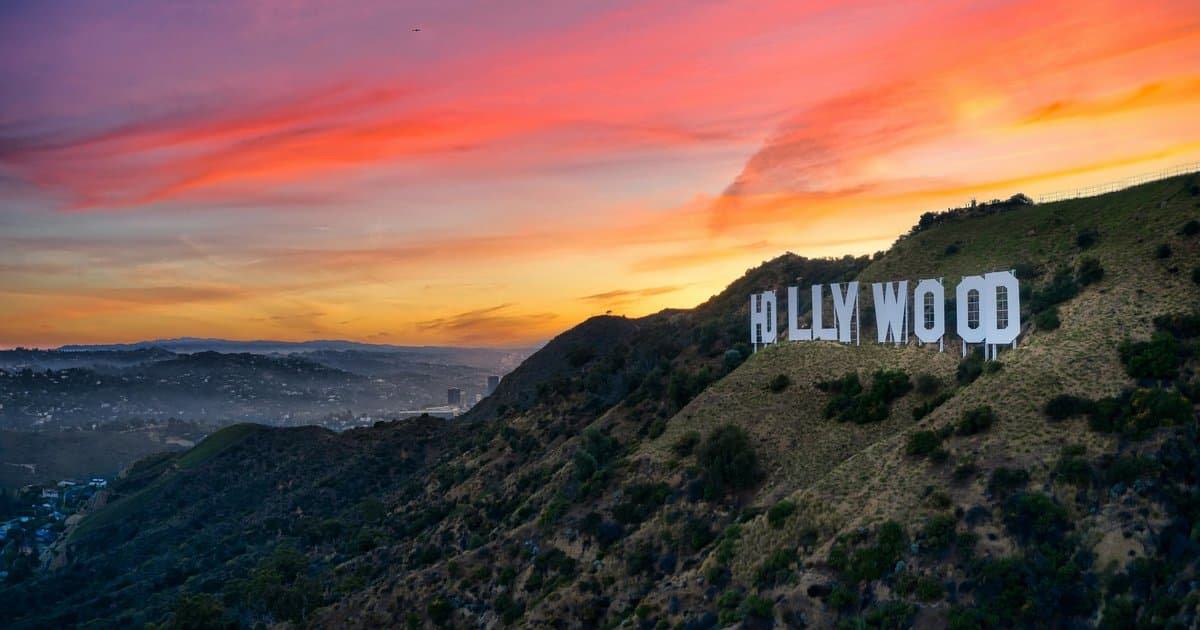
What does it actually cost to buy a house in the Hollywood Hills in 2026? The honest answer is that it depends entirely on which Hollywood Hills you mean. Zillow's tracked boundary for the neighborhood puts the average home value at $1,953,972, down 1.3% over the past year, with a median sale price of $2,106,667 as of May 2026 and a median list price of $2,498,000 (Zillow). That number blends modest homes near the Cahuenga Pass with view estates in the Bird Streets that list well into eight figures, and the distance between those two markets is really the whole story of buying here.
The character of the hills
Grey Square's full Hollywood Hills community overview covers current listings; this guide focuses on what the neighborhood is actually like to buy into. Drive up from Sunset Boulevard and the neighborhood changes block by block. The Bird Streets, the pocket of curving lanes named for birds (Robin Drive, Nightingale Drive, Oriole Drive) sit above the Strip and are some of the most tightly held addresses in Los Angeles: narrow, hedge-lined roads where most homes are built for the view rather than the street frontage. Just below them, Sunset Plaza offers a similar elevation with a shorter walk down to restaurants and shops on Sunset. Runyon Canyon Park sits at the eastern edge of the neighborhood, a public trailhead that borders several of the residential streets above Fuller and Vista.
Mulholland Drive runs the ridgeline for the length of the neighborhood, and most of the canyon streets below it (Outpost Drive, Woodrow Wilson Drive, Wonderland Avenue) climb up to meet it from Franklin or Sunset. These are the streets where lot shape and grade matter as much as square footage: a flat pad is unusual, and most homes are built into the hillside with the living space stacked over a garage or a motor court.
Walkability varies as much as the terrain. Hollywood Hills West carries an overall Walk Score of 72, but that average hides a wide range: streets near Hollywood Boulevard score in the 90s, while canyon roads a half mile up toward Mulholland can drop into the 50s, meaning a car is required for daily errands.
Price bands by micro-area
Based on Zillow's neighborhood data and current inventory, three general price bands describe the market:
| Area | Typical price range | Property type |
|---|---|---|
| Cahuenga Pass / Hollywood Hills flats | $900,000 to $1.8M | Older single-family homes, smaller lots, some condos |
| Central canyon streets (Outpost, Wonderland, Woodrow Wilson) | $1.8M to $4M | Mid-century and contemporary rebuilds, view lots |
| Bird Streets and Sunset Plaza | $4M to $20M+ | New-construction view estates, larger compounds |
Inventory as of late June 2026 sits at 385 active listings across the broader Zillow-defined neighborhood, with homes going to pending in a median of 39 days and roughly a quarter of sales closing over list price (Zillow).
How it compares to the neighbors
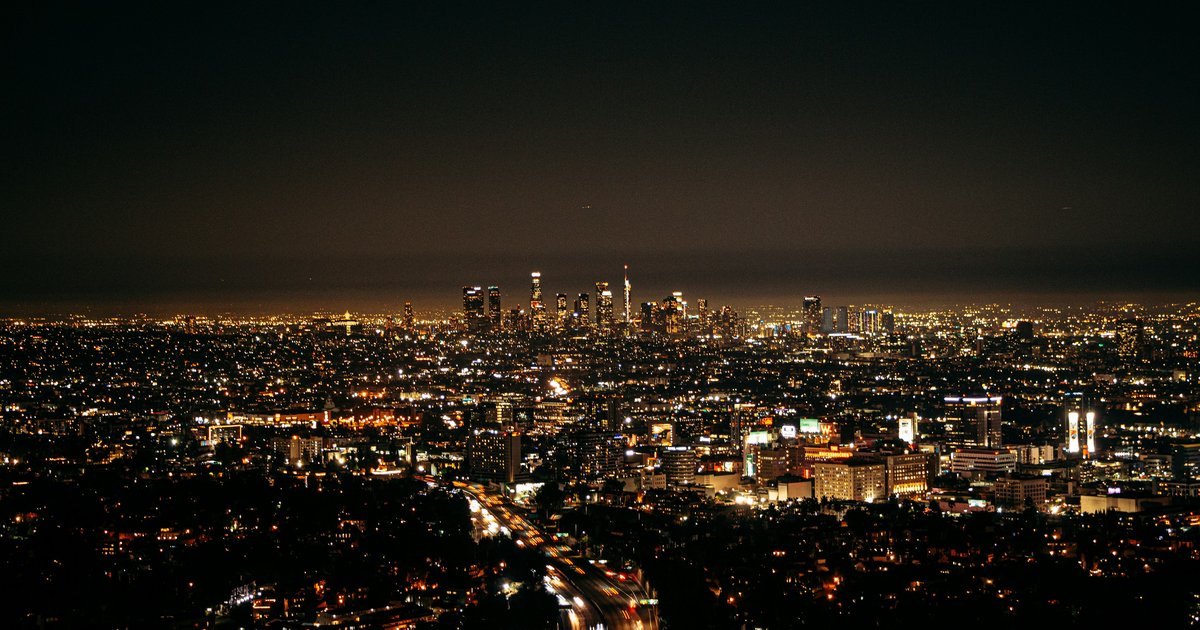
Beverly Hills, just to the south and west, trades on flatter lots and larger house sizes on average, with a more formal, estate-lot feel south of Sunset. Bel Air, further west along Mulholland, runs larger still, with gated streets and acreage lots that the Hollywood Hills mostly doesn't have. Laurel Canyon, the next canyon over, sits at a lower average price point with smaller, older homes on tighter lots (we covered Laurel Canyon's price bands and streets in a separate guide). Hollywood Hills sits between these in most respects: closer to Beverly Hills prices at the top end (Bird Streets), closer to Laurel Canyon character in the older canyon-street homes below Mulholland.
Wildfire zones and insurance
A meaningful share of Hollywood Hills parcels, especially those on canyon streets and along the ridge near Mulholland, fall inside a Very High Fire Hazard Severity Zone under CAL FIRE's current mapping. That designation triggers the Natural Hazard Disclosure requirement at sale and, increasingly, affects what standard homeowners insurance carriers will write. We've covered the FAIR Plan's rate increases and what they mean for hillside sellers in more detail in a separate post; buyers and sellers on any Hollywood Hills canyon street should check a property's specific zone designation and current insurability before writing or accepting an offer, not after.
Construction and remodeling on hillside lots also fall under the City of Los Angeles Baseline Hillside Ordinance, which caps cumulative grading at 500 cubic yards plus 5% of lot size on properties with a natural slope of 15% or greater. Anyone planning an addition, a pool, or a significant remodel on a canyon lot should confirm the property's hillside status and grading history before assuming a project is straightforward.
Measure ULA and the upper end
For sales at the top of the Hollywood Hills market, the Bird Streets and Sunset Plaza estates in particular, Measure ULA's transfer tax is a real line item in the net sheet. Effective July 1, 2026, the city's indexed thresholds moved to $5.4 million and $10.9 million, with a 4% tax applying above the first threshold and 5.5% above the second (Los Angeles Office of Finance). A seller closing a $6 million Bird Streets sale today owes the tax on the full sale price, not the gain, so it belongs in the pricing conversation from the start rather than as a surprise at closing. For sellers weighing the full net-proceeds picture at that price point, our breakdown of what LA sellers pay at closing walks through the rest of the deductions alongside the ULA tax.
Considering a purchase or sale in the Hollywood Hills? Schedule a private consultation to talk through pricing by micro-area, current inventory, and what a specific canyon street or Bird Street address means for your timeline.
Frequently Asked Questions
How much does a house cost in the Hollywood Hills in 2026? Zillow's neighborhood average sits at $1,953,972, with a median sale price of $2,106,667 as of May 2026 (Zillow). Actual prices vary widely by micro-area, from under $1.5 million in the Cahuenga Pass flats to $4 million and up in the Bird Streets and Sunset Plaza.
Are Hollywood Hills homes in a wildfire hazard zone? Many canyon and ridge-adjacent parcels fall inside a Very High Fire Hazard Severity Zone under CAL FIRE's current mapping. Zone status affects both the Natural Hazard Disclosure at sale and current insurance availability, so it's worth checking before making an offer.
Does Measure ULA apply to Hollywood Hills sales? Yes, for any Los Angeles city sale above the indexed thresholds, which moved to $5.4 million and $10.9 million effective July 1, 2026 (LA Office of Finance). That primarily affects Bird Streets and Sunset Plaza sales rather than the lower-priced flats near Cahuenga Pass.
What is the Baseline Hillside Ordinance? It's the Los Angeles Municipal Code section that limits grading on properties with a natural slope of 15% or greater, capping cumulative cut and fill at 500 cubic yards plus 5% of lot size (LA City Planning). It applies to most canyon-street parcels in the Hollywood Hills and matters for anyone planning a remodel, addition, or pool.
How does Hollywood Hills compare to Bel Air or Beverly Hills? Bel Air and Beverly Hills generally offer larger, flatter lots and larger average house sizes. Hollywood Hills lots are more often built into a slope, with smaller footprints and a heavier weight on view and privacy than on flat yard space.
Start a conversation about buying or selling in the Hollywood Hills to get current inventory and pricing for the specific street or micro-area you're considering.
About the author
I've represented both buyers and sellers on Hollywood Hills transactions, including representing both sides of a $4.25 million sale on Franklin Avenue, a resort-style compound with downtown and ocean views. It's a neighborhood where the address on paper tells you very little until you know the street, the grade, and which direction the view faces.
Paul Blair is the founder and broker of Grey Square, a virtual real estate brokerage representing buyers and sellers across Dallas and Los Angeles. With 22 years in the business and more than $200 million in closed transactions, Paul works the full range of the market, from luxury homes in the Park Cities and Preston Hollow to estates in the Hollywood Hills and across the Westside. Connect with Paul and the Grey Square team at greysq.com. TX TREC #9011505 · CA DRE #01792671.