The Backup Offer in California: What Los Angeles Buyers and Sellers Need to Know
A backup offer in California can save a deal or resurrect one. Here's how the BUO addendum works and whether a backup position is right for you in Los Angeles.

You submitted your best offer on that Hollywood Hills estate. The listing agent called and told you another buyer got there first. Before you move on completely, ask your agent one question: is the seller accepting a backup offer?
In Los Angeles real estate, the backup offer is one of the most underused tools available to buyers, and one of the most misunderstood safeguards available to sellers. This post covers how backup offers work in California, what the process looks like in practice, and how to decide whether a backup position makes sense for your situation.
What a Backup Offer Actually Is
A backup offer is a fully executed purchase contract that takes effect only if the first deal falls through. It is not a letter of intent. It is not a verbal promise. In California, a backup offer is documented on C.A.R. Form BUO (Back-Up Offer Addendum), which attaches to a standard Residential Purchase Agreement and includes language making the contract contingent on the cancellation of the primary contract.
Once both parties sign the BUO and the underlying RPA, the backup buyer is legally bound by the same terms as any primary buyer, with one exception: the contract does not go into force until the seller sends written notice that the first deal has ended.
At that moment, the backup automatically becomes the new primary contract. No renegotiation. No new offer. The deal you already signed is the deal you are now in.
How Backup Positions Work in CRMLS
When a seller accepts a backup offer on a California MLS listing, the agent updates the CRMLS status to reflect a backup offer received. The property remains in a contingent or pending status from the outside but is flagged internally so other agents know a backup position is occupied.
A listing can technically carry more than one backup position, with subsequent buyers ranked in order of acceptance. In practice, most sellers in the Los Angeles luxury market do not stack multiple backup positions. One backup offer provides the coverage they need without complicating the primary deal unnecessarily.
What Sellers Need to Know
You are not locked in, and neither is your property. Accepting a backup offer does not prevent you from continuing to show the home, and it does not obligate you to keep the listing off the market. If additional qualified buyers want to tour the property while you are in primary contract, you can accommodate those showings. If a new offer comes in that is superior to your existing backup, you have options, though you will want to consult with your agent about how to manage that sequence properly.
The backup gives you a soft landing. If the first buyer cancels during the inspection period, after an appraisal issue, or during the financing contingency window, the backup buyer steps in immediately. You avoid relisting, avoid days on market accumulating, and avoid the reset that comes with reintroducing a property to the market.
The first buyer does not automatically know about the backup, but transparency is common. In California, agents have a duty of honesty, and many listing agents disclose to the primary buyer that a backup offer has been accepted. This can actually motivate the primary buyer to perform and remove contingencies on time, since they know someone is ready to take their place.
Measure ULA still applies. If your property is in the City of Los Angeles and the sale price would trigger the ULA transfer tax (currently indexed above approximately $5.4 million and $10.9 million as of mid-2026), that obligation runs with the transaction regardless of whether the buyer is primary or backup.
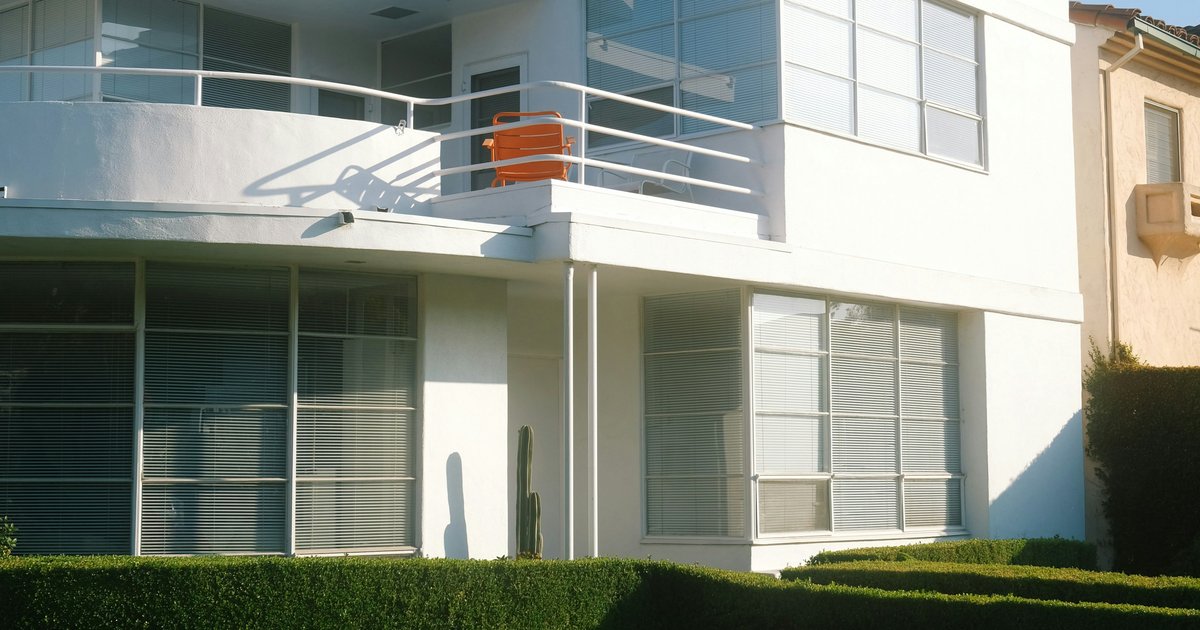
Well-priced estates in the Hollywood Hills and Bel Air frequently attract backup offers in 2026's balanced luxury market.
| Scenario | Days Lost to Relisting | Market Perception Risk | Negotiating Position |
|---|---|---|---|
| Primary buyer cancels, backup in place | 0 to 2 days | None | Backup terms already set |
| Primary buyer cancels, no backup | 7 to 21+ days | "Why did the deal fall?" questions | Starting from scratch |
| Backup buyer withdraws before activation | Return to primary deal | N/A | Still in contract |
What Buyers Need to Know
You can still withdraw, up until the moment of activation. California law and the BUO addendum allow a backup buyer to cancel the backup offer in writing before the seller notifies them that the primary contract has ended. This is critical. It means you are not permanently frozen out of other transactions while you wait in backup position.
That said, there is a real cost to maintaining a backup position: your attention, your emotional energy, and sometimes your ability to commit fully to other properties. If you are actively searching, your agent can help you manage the balance, but you should be clear-eyed about the limbo that comes with waiting.
Backup offers are most valuable when you have high conviction. If you toured the property twice, had your contractor walk through, and have a strong sense that the numbers work, a backup position is worth the wait. If you were lukewarm on the home and only offered because inventory was thin that week, a backup position may not serve you well.
The activation timeline matters. In California, the standard inspection contingency period is 17 days from acceptance. Financing contingency is typically 21 days. If the primary buyer is going to cancel, it usually happens within that window. In the Los Angeles luxury market, cash transactions and short contingency timelines are common, which can shorten the window considerably.
You inherit the disclosure package. When the backup becomes primary, the same disclosure package the first buyer received, including the Transfer Disclosure Statement, the Natural Hazard Disclosure, the Seller Property Questionnaire, and any Fire Hazard Severity Zone documentation, carries to you. Review it the moment you are activated. The clock on your inspection period and your right of rescission begins at activation, not at the time you signed the backup.
How Earnest Money Works in a Backup Position
Earnest money in a backup offer is not typically deposited into escrow at the time the backup is signed. Standard California practice calls for the deposit to be made within a specified number of days after the backup is activated. The exact timeline is negotiated in the BUO addendum and the RPA.
If the backup buyer withdraws before activation, no earnest money has been deposited, and there is nothing to dispute. If the buyer is activated and then cancels in bad faith after removing contingencies, the earnest money dispute follows the same rules as any primary contract cancellation in California. For more on that, see our post on what sellers keep when a buyer backs out after removing contingencies in California.
When a Backup Offer Is Worth It (and When It Is Not)
Consider a backup offer when the property is genuinely difficult to find an equivalent for. Hillside estates with specific views, canyon lots with privacy, or historic homes in Los Feliz with original architectural details are not easy to replace. If the home is genuinely rare, a backup position makes more sense than walking away.
You should also consider a backup position when you have flexibility on timing. Backup positions can last anywhere from a few days to several weeks. If you are not in a hard deadline to close, the wait is more manageable.
Your agent may also have insight into how the first contract is progressing. A buyer who has not removed contingencies by day 14 of a 17-day window, or a deal where the agent has heard the financing is uncertain, signals that your backup could activate sooner than expected.
Skip the backup offer when the property requires major work and you have not had a chance to bring your own inspector or contractor through. Activating into a contract without a chance to reassess the property's condition is a real risk in California's as-is disclosure environment.
If you are weighing a backup offer on a property in Sherman Oaks, Studio City, or Silver Lake and want to work through whether the terms make sense, contact a Grey Square agent for a private conversation before you commit.
FAQ
Can a seller continue showing the home after accepting a backup offer?
Yes. In California, accepting a backup offer does not prevent the seller from continuing to show the property or accept additional showings. The seller's listing agreement and the terms of the primary contract govern marketing activity, but most California listings do not restrict showings once a backup is in place.
If the backup buyer wants to cancel before being activated, what do they do?
The backup buyer sends written notice to the seller (typically through their agent) that they are withdrawing the backup offer. Since the contract has not been activated, no funds are at risk and neither party owes the other anything further. The cancellation should be documented in writing for clarity.
Does accepting a backup offer affect my Measure ULA calculation?
No. The Measure ULA transfer tax is calculated based on the sale price and the property's location within the City of Los Angeles, not on whether the buyer is a primary or backup buyer. The indexed thresholds (currently approximately $5.4M and $10.9M as of mid-2026) apply the same way regardless of how the buyer came into the transaction.
What happens to the disclosure package when a backup offer is activated?
All disclosures already delivered to the primary buyer carry to the backup buyer upon activation. The backup buyer's review periods, including the right to cancel based on disclosures, reset from the activation date, not from the date they signed the backup. Your agent should coordinate the timing carefully so no rescission deadlines are missed.
How long do backup positions typically last in Los Angeles?
It depends on how long the primary transaction takes to resolve. If the primary buyer cancels during the inspection period (usually within the first 17 days), a backup position can activate quickly. If the primary buyer removes all contingencies and the deal is solid, the backup may sit for 30 to 45 days until close. At that point, if the deal closes without incident, the backup offer expires and is no longer binding on either party.
If your Westside listing just went into contract and you want to think through whether accepting a backup offer makes sense for your situation, request a confidential conversation with a Grey Square agent.
What should I look for in a Los Angeles real estate agent who understands backup offers and multi-offer situations?
The agent you want has actually navigated backup offer positions on both sides, not just as a concept. What matters in the Los Angeles market is how the agent handles communication between parties during the contingency period, how they advise clients on whether a backup position is worth holding versus continuing to search, and whether they understand the local CRMLS rules governing backup status and IDX implications.
Paul Blair has worked with buyers and sellers across the Hollywood Hills, Beverly Hills, Bel Air, Studio City, and the Westside through complex multi-offer situations for more than 20 years. If you are in a backup position or deciding whether to accept one on your listing, a conversation with someone who has been on both sides of this process is worth it. Reach out here.
Paul Blair is the founder and broker of Grey Square, a virtual real estate brokerage representing buyers and sellers across Dallas and Los Angeles. With 22 years in the business and more than $200 million in closed transactions, Paul works the full range of the market, from luxury homes in the Park Cities and Preston Hollow to estates in the Hollywood Hills and across the Westside. Connect with Paul and the Grey Square team at greysq.com. TX TREC #9011505 · CA DRE #01792671.