What Does It Actually Cost to Live in Lake Highlands, Dallas in 2026?
Lake Highlands homes are trading around $650,000 in 2026, up double digits year over year. Here's what the Town Center redevelopment means, why RISD (not Dallas ISD) zones the neighborhood, and how it compares to Lakewood.
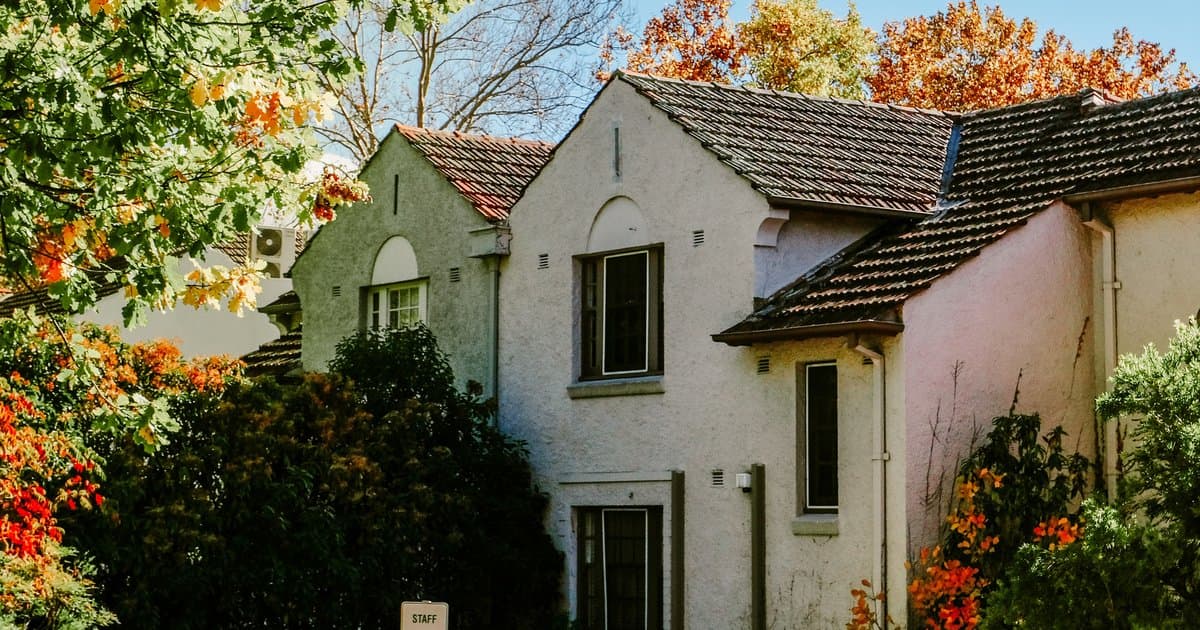

What does it actually cost to live in Lake Highlands, Dallas in 2026?
The median sale price in Lake Highlands is running around $649,781 as of May 2026, up 13.3% from a year earlier, with homes selling for about 3% below list price and going pending in roughly 35 days, according to Redfin's Lake Highlands housing market data. That's the short answer. The longer answer is why a neighborhood most people know only as "the one by the lake" has turned into one of the more active corridors in northeast Dallas, why its schools sit outside Dallas ISD entirely, and how it actually compares to Lakewood, the neighborhood it borders and gets compared to constantly.
By Paul Blair | July 29, 2026
Lake Highlands at a glance, 2026
| Metric | Figure |
|---|---|
| Median sale price | ~$649,781 |
| Year-over-year change | +13.3% |
| Typical time to pending | ~35 days |
| Redfin Compete Score | 56 / 100 |
| Walk Score | 44 |
| Population | ~77,001 |
Figures per Redfin's Lake Highlands housing market page. Individual sales vary by street, lot, and renovation status.
Lake Highlands takes its name from two things: elevated ground relative to the surrounding creek bottoms, and proximity to White Rock Lake, which forms its western and southern edge. Most of the housing stock dates to a building boom in the 1960s and 1970s, which is part of why the neighborhood reads differently than the 1920s bungalow pockets closer to downtown, ranch-style brick homes on wider lots, built for a generation of Dallas buyers who wanted more square footage and a yard, not a walk to a streetcar line.
Streets, redevelopment, and what's actually changing right now
Lake Highlands is a large, sprawling area rather than a single tight grid, which means the housing stock varies more block to block than in a neighborhood like the M Streets or Lakewood. Original 1960s and 1970s ranch homes sit alongside newer infill and, increasingly, active new construction tied to the long-planned Lake Highlands Town Center redevelopment near the DART Blue Line station.
That redevelopment has been slow-moving for years but is now visibly under construction: Mattamy Homes broke ground in March 2026 on Lake Highlands Village, a planned gated community of roughly 85 townhomes near the Town Center, with sales expected to launch in 2027, according to Mattamy Homes' announcement. The broader Town Center project, once complete, is planned to include more than 300,000 square feet of office and retail space alongside roughly 1,200 residential units, per Bisnow's coverage of the project. For a neighborhood that's spent two decades being described as "underrated," this is the first tangible sign of the walkable, mixed-use core that residents have been asking for.

The other structural piece is transit. Lake Highlands Station on DART's Blue Line sits at Walnut Hill and White Rock Trail and connects directly to the Lake Highlands Trail, a bike and pedestrian path that runs north from the station toward Lake Highlands High School and ties into the broader White Rock Creek and White Rock Lake trail network, according to DART's official station page. That combination, a rail stop, a lake, and a growing retail core all within the same few square miles, is a big part of what's pulling buyer interest toward the neighborhood right now.
Considering a move to Lake Highlands? Schedule a private consultation and we'll walk through current inventory, which pockets sit closest to the Town Center redevelopment, and how the numbers compare to Lakewood and White Rock Lake for your specific budget. You can also browse current listings on our Lake Highlands community page.
Lake Highlands vs. Lakewood: what actually separates them
Lake Highlands and Lakewood share a border along White Rock Lake, but the two markets sit at very different price points. Lakewood's pending listings carry a median price around $1.51 million, according to Redfin's Lakewood housing market data, roughly double Lake Highlands' current median. Lakewood's housing stock is also more architecturally uniform, largely Tudor, Spanish Revival, and Colonial Revival homes built from the 1920s through the 1940s, while Lake Highlands offers a wider range of home ages, styles, and price points across a much larger footprint.
The practical trade-off comes down to lot size and price versus flexibility. Lakewood buyers are generally paying for an established, architecturally consistent East Dallas address with direct lake frontage in some pockets. Lake Highlands buyers get more house and more land for the money, along with easier access to DART, but the neighborhood's boundaries and housing stock are less uniform, so comparable sales take more digging to pull correctly street by street. Neither is a categorically better answer. It depends on whether a buyer is optimizing for established architecture and prestige or for square footage and transit access.
Schools and the lake: the practical layer
One detail that surprises out-of-town buyers: despite sitting inside Dallas city limits, most of Lake Highlands is zoned to Richardson Independent School District, not Dallas ISD. RISD organizes the area into a learning community that feeds into Lake Highlands High School, with Lake Highlands Middle and Forest Meadow serving as the primary middle school campuses, according to Richardson ISD's official Lake Highlands Learning Community page. Attendance boundaries can vary by street even within the neighborhood, so it's worth confirming the specific zoning for any address before assuming based on the general area.
White Rock Lake itself is a 1,015-acre city lake and park with a 9.33-mile hiking and biking trail circling the shoreline, drawing more than a million visitors a year for paddling, running, and cycling, according to the City of Dallas Park and Recreation Department's official White Rock Lake page. For buyers weighing Lake Highlands against Lakewood or the M Streets, direct trail and lake access without the Lakewood price tag is one of the more concrete reasons the comparison comes up as often as it does.
Property taxes here run through the Dallas Central Appraisal District, which mails Notices of Appraised Value each spring with a protest deadline typically in mid-May. Given how much Lake Highlands values have moved over the past year, it's worth reviewing your notice closely rather than assuming it tracks the broader Dallas market, I've written a full walkthrough of the DCAD protest process here if this is your first appraisal cycle in Texas.
Most of the buyers I work with in Lake Highlands are trading a smaller lot in Lakewood or the M Streets for more square footage and easier DART access, or they're move-up buyers who grew up spending weekends at White Rock Lake and specifically want to stay close to it. It's a neighborhood in transition, and buying ahead of the Town Center build-out is a different conversation than buying into a neighborhood that's already finished changing.
Frequently Asked Questions
What's the median home price in Lake Highlands in 2026? The median sale price is around $649,781 as of May 2026, up 13.3% year over year, with homes going pending in about 35 days on average, according to Redfin's Lake Highlands housing market data.
Is Lake Highlands part of Dallas ISD? No. Despite sitting inside Dallas city limits, most of Lake Highlands is zoned to Richardson Independent School District, feeding into Lake Highlands High School, per RISD's official Lake Highlands Learning Community page.
What's happening with the Lake Highlands Town Center redevelopment? Mattamy Homes broke ground in March 2026 on Lake Highlands Village, roughly 85 townhomes near the Town Center site, with sales expected to launch in 2027, per Mattamy Homes' announcement. The broader Town Center is planned to eventually include over 300,000 square feet of office and retail space and about 1,200 residential units, according to Bisnow.
How does Lake Highlands compare to Lakewood? Lakewood's pending listings carry a median price around $1.51 million, roughly double Lake Highlands' current median, according to Redfin's Lakewood housing market data. Lakewood's housing stock is more architecturally uniform; Lake Highlands offers a wider range of home ages and price points across a larger area.
Does Lake Highlands have direct access to White Rock Lake? Yes. The neighborhood borders the lake on its western and southern edge, with a 9.33-mile trail circling the shoreline and a connector trail running from the DART Lake Highlands Station, according to the City of Dallas Park and Recreation Department and DART.
Who's the right agent to work with if I'm buying or selling in Lake Highlands? What actually matters is someone who tracks the neighborhood's sub-markets street by street rather than treating it as one uniform area, since price per square foot can swing meaningfully depending on proximity to the Town Center redevelopment or the lake itself, and who can speak specifically to the RISD zoning quirks that trip up out-of-town buyers. I've covered Lake Highlands alongside Lakewood, White Rock Lake, and the M Streets as part of tracking this whole corridor of northeast Dallas, and that comparative view is exactly what a buyer or seller here needs before pricing a purchase or a listing. If that's useful, start a conversation about where your specific street or budget lands.
I've tracked the trade-off between Lake Highlands and Lakewood with enough buyers now to know it usually comes down to whether someone wants finished architecture or a neighborhood still mid-transformation, Lake Highlands is squarely the second kind of story right now, and that's exactly the kind of shift I like walking clients through before it shows up in next year's comps.
Paul Blair is the founder and broker of Grey Square, a virtual real estate brokerage representing buyers and sellers across Dallas, Los Angeles and Houston. With 22 years in the business and more than $140 million in closed transactions, Paul works the full range of the market, from luxury homes in the Park Cities and Preston Hollow to estates in the Hollywood Hills and across the Westside. Connect with Paul and the Grey Square team at greysq.com. TX TREC #9011505 · CA DRE #01792671.
Looking at homes in Richardson?
We check the zone, the taxes and the comps before you tour, so the house you buy is the one you decided on.