Buying a Home With a Pool in DFW: What Every Dallas Buyer Needs to Know
Buying a DFW home with a pool? Learn the Texas barrier law, why you need a separate pool inspection, and the real monthly cost before you close.
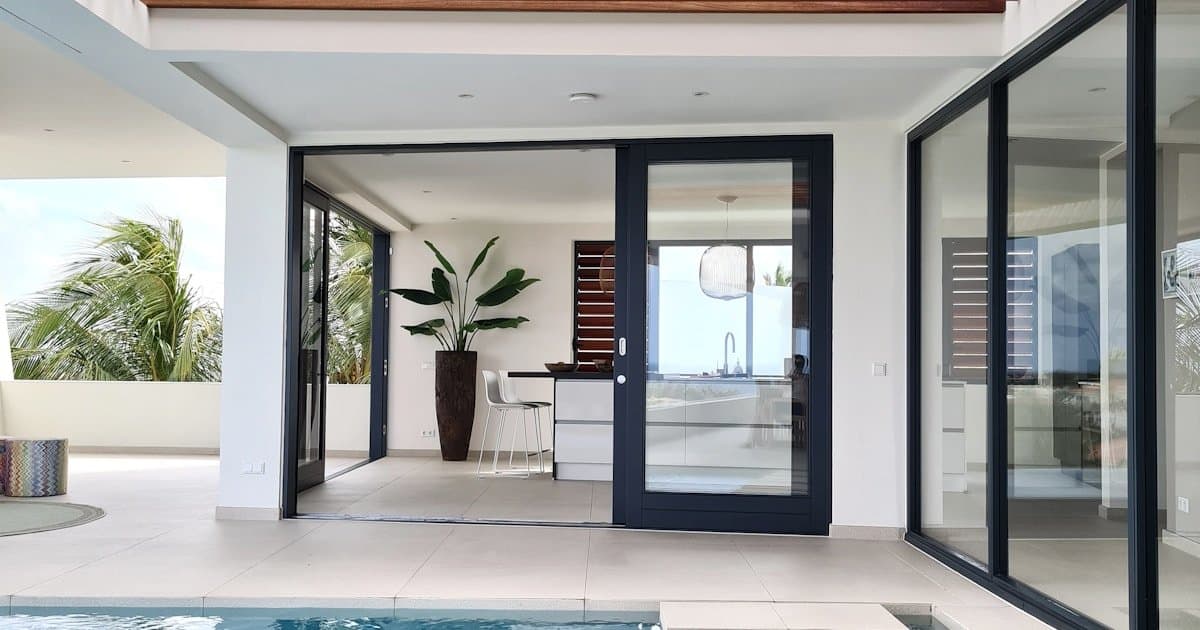
What do Dallas buyers need to know before purchasing a home with a pool?
In the Dallas–Fort Worth market, roughly 25–30% of single-family homes have an inground pool, and that number climbs above 40% in premium communities like Southlake, West Plano, and Frisco. Before you bid on a pool home, you need to know about the separate inspection you should schedule, Texas's mandatory barrier requirements, and the ongoing monthly cost that doesn't show up in the mortgage payment.
By Paul Blair | July 8, 2026
About a quarter of DFW single-family homes have a pool. In summer in Texas, when it's been over 100°F for 40 consecutive days. That matters enormously to buyers.
But pool homes come with a set of obligations most buyers don't fully understand until they're already under contract. A general home inspector will note visible problems, but they won't pressure-test the plumbing, check the shell for clay-soil shifting, or tell you whether the fence gate actually self-latches to code. That's a different conversation, and it's one worth having during your option period, not after closing.
Here's what you actually need to know.
Get a Dedicated Pool Inspection During Your Option Period
This is the step buyers skip most often.
A general home inspector will glance at the pool, flag anything obviously broken, and move on. What they won't do is conduct a dedicated pool inspection, and the two are not the same. A certified pool inspector (separate appointment, $150–$300) tests the pump and motor, inspects the filter and heater, checks for plumbing leaks, evaluates the shell for cracks, and verifies that safety barriers meet Texas code.
In North Texas, you have two specific reasons to care about pool shell condition beyond normal wear: expansive clay soil and hail. DFW sits on some of the most reactive clay soil in the country. As the ground shrinks and expands with moisture, pool shells can shift, crack, and develop leaks, especially in pools older than 15–20 years. It's not visible from the deck, and it won't show up in a standard inspection report.
Hail is the other risk. DFW sits squarely in Hail Alley. Hail can damage pool equipment, decking, and covers, and while this is generally covered under your homeowners insurance policy, you'll want to verify there are no pre-existing claims or deferred repairs before you close.
Schedule the pool inspection early in your option period. If you find issues, you have two options: negotiate a credit from the seller, or walk away with your earnest money intact. You lose that leverage the moment your option period expires.
For more on how to use the option period effectively, see The Texas Option Period: What Every Dallas Home Buyer Needs to Know.
Texas Pool Barrier Law: What Sellers Must Have in Place
Texas Health & Safety Code Chapter 757 sets minimum standards for residential pool barriers. Every pool home in Texas must have:
- A fence or barrier at least 4 feet tall, measured on the exterior side
- A self-closing, self-latching gate with the latch on the inside of the fence
- No gap greater than 4 inches between the bottom of the barrier and grade level
Many Dallas-area cities have adopted the International Residential Code (IRC) or the International Swimming Pool and Spa Code (ISPSC), which can impose additional requirements beyond the state minimum.
Why does this matter when you're buying? Three reasons:
First, insurance. Most homeowners insurance carriers will conduct an exterior inspection after you close. If your fence gate doesn't self-latch to code, your insurer can give you 30 days to fix it or cancel your coverage. This isn't a hypothetical. It's a standard condition of coverage in Texas.
Second, liability. Under Texas's attractive nuisance doctrine, a pool owner can be held legally liable for injuries to a child who trespasses, even if the child wasn't invited. A compliant barrier is your primary protection. Maintaining it isn't optional.
Third, disclosure. Under TREC Form 55-0 (the Seller's Disclosure Notice), sellers must disclose the pool's condition and any known defects. Non-compliant fencing or known leaks should appear there. If they don't, that's a red flag. See Texas Seller's Disclosure Notice 2026: What Dallas Sellers Must Know Before July 1 for the full disclosure picture.
Check your pool fence before the option period closes. A non-compliant fence that was never flagged creates problems at closing, and after.
What a Pool Actually Costs to Own in DFW
The purchase price is only part of the equation.
Pool owners in Dallas typically spend $290–$590 per month on ongoing pool costs. That's roughly equivalent to financing an additional $45,000–$95,000 on top of your mortgage.
Here's where that money goes:
- Professional pool service: $120–$250/month (weekly cleaning, chemical balancing, equipment checks)
- Chemicals (DIY): $65–$85/month if you manage it yourself
- Electricity: $80–$150+/month, DFW summer pushes this up fast; your pool pump runs longer in sustained 100°F heat
- Water for evaporation: $20–$70/month
- Homeowners insurance increase: $100–$300/year (roughly $8–$25/month added to your premium)
On top of the monthly costs, you're looking at an umbrella liability policy if you're serious about protecting yourself. A $1 million umbrella policy runs $150–$300 per year, and with a pool in a state where the attractive nuisance doctrine applies, this is a reasonable precaution, not an optional upgrade.
Before you bid on a pool home, ask your lender to run a scenario with these costs included in your monthly budget. Buyers who don't plan for this often feel the pressure around month three.
For a full picture of what you'll be paying at and after closing, read What Dallas Home Buyers Actually Pay at Closing: Your Texas Closing Cost Breakdown.
What a Pool Does (and Doesn't) Add to Resale Value
Pools don't appraise for what they cost to build.
A new inground pool in Dallas runs $50,000–$100,000 or more, depending on size, finishes, and features. In a standard appraisal, that pool might add $10,000–$30,000 to the appraised value, not the full construction cost.
That gap matters because appraisers value pools on what comparable homes with and without pools sell for in your specific submarket, not on what you paid to put it in.
In DFW's premium submarkets, Frisco ISD, Carroll ISD, Southlake, West Plano, a pool is a genuine selling advantage. Buyers at the $700K+ level expect it, and a well-maintained pool supports the price.
In entry-level and mid-range suburban markets, the picture is more mixed. Some buyers specifically exclude pool homes from their searches. They don't want the maintenance cost or the liability. That can limit your buyer pool when you go to resell.
The bottom line: a pool adds value, but not dollar-for-dollar. Understand that going in.
Frequently Asked Questions
Do I need a separate pool inspection when buying a DFW home?
Yes. A general home inspector isn't certified to pressure-test pool plumbing, evaluate the shell for clay-soil shifting, or verify that safety equipment meets Texas code. A dedicated pool inspection costs $150–$300 and should be scheduled during your option period. It gives you the information you need to negotiate or walk away.
What does Texas law require for pool fencing?
Texas Health & Safety Code Chapter 757 requires a minimum 4-foot barrier on the exterior side of the fence, a self-closing and self-latching gate with the latch on the pool side, and no gap greater than 4 inches at grade. Many cities in Dallas and Collin County have adopted additional local requirements. Non-compliant fencing can result in insurance complications after closing.
How much does it cost to maintain a pool in Dallas?
Ongoing pool maintenance in DFW typically runs $290–$590 per month, covering professional service, chemicals, electricity, and water. The summer heat in Dallas pushes electricity costs up significantly. You'll also want to budget for an umbrella insurance policy ($150–$300/year) and an insurance premium increase of $100–$300/year.
Does a pool add value to a home in Dallas?
It depends on the price range and submarket. In premium markets like Southlake, West Plano, and Frisco, a pool is expected and supports the sale price. In entry-level or mid-range markets, the value add is more modest, appraisers typically credit $10,000–$30,000, not the full cost of installation ($50,000–$100,000+). Pool homes also limit your buyer pool when you resell, since some buyers exclude them.
What is the attractive nuisance doctrine in Texas?
Under Texas law, a property owner can be held liable for injuries to a child who trespasses on the property to access an attractive nuisance, including a swimming pool, even if the child had no permission to be there. Maintaining a compliant, secured barrier is your primary defense. This is one reason a $1 million umbrella liability policy is widely recommended for DFW pool homeowners.
A pool home in DFW can be exactly what you want, and at 25–30% of the market, you'll have no shortage of options. But it's a different kind of purchase, with ongoing costs, legal obligations, and inspection requirements that most buyers don't think about until they're already under contract.
Do the pool inspection. Check the fence compliance. Run the monthly cost numbers with your full budget in mind. And know what you're getting into on resale.
If you're looking at pool homes in Dallas, Frisco, Plano, McKinney, or anywhere across the Metroplex and want to talk through what you're seeing, I'm happy to help. Reach out here. No obligation, just a straight conversation.
About Paul Blair
Paul Blair is the founder and broker of Grey Square, a virtual real estate brokerage representing buyers and sellers across Dallas and Los Angeles. With 22 years in the business and more than $200 million in closed transactions, Paul works the full range of the market, from luxury homes in the Park Cities and Preston Hollow to estates in the Hollywood Hills and across the Westside. Connect with Paul and the Grey Square team at greysq.com. TX TREC #9011505 · CA DRE #01792671.