Buying New Construction in Los Angeles: What the Process Actually Looks Like
Buying a newly built home in LA is different from a resale. Builder contracts, deposits, and disclosures all work by different rules. Here's what to expect.
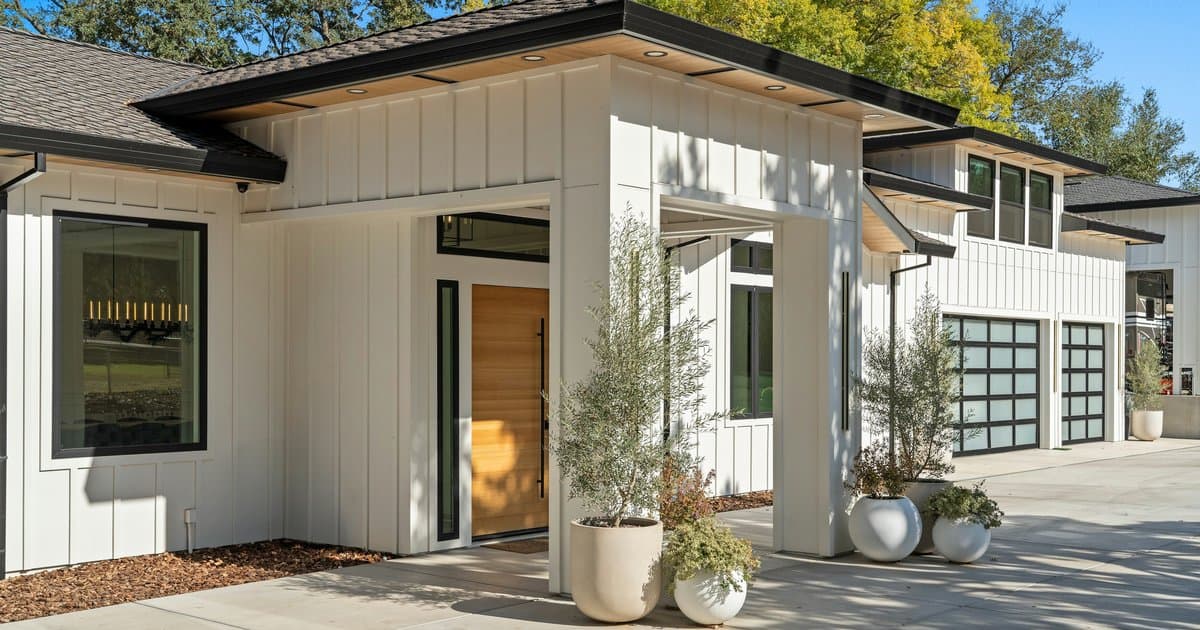
Is Buying a Newly Built Home in Los Angeles Different from a Resale?
Yes, buying new construction in LA comes with a different contract, different disclosures, and different deposit rules than a resale. Builders use their own purchase agreements, not CAR forms, and some of those deposits are non-refundable from day one. Understanding the differences before you walk into a model home puts you in a much stronger position.
By Paul Blair | October 19, 2026
If you've bought a resale home before, you know how the California process works: you submit an offer on a CAR form, the seller signs back, you open escrow, and the contingency periods run. New construction works differently, and in a few ways that catch buyers off guard.
Here's what actually happens when you buy a newly built home in Los Angeles.
You're Signing the Builder's Contract, Not a CAR Form
The first thing to know: when you buy new construction, you're signing the builder's purchase agreement. These contracts are written by the builder's attorneys, and they are written to protect the builder.
That doesn't mean they're unreasonable, but they work differently than a standard California Association of Realtors (CAR) contract. The timelines may be more flexible (builders often can't guarantee a closing date with precision), the contingencies are more limited, and the language around the builder's right to make material changes to the project can be broad.
Builders also frequently have preferred lenders they work with. Sometimes they'll offer rate buydowns or closing cost credits only if you use their lender. You're not required to, but the incentive is real. Before committing to the builder's lender, get a competing quote. The credits can be worth thousands, but so can a better rate over the life of a 30-year loan.
Deposits Are Larger and Some Are Non-Refundable
In a standard resale transaction in California, your earnest money deposit is typically 1% to 3% of the purchase price and is at least partially refundable during the contingency periods. New construction deposits work differently.
You'll often make an initial deposit to hold the home or lot, and then additional deposits as you make selections at the design center. Some of those design center deposits (for upgrades) are non-refundable from the moment you make them.
The initial holding deposit may be refundable up to a point, but the window closes faster than in a resale, and the terms vary by builder. Read the refund provisions carefully before you write the first check. Your agent should be able to walk you through this before you're sitting in the builder's sales office.
The Upgrade Decision Is a Financial Decision
Design centers are genuinely fun. You can pick flooring, countertops, cabinet hardware, fixtures, and sometimes structural options like adding a bedroom or expanding the primary bath. But upgrades can add $50,000 to $150,000 or more to the cost of the home, and there are a few things to keep in mind.
First, upgrades don't always appraise. The bank will appraise the home based on comparable sales in the area. If the market hasn't absorbed enough similar upgraded homes, your appraisal may come in below the purchase price, and you'll need to cover the gap out of pocket or renegotiate.
Second, some builders charge a financing fee for rolling upgrades into the loan. Check whether you're better off keeping upgrades out of the mortgage and paying for them separately.
Third, be clear on what's included in the base price. "Stainless appliances" can mean a basic package or a premium one. Walk through the model home and ask what's standard and what's an upgrade before you fall in love with the finishes.
Builder Disclosures Are Not the Same as a TDS
In a California resale, the seller provides a Transfer Disclosure Statement (TDS) and a Seller Property Questionnaire (SPQ), both of which give buyers a detailed picture of what the seller knows about the property's condition. There's no TDS in a new construction transaction because the builder hasn't lived there.
What you get instead:
DRE Public Report. The California Department of Real Estate requires developers to file a public report (also called a "White Report") before they can sell homes in a subdivision. It covers the project's financing, CC&Rs, HOA structure, and any known material issues. Read it.
CC&Rs and HOA documents. If you're buying in a planned community, you'll receive the Conditions, Covenants, and Restrictions along with HOA budgets, meeting minutes, and reserve study. These govern what you can and can't do with your property and what you'll pay monthly.
Natural Hazard Disclosure (NHD). This is the same report you'd get in a resale. It covers flood zones, earthquake fault zones, fire hazard severity zones, and other state-designated hazard areas. In Los Angeles, hillside and canyon new construction can carry Very High Fire Hazard Severity Zone status, which matters for insurance. You can learn more about how NHDs apply in our guide for Los Angeles real estate disclosures.
Mello-Roos (if applicable). Mello-Roos is a special tax assessment that funds public infrastructure in newer developments. It's less common in infill construction within established LA neighborhoods, but it does appear in larger planned communities and some newer developments at the edges of the county. If your community has Mello-Roos, you'll receive a disclosure, and the annual assessment will be itemized on your property tax bill. Budget for it.
You'll Get a Warranty, But Know What It Covers
New construction comes with a builder's warranty, which is one of its main appeals over buying a resale. California law requires builders to honor certain minimum warranty periods:
- One year for workmanship defects (paint, trim, fixtures, finishes)
- Two years for mechanical systems (plumbing, electrical, HVAC)
- Ten years for structural defects
The 10-year structural warranty is significant. But warranties only work if you report issues properly. Document everything. Follow the builder's warranty submission process exactly. Don't make your own repairs to a defective item before the builder has had a chance to address it, because doing so can void that portion of the warranty.
Walk the home with a private home inspector before closing, even on a new build. Builders are not infallible, and a good inspector will catch rough edges the construction crew missed.
What Builders Are Offering Right Now
The LA new construction market has been working through higher financing costs for the past couple of years, and many builders have leaned into incentives to keep sales moving. You'll find:
- Interest rate buydowns funded by the builder (sometimes buying the rate down a full point or more)
- Closing cost credits ranging from $10,000 to $25,000 on mid-range projects
- Complimentary upgrade packages at the design center
These are real savings. But evaluate the total cost, not just the incentive. A $15,000 closing cost credit on a home priced $40,000 above market is not a deal. Know the comparable sales before you walk in.
If you're comparing a new build to a resale in the same price range, ask your agent to run comps on recently closed new construction in the submarket. The pricing dynamics for new builds differ from resale, especially in communities where the builder is still selling multiple phases.
Bring Your Own Agent Before You Register
This is worth saying clearly: if you plan to work with a buyer's agent (and you should), bring them to your first visit to the model home or register them before your initial contact with the builder.
On-site sales representatives work for the builder. They are there to sell the builder's homes. They are professional, knowledgeable, and often genuinely helpful, but their job is to represent the builder's interests.
Your agent's job is to represent yours. An experienced buyer's agent will review the purchase contract, flag provisions that are unfavorable, help you understand the upgrade economics, and advise you through the inspection and closing process.
In most new construction transactions, the builder pays the buyer's agent commission, and it's written into the purchase agreement. You don't pay extra for representation. Not having an agent doesn't save you money. It just leaves the builder's contract unreviewed.
A Note on Property Taxes for New Construction
Property taxes in California are based on the assessed value of your home, which is set at the purchase price under Proposition 13. For new construction, the initial assessment is typically based on the value of the land and whatever has been built at the time of closing. Once the home receives its certificate of occupancy and the full improvement value is established, you'll receive a supplemental property tax bill for the difference.
This is normal and expected, but it can catch buyers off guard. Budget for a supplemental bill in your first year. You can read more about how Los Angeles property taxes work for buyers, including supplemental bills, in our detailed guide for new buyers.
One more thing specific to Los Angeles: permitting delays are real. The city's building department is slower than many buyers expect. If you're buying pre-construction or a home that's still being framed, get an honest timeline estimate from the builder and then add a buffer. Delays can affect your lease-end dates, rate lock expirations, and storage costs.
Frequently Asked Questions
Is it worth buying new construction in LA instead of resale?
It depends on what you're comparing and why you're buying. New construction offers a warranty, modern systems, and the ability to customize finishes, but you'll typically pay a premium over resale and face less room to negotiate price. In supply-constrained LA neighborhoods, new builds are often the only way to get a larger or more modern home without taking on a full renovation. The right answer depends on your timeline, budget, and how much the warranty and new-home features matter to you.
Do I need a buyer's agent for new construction in Los Angeles?
Yes, and it costs you nothing extra. Builders price buyer's agent commissions into their models. You won't pay more for representation, and you'll have someone reviewing the contract on your behalf. The on-site rep works for the builder. A buyer's agent works for you.
What disclosures do builders have to give buyers in California?
Builders are required to provide the DRE Public Report (required before any subdivision can be sold), CC&Rs and HOA documents, a Natural Hazard Disclosure, and any Mello-Roos or special assessment disclosures if applicable. There's no Transfer Disclosure Statement (TDS) in new construction because the seller has never occupied the property.
What is Mello-Roos and how does it affect new construction buyers?
Mello-Roos is a special tax levy that funds public infrastructure (roads, schools, utilities) in newer or developing communities. It's charged on top of your regular property taxes and appears as a separate line on your property tax bill. In Los Angeles, you're more likely to encounter it in larger planned communities and suburban developments than in infill projects within established neighborhoods. Get the full annual figure before you close.
What happens if my new construction home isn't finished on time?
Builder contracts typically include provisions that allow the builder to extend the closing date if construction runs behind. Your options for exit are usually limited unless the delay crosses a defined threshold in the contract. This is another reason to have your agent review the purchase agreement before you sign: understanding your rights if the schedule slips is important, especially if you're coordinating around a lease end, a school year, or an existing home sale.
If you're weighing new construction against resale in Los Angeles, or you're ready to start visiting models, I can walk you through what to look for before you register. Reach out at greysq.com/contact.
About Paul Blair
Paul Blair is the founder and broker of Grey Square, a virtual real estate brokerage representing buyers and sellers across Dallas and Los Angeles. With 22 years in the business and more than $200 million in closed transactions, Paul works the full range of the market, from luxury homes in the Park Cities and Preston Hollow to estates in the Hollywood Hills and across the Westside. Connect with Paul and the Grey Square team at greysq.com. TX TREC #9011505 · CA DRE #01792671.