Deed Restrictions in Texas: What Every Dallas Home Buyer Needs to Know
Deed restrictions in Texas bind every future owner of a property. Before you close on a Dallas home, here's how to find them, what they cover, and what happens if you violate one.
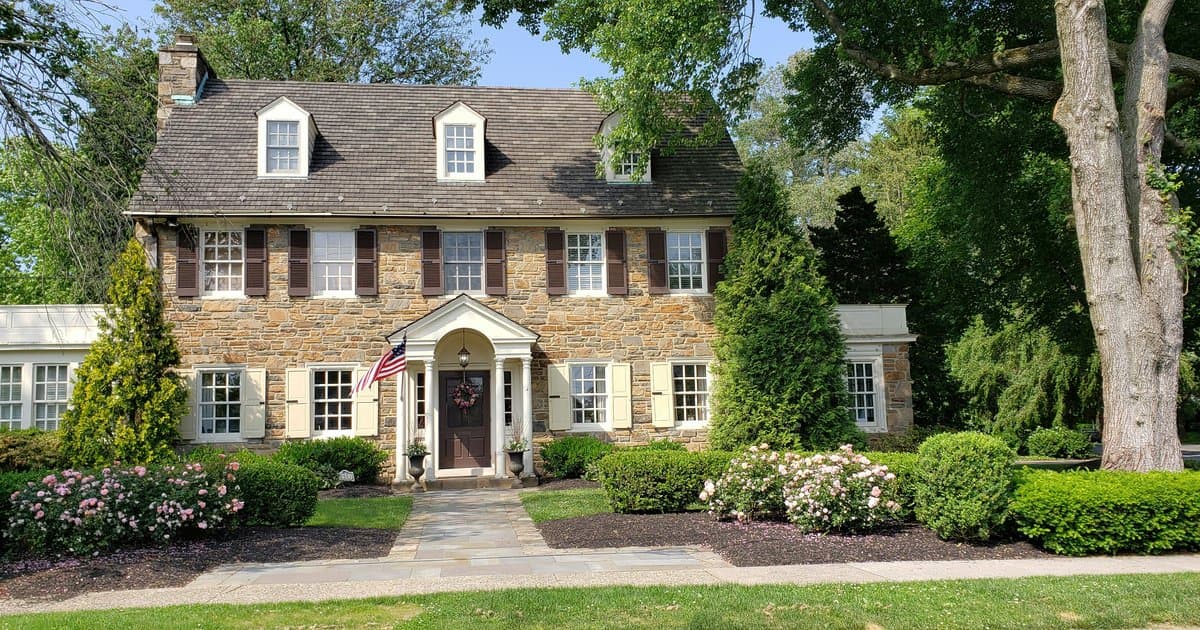

What are deed restrictions in Texas, and how do they affect home buyers?
Deed restrictions in Texas are private covenants recorded in county property records that limit how a property may be used. Unlike zoning laws, they are created by the original developer when a subdivision is platted and "run with the land," binding every buyer who comes after. Texas deed restrictions commonly govern minimum home size, exterior materials, fence types, pool setbacks, outbuilding rules, and short-term rental use. They appear as Schedule B-2 exceptions in your Texas title commitment and must be reviewed during the option period.
By Paul Blair | July 27, 2026
Most Dallas-area home buyers read the inspection report carefully. Many read the HOA documents. Almost none read the deed restrictions, and those restrictions have been quietly attached to the property since the day it was platted, sometimes decades ago.
That oversight can cost you.
In Texas, deed restrictions are legal covenants recorded in county property records. They travel with the land no matter who owns it, no matter how many times it's sold, and no matter what any seller tells you. They're not HOA rules. They're not city zoning. They're a separate layer of private law that applies to your property specifically, and violating one can expose you to lawsuits, fines, or a court order to tear down what you've built.
Here's what every DFW buyer needs to know before closing.
Deed Restrictions vs. HOA Rules: They're Not the Same Thing
This distinction trips up buyers more than almost anything else.
HOA rules are set by a homeowners association and enforced by that association. They live in the CC&Rs (Covenants, Conditions, and Restrictions) filed with the HOA. To change them, you need a vote of the membership. HOA rules govern things like paint colors, landscaping standards, and pet policies.
Deed restrictions are different. They're recorded directly in the county deed records and typically predate any HOA. Even if a neighborhood has no active HOA, the deed restrictions still exist and can be enforced by neighboring property owners, the original developer, or in some cases the City of Dallas itself.
In practice, most HOAs also enforce the deed restrictions for their community. But a property can have deed restrictions with no HOA, and a property can have an HOA with far fewer restrictions than the original deed covenants.
If you're buying in Frisco, McKinney, Prosper, Celina, or anywhere in the northern suburbs, assume both layers exist. New construction subdivisions in these areas are typically platted with detailed deed restrictions from day one.
What DFW Deed Restrictions Typically Cover
The specific restrictions vary by community, but across the Dallas suburbs, you'll most commonly see limits on:
- Minimum home size: often a floor of 1,800 to 3,000 square feet in newer subdivisions
- Exterior materials: brick or masonry requirements are standard in Frisco, McKinney, and Prosper communities
- Setback distances: how close you can build to the street, rear yard, or adjacent lots
- Fence rules: approved materials, heights, and placement (wood fences are often prohibited on corner lots or front yards)
- Outbuildings and sheds: many restrictions prohibit detached structures or limit their size
- Pool and hot tub placement: setback requirements from the property line
- RV and boat storage: frequently banned from being visible from the street
- Short-term rentals: post-2023, many DFW suburban HOA communities have added STR prohibitions directly into deed restrictions, separate from any city ordinance
- Livestock and agricultural use: relevant for transitional-area purchases in Celina, Anna, and Melissa, where large-lot properties may still carry older farming-era restrictions
Dallas proper has its own layer. Older neighborhoods like the M Streets, Lakewood, and Lake Highlands were platted in the 1930s through 1950s, and some carry original deed restrictions from that era. The Dallas City Attorney's Office enforces deed restrictions in certain city neighborhoods, and the Dallas Open Data portal maintains a public database of city-enforced deed restrictions.
| What Deed Restrictions Commonly Govern | Typical Scope in DFW Suburbs |
|---|---|
| Minimum home size | 1,800–3,000 sqft depending on community |
| Exterior materials | Brick/masonry required in most Collin County new construction |
| Fence type and placement | Board-on-board wood common; metal limited to certain styles |
| Outbuildings | Often prohibited or limited to under 150–200 sqft |
| Short-term rentals | Prohibited in many post-2022 subdivision documents |
| RV/boat storage | Frequently banned from street view |
Deed restriction terms vary by property. Always request the actual recorded document, not a summary.
How to Find Deed Restrictions Before You Make an Offer
This is where most buyers go wrong: they wait until the title commitment arrives after the contract is signed instead of checking before they make an offer.
Here are the main ways to locate deed restrictions on any DFW property:
1. County clerk online records. Dallas County's records are searchable at Dallas County Clerk and Collin County records at Collin County Clerk. Search by subdivision name or lot/block number to pull the original deed restrictions filed when the community was platted.
2. The title commitment (Schedule B-2). Under TREC contract rules, the title company must deliver a title commitment to you within 20 days of the effective date of the contract. The Schedule B-2 section lists all "exceptions to coverage", which includes deed restrictions, easements, and other encumbrances. You then have a defined review period (typically 5 days) to terminate the contract if any exception makes the property unsuitable for your purpose. This is the reason reviewing your title commitment carefully during the Texas option period is so important.
3. Your HOA. If the community has an HOA, call them directly. They're required under Texas Property Code Chapter 207 to provide you with a resale certificate and HOA documents, including the deed restrictions, when you buy. Your HOA document review should include the full CC&Rs and any deed restriction documents bundled with them.
4. Request the documents from your agent before making an offer. A skilled buyer's agent can pull the county deed records or contact the HOA for the community's restrictions before you write a contract. This is especially valuable when you're evaluating a property for a specific use, like a home-based business, short-term rental, or accessory dwelling unit.
Important note on older properties: Documents recorded before counties digitized their records may not appear in online searches. Pre-1980s Dallas-proper properties may require microfilm searches at the Dallas County Clerk's physical office.
How Long Do Texas Deed Restrictions Last?
Most deed restrictions in Texas have a defined term, often 25 to 50 years, written into the original document. After that term expires, they can lapse unless the neighborhood renews them by majority vote before expiration.
Some restrictions run "in perpetuity" with no expiration date.
Even if a restriction has technically lapsed, enforcement isn't always automatic. Texas Property Code Chapter 202 governs residential deed restrictions and the 4-year statute of limitations that applies to enforcement actions. In plain terms: a neighbor or HOA generally has four years from when a violation is discovered to file suit.
If you're buying an older property and wondering whether restrictions from the 1960s still apply, the safest assumption is yes, and that someone could decide to enforce them. This is a question worth running by a Texas real estate attorney if the restrictions affect how you plan to use the property.
What Happens If You Violate a Deed Restriction?
Violation consequences depend on who is enforcing and what the restriction says:
- HOA enforcement: Fines, liens on the property, and legal action up to injunction (a court order to correct the violation, which can mean removing a structure you've already built)
- Neighbor enforcement: A neighboring property owner has standing to sue in Texas if they're harmed by a violation of a restriction that applies to the neighborhood
- City enforcement: The Dallas City Attorney's Office can act on violations of city-registered deed restrictions in neighborhoods where it has enforcement authority
- Texas DTPA exposure for sellers: A seller who fails to disclose known deed restrictions may face liability under the Texas Deceptive Trade Practices Act
The most common and painful violations are structural: a homeowner builds a workshop, adds a second driveway, or converts part of the property without realizing the deed restrictions prohibit it. Courts can and do order removal of structures built in violation of deed restrictions.
If you're under contract on a property in Frisco, McKinney, Plano, or anywhere in the northern or eastern suburbs and want to know exactly what the deed restrictions say before you commit, a Grey Square agent can pull the documents and walk you through what they actually mean for how you plan to use the home. Schedule a private consultation.
Frequently Asked Questions
Do Texas deed restrictions apply even without an HOA?
Yes. Deed restrictions are recorded in county property records and run with the land regardless of whether an HOA exists. A property can have binding deed restrictions with no active HOA to enforce them, but neighboring property owners and, in some cases, the city still have standing to enforce.
How do I find deed restrictions on a property in Dallas or Collin County?
Search the county clerk's online records portal by subdivision name or lot/block number. You can also request them directly from the HOA, or review Schedule B-2 of the title commitment your title company delivers after you go under contract. Ask your buyer's agent to pull the documents before you make an offer.
How long do deed restrictions last in Texas?
Most Texas deed restrictions have terms of 25 to 50 years written into the original document. Some run in perpetuity. If the term expires without neighborhood renewal, they may lapse, but Texas courts evaluate this case by case. The 4-year statute of limitations for enforcement typically runs from the date a violation is discovered.
Can I run an Airbnb or VRBO in a DFW suburb that has deed restrictions?
Many newer DFW subdivision deed restrictions explicitly prohibit short-term rentals, separate from any city ordinance. If you're buying in Frisco, McKinney, Prosper, Celina, or similar communities specifically to run an STR, you need to review the deed restrictions, not just the city's STR rules, before you close. See also our post on short-term rentals in Dallas.
Do deed restrictions show up on the Texas seller's disclosure notice?
The TREC Seller's Disclosure Notice (Form 55-0) does ask sellers to disclose restrictions affecting the property, but the deed restrictions themselves are recorded legal documents. They don't live in the disclosure form. Always request and review the actual recorded documents through your title company.
Most buyers discover deed restrictions when it's too late to do anything about them, after closing, when they try to build something or rent the property and a neighbor or HOA tells them they can't. Reviewing those documents during the option period is standard practice at Grey Square, because understanding exactly what comes with a property is part of what you're hiring a broker to do.
About Paul Blair
After 22 years navigating deed restrictions on everything from 1940s-era M Streets bungalows to freshly platted Prosper communities, Paul Blair knows where the restrictions hide and what they mean. Paul Blair is the founder and broker of Grey Square, a virtual real estate brokerage representing buyers and sellers across Dallas, Los Angeles and Houston. With more than $140 million in closed transactions, Paul works the full range of the market, from luxury homes in the Park Cities and Preston Hollow to estates in the Hollywood Hills and across the Westside. Connect with Paul and the Grey Square team at greysq.com. TX TREC #9011505 · CA DRE #01792671.
Want to know what this looks like for you?
Tell us the price range and the timeline and we will run it against the actual property, not a generic calculator.