What Does It Actually Cost to Live in the M Streets in Dallas in 2026?
M Streets homes are trading around $865,000 in 2026, moving in about three weeks. Here's what that money buys, why the neighborhood is a conservation district, and how it stacks up against Lower Greenville and Lakewood.

What does it actually cost to live in the M Streets in Dallas in 2026?
The median sale price in the M Streets was $865,000 last month, up 1.8% from a year earlier, and homes are moving in about 21.5 days with many drawing multiple offers, according to Redfin's M Streets housing market data. Price per square foot runs around $447. That's the short answer. The longer answer is why a neighborhood of mostly 1920s bungalows moves that fast, what a conservation district means for anyone buying or renovating here, and how it actually compares to the two East Dallas neighborhoods it gets mentioned alongside most often: Lower Greenville and Lakewood.
By Paul Blair | July 27, 2026
M Streets at a glance, 2026
| Metric | Figure |
|---|---|
| Median sale price | ~$865,000 |
| Price per square foot | ~$447 |
| Typical days on market | ~21.5 |
| Redfin Compete Score | 78 / 100 |
| Conservation district established | 2003 |
Figures per Redfin's M Streets housing market page. Individual sales vary by street, lot, and renovation status.
Where the M Streets came from, and why the name stuck
In 1923, brothers Frank and Fletcher McNeny bought and platted 98 acres of the old Bennett farm on the eastern edge of Dallas, creating the Greenland Hills Addition. Most of its streets were given names starting with the letter M, Monticello, McCommas, Milam, Miller, which is where the neighborhood's everyday name comes from, according to Preservation Dallas. The neighborhood sits about two miles north of downtown, just east of US-75, bounded roughly by Central Expressway, Greenville Avenue, McCommas Boulevard, and Vanderbilt Avenue, per Wikipedia's entry on Greenland Hills.
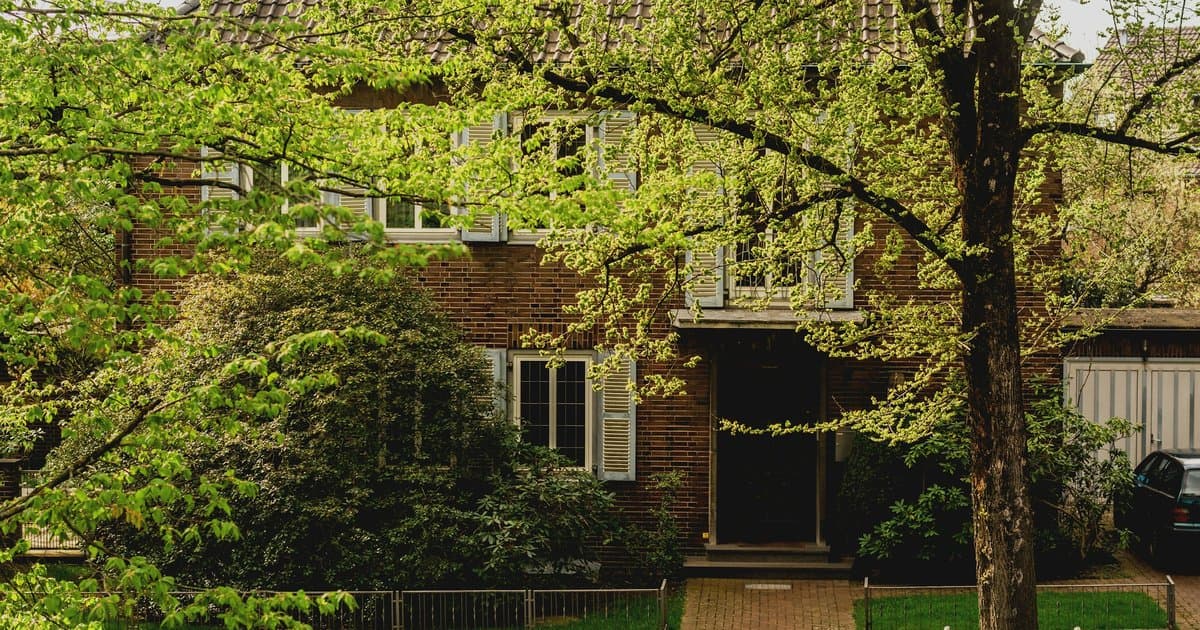
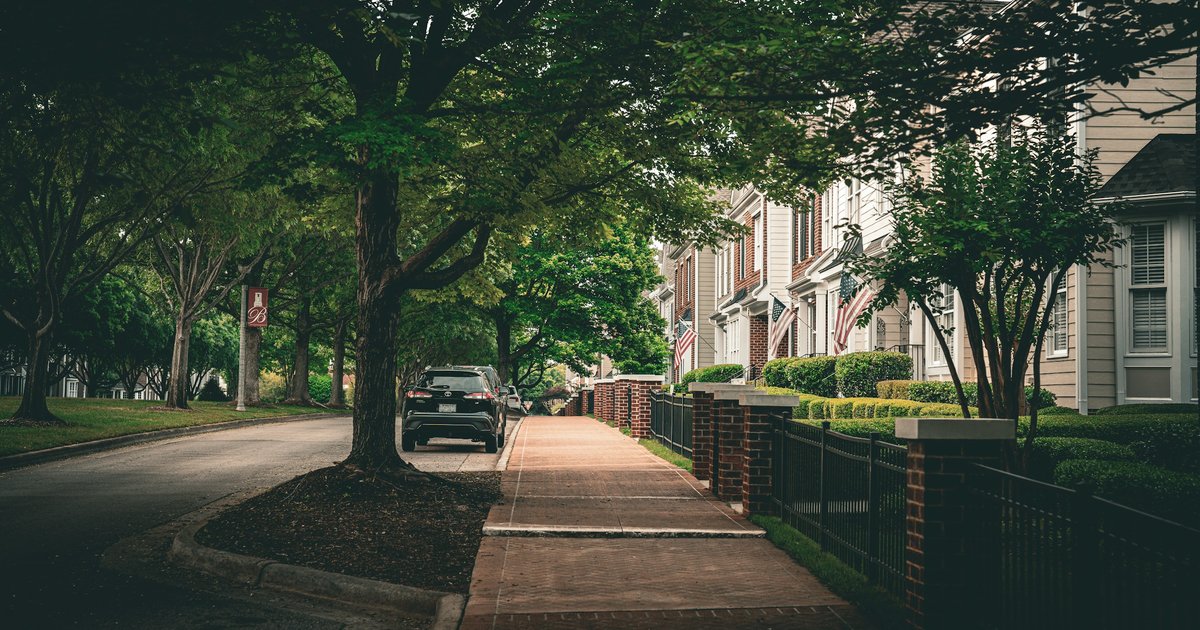
More than a century of continuous residential use has left the M Streets with one of the more architecturally intact street grids in East Dallas: Craftsman bungalows, Tudor cottages, and Colonial Revival homes sitting side by side under a mature tree canopy, largely unchanged in scale from when they were built.
The conservation district: what it actually means for buyers and renovators
Over 75% of neighborhood property owners petitioned the City of Dallas to study a conservation district in 2001, and in 2003 the eastern portion of the neighborhood was formally established as the M Streets (Greenland Hills) Conservation District under city ordinance 25116, later amended by ordinance 28946 in March 2013, according to the City of Dallas's official conservation district document. The stated purpose is to protect the district's architectural and cultural character as development pressure increases nearby.
In practice, that means any exterior change to a home in the district, additions, new construction, some fence and roofline changes, requires a Conservation District Work Review before a building permit is issued, per the City of Dallas. This is a real, binding process, not a suggestion, the city's ordinance carries civil penalties for unapproved exterior work. For a buyer, this is worth understanding before you fall in love with a fixer-upper: it protects the resale value and streetscape you're paying for, but it also means a major remodel or rebuild takes longer and follows a stricter design review than an equivalent project in an unrestricted part of Dallas. I'd rather a client know that going in than find out mid-renovation.
Considering a purchase in the M Streets? Schedule a private consultation and we'll walk through current inventory, which blocks fall inside the conservation boundary, and what that means for any renovation plans you're weighing.
Streets, lot sizes, and who actually buys here
The M Streets is a walking neighborhood in a way much of Dallas isn't. Lower Greenville's restaurant and bar strip sits at the western edge, and it's genuinely common to see residents walk over for dinner rather than drive. That proximity is part of the draw and part of the price: M Streets runs a higher price per square foot than either Lower Greenville or Lakewood, even though its lots and homes tend to be smaller than Lakewood's.
The trade-off between the three East Dallas neighborhoods buyers ask about together comes down to lot size versus walkability versus price per square foot. Lakewood, just to the east, has the largest lots and biggest homes of the three, with a median sale price we covered running near $1.855 million on Vanderbilt Avenue, quieter streets, White Rock Lake access, and a country club anchor. Lower Greenville, which we covered through a duplex listing on Richmond Avenue, sits at a lower median but carries more redevelopment activity and a livelier commercial strip. The M Streets sits between them on price but ahead of both on walkability and architectural consistency, since the conservation district has kept teardown-and-rebuild activity to a minimum compared to its neighbors.
Most of the buyers I work with in this pocket are trading a longer commute or a larger, newer suburban house for a shorter walk to Lower Greenville's restaurants and a home with real architectural bones from the 1920s and 1930s. Some are renovating within the conservation district's guidelines; others are buying a home that's already been sensitively updated and want to avoid the review process altogether. Either is a reasonable way to approach this market. It depends on how much of your budget you want to spend on the process versus the finished product.
Schools and property taxes
The M Streets is zoned to Dallas Independent School District, with Woodrow Wilson High School serving most of the neighborhood, per Preservation Dallas. Zoning can vary by street for elementary and middle school, so it's worth confirming the specific attendance boundary for any address you're evaluating rather than assuming based on the broader neighborhood.
Property taxes here run through the Dallas Central Appraisal District, which mails Notices of Appraised Value each spring, with a protest deadline typically in mid-May. Given how quickly M Streets values have moved, and given the conservation district's effect on what gets built (and what doesn't), it's worth reviewing your notice closely each year rather than assuming it tracks the broader Dallas market. I've written a full walkthrough of the DCAD protest process here if this is your first appraisal cycle in Texas.
Frequently Asked Questions
What's the median home price in the M Streets in 2026? The median sale price was $865,000 last month, up 1.8% year over year, with a price per square foot around $447, according to Redfin's M Streets housing market data.
Why is it called the M Streets? Brothers Frank and Fletcher McNeny platted the Greenland Hills Addition in 1923, naming most of its streets with words starting with M, Monticello, McCommas, Milam, and others, which became the neighborhood's everyday name, per Preservation Dallas.
What does the M Streets Conservation District require of homeowners? Any exterior change to a home in the district, additions, new construction, and some fence or roofline work, requires a Conservation District Work Review before the city will issue a building permit, under ordinance 25116 as amended by ordinance 28946, per the City of Dallas.
How does the M Streets compare to Lower Greenville and Lakewood? The M Streets runs a higher price per square foot than either neighboring pocket, with more architectural consistency due to the conservation district. Lakewood offers larger lots and a higher overall median price, as we covered on Vanderbilt Avenue; Lower Greenville runs a lower median with more redevelopment turnover, as we covered on Richmond Avenue.
What school district serves the M Streets? The M Streets is zoned to Dallas Independent School District, with Woodrow Wilson High School serving most of the neighborhood. Elementary and middle school zoning can vary by street, per Preservation Dallas.
I've walked buyers through the conservation district review process enough times to know it's the single biggest thing people underestimate about buying here. It's a real factor in how long a renovation takes, and I'd rather explain it up front than have a client discover it mid-project. The M Streets is a market I track block by block, the same way I do the rest of East Dallas.
Paul Blair is the founder and broker of Grey Square, a virtual real estate brokerage representing buyers and sellers across Dallas, Los Angeles and Houston. With 22 years in the business and more than $140 million in closed transactions, Paul works the full range of the market, from luxury homes in the Park Cities and Preston Hollow to estates in the Hollywood Hills and across the Westside. Connect with Paul and the Grey Square team at greysq.com. TX TREC #9011505 · CA DRE #01792671.
Looking at homes in Dallas?
We check the zone, the taxes and the comps before you tour, so the house you buy is the one you decided on.