Buying in Eagle Rock in 2026: What the Colorado Boulevard Corridor Actually Costs
Eagle Rock homes average $1.28M with closed sales near $1.4M. Price bands, fire zone insurance, Measure ULA, and the Colorado Blvd transit build.
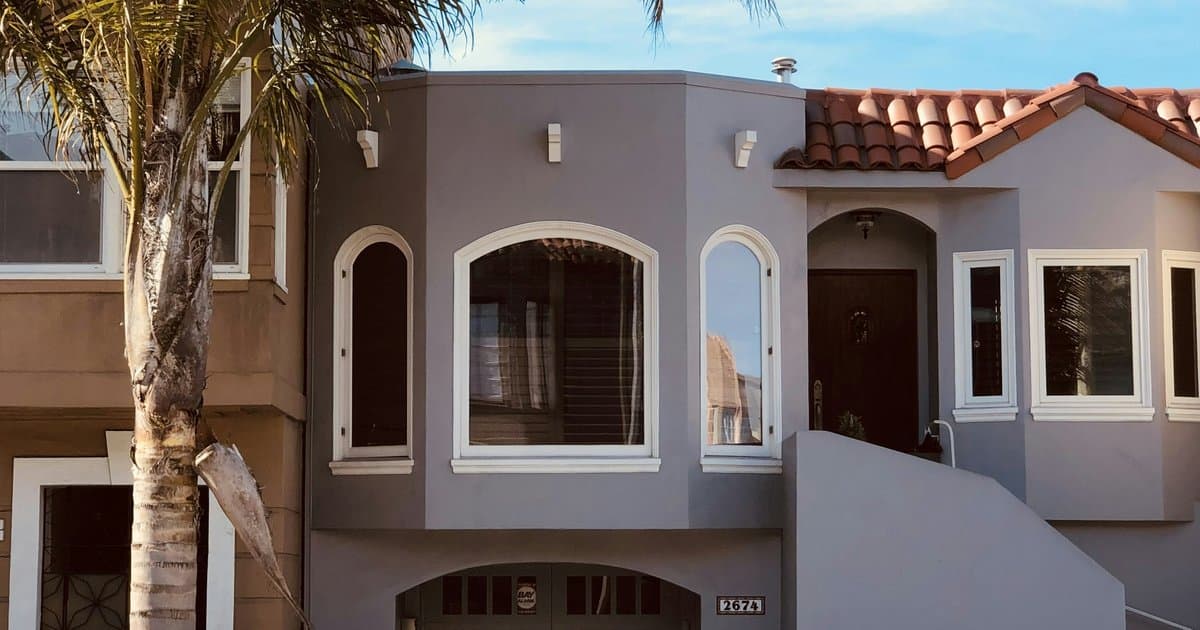
What does it actually cost to buy a home in Eagle Rock in 2026? Plan on roughly $1.28 million for a typical house, with most closed sales landing between $1.1 million and $1.6 million and hillside view properties running past $2 million. Zillow's home value index puts the average Eagle Rock home at $1,276,756 as of its May 2026 reading, up 0.8% over the prior year. Redfin, which measures closed sales rather than modeled values, recorded a median sale price of $1,399,529 in May 2026, up 4.1% year over year. The gap between those two numbers is the whole story of this neighborhood right now, and it is worth understanding before you write an offer or set a list price.
Why the two numbers disagree
A home value index averages every house in the boundary, including the small postwar boxes on the flats near the 134. A median sale price only counts what actually traded, and in Eagle Rock what trades skews toward renovated Craftsman and Spanish houses and hillside properties with a view. So the modeled average sits near $1.28 million while the closing median sits closer to $1.4 million.
For context, Zillow's citywide figure for Los Angeles is $949,479, down 0.7% over the same period. Eagle Rock carries a premium of roughly a third over the city as a whole, and it is holding value while the broader city index drifts down.
Pace matters too. Redfin has shown Eagle Rock homes going under contract in about 26 to 30 days through the spring, faster than the same period a year earlier. Movoto, tracking the asking side rather than the closing side, shows August 2026 list prices with a median near $1.13 million, which tells you sellers are pricing to attract activity rather than testing the ceiling. Disciplined list prices plus short marketing times is a market where correctly priced homes move and overpriced homes sit.
The streets and what sits on them
Eagle Rock is bounded by the 134 to the north, Glendale to the west, Highland Park to the south, and Pasadena to the east. The name comes from the sandstone outcropping off Figueroa where the shadow cast in afternoon light reads as a bird with open wings.
The housing stock is genuinely mixed, which is unusual for a Los Angeles neighborhood of this size. You get 1910s and 1920s Craftsman bungalows on the flatter grid streets, Spanish Colonial Revival from the 1920s and 30s, and a real supply of mid-century post-and-beam on the north-facing slopes. Lot sizes on the flats commonly run 5,000 to 7,500 square feet, generous by Westside standards.
Three sub-markets are worth separating when you price:
The northern hillsides. Streets climbing toward the 134 and the ridgelines above Hill Drive carry view premiums. The $1.8 million to $2.5 million range lives here, and so does most of the mid-century inventory.
The central flats. The grid between Colorado Boulevard and Eagle Rock Boulevard holds the bulk of the Craftsman and Spanish stock. This is the $1.1 million to $1.5 million band and the deepest part of the market.
The southern edge. Closer to the Highland Park line, prices step down and lot sizes tighten. Entry-level Eagle Rock lives here, often under $1.1 million.
Colorado Boulevard is about to be torn up, and that matters
The single biggest thing happening to Eagle Rock right now is not a housing story. It is a transit story with housing consequences.
Metro's North Hollywood to Pasadena Bus Rapid Transit project is a 19-mile, 22-station line funded through Measure M and SB 1. Metro broke ground in spring 2026, starting in Pasadena, with work expected to reach Eagle Rock in fall 2026 and the corridor targeted for completion ahead of the 2028 Olympic Games. Through Eagle Rock, buses will run in dedicated center lanes along Colorado Boulevard with stations in the median rather than at the curb. Construction is staged east to west from the 134 ramps, with individual locations taking roughly four to six weeks each.
If you are buying near Colorado in late 2026 and 2027, price in construction. Lane closures and parking disruption along the corridor are real. If you are selling on that corridor, the timing question is whether you go before the crews arrive on your stretch or wait until they are gone, and the answer depends on your street.
Fire zone and insurance, which is now a pricing input
Eagle Rock's hillsides sit inside the City of Los Angeles Very High Fire Hazard Severity Zone, which you can confirm parcel by parcel on the Los Angeles GeoHub VHFHSZ map. CAL FIRE's Office of the State Fire Marshal completed a full revision of its Fire Hazard Severity Zone maps in 2025, and the updated maps expanded designated areas across Northeast Los Angeles.
What this means at the transaction level in 2026: the Natural Hazard Disclosure will flag the zone and buyers will ask about it, AB 38 defensible space requirements attach to properties in these zones, and carriers price hillside Eagle Rock differently from flats Eagle Rock. A buyer who budgeted a flatland premium and then gets a hillside quote can lose their financing math late in escrow.
The practical move on either side of the deal is the same. Get an insurance quote early, before contingency removal, not after. This is now one of the most common ways an Eagle Rock escrow gets renegotiated or falls apart.
Where Measure ULA lands in Eagle Rock
Almost nowhere, and that is a genuine advantage.
Eagle Rock is inside the City of Los Angeles, so the Measure ULA transfer tax technically applies. But the thresholds are indexed annually, and per the Los Angeles Office of Finance, transactions closing after June 30, 2026 face 4% above $5,400,000 and 5.5% at or above $10,900,000.
With a median sale price around $1.4 million, an ordinary Eagle Rock sale is nowhere near the first tier. Sellers here pay the Los Angeles County documentary transfer tax of $1.10 per $1,000 of value plus the city's base rate, and that is the end of it. Compare that to a Bel Air or Beverly Hills seller for whom ULA can take seven figures off net proceeds, and you see why Northeast LA keeps drawing move-up buyers who priced out of the Westside or chose against it.
How Eagle Rock compares to its neighbors
| Area | Typical single-family range | Character of inventory | ULA exposure |
|---|---|---|---|
| Eagle Rock | $1.1M to $2.5M | Craftsman, Spanish, mid-century; mixed flats and hillside | Rare |
| Highland Park | $1.0M to $1.8M | Craftsman and Victorian, denser grid, smaller lots | Rare |
| Glassell Park | $950K to $1.6M | Hillside bungalows, steeper topography | Rare |
| Silver Lake | $1.6M to $3.5M+ | Architectural, hillside, higher design premium | Occasional |
| Pasadena (adjacent) | $1.3M to $4M+ | Historic districts, larger lots, separate city | None (outside LA city) |
That last row is the comparison Eagle Rock buyers make most often. Pasadena is a separate incorporated city with its own transfer tax structure and no ULA, and the decision between the two usually comes down to lot size and commute rather than price. To see current inventory across the market, our Los Angeles property search runs on live MLS data.
Who is actually buying in Eagle Rock
The buyer profile here is distinct from the Westside, and in practice it breaks into three groups. Move-up buyers coming out of Highland Park, Glassell Park, and Mount Washington who want more lot and a garage without leaving Northeast LA. Renovation buyers who want original Craftsman or Spanish detail and will take on a project, which is why permit timelines and hillside grading rules come up constantly in Eagle Rock deals. And equity buyers relocating from pricier parts of the city who ran the math and decided a $1.4 million house with a yard beats a $2.2 million house without one.
What almost nobody here is making is a trophy purchase. Eagle Rock trades on use value, and pricing reflects that. That is a healthier market to transact in, but it also means overpricing gets punished quickly.
Thinking about buying in Eagle Rock? The difference between a flats purchase and a hillside purchase shows up in insurance, grading rules, and resale, and it is not obvious from a listing photo. Schedule a private consultation to walk through specific streets before you tour.
Frequently Asked Questions
Is Eagle Rock more expensive than Highland Park?
Generally yes, by roughly 10% to 20% on comparable homes. Redfin's Eagle Rock median sat near $1.4 million in mid-2026, while Highland Park typically trades below that. The gap is mostly lot size and topography: Eagle Rock's flats carry larger lots, and its hillside inventory adds view premium Highland Park has less of.
Does Measure ULA apply to an Eagle Rock home sale?
It applies in the sense that Eagle Rock is inside city limits, but it almost never triggers. The City of Los Angeles Office of Finance set the thresholds for transactions closing after June 30, 2026 at $5,400,000 for the 4% tier and $10,900,000 for the 5.5% tier. With a median well under $2 million, an ordinary Eagle Rock sale falls far below the first tier.
How does the Colorado Boulevard bus rapid transit construction affect home values?
Short term it is a disruption, long term it is an amenity, and how much either matters depends on how close you are. Metro's project broke ground in 2026 with Eagle Rock work expected in the fall and individual segments taking about four to six weeks. Homes a few blocks off the boulevard see little day-to-day effect. Homes fronting the corridor should account for construction in list price and marketing time during the active window.
What should I check before making an offer on an Eagle Rock hillside home?
Four things, in this order. Confirm the parcel's fire hazard severity zone status on the Los Angeles GeoHub map. Get a written insurance quote before your contingency removal date. Review grading, retaining wall, and hillside permit history, since unpermitted slope work is common on older Eagle Rock properties and expensive to resolve. And read the Natural Hazard Disclosure alongside the Transfer Disclosure Statement rather than skimming it.
Should I work with a local agent to buy or sell in Eagle Rock?
What actually matters is whether the agent has closed transactions with the specific issues this neighborhood produces: hillside grading and permit history, Very High Fire Hazard Severity Zone insurance underwriting, and the flats-versus-slope pricing split that a citywide comp pull will get wrong. An agent who works the Westside exclusively will price an Eagle Rock hillside house off the wrong comps. I am Paul Blair, founder and broker of Grey Square, with 22 years in the business and more than $200 million closed, working across the Hollywood Hills, the Westside, and Northeast Los Angeles including Eagle Rock. If you want a read on your specific property or a shortlist of streets that fit your budget, start a conversation.
Selling in Eagle Rock? Hillside and flats properties on the same block can carry meaningfully different values once insurance and permit history are factored in. Request a confidential valuation for a read on your specific parcel, or review our seller process first.
I have spent a lot of time in Northeast Los Angeles watching the flats-versus-hillside pricing split widen as insurance underwriting tightened, and Eagle Rock is where that split is now most consequential to a buyer's actual monthly cost.
Paul Blair is the founder and broker of Grey Square, a virtual real estate brokerage representing buyers and sellers across Dallas and Los Angeles. With 22 years in the business and more than $200 million in closed transactions, Paul works the full range of the market, from luxury homes in the Park Cities and Preston Hollow to estates in the Hollywood Hills and across the Westside. Connect with Paul and the Grey Square team at greysq.com. TX TREC #9011505 · CA DRE #01792671.