East Dallas in 2026: One Name, Two Markets, and a $206,000 Gap
What East Dallas costs in 2026 depends on which East Dallas you mean. The broad area medians $741K and rising; Old East Dallas sits at $535K and falling.
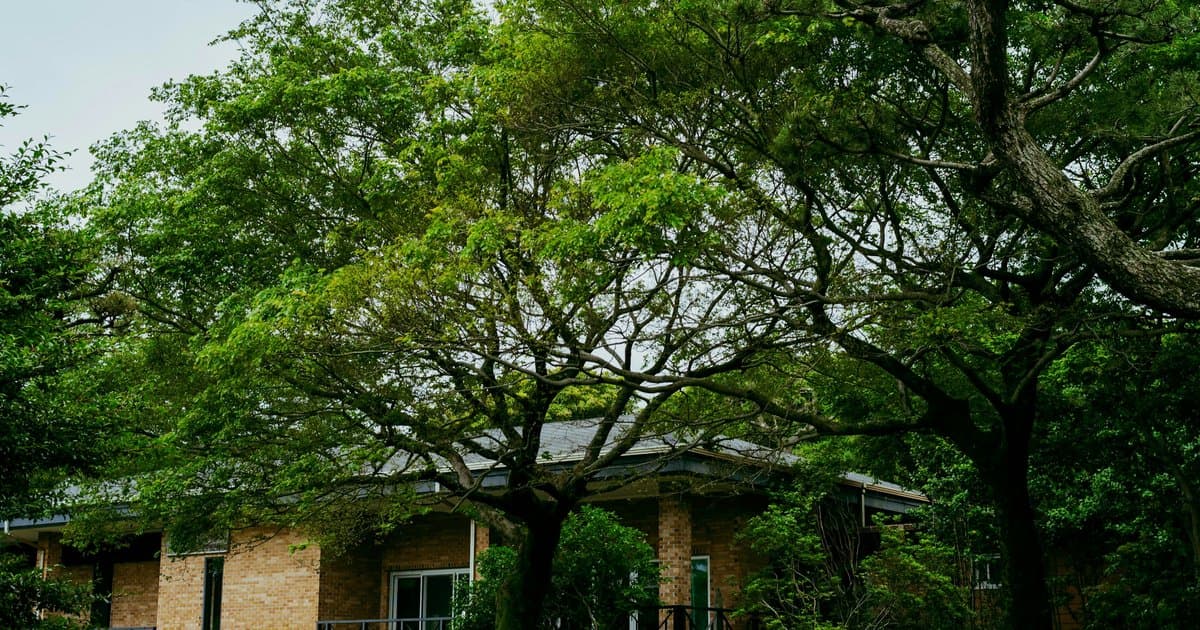
What does it actually cost to buy a home in East Dallas in 2026? It depends entirely on which East Dallas the listing means. The broad East Dallas area carries a median sale price of $741,000. Old East Dallas, the historic core inside it, sits at $534,814. That is a gap of more than $206,000 between two places that share a name, sit a few minutes apart, and get used interchangeably in listing copy.
If you are shopping East Dallas without knowing which set of numbers applies to the block you are standing on, you are working from the wrong comps.
Two medians, two directions
Per Redfin's East Dallas market data, the broad East Dallas area posted a $741,000 median sale price, up 10.1% year over year, at $349 per square foot, with homes averaging 52 days on market against 40 days the prior year. Volume thinned: 236 homes sold in the reporting month versus 282 a year earlier.
Now look at Old East Dallas, the older historic core roughly bounded by the Swiss Avenue, Munger Place, and Junius Heights districts. Over the trailing three months ending June 2026, the median sale price was $534,814, down 7.8% year over year, at $285 per square foot, with 78 homes sold and a 48-day median time on market.
One number is up double digits. The other is down almost eight percent. Same name.
| East Dallas (broad) | Old East Dallas | |
|---|---|---|
| Median sale price | $741,000 | $534,814 |
| Year-over-year change | +10.1% | -7.8% |
| Price per square foot | $349 | $285 |
| Median days on market | 52 | 48 |
| Homes sold in period | 236 | 78 |
| Redfin Compete Score | — | 46 |
The reason the two diverge is composition. The broad East Dallas boundary sweeps in Lakewood, the M Streets, White Rock Lake frontage, and Forest Hills, where the housing stock is larger, the lots are deeper, and the price ceiling is higher. Old East Dallas is the pre-war grid closer to downtown: 1905-to-1930 construction, smaller footprints, and a much heavier mix of condos, townhomes, and duplexes in the sales pool. When the mix shifts, the median moves without any individual house changing value.
The historic districts are the defining feature
Old East Dallas is where Dallas invented historic preservation. Swiss Avenue became the city's first landmark historic district in 1973 and was listed on the National Register of Historic Places on March 28, 1974. It runs from Fitzhugh to just north of La Vista and takes in stretches of Bryan Parkway, La Vista Drive, and Live Oak Street.
The street was platted by Robert S. Munger starting in 1905 as part of Munger Place, marketed at the time as the first deed-restricted subdivision in Texas. Per the City of Dallas designation report, Munger's original covenants required two stories minimum, brick or masonry exteriors, and a minimum $10,000 construction cost, with utilities run through rear alleys so no poles would break the front elevations. Roughly 200 homes line the street, most built in the 1910s and 1920s, in something like sixteen distinguishable architectural styles: Prairie, Georgian, Italian Renaissance, Spanish, Tudor, Craftsman, Colonial Revival, and more.
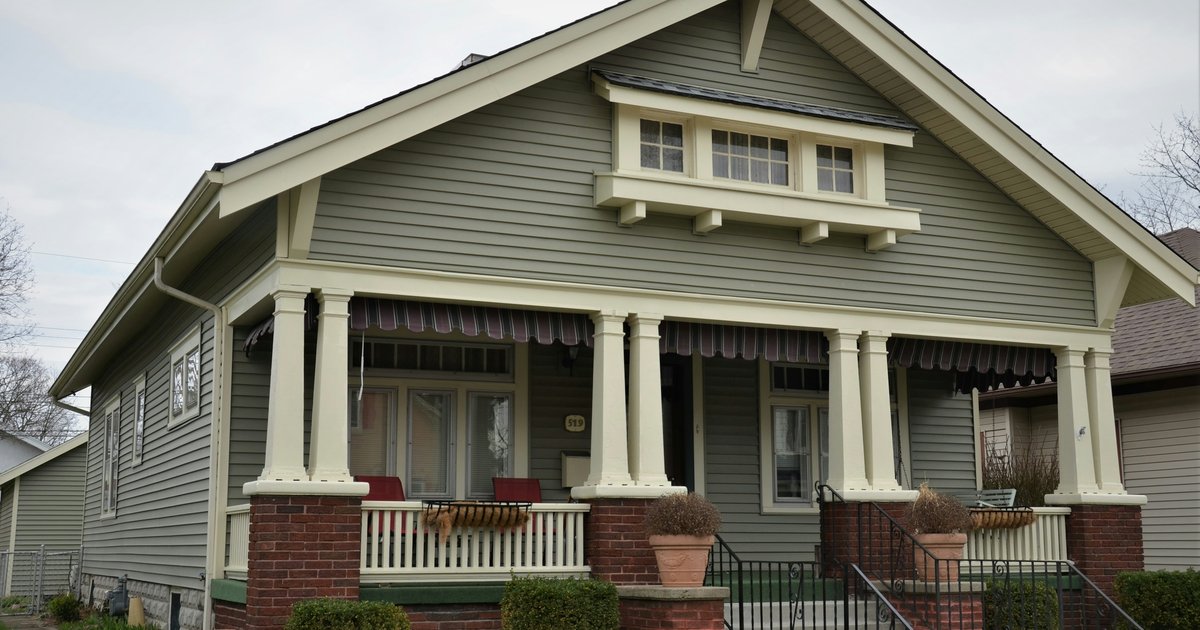
Next door, Munger Place was added to the National Register in 1978 and holds one of the largest concentrations of Prairie foursquare homes in the country, uniformly spaced, low-hipped roofs, wraparound porches. And Junius Heights, per its landmark nomination report filed with the City of Dallas, is the largest historic district in the city, with more than 800 contributing homes.
That concentration is the whole appeal. It is also the thing most buyers underestimate at contract.
What a Certificate of Appropriateness means for your renovation budget
This is the practical part. Per the City of Dallas Office of Historic Preservation, landmark districts are governed by district-specific preservation ordinances administered by the Dallas Landmark Commission, and a Certificate of Appropriateness must be obtained before any work can begin on a property inside one.
Not major work. Any work. Recent Landmark Commission agendas include approvals for things as small as installing landscaping in an existing front flowerbed and adding step railings to front-yard waterfall steps. Windows, siding, roofing material, paint on some elevations, fencing, additions, and driveway changes all run through the same door.
None of that is a reason to avoid these districts. It is a reason to price the work correctly before you write the offer. A $535,000 purchase with a $150,000 renovation plan is a different transaction when the design review adds review cycles to a schedule and constrains material choices to what the ordinance permits. Sellers face the mirror image: if prior owners did unpermitted work, that surfaces during the option period and lands squarely in your negotiation.
Buying in one of these districts? Schedule a private consultation about East Dallas before you tour, not after you are under contract. Knowing which district a block sits in changes what you offer on it.
How the market is actually behaving
Old East Dallas is a negotiating market right now, and the leverage indicators say so plainly. Sale-to-list price is running 96.6%, down 1.5 points year over year. Only 9.2% of homes sold above list, a drop of 8.6 points. And 39.6% of listings took a price cut, up 2.8 points. The Redfin Compete Score sits at 46, with typical homes closing about 3% under list at roughly 47 days to pending, while well-prepared listings go pending in about 25 days.
Compare that to Lakewood inside the broad East Dallas footprint, which scores 66, averages about 2% under list, and goes pending in about 31 days. That spread, 25 to 31 days for prepared homes versus 47 days for the average, is the single most useful number in this post. Condition and pricing discipline, not the ZIP code, decide which side of it you land on.
Recent closings in the area show the range: a 2,837 square foot home on N Prairie Avenue last listed at $875,000 after 154 days, a 1,386 square foot property on Adolph Street at $589,000 after 27 days, and a 3,549 square foot home on Victor Street at $1,080,000 after 35 days. Same submarket, three very different outcomes, driven by preparation and price.
Carrying costs and the practical stuff
Texas has no state income tax and no state real estate transfer tax, but the property tax line does the work. The combined Dallas rate, City of Dallas, Dallas ISD, Dallas County, Parkland, and Dallas College, runs $2.226885 per $100 of assessed value, per the Dallas County Tax Office. On the Old East Dallas median that is roughly $11,900 a year before any homestead exemption; on the broad East Dallas median, roughly $16,500. Unlike Deep Ellum immediately to the southwest, Old East Dallas carries no additional PID assessment on top of that.
On the physical side, Redfin's climate and transportation data puts 10% of Old East Dallas properties at severe flood risk over 30 years, rising to 13% across the broader East Dallas footprint, worth an early look at the flood determination and an insurance quote before the option period closes. Walkability runs 73 Walk Score, 45 Transit Score, and 70 Bike Score in Old East Dallas, which is genuinely high for single-family Dallas.
Selling here instead? Request a confidential valuation of your East Dallas home, with 39.6% of listings taking a price cut, the initial number matters more this year than last.
Frequently Asked Questions
What is the difference between East Dallas and Old East Dallas?
East Dallas is the broad umbrella covering Lakewood, the M Streets, White Rock Lake, Forest Hills, and the historic core. Old East Dallas is that core specifically, the pre-war grid nearer downtown that includes the Swiss Avenue, Munger Place, and Junius Heights historic districts. As of the most recent Redfin readings, broad East Dallas medians $741,000 while Old East Dallas medians $534,814. Confirm which one a listing or a market report is using before you rely on the number.
Do I need city approval to renovate a home in a Dallas historic district?
Yes. A Certificate of Appropriateness from the Dallas Landmark Commission is required before any work begins on a property inside a landmark district, and the preservation criteria are specific to each district's ordinance. That covers exterior work down to fairly minor items. Build the review timeline and the material constraints into your renovation budget before you go under contract.
Is East Dallas a buyer's market or a seller's market in 2026?
Old East Dallas currently favors prepared buyers. Sale-to-list is 96.6%, only 9.2% of homes sold above list (down 8.6 points year over year), and 39.6% of listings took a price cut. Average homes go pending in about 47 days at roughly 3% under list. Well-priced, well-presented homes still move in about 25 days, so the leverage depends heavily on the specific property.
What are property taxes on an East Dallas home?
The combined Dallas taxing rate is $2.226885 per $100 of assessed value across the City of Dallas, Dallas ISD, Dallas County, Parkland, and Dallas College. That works out to roughly $11,900 annually on the Old East Dallas median and roughly $16,500 on the broader East Dallas median, before homestead exemption. There is no PID overlay in Old East Dallas, unlike some adjacent Dallas districts.
Should I use an agent who specializes in East Dallas historic homes?
What matters is transaction experience with the specific issues these properties raise: Certificate of Appropriateness timelines, unpermitted prior work discovered during the option period, older foundations and plumbing, and comparables that require you to distinguish a Munger Place foursquare from a Lakewood tear-down-and-rebuild. An agent who works only new construction in the northern suburbs will not have priced those variables before. I have spent 22 years and more than $200 million in closed transactions across Dallas, including the Park Cities, Preston Hollow, and the East Dallas pockets, and I represent both sides of these transactions. If you are weighing an East Dallas purchase or sale, start a conversation.
Working East Dallas
I have walked buyers through the option period on Old East Dallas homes where the inspection turned up work a prior owner never took to the Landmark Commission, and I have listed on blocks where two weeks of preparation moved a house from the 47-day average into the 25-day group.
To see what is currently available, start with Dallas listings.
Paul Blair is the founder and broker of Grey Square, a virtual real estate brokerage representing buyers and sellers across Dallas and Los Angeles. With 22 years in the business and more than $200 million in closed transactions, Paul works the full range of the market, from luxury homes in the Park Cities and Preston Hollow to estates in the Hollywood Hills and across the Westside. Connect with Paul and the Grey Square team at greysq.com. TX TREC #9011505 · CA DRE #01792671.