Texas Foreclosure in 2026: What Every Dallas Homeowner Needs to Know Before the Auction Date
Texas led the nation in foreclosure starts in 2026. Dallas homeowners have a short 60-90 day window once formal notices begin. Know your rights and options.
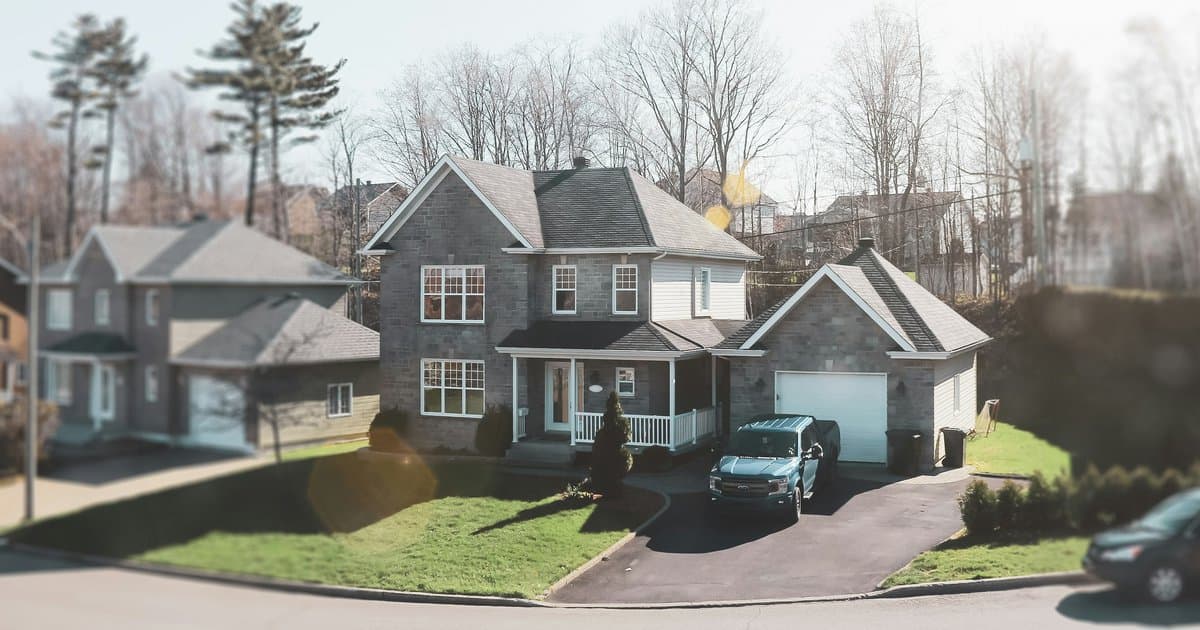
What happens when a Texas homeowner faces foreclosure?
Texas uses non-judicial foreclosure, which means your lender can sell your home at a public auction without going to court. Once a mortgage reaches 120 days delinquent, the process can begin, and under Texas Property Code §51.002, the sequence from first formal notice to courthouse sale can be completed in as few as 41 days. Homeowners who act before the notice of sale is filed have real options: loan reinstatement, forbearance, a traditional sale, or a short sale. Once the home sells at the auction, there is no right of redemption in Texas.
By Paul Blair | August 23, 2026
More than 2,700 DFW properties, across Dallas, Collin, Denton, and Tarrant counties, entered foreclosure in the first four months of 2026. That's roughly a third more than the same stretch a year earlier. Texas led the entire nation in foreclosure starts during that period, with over 20,000 filings statewide in H1 2026.
If you own a home in the Dallas area and you're behind on your mortgage, or worried you're getting close. This post is for you. Not because foreclosure is inevitable, but because in Texas, the window to act is much shorter than most homeowners realize.
Here's what the process actually looks like, and what you can do before you run out of time.
Why Texas Moves So Fast
Most states use judicial foreclosure: the lender files a lawsuit, waits for a judge's ruling, then schedules a sale. That process can take a year or more.
Texas is different. Under the power-of-sale clause in your deed of trust, your lender has the right to sell your home without going to court. That's what non-judicial foreclosure means. The full timeline from first formal notice to courthouse auction can be as short as 41 to 60 days, among the fastest in the country.
That speed is what makes this urgent.
The Texas Foreclosure Timeline
Here is how Texas Property Code §51.002 structures the process:
Day 1, You miss a payment. Late fees begin. Most servicers don't escalate immediately, but the clock is running.
Days 30–120, Late notices and servicer contact. Federal regulations under 12 C.F.R. §1024.41 (CFPB) prohibit foreclosure until a loan is at least 120 days delinquent. During this window, servicers must communicate about loss mitigation options, meaning you have a federally mandated period where the lender is required to at least discuss alternatives with you.
Notice of Default, 20-day cure notice. Once the lender decides to proceed, it sends a written Notice of Default by certified mail stating you're in default and giving you at least 20 days to cure, meaning to pay the arrearage and bring the loan current. Texas Property Code §51.002(d) gives you this statutory right to cure before the next notice can even be sent.
Notice of Trustee's Sale, 21-day notice of sale. If you don't cure the default in those 20 days, the lender records a Notice of Trustee's Sale with the county clerk, posts it at the courthouse, and mails it to you at least 21 days before the scheduled auction date.
The auction, first Tuesday of the month. In Texas, foreclosure sales happen on the first Tuesday of every month. Dallas County auctions take place at the George Allen Courts Building, 600 Commerce Street, Dallas, Texas 75202. Bidders arrive with certified funds, the trustee calls the sale, and the highest bidder wins.
Once the gavel falls, the former homeowner has no right of redemption. Texas does not give you a statutory window to buy your home back after a non-judicial foreclosure sale. That's the end of the road.
Your Rights During the Process
Even within this compressed timeline, you have meaningful rights, and the key is knowing them before the clock runs out.
Right to cure. Before the Notice of Sale is filed, you have 20 days to bring the loan current by paying only the past-due amounts and fees, not the entire remaining balance. If you do, the lender must cancel the foreclosure.
Right to reinstate. Even after the Notice of Sale is filed, most deeds of trust allow reinstatement up to five days before the scheduled sale. This means paying the full arrearage plus fees and costs. It's worth confirming the exact window with your servicer or a Texas real estate attorney, because the right exists in most, but not all, loan documents.
Right to challenge improper notice. If the lender failed to follow §51.002's notice requirements, wrong address, insufficient timing, failure to certify. You may have grounds to challenge the sale in court. Lenders must follow the notice rules precisely.
Your Options Before the Auction
If you're behind and haven't received a Notice of Sale yet, you have more options than you probably realize. The right path depends on your equity position and how much runway you have.
If you have equity in the home: Selling is often your best move. A traditional sale lets you pay off the loan and walk away with whatever equity remains, preserving your credit far better than a foreclosure. With Dallas-area values still significantly above 2020 levels despite recent softening, many homeowners who feel financially stretched are sitting on more equity than they realize. Knowing your current market value is the first step.
If you're underwater or close to it: A short sale in Texas lets you sell for less than what you owe, with the lender's agreement, as an alternative to foreclosure. This requires direct negotiation with your servicer and takes time, which is exactly why starting early matters.
If you're facing a temporary hardship: Forbearance agreements let you pause or reduce payments for a defined period. Loan modifications can permanently restructure your terms, a lower rate, extended term, or capitalized arrearages. Contact your servicer before the formal notices start. The earlier in the process you reach out, the more options servicers are required to present under CFPB rules.
Deed in lieu of foreclosure: You voluntarily deed the property back to the lender in exchange for them releasing the debt. Lenders typically consider this only after other options have failed. It still impacts your credit, but less severely than a completed foreclosure.
If you've dealt with an escrow shortage or seen your monthly payment increase significantly due to a property tax reassessment, that's often a warning sign worth acting on before a single missed payment becomes multiple missed payments.

Weighing Your Options: A Quick Comparison
| Option | Best When | Credit Impact |
|---|---|---|
| Reinstatement (pay arrears) | Temporary hardship, have the cash | None |
| Forbearance or loan modification | Working with servicer early | Minimal if completed |
| Traditional sale | Equity in the home | Minimal |
| Short sale | Underwater, lender agrees | Significant, but less than foreclosure |
| Deed in lieu | No equity, all else failed | Significant |
| Foreclosure sale | No action taken | Severe (7-year reporting window) |
A foreclosure on your record triggers a seven-year waiting period for a conventional mortgage and a three-year waiting period for an FHA loan. These aren't abstract numbers. They represent years of being locked out of buying again. Every alternative above, including the harder ones, leaves you in a better position.
One conversation before the Notice of Sale arrives is worth more than a dozen calls after it.
If you own a home in Frisco, McKinney, Plano, or anywhere else in North Texas and you're trying to figure out what your options are before the situation gets worse, schedule a private consultation with Grey Square. We'll tell you what your home is worth today, walk you through every realistic option, and help you make the decision that protects your credit and your equity as much as possible. No pressure. No obligation.
Frequently Asked Questions
How long does the foreclosure process take in Texas?
The full process can be completed in as few as 41 to 60 days once formal notices begin. Federal law requires the loan to be at least 120 days delinquent before the lender can initiate the process. After that, the 20-day cure notice and 21-day notice of sale run back-to-back, and the property sells at the courthouse on the next first Tuesday of the month. It's one of the fastest timelines in the United States.
Can a Texas homeowner stop a foreclosure after the notice of sale is filed?
Yes, but options narrow significantly. You can still reinstate the loan by paying the full arrearage (typically up to five days before the auction date), negotiate a last-minute forbearance or modification with your servicer, sell the home before the auction, or file for Chapter 13 bankruptcy, which triggers an automatic stay that halts the foreclosure temporarily while a repayment plan is structured.
Is there a right of redemption after foreclosure in Texas?
No. Texas does not provide a statutory right of redemption after a non-judicial foreclosure sale. Once the home sells at the courthouse auction, the former homeowner has no legal right to buy it back. This is one of the most important distinctions between Texas and most other states, and it makes acting before the auction date critical.
Does a Texas foreclosure affect my ability to buy another home?
Yes. A completed foreclosure creates a seven-year waiting period for a conventional (Fannie Mae or Freddie Mac) loan and a three-year waiting period for an FHA loan. VA loans may be available sooner depending on circumstances and lender requirements. Completing a short sale or deed in lieu typically results in shorter waiting periods than an outright foreclosure, which is one reason to explore every alternative before the auction date.
What's the best way to find a real estate agent in Dallas who can help me sell before foreclosure?
Look for a Texas-licensed agent with experience in distressed situations, not just standard listings. They should be comfortable working quickly, understand the TREC promulgated contracts, and know how to coordinate with a servicer's loss mitigation department when a short sale is on the table. Paul Blair at Grey Square has worked pre-foreclosure and distressed situations across Dallas and Collin counties for more than two decades. A private consultation costs nothing and gives you a clear picture of where you stand.
Texas's non-judicial foreclosure process is one of the fastest in the country, and the window to act closes faster than most homeowners expect. If you're behind on your mortgage or worried you might fall behind, the right time to explore your options is now, not after the Notice of Sale arrives.
If you own a home in the Dallas area and want to know what it's worth today and what your realistic path forward looks like, reach out to Paul Blair at Grey Square. This is the work I've been doing for 22 years.
About Paul Blair
Paul Blair is the founder and broker of Grey Square, a virtual real estate brokerage representing buyers and sellers across Dallas and Los Angeles. With 22 years in the business and more than $200 million in closed transactions, Paul works the full range of the market, from luxury homes in the Park Cities and Preston Hollow to estates in the Hollywood Hills and across the Westside. Connect with Paul and the Grey Square team at greysq.com. TX TREC #9011505 · CA DRE #01792671.