Gift Funds for a Down Payment in Texas: What Dallas Buyers Need to Know
Gift money can cover your full down payment in Texas. Here's how FHA and conventional rules differ, what your gift letter must include, and 2026 IRS limits.
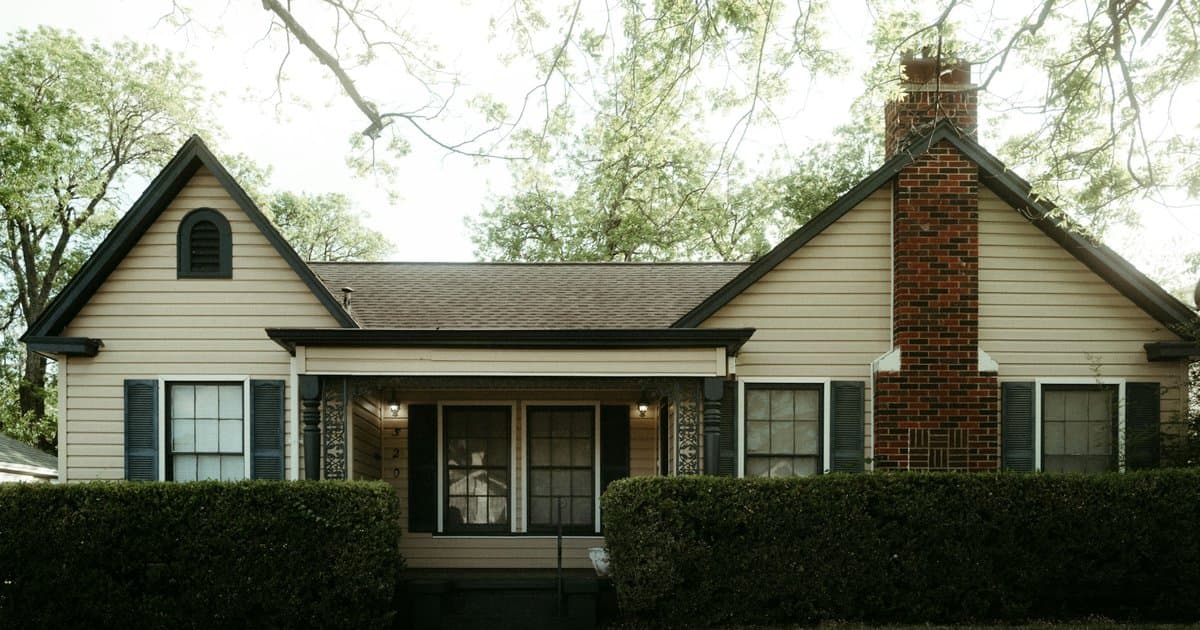
Can you use gift money for a down payment in Texas?
Yes. Texas home buyers can use cash gifts from family members to cover all or part of a down payment on a primary residence. FHA loans allow gift funds to cover the full 3.5% minimum down payment, and conventional loans allow gifts to cover 100% of the down payment on a one-unit primary residence. You'll need a properly formatted gift letter, documentation showing the money was transferred, and a lender who knows how to process it, or it can delay your closing.
By Paul Blair | August 22, 2026
One of the most common questions I hear from first-time buyers in Dallas is some version of this: "My parents want to help with the down payment, is that even allowed?"
The answer is yes. And it's more widespread than most people realize. Redfin data from 2024 showed that more than a third of Gen Z and Millennial buyers planned to use family money for their down payment. In a market where DFW median home prices are sitting around $415,000, that kind of help can close the gap between renting another year and getting keys.
But lenders don't just take your word for it. There's a process, a gift letter, a money trail, and a few rules that differ depending on the loan type. Get it right, and a family gift is a completely clean source of funds. Get it wrong, and you're scrambling three days before closing trying to reconstruct a paper trail that should have started six weeks ago.
Here's what you actually need to know.
Who Can Give You the Money?
This is where FHA and conventional loans diverge, and the difference is significant.
For conventional loans (Fannie Mae/Freddie Mac), acceptable donors include:
- Parents, grandparents, siblings, aunts, uncles, and cousins
- Spouses and domestic partners
- Fiancés and fiancées
- Godparents
- Former relatives such as stepparents and in-laws
The guiding principle is a "close personal relationship" with the borrower. A gift from a college friend doesn't qualify. A gift from your soon-to-be father-in-law does.
For FHA loans, the donor pool is wider:
- All family members (same as above, plus more distant relatives)
- Employers and labor unions
- Charitable organizations
- Government agencies and public entities that provide homeownership assistance
One rule that applies to every loan type: the money must be a genuine gift with no expectation of repayment. If there's any side agreement that you'll pay it back, even informally, lenders treat it as a loan, which counts against your debt-to-income ratio and can change what you qualify for.
The 2026 IRS Rules on Gift Tax
A lot of buyers panic when they hear "gift tax." The reality is far more manageable than most people expect.
The IRS annual gift tax exclusion for 2026 is $19,000 per donor, per recipient. A married couple can give up to $38,000 per recipient per year without any filing requirement at all.
If the gift exceeds that threshold, the giver files IRS Form 709, but they almost certainly won't owe any tax. The lifetime federal gift tax exemption in 2026 is approximately $13.99 million per person. Most families contributing to a down payment are nowhere near that limit.
What this means for DFW buyers:
On a $415,000 home, a 3.5% FHA down payment is about $14,500. One parent can give that amount with no filing required on either side. A 10% conventional down payment runs $41,500, a couple giving together at $38,000 is still shy. At 20% ($83,000), both parents giving separately can each stay under the annual exclusion on their portion.
The person receiving the gift never owes federal income tax on it, regardless of the amount. That's not how gift tax works.
What the Gift Letter Must Include
Every lender will require a gift letter before clearing your loan. Get this right from the start, an incomplete gift letter is one of the most common reasons closings get held up.
A compliant gift letter includes:
- Donor's full name, address, and phone number
- Donor's relationship to the borrower
- The exact dollar amount of the gift
- The property address being purchased
- A clear statement that no repayment is required or expected
- Donor's signature and date
Your lender will likely have a specific template. Ask for it. Don't write one from scratch.
The paper trail matters just as much as the letter itself. Lenders review your last two to three months of bank statements. A large, unexplained deposit triggers a flag. You'll typically need to show:
- A copy of the check or wire transfer from the donor
- A bank statement from the donor showing the withdrawal
- Your own bank statement showing the deposit
The biggest mistake I see: a buyer's parents hand over a check, the buyer deposits it, and nobody keeps a paper trail. By the time the lender asks, the donor has closed the account or the statements have cycled out. Start the documentation the moment the gifted funds conversation begins, before a single dollar moves.
If you're navigating a gift fund situation in Collin County or anywhere in the DFW metro, I can connect you with lenders who handle this routinely and know exactly what documentation to pull together from day one. Reach out here.
Timing the Transfer
When should the gift be deposited? The answer depends on your lender.
Some lenders require funds to be "seasoned", sitting in your account for 60 or more days, which eliminates the documentation requirement entirely because the money is simply part of your existing assets. Others accept a gift received right before closing, as long as the paper trail is clean.
For most DFW purchases, the cleaner path is to transfer early and document both sides. If you're buying new construction in Frisco or Prosper with a 6- to 12-month build timeline, seasoning is straightforward. If you're under contract on a resale and closing in 30 days, ask your lender about their specific requirement before the money moves.
 Source: Unsplash
Stacking Gift Funds with Texas DPA Programs
Here's a combination that more DFW buyers should be using.
Gift funds can often be stacked with Texas down payment assistance programs, and the combination can dramatically reduce what you need out of pocket. TSAHC (the Texas State Affordable Housing Corporation) offers grants of 3–5% of the loan amount that never need to be repaid. The DHAP program in Dallas offers up to $60,000 in forgivable assistance for income-qualifying buyers.
A common structure: parents gift money to cover closing costs while a TSAHC or DHAP grant covers the down payment. Or the reverse, a family gift handles the down payment while seller concessions (which are widely available in this 2026 buyer's market) offset closing costs.
Each DPA program has its own stacking rules, and some limit how much of the down payment can come from gifts versus your own funds. Your lender will know the constraints. For a full breakdown of what's available, see Texas First-Time Home Buyer Programs: How Dallas Buyers Qualify.
When Gift Funds Don't Cover It: The Investment Property Exception
For a one-unit primary residence, conventional loans allow 100% of the down payment to come from gift money. But there's a carveout that catches buyers off guard.
If you're buying a second home or investment property, Fannie Mae requires at least 5% of the down payment to come from the borrower's own funds. The rest can be gifted, but that first 5% must be traceable to your own accounts.
This matters in DFW's active investor market. If you're buying a rental in Garland or a second home for a parent moving in, not a primary residence for the borrower, plan for that 5% minimum out of your own pocket before you structure the gift.
The Practical Checklist
If a family member is planning to help with your down payment in Dallas, here's how to set it up cleanly:
- Talk to your lender before the money moves. The lender needs to know the gift is coming and can tell you exactly what documentation they require.
- Get the lender's gift letter template in advance. Don't draft your own.
- Transfer early. More time means more flexibility on documentation.
- Document both sides. You need the donor's bank statement showing the withdrawal and your statement showing the deposit.
- Don't commingle the gift with other large deposits in the same statement period if you can avoid it. It simplifies underwriting.
- Confirm the loan type's rules. FHA and conventional have different donor lists. Investment properties have a 5% own-funds floor.
Gift funds are legitimate, common, and, with the right documentation, completely clean. If you understand what you'll pay at closing and have a solid pre-approval in place, adding a gift fund to the equation is a straightforward step.
When you're ready to map out your down payment strategy and connect with a lender, reach out here, I'll point you in the right direction.
Frequently Asked Questions
Who can give me money for a down payment in Texas?
For a conventional loan, gift funds must come from close family members, parents, grandparents, siblings, spouses, domestic partners, fiancés, godparents, and former relatives like stepparents or in-laws. FHA loans accept a wider pool that also includes employers, labor unions, charitable organizations, and government DPA programs. In both cases, the gift cannot come from anyone with a financial interest in the transaction, such as the seller or builder.
How much can my parents gift me for a down payment without triggering taxes?
In 2026, each parent can give up to $19,000 per year with no reporting requirement on either side, $38,000 if both parents give together. Amounts above that require the donor to file IRS Form 709, but very few families owe any actual gift tax thanks to the lifetime exemption of approximately $13.99 million per person. The person receiving the gift never owes income tax on it, regardless of the amount.
What needs to be in a mortgage gift letter?
A mortgage gift letter must include the donor's name, address, and phone number; their relationship to you; the exact dollar amount; the property address; and a clear statement that no repayment is required or expected. It must be signed and dated by the donor. Ask your lender for their specific template rather than writing one from scratch, many lenders have a required format.
Can I use gift money for a down payment if I'm not a first-time buyer?
Yes. There's no first-time buyer requirement for using gift funds on a primary residence. The same rules apply regardless of how many times you've purchased before. The key factors are your loan type, the donor's relationship to you, and the documentation, not your buyer status.
Can I combine a family gift with a Texas DPA program like TSAHC or DHAP?
Often yes, though each program has its own stacking rules. A common approach is to use a TSAHC grant for the down payment and gift funds for closing costs, or vice versa. Your lender will confirm what's allowed under the specific program you're using. See the Texas First-Time Home Buyer Programs guide for a full breakdown of what TSAHC, DHAP, and TDHCA offer.
Gift funds are legitimate, fully allowed, and increasingly common in the Dallas market. The lender documentation requirements exist to protect everyone in the transaction, and when you get the paper trail right from the start, a family gift becomes just another clean source of funds for your closing.
If you're buying in the Dallas area and want to talk through your down payment structure, I'm glad to help.
About Paul Blair
Paul Blair is the founder and broker of Grey Square, a virtual real estate brokerage representing buyers and sellers across Dallas and Los Angeles. With 22 years in the business and more than $200 million in closed transactions, Paul works the full range of the market, from luxury homes in the Park Cities and Preston Hollow to estates in the Hollywood Hills and across the Westside. Connect with Paul and the Grey Square team at greysq.com. TX TREC #9011505 · CA DRE #01792671.