Home Warranty in Texas: What Every Dallas Buyer and Seller Needs to Know
A Texas home warranty runs $350–$700/year and covers HVAC, plumbing, and appliances, but DFW's 6-month AC season and clay soil change the math. Here's what Dallas buyers and sellers need to know.
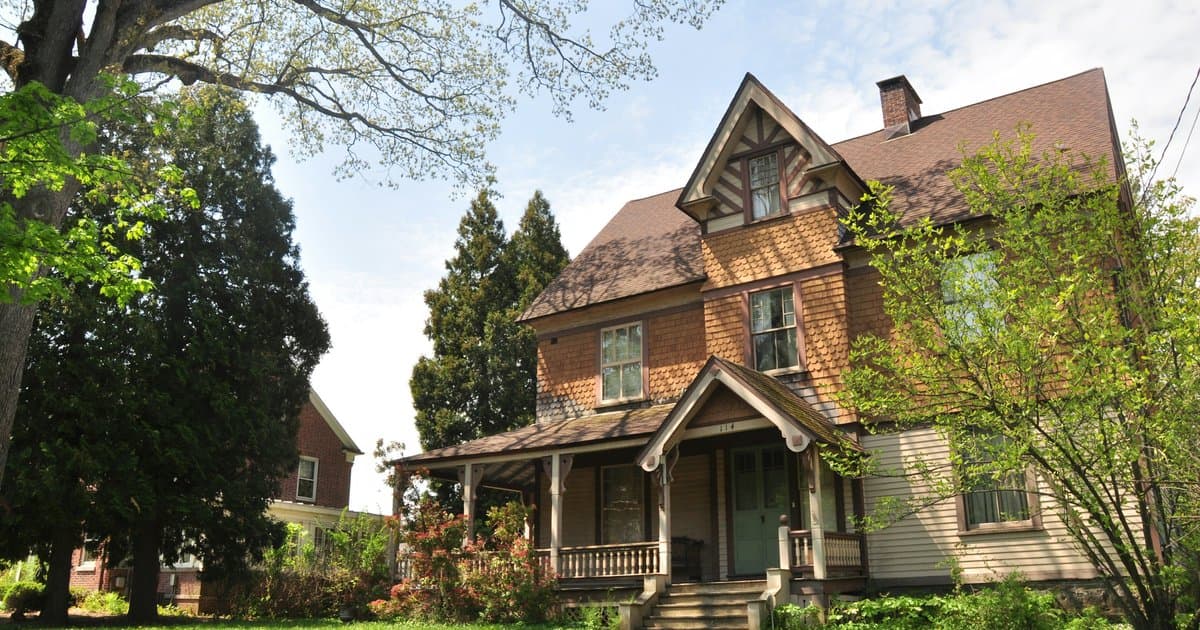
Is a home warranty worth it in Texas?
A Texas home warranty is a one-year service contract, not insurance. That covers repair or replacement of specific systems and appliances like your HVAC, plumbing, electrical, water heater, and built-in kitchen appliances when they break down through normal wear. Plans typically run $350–$700 per year for a resale home in DFW, with a $75–$150 service call fee each time you file a claim. Whether it's worth it depends almost entirely on the age of the home's systems: buyers purchasing resale homes with HVAC units past the 10-year mark benefit most, especially in Dallas, where air conditioning runs April through October and a single condenser replacement costs $5,000–$12,000.
By Paul Blair | July 21, 2026
Every week, someone sitting across from me at the closing table asks the same question: "Should I get a home warranty?"
It's one of the most common, and most misunderstood, questions in a Texas real estate transaction. Sellers offer them as sweeteners. Buyers ask for them as concessions. And both sides usually have no idea what's actually covered.
Here's what you actually need to know before you negotiate, decline, or sign up for a home warranty in the Dallas area.
What a Home Warranty Covers: and What It Doesn't
A home warranty is not the same as homeowners insurance. This distinction matters.
Homeowners insurance covers sudden, unexpected damage from events like fire, hail, wind, theft, and burst pipes. It does not cover mechanical failure from wear and age.
A home warranty covers mechanical breakdown of systems and appliances that have worn out over time. It does not cover structural damage, the roof (unless you add a rider), or anything that broke before you moved in.
| Homeowners Insurance | Home Warranty | |
|---|---|---|
| What it covers | Fire, hail, theft, sudden damage | Mechanical failure, wear and age |
| What it doesn't | Normal wear, system breakdowns | Pre-existing damage, structural issues |
| Annual cost (DFW) | $4,200–$5,900/year | $350–$700/year |
| Service call fee | Deductible ($1,000–$2,500) | $75–$150 per claim |
| Lender requirement | Required | Never required |
A standard Texas home warranty plan covers: HVAC (heating and cooling systems), plumbing (leaks and failures, not slab lines without a rider), electrical systems, water heater, dishwasher, oven, garbage disposal, and built-in microwave.
What it typically does not cover: slab plumbing lines without a specific rider, cosmetic damage, items flagged during your inspection, pre-existing conditions, and equipment that wasn't properly maintained or originally installed to code.
That last exclusion is the one that generates the most complaints. Claims get denied when the warranty company determines a unit was improperly installed, even if the problem shows up years later. Read the exclusions section of any plan before you sign.
If you're buying a home in the Dallas area, you can find your homeowners insurance basics here.
Why HVAC and Clay Soil Make Texas Different
Here's why this conversation matters more in DFW than in most of the country.
In Dallas, your air conditioning runs from April through October, six straight months. That's one of the longest sustained cooling periods in the United States. Every extra month of runtime puts additional stress on compressor coils, refrigerant lines, and fan motors. HVAC systems in North Texas simply age faster.
When an AC unit fails, and units past the 10-year mark fail at much higher rates, replacement costs run $5,000 to $12,000 depending on the size of the system and the efficiency rating. A single claim at that level covers five or more years of warranty premiums. That's the core math case for home warranties in DFW: if the system is old enough to be at risk, the potential claim value easily justifies the coverage cost.
The other DFW-specific factor is soil. Dallas and Collin County sit on expansive clay that contracts in summer heat and expands after rain. That movement stresses the plumbing that runs under your slab. Slab leaks, where a pipe beneath the foundation develops a slow failure, are significantly more common in DFW than in most other major metros. Standard home warranty plans typically cover plumbing inside the walls and inside the structure, but not under the slab. If your home is in an older neighborhood in Richardson, Garland, or Lake Highlands and you're concerned about slab line exposure, you want a plan with a slab leak rider.
Air conditioning was the number-one priority cited by Texas homeowners when selecting a home warranty, according to a recent national survey. That tracks with what I hear from clients every season.
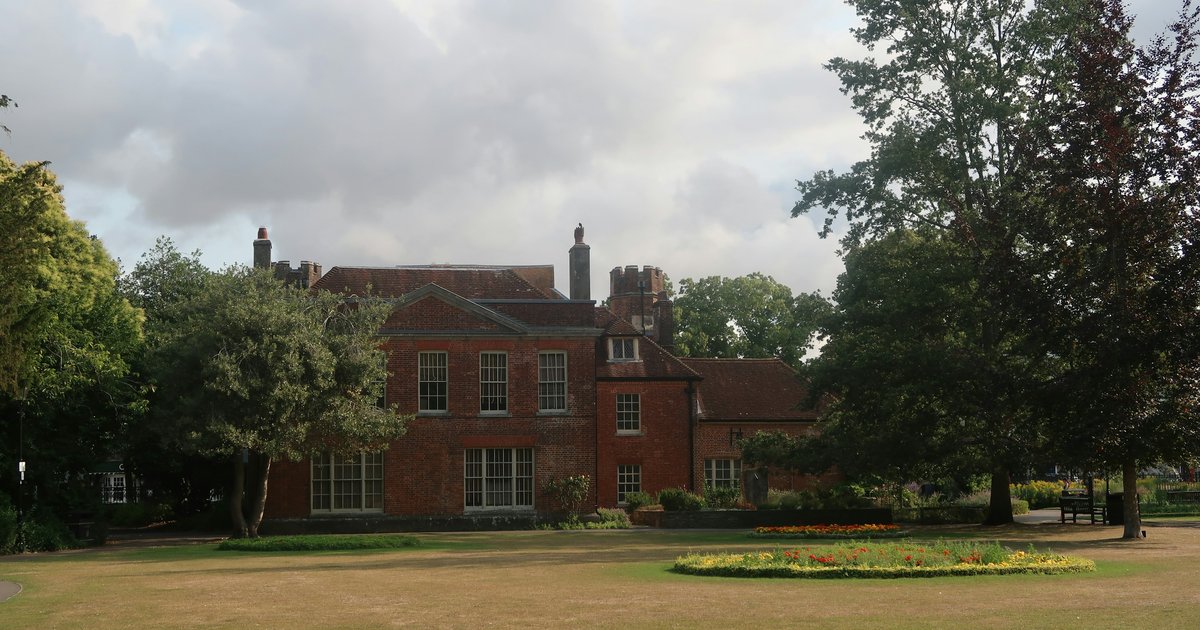 Resale homes in established Dallas neighborhoods like Lake Highlands and Richardson often carry aging HVAC systems, the number-one driver of home warranty claims in DFW.
New Construction: The 1-2-10 Warranty and What Changed in 2026
If you're buying new construction in the Dallas suburbs, Prosper, Celina, Anna, Melissa, or Frisco, your builder provides a tiered warranty that replaces the need for a third-party plan in the early years:
- Year 1: Workmanship and materials (cabinets, flooring, paint, trim, drywall)
- Years 1–2: Mechanical systems (plumbing, electrical, HVAC)
- Years 1–10: Structural defects (foundation, load-bearing walls, roof structure)
This is the standard 1-2-10 warranty used by DR Horton, Lennar, Meritage Homes, and most major DFW production builders.
One important change for 2026: Highland Homes, one of the larger regional builders active in Rockwall, Collin, and Dallas County, changed its structural coverage for any contract signed on or after January 1, 2026. Buyers under those contracts now receive a 6-year structural warranty instead of the industry-standard 10-year. Contracts signed before December 31, 2025 retain the 10-year coverage even if closing fell in 2026.
Other DFW builders, including Pace Setter, Shaddock Homes, David Weekley, Stone Hollow, Bloomfield, and Perry Homes, have maintained their 10-year structural warranty as of mid-2026.
If you're comparing builders in the Dallas suburbs, this is a question worth asking before you sign. A third-party home warranty doesn't fill the structural coverage gap; those plans cover mechanical systems, not foundation or load-bearing components.
For a full breakdown of what to watch for during construction, see our new construction phase inspection guide and the DFW builder contract breakdown.
Resale Homes: When a Warranty Makes Sense (and When to Skip It)
For a resale home in the DFW suburbs, the math is simple:
Get the coverage when:
- The HVAC unit is 10 years or older and has no remaining manufacturer warranty
- The water heater is 8 years or older
- The inspection flags system concerns but you're moving forward anyway
- You're a first-time buyer with no repair reserve built up yet
- You're buying a home in a pre-1990 neighborhood where cast-iron plumbing may be present
Skip it when:
- You're buying a newer home (under 8–10 years old) where major systems are still covered by builder or manufacturer warranties
- Your inspection came back clean across all major systems
- The sellers replaced the HVAC, water heater, and roof in the last 3–5 years and have paperwork to prove it
- You're comfortable self-insuring and have a dedicated maintenance fund
The home warranty is not a substitute for a thorough inspection. It's a backstop for the period after inspection when you own the risk. You still need an independent TREC-licensed inspector during your option period, not a warranty company's assessment of what they'll cover.
How to Negotiate the Seller to Pay for It
In the current DFW market, home warranties are back on the negotiating table. With inventory above 4 months of supply and more than 49% of DFW sales including some form of seller concession in 2026, sellers are increasingly willing to offer warranties as deal incentives, and buyers are asking for them.
The standard ask is $500–$700 for a one-year plan, paid by the seller at closing. In most transactions I've handled in 2026, sellers agree to this without significant pushback when the home has older systems or when the deal needs a nudge.
How to ask for it:
- Include it in the initial offer: Request that the seller provide a home warranty (specify "combined systems and appliances plan") paid at closing. This is the cleanest approach.
- Use it as a repair alternative: If the inspection surfaces aging systems (an AC unit in its last years, for example) but no clear defect, a warranty can be a negotiated middle ground instead of a price reduction.
- Ask during the amendment phase: Under TREC Amendment Form 39-10, you can request a home warranty as an alternative to specific repairs. It won't always land, but it's worth including.
The seller doesn't have to agree, but in the 2026 DFW buyer's market, the ask is entirely reasonable. A $600 warranty costs less than half a point of the purchase price and keeps most buyers from walking away over system anxiety.
Buying a resale home in Plano, Richardson, McKinney, or Wylie and weighing whether to ask the seller for a home warranty? The answer depends on the age of the home's systems and what your inspection turns up. Schedule a private consultation with a Grey Square agent to work through your specific situation before you make the ask.
Frequently Asked Questions
Does a home warranty cover foundation repairs in Texas?
No. Standard home warranty plans do not cover foundation damage, settling, or structural issues. Those are structural defects, not mechanical system failures. Foundation coverage is addressed under a builder's structural warranty (typically 10 years from closing on new construction) or through specialized third-party structural warranties. If you're buying a home with known foundation concerns, you need a structural engineer's report during your option period, not a home warranty.
Who pays for a home warranty in Texas, the buyer or the seller?
Either party can pay, and it's entirely negotiable. In the current DFW buyer's market, sellers frequently offer a one-year warranty as a closing concession, typically at $500–$700, to reduce buyer concern about older systems. Buyers can also purchase their own plan independently at any time. The Texas Real Estate Commission (TREC) does not require a home warranty in any residential contract.
Does a home warranty replace homeowners insurance in Texas?
No, they cover entirely different risks and you need both. Homeowners insurance covers sudden, unexpected damage (fire, hail, theft, pipe bursts), and your lender requires it as a condition of your mortgage. A home warranty covers mechanical failure and wear, HVAC breakdown, appliance failure, plumbing line leaks, and is optional. Some buyers confuse the two because both involve service calls and deductibles; they operate on completely different principles.
Is the Highland Homes warranty change in 2026 a dealbreaker?
It depends on your priorities and timeline. The structural warranty shortened from 10 years to 6 years for contracts signed January 1, 2026 or later, a material difference if you're concerned about foundation and structural risk over the first decade. Clay soil in North Texas does create foundation movement, though it typically manifests within the first 3–5 years. Competing DFW builders have held the 10-year standard. It's a fair point to raise with your agent when comparing builders.
What happens if my home warranty claim gets denied?
Warranty companies deny claims most often when they determine a system was improperly installed originally, was not maintained to manufacturer standards, or failed due to a pre-existing condition not disclosed at the time of coverage. Your options are to appeal with documentation from your inspection or original installation records, escalate to the Texas Department of Licensing and Regulation (TDLR), which oversees residential service contracts in Texas, or pursue a repair on your own dime. This is why reading the exclusions carefully before choosing a plan matters.
Selling a home in Frisco, Murphy, or Allen and considering whether to offer a home warranty to strengthen your listing? In the 2026 DFW market, it's often the right move, especially if your AC unit or water heater has some years on it. We can walk you through the cost-benefit for your specific home. Request a home value estimate and we'll include it in our pricing conversation.
Home warranties work best when you understand exactly what they cover, who pays, and whether the age of the home's systems makes the math work in your favor. In DFW, where air conditioning is a six-month necessity and clay soil stresses everything underground, the case for coverage on a resale home is often stronger than buyers expect.
About Paul Blair
Paul Blair is the founder and broker of Grey Square, a virtual real estate brokerage representing buyers and sellers across Dallas and Los Angeles. After 22 years in the business working purchases from new construction in Prosper and Celina to resale homes in Richardson and Lake Highlands, he's walked hundreds of clients through the question of whether a home warranty is worth asking for, and when the answer is clearly no. With more than $200 million in closed transactions, Paul works the full range of the market, from luxury homes in the Park Cities and Preston Hollow to estates in the Hollywood Hills and across the Westside. Connect with Paul and the Grey Square team at greysq.com. TX TREC #9011505 · CA DRE #01792671.