New Construction Home Inspections in DFW: Phase Inspections, Pre-Drywall, and the 11-Month Warranty Window
DFW new construction buyers get three inspection windows: pre-drywall, final walkthrough, and 11-month warranty. Missing any one means paying out of pocket for repairs the builder owed you.
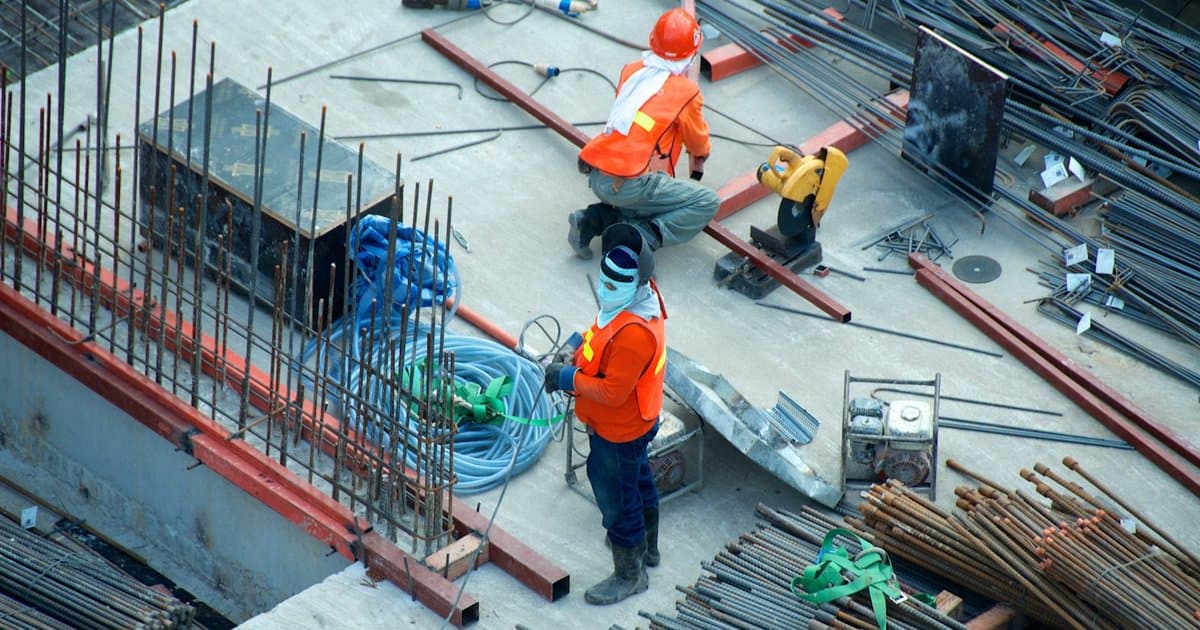
Do new construction homes in DFW need an independent inspection?
Yes, and most buyers don't do it. Texas does not require builders to provide an independent third-party inspection. Municipal code inspectors check minimum code compliance, not workmanship quality, and they typically spend 15 to 20 minutes on a framing inspection for an entire house. For DFW buyers, three inspection windows matter: pre-drywall (before walls are closed), final walkthrough (before closing), and 11-month warranty inspection (before the builder's one-year warranty expires). Missing any one of these windows leaves you paying out of pocket for repairs the builder was legally required to fix for free.
By Paul Blair | June 29, 2026
Most DFW buyers purchasing new construction in Prosper, Frisco, McKinney, or Celina assume someone is looking out for them. The builder has city inspectors. The city issues a certificate of occupancy. The house is brand new. What could go wrong?
Quite a bit, actually.
Texas municipal code inspectors are doing a different job than you think. They're verifying minimum code compliance, not quality. A Plano or Fort Worth inspector might spend 15 minutes on a framing inspection for an entire home. Their mandate is narrow: is the code met or not? Whether the HVAC duct is sealed properly, whether the post-tension cables are correctly spaced, whether water will drain away from your slab instead of pooling against it. That's not their concern.
Getting your own independent inspector at the right stages is one of the best decisions you can make as a DFW new construction buyer.
The Three Windows Every DFW New Construction Buyer Gets
Pre-Drywall
This is the most important inspection of the three. After framing is complete and the rough-in plumbing, electrical, and HVAC ductwork are installed, but before insulation and drywall go up. You have a brief window to see everything.
Once drywall is on, most defects become invisible until they cause damage years later.
At the pre-drywall stage, a good inspector checks:
- Framing quality: missing hurricane ties, improperly notched studs, undersized headers above windows
- Foundation rough-in: whether plumbing trenches were properly compacted (a common issue in DFW's clay soils)
- Electrical rough-in: grounding, box placement, wiring quality
- HVAC rough-in: duct placement, sealing, proper sizing for a Texas summer
- Post-tension cable placement: critical in DFW, where the Eagle Ford Shale and Austin Chalk clay formations require precise slab engineering
That last point matters more here than almost anywhere in the country. The clay soils under Tarrant, Dallas, Collin, and Denton counties shrink dramatically in hot, dry Texas summers and swell when the rains return. If the post-tension cables aren't correctly spaced, or if the plumbing trenches weren't compacted properly, you'll see the consequences in your foundation over time, usually just after the warranty window closes.
Final Walkthrough Inspection
Before closing, you'll do a builder walkthrough. The builder's rep walks with you, you mark punch list items, and they agree to fix them before you take possession.
This walkthrough is not an inspection. The builder's rep works for the builder.
Hire an independent TREC-licensed inspector to do their own walkthrough before yours. They'll find things the punch list process misses, HVAC performance issues, water heater expansion tanks, grading problems, improperly supported drain lines. You want these documented and in writing before you sign.
Most major DFW builders, D.R. Horton, Lennar, Pulte, Perry Homes, Ashton Woods, and Shaddock Homes, allow independent inspectors on-site. They're accustomed to it. A builder who refuses should be a red flag.
The 11-Month Warranty Inspection
This is the one most buyers miss.
Your new home comes with a one-year limited warranty covering defects in materials and workmanship. After 12 months, the most common builder warranty provision closes, and anything that goes wrong becomes your problem.
By month 10 or 11, the home has gone through its first Texas summer, multiple rain events, and a full cycle of soil expansion and contraction. That's when patterns appear that weren't visible at closing. The 11-month inspection is your last opportunity to have the builder fix these items at no cost.
What typically shows up at 11 months in DFW:
- Drywall cracks from normal foundation settling in clay soil
- Caulk separation at windows and exterior trim as the house expands and contracts through seasons
- Nail pops from lumber drying out in the Texas heat
- HVAC performance issues that only showed up after the first real summer
- Grading and drainage problems: water pooling near the slab is the single biggest trigger for foundation movement in North Texas, and grading often settles in ways that create drainage problems that weren't visible at closing
- Plumbing deficiencies: improperly supported drain lines, missing anti-siphon devices on hose bibs, water heaters installed without expansion tanks
Schedule the 11-month inspection at month 10 so you have time to submit the warranty claim and negotiate with the builder before the deadline.
What Independent Inspectors Cost in DFW
Phase inspections for DFW new construction typically run $150 to $350 per phase, depending on home size and inspector. A full three-phase package, pre-drywall, final walkthrough, and 11-month, often runs $500 to $800 for a single home.
That's a small investment against the cost of an HVAC repair ($4,000 to $8,000), a foundation drainage correction ($5,000 to $15,000), or a plumbing repair that had to come out of your own pocket because you missed the warranty window.
How This Fits Into Your New Construction Timeline
If you're still in the contracting stage, your Texas option period gives you a window to terminate for any reason, including inspection findings, for a relatively low option fee. Understanding what to look for in that window is worth discussing with your buyer's agent before you sign.
If you haven't reviewed your builder contract yet, that's the first step. Builder contracts in DFW are not TREC promulgated forms. They're written by the builder's attorneys. New construction builder contracts in DFW have specific provisions around warranty, inspection access, and defect claims that most buyers don't read closely enough.
And if you're buying in a community with a Municipal Utility District or Public Improvement District, your ongoing tax obligation is separate from and in addition to your regular property tax bill. MUD and PID taxes in DFW is something you'll want to understand before you close.
Finally, having an independent buyer's agent working with you, not the builder's sales agent, matters more on new construction than on resale. Why you need a buyer's agent for new construction in DFW explains the specific leverage a good agent brings, including inspections, flex cash negotiation, and warranty claims.
Your Specific Situation Matters
Every builder, every subdivision, and every home is different. Some DFW communities have soil profiles that make foundation issues more likely. Some builders have better QC records than others. Some buyers purchase spec homes where the pre-drywall window has already passed, and the strategy shifts to what you can still catch at the final walkthrough and 11-month mark.
The bottom line is that a brand-new home is not an inspected home unless you hire someone to inspect it.
Frequently Asked Questions
Can a DFW builder legally refuse to let me hire an independent inspector?
No. Under the Texas Business and Commerce Code, buyers have the right to have a property inspected prior to purchase. Most major DFW builders, including D.R. Horton, Lennar, Pulte, and Perry Homes, routinely allow independent inspectors on-site and will coordinate access. A builder who refuses or creates obstacles should be considered a serious red flag.
How much does a phase inspection cost for new construction in DFW?
Individual phase inspections typically cost $150 to $350 depending on home size and inspector. Many DFW inspectors offer bundled three-phase packages (pre-drywall, final walkthrough, and 11-month) for $500 to $800 total. That's a small cost relative to the defects they're designed to catch before the builder's warranty closes.
What happens if I miss the 11-month warranty window?
Once your builder's one-year warranty expires, any defects that weren't reported and remediated become your financial responsibility. In DFW, where clay soil movement commonly causes drywall cracking, drainage issues, and caulk separation in the first year, missing the window can mean paying $5,000 to $20,000 or more in repairs the builder would have covered at no charge. Schedule the 11-month inspection at month 10 to give yourself enough time to file a claim.
Do I need a phase inspection if I'm buying a spec home in DFW?
Yes, but your options are limited. A spec home is complete before you purchase it, which means the pre-drywall window has already closed. You can still hire an inspector for a standard pre-purchase inspection, and you should absolutely schedule the 11-month warranty inspection before your coverage expires. Ask your buyer's agent about the builder's inspection access policy for spec homes.
Is the builder's final walkthrough the same as an independent inspection?
No. The builder's walkthrough is a punch list review, the builder's rep notes cosmetic and minor items to be corrected before closing. It is not a technical inspection of systems, structure, or workmanship quality, and the rep's job is to manage the builder's liability, not to advocate for you. An independent TREC-licensed inspector evaluates the home against code standards and industry best practices and reports to you, not the builder.
If you're buying new construction in DFW and want to walk through the inspection strategy for your specific situation, which phases are still available, what to watch for in your builder's contract, and how to structure your warranty claim. I'm happy to help. Reach out through the contact page and we'll go from there.
About Paul Blair
Paul Blair is the founder and broker of Grey Square, a virtual real estate brokerage representing buyers and sellers across Dallas and Los Angeles. With 22 years in the business and more than $200 million in closed transactions, Paul works the full range of the market, from luxury homes in the Park Cities and Preston Hollow to estates in the Hollywood Hills and across the Westside. Connect with Paul and the Grey Square team at greysq.com. TX TREC #9011505 · CA DRE #01792671.