MUD and PID Taxes in DFW: What New Construction Buyers Pay
MUD and PID taxes add $200–$400 a month on many DFW new builds in Celina, Prosper, and Anna. Here's how to spot them, what they cost, and your exit rights.
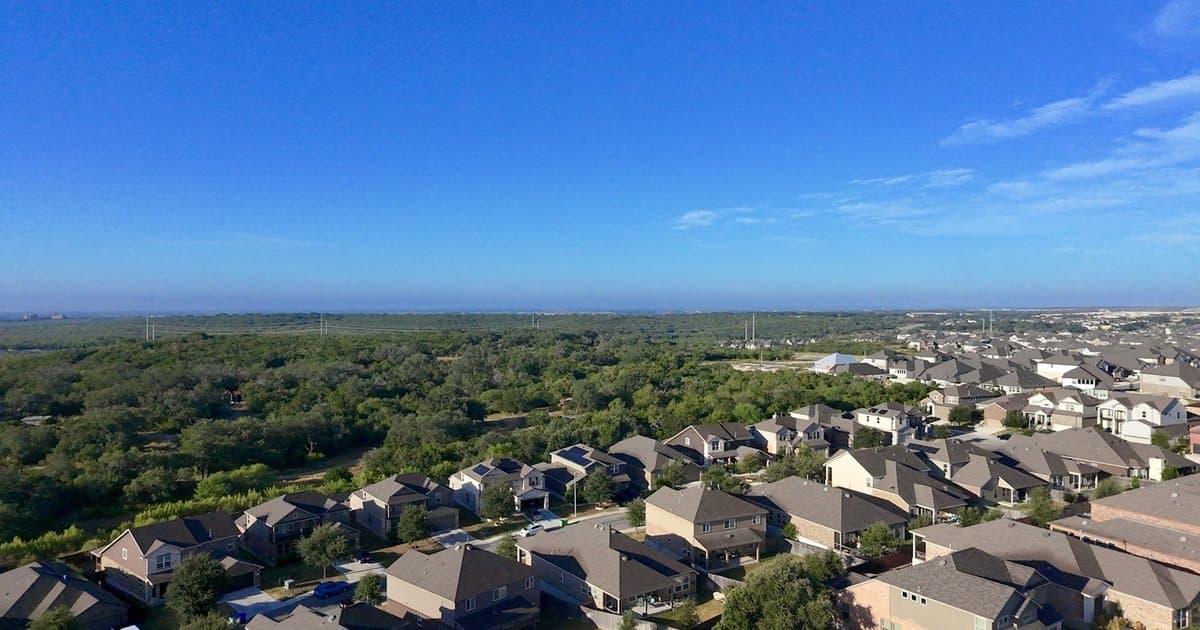
What are MUD and PID taxes on new construction in DFW?
MUD and PID taxes are special district charges layered on top of regular property taxes in many DFW new construction communities, especially in Celina, Prosper, Anna, Melissa, and the Frisco corridor. A MUD (Municipal Utility District) adds a property tax of roughly 0.5%–1%+ of your home's value each year, while a PID (Public Improvement District) charges a fixed annual assessment that often runs $1,500–$4,000 or more. Together with city, county, and school taxes, they can push your total tax rate past 2.5% and add $200–$400 a month to your payment. Texas law requires sellers and builders to disclose these districts before you close, and gives you the right to walk away if they don't.
A CBS Texas story put it bluntly: new North Texas homeowners hit with an unexpected district tax said, "We would not be living here" had they known. The buyers weren't careless. The line item just never made it from the developer's bond documents to the builder's sales office to the kitchen-table conversation.
I see a version of this every month. A buyer falls in love with a new build north of 380, the sales flyer quotes a payment based on the base tax rate, and then the first real escrow analysis lands a year later, $300 higher per month. The house didn't change. The tax math did.
If you're shopping new construction anywhere on the northern growth edge, Celina, Prosper, Anna, Melissa, McKinney, or out east toward Wylie. This is the cost you need to understand before you get emotionally attached to a floor plan.
How MUD and PID Taxes Work, and How They Differ
Master-planned communities don't appear out of empty pasture for free. Someone has to fund the water lines, sewer, drainage, roads, parks, and trails before the first home sells. In Texas, developers usually borrow that money through one of two structures, and the homeowners pay the bonds back over 20–40 years.
A MUD, Municipal Utility District: is its own little government. It levies an actual property tax rate on top of everything else you pay.
- Typical MUD rates run 0.5% to over 1% of your home's value per year. On a $600,000 home, that's $3,000–$6,000 annually.
- The rate is applied to your appraised value, so it moves with the market.
- You can't pay it off individually: the debt belongs to the whole district. Rates generally decline as the district builds out and bonds retire, but that's a 20–40 year arc.
A PID, Public Improvement District: is created by the city or county and works differently.
- Instead of a tax rate, you owe a fixed annual assessment, commonly $1,500–$4,000+ depending on the community and your lot.
- The assessment has a defined payoff schedule, usually 20–40 years.
- Here's the part almost nobody tells buyers: a PID can be prepaid. You can pay off your lot's share of the assessment in a lump sum and delete that line from your tax bill forever. A MUD cannot be paid off this way.
You'll find both all over the northern suburbs. Light Farms in Celina and Trinity Falls in McKinney are MUD communities. Mustang Lakes and Cambridge Crossing in Celina and Creeks of Legacy in Prosper carry PIDs. None of this makes them bad places to buy. These are some of the most amenity-rich communities in DFW, and the districts are what built those amenities. You just need the real number.
What the Math Looks Like in the Northern Suburbs
Tax rates in the high-growth corridor already run higher than in built-out areas. Combined rates in parts of Anna sit around 2.52%, and Celina runs roughly 2.55%–2.58% depending on the school district boundary, compared with the low 2s in most established Dallas and Collin County neighborhoods.
Run that against real prices and the gap gets concrete:
- $600,000 new build with a 1% MUD: roughly $3,000–$6,000 a year in district tax alone, $250–$500 a month on top of the payment you were quoted.
- $520,000 home with a $2,800 PID assessment: about $233 a month, every month, for decades, unless you prepay it.
- Borrowing power: lenders count district taxes in your debt-to-income math. A meaningful MUD or PID can reduce what you qualify for by $30,000–$70,000 compared with the same house outside a district.
Two honest counterpoints, because this cuts both ways. First, builders in MUD and PID communities often price homes slightly below comparable non-district neighborhoods, the market does adjust. Second, both MUD taxes and PID assessments are generally deductible as property taxes, which HOA dues are not.
There's one more trap specific to new construction: the escrow shortfall. If your lender sets up your escrow account based on the unimproved lot value, common when you close before the county has assessed the finished home, your first-year payment looks artificially low. When the county catches up and the district taxes hit, you get a shortage notice and a payment jump in year two. If you bought new construction recently and your payment just spiked, this is probably why, and it's also why it pays to protest your appraised value when the county's number comes in hot.
How to Protect Yourself Before You Sign
Texas law is actually on your side here, if you use it.
- Ask the direct question, in writing: "Is this lot in a MUD, PID, or any other special taxing district, and what is the current rate or assessment?" Builder sales reps work for the builder. Make them answer specifically.
- Pull the truth yourself. Look up the address or subdivision on the Collin, Denton, or Dallas county appraisal district site and read every taxing entity on the parcel. For PIDs, cities like Celina publish assessment rolls online.
- Know your notice rights. Sellers and builders are required to give you statutory MUD or PID notice. Delivered late, a MUD notice gives you roughly seven days to terminate; an undisclosed PID gives you a statutory right to walk after you receive notice. Those rights expire once proper notice is delivered and you sign on.
- Make your lender model the real number. Insist the qualification and escrow are based on the full improved value with every district included, not the teaser rate on the flyer.
- Bring your own representation. The builder's on-site agent isn't required to walk you through district economics. An independent buyer's agent for new construction costs you nothing as the buyer and exists for exactly this kind of fine print.
And once you close, file your homestead exemption right away. It won't erase a PID assessment, but it trims the school, city, and county portions of the bill and caps how fast your assessed value can climb.
Your specific number depends on the community, the lot, the bond maturity, and the school district line it sits on. That's not a flyer calculation. It's a parcel-level one, and it's exactly what I run for clients before we ever write on a new build.
Frequently Asked Questions
Can you avoid MUD and PID taxes in DFW?
Mostly by location. Established neighborhoods in Dallas, Richardson, Plano, and most built-out areas carry no district tax, while the majority of new master-planned communities north of Highway 380 have one. Some developers retire the cost by pricing lots higher instead. There's no exemption that removes a valid district charge. You avoid it by buying outside a district or prepaying a PID.
Do MUD taxes ever go away?
They decline rather than vanish on a date. As a district builds out and its bonds are repaid, typically over 20–40 years, the rate usually drops substantially, and mature MUDs can fall to a fraction of their early rate. A brand-new district means you're at the expensive end of that curve.
Can I pay off a PID assessment early?
Yes. PID assessments are tied to your specific lot and can be paid in a lump sum at any time, including at closing as a negotiated item. Ask the city or the PID administrator for your lot's payoff amount. MUD taxes can't be individually prepaid.
Are MUD and PID charges tax deductible?
Generally yes, both are treated as property taxes for federal deduction purposes, subject to the SALT cap, unlike HOA dues which are never deductible. Confirm the specifics with your tax professional.
Does the seller have to tell me the home is in a MUD or PID?
Yes. Texas requires statutory notice before you're bound to the contract, and the district also appears in the title commitment. If notice arrives late or not at all, you have a termination right, roughly seven days after receiving a late MUD notice, and a statutory walk-away right for an undisclosed PID.
The Bottom Line
MUD and PID taxes aren't a scam. They're how the northern suburbs got built, and they fund the pools, trails, and parks that make these communities worth wanting. But they're real money: often $200–$400 a month that never shows up in the builder's marketing math.
If you're looking at new construction in Celina, Prosper, Anna, or anywhere along the growth edge, I'll pull the actual district data on any lot you're considering and show you the true monthly cost before you commit. Reach out here and we'll run the real numbers together. And if you own in one of these communities and want to know what the district means for your resale value, start with a free home value estimate.
About Paul Blair
Paul Blair is the founder and broker of Grey Square, a virtual real estate brokerage representing buyers and sellers across Dallas and Los Angeles. With 22 years in the business and more than $200 million in closed transactions, Paul works the full range of the market, from luxury homes in the Park Cities and Preston Hollow to estates in the Hollywood Hills and across the Westside. Connect with Paul and the Grey Square team at greysq.com. TX TREC #9011505 · CA DRE #01792671.