What Does a Home in Larchmont Village Actually Cost in 2026?
What Larchmont Village homes cost in 2026, the price bands by segment, why it is not an HPOZ like Windsor Square, and what SB 79 changed for these blocks.
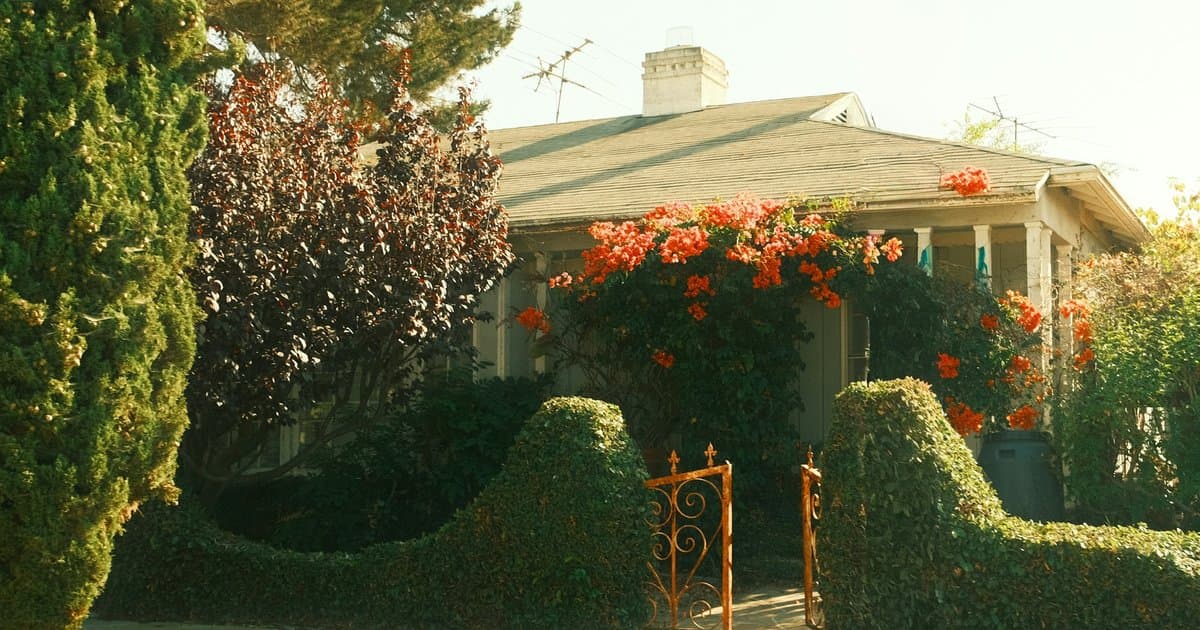
What does a home in Larchmont Village actually cost in 2026? About $1.53 million at the median, according to Redfin's most recent reading for the neighborhood, up 20.1 percent year over year as of March 2026. But the median hides more than it reveals here. An original 1920s two-bedroom asks around $1.5 million while a restored five-bedroom two streets over asks $3.5 million, and condos on the eastern edge start under $500,000. That spread, inside a neighborhood you can cross on foot in ten minutes, is the thing to understand before you write an offer or set a list price here.
Where Larchmont Village actually is
Melrose Avenue on the north, Beverly Boulevard on the south, Arden Boulevard on the west, Wilton Place on the east. Those are the boundaries the Larchmont Village Neighborhood Association draws, as reported by the Larchmont Chronicle, covering roughly half a square mile.
The listing portals disagree. The Los Angeles Times Mapping L.A. project drew a wider footprint years ago, pushing the eastern edge to Western Avenue, and Larchmont Buzz has written about how those competing lines spread through Zillow, Redfin, and Wikipedia. Redfin's polygon also reaches south of Beverly, so its median quietly blends in blocks most people standing on them would call Windsor Square or Hancock Park. If you are pulling comps from a portal rather than the MLS, you may be pricing a Larchmont Village bungalow against a Windsor Square estate. Those are different markets separated by one street.
What you actually pay in 2026
Here is what was on the market across the Larchmont polygon in late August 2026, grouped by segment rather than address, from Redfin's active inventory:
| Segment | Asking range | What it typically looks like |
|---|---|---|
| Condominiums and units | $499,000 to $1,075,000 | Two and three bedrooms, roughly 1,150 to 1,900 square feet, concentrated on Maplewood, Rosewood, and Elmwood |
| Period single-family, original or lightly updated | $1,499,000 to $1,829,000 | Two and three bedrooms, roughly 1,400 to 1,900 square feet, 1920s and 1930s Spanish and traditional |
| Renovated or expanded single-family | $2,395,000 to $3,495,000 | Four and five bedrooms, roughly 2,000 to 4,400 square feet, frequently with a permitted ADU |
| Small multi-unit and income property | $2,195,000 to $2,490,000 | Legacy apartment stock, mostly east of Van Ness |
| Land | $1,650,000 | A single 6,800 square foot lot |
Twenty-six properties in total. For a neighborhood this small, that is why the median moves so much month to month. A few condo closings pull it down. Two restored houses on Lucerne pull it up 20 percent.
Almost none of this touches Measure ULA. The city transfer tax starts at the 4 percent tier above roughly $5.15 million, indexed annually, and the top of current inventory sits well under that. Sellers here are mostly dealing with the Los Angeles County documentary transfer tax at $1.10 per $1,000 of value and nothing more exotic, a meaningful difference from Bel Air or the Hollywood Hills.
The streets, and what sits on them
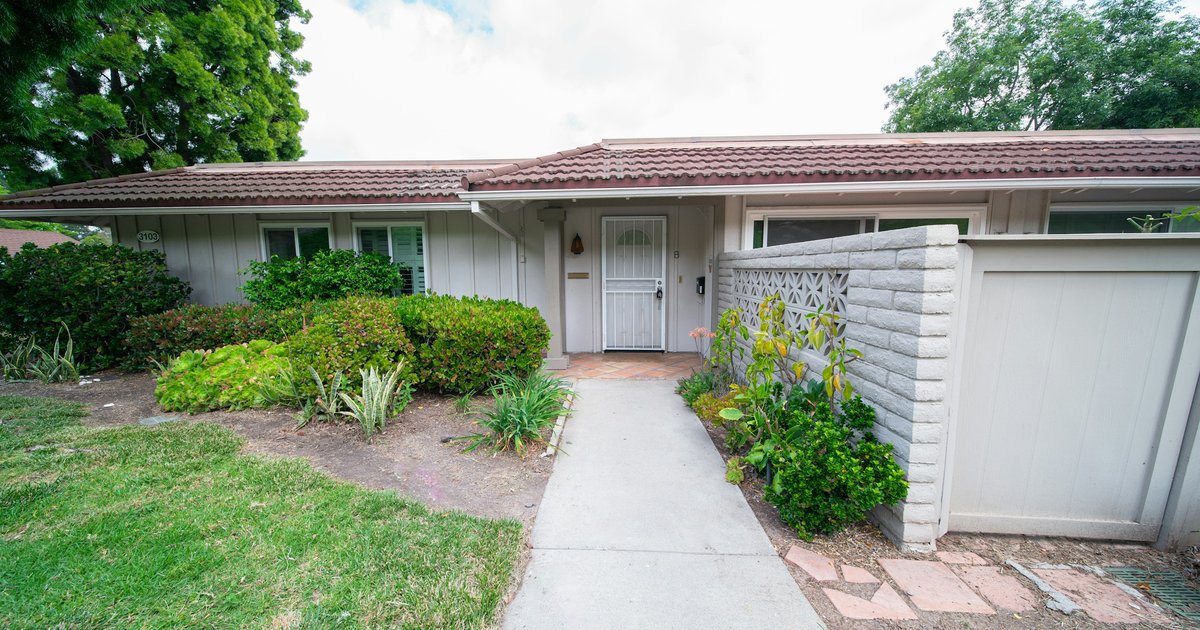
The residential grid runs north and south between Melrose and Beverly: Arden, Lucerne, Windsor, Irving, Plymouth, Van Ness, Bronson, Gower, St. Andrews, Wilton. Lots on the western streets run larger, in the 6,800 to 7,000 square foot range on current listings, and the stock skews to 1920s Spanish Colonial Revival, English Tudor, and California traditional, much of it still on its original footprint.
The eastern blocks are a different animal. Maplewood, Rosewood, and Elmwood carry more mid-century apartment and condominium stock, and that is where the sub-million-dollar entry points live. It is also where the multi-unit income properties sit, which brings the Los Angeles Rent Stabilization Ordinance and the statewide Tenant Protection Act into any sale of two or more units.
ADUs appear constantly. Several active single-family listings advertise a permitted detached unit, now a normal part of underwriting a purchase here. If you are buying one, confirm the permit history and final sign-off before your contingency removal date, not after.
The Boulevard
Larchmont Boulevard between Beverly and First is the commercial spine and the reason the neighborhood has a name people recognize. North Larchmont Boulevard carries a Walk Score of 88, rated very walkable, against a Los Angeles citywide average of 69.
The tenant mix has been turning over. Larchmont Buzz has tracked the recent transitions along the street, including new restaurant operators taking over long-held storefronts. The practical read is that the Boulevard's draw stays stable even as individual tenants change, and houses within three or four blocks of it carry a consistent premium over otherwise comparable homes further east.
Transit shifted this year too. Metro's D Line Extension Section 1 opened on May 8 with stations at Wilshire/La Brea, Wilshire/Fairfax, and Wilshire/La Cienega, adding to the Wilshire/Western terminus southeast of the neighborhood. Larchmont Village sits above that corridor rather than on it, but the proximity matters for the zoning question below.
The HPOZ question, and why it matters more this year
Here is the fact that surprises most buyers: Larchmont Village is not a Historic Preservation Overlay Zone. Its neighbors are. Los Angeles City Planning's list of adopted HPOZs includes Windsor Square, Hancock Park, Wilshire Park, Windsor Village, Miracle Mile, and Miracle Mile North. Larchmont Village is not on it. Residents discussed pursuing designation more than a decade ago and it never happened.
For years that distinction was mostly academic. In 2026 it is not.
On March 24, 2026, City Council directed City Planning to implement Senate Bill 79, the Abundant and Affordable Homes Near Transit Act, through a phased local approach running to 2030, and to immediately expand the Corridor Transition Program by extending incentives to single-family and lower-density parcels within half-mile buffers around eligible transit stations, while excluding HPOZs. The Low-Rise Ordinance and the Phased Implementation Ordinance became effective June 30, 2026.
Read that carefully. The HPOZ carve-out shields parcels in Windsor Square and Hancock Park. It does not shield Larchmont Village, which has no overlay to be excluded under. Whether a particular parcel falls inside an eligible buffer is a parcel-level question, and the city publishes the eligibility layers through ZIMAS. Check the address rather than assuming, in either direction.
City Planning is also drafting Objective Design Standards for the 35 existing HPOZs, with a public approval process anticipated in Fall 2026. Those will shape what gets built on the Windsor Square and Hancock Park blocks surrounding Larchmont Village.
If you own on one of these blocks and want to know what the zoning picture means for your parcel and your timing, request a confidential valuation for your Larchmont Village home. Pricing a house here without reading the overlay map next door is guessing.
How it compares to Windsor Square
One street south of Beverly Boulevard the numbers change substantially. Redfin put the Windsor Square median at $3,276,250 in its November 2025 reading, up 30.8 percent year over year, with homes selling in about 30 days at 101.8 percent of list. Those are larger lots, larger houses, and an adopted HPOZ with a preservation plan and a review board.
Larchmont Village trades near half that median on smaller lots, with more variation. Buyers who cannot reach Windsor Square pricing often land here, trading square footage and lot size for the walk to the Boulevard. Buyers arriving from Silver Lake or Los Feliz are trading hillside character and views for flat streets and a shorter errand radius. Compare what is currently available across the city on our Los Angeles property search.
Who actually buys here
Three patterns repeat. The trade-up buyer priced out of Windsor Square who wants the same architectural vocabulary and the same walk to the Boulevard, shopping the $1.5 million to $2.5 million band. The renovation buyer, drawn by period houses untouched for decades, where the absence of an HPOZ review board makes the work shorter than one street south. And the small-scale investor on the eastern blocks, a different underwriting exercise with rent stabilization at the center of it.
Frequently Asked Questions
Is Larchmont Village an HPOZ?
No. Larchmont Village does not appear on Los Angeles City Planning's list of adopted Historic Preservation Overlay Zones, though its immediate neighbors Windsor Square and Hancock Park both do. Exterior work here is not subject to HPOZ Board review or a district preservation plan, which shortens the renovation path but means less regulatory certainty about what gets built next door.
Does Measure ULA apply to a Larchmont Village sale?
Usually not. The City of Los Angeles Measure ULA transfer tax begins at the 4 percent tier above roughly $5.15 million, with a 5.5 percent tier above roughly $10.3 million, both indexed annually. Current Larchmont Village inventory tops out well below the first tier. Sellers should still expect the Los Angeles County documentary transfer tax at $1.10 per $1,000 of value, plus standard California escrow and title costs.
What does SB 79 mean for a house in Larchmont Village?
Los Angeles adopted a phased local implementation of SB 79 effective June 30, 2026, expanding Corridor Transition incentives to single-family and lower-density parcels within half-mile buffers of eligible transit stations while excluding HPOZs. Because Larchmont Village is not an HPOZ, that carve-out does not apply here. Whether a specific address falls inside an eligible buffer is a parcel-level question you can check on ZIMAS.
Why do Larchmont price estimates vary so much between websites?
Two reasons. The boundaries used by listing portals are wider than the ones the neighborhood association uses, so portal medians blend in blocks from Windsor Square and Hancock Park. And with only a couple dozen properties trading in a given stretch, one high or low closing swings the monthly median hard. Read any single month's figure as a data point rather than a trend.
How do I find a real estate agent who actually knows Larchmont Village?
Ask two questions. First, has the agent closed transactions inside the specific boundaries, not just the broader Mid-Wilshire area, since the pricing logic changes street by street here. Second, can they explain the overlay and zoning situation on your parcel without looking it up mid-conversation, because that is where deals get repriced in 2026. Citywide volume matters far less than knowing which side of Beverly Boulevard a comp came from. I am Paul Blair, founder and broker of Grey Square, working Los Angeles buyers and sellers across the Hollywood Hills, the Westside, and the Mid-Wilshire neighborhoods that include Larchmont Village, Windsor Square, and Hancock Park. For a read on a specific address, start a conversation about Larchmont Village.
Working this market
Larchmont Village rewards precision. The difference between a good purchase and an expensive mistake here usually comes down to four blocks, one zoning overlay, and whether your comps came from the right side of Beverly Boulevard. Whether you are buying or selling, schedule a private consultation about Larchmont Village and we will go through the block, the parcel, and what current inventory says about your timing.
I have walked the streets between Melrose and Beverly enough to know the pricing conversation here is really a boundary conversation, and that most of the confusion buyers arrive with traces back to a map drawn by someone who never stood on the corner.
Paul Blair is the founder and broker of Grey Square, a virtual real estate brokerage representing buyers and sellers across Dallas and Los Angeles. With 22 years in the business and more than $200 million in closed transactions, Paul works the full range of the market, from luxury homes in the Park Cities and Preston Hollow to estates in the Hollywood Hills and across the Westside. Connect with Paul and the Grey Square team at greysq.com. TX TREC #9011505 · CA DRE #01792671.