Selling a Pre-1978 Home in Los Angeles? Here's What the Lead Paint Disclosure Law Actually Requires
Pre-1978 LA home sellers must disclose known lead paint, provide the EPA pamphlet, and give buyers a 10-day inspection period. Here's what the law requires.
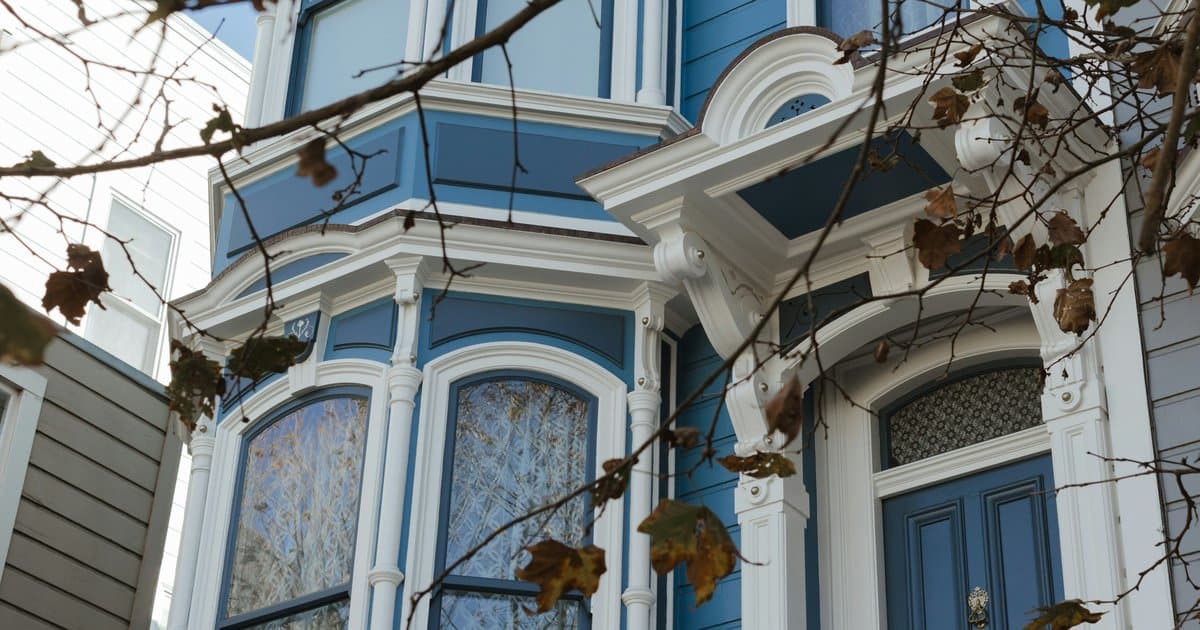
What do sellers of pre-1978 homes in Los Angeles have to disclose about lead paint?
Federal law requires any seller of a residential property built before 1978 to disclose all known lead-based paint hazards, provide the buyer with the EPA's "Protect Your Family from Lead in Your Home" pamphlet, and allow a 10-day inspection period before closing. You are not required to test your home for lead. You must only disclose what you already know. Sellers who skip this step face civil fines up to $19,507 per violation and potential treble damages in a civil lawsuit.
By Paul Blair | October 5, 2026
If you're selling a home in Los Angeles that was built before 1978, there's a federal disclosure obligation that applies to your sale. Most sellers don't hear about it until they're already in escrow and their agent drops the FLD form into the disclosure packet. Understanding what it actually requires, before you list, saves a lot of confusion later.
The short version: you have three specific things to do, and none of them involve paying for a lead test.
Approximately 2.6 million homes in Los Angeles County were built before 1978. If your home is in Hancock Park, Los Feliz, Silver Lake, Hollywood Hills, Echo Park, Laurel Canyon, or Brentwood, there's a very good chance the 1978 cutoff applies to you. Even many of the mid-century homes on the Westside fall under this rule. It's one of the most common disclosure questions I walk sellers through in LA's older neighborhoods before we go to market.
The Three-Part Federal Requirement
The Residential Lead-Based Paint Hazard Reduction Act of 1992, known as Title X, creates a three-part obligation for any seller of a pre-1978 residential property.
Part one: disclose what you know.
You must share any information you already have about lead-based paint or lead-based paint hazards in the home. That includes prior inspection reports, test results from when you bought the place, or anything you observed during your ownership.
The requirement is limited to what you already know. You are not required to hire an inspector and test every surface in the house. If you have no information about lead paint, you disclose exactly that: no known hazards. If you have prior test results showing lead was present in a window trim or painted wall, those get disclosed.
Part two: provide the EPA pamphlet.
Every buyer of a pre-1978 home must receive a copy of the EPA booklet "Protect Your Family from Lead in Your Home." Your listing agent provides this as part of the standard disclosure packet. The requirement applies regardless of whether you have any specific lead hazards to disclose.
Part three: allow time for a lead inspection.
Federal law gives buyers 10 days to conduct a lead risk assessment or inspection before the sale is finalized. Buyers can waive this right in writing, which does happen in competitive LA markets where the buyer is already committed and wants to remove contingencies quickly.
The waiver only covers the inspection period. The seller still completes the disclosure form and delivers the EPA pamphlet regardless of whether the buyer waives their inspection right. Signed disclosure records must be kept by both parties for three years after closing.
How the FLD Form Works in a California Transaction
In a California transaction, the federal lead disclosure is handled through a standard CRMLS form called the FLD (Federal Lead Disclosure). This form is part of your disclosure packet alongside the Transfer Disclosure Statement and Seller Property Questionnaire.
The timeline usually looks like this. Once you're in escrow and the buyer's disclosure review period starts, they receive the full packet, including the FLD. The 10-day lead inspection window runs in parallel with the buyer's standard inspection contingency. In practice, most buyers are already scheduling a general home inspection during this period, and they may or may not add a separate lead-specific inspection on top of that.
For context on how the FLD connects to the broader disclosure process, the Selling Your Home As-Is in Los Angeles: What California Law Still Requires You to Disclose post covers the full TDS/SPQ disclosure package. The Mold Disclosure in California: What Los Angeles Buyers and Sellers Need to Know post covers a closely related obligation that comes up frequently in older LA homes.
If your home had renovation work done after it was built, there's an additional consideration. The EPA's Renovation, Repair, and Painting rule requires that contractors working in pre-1978 housing be EPA-certified. This applies to renovation work affecting more than six square feet of painted surface in a room, or more than twenty square feet on an exterior. If uncertified contractors did work in your home, that renovation activity needs to be addressed in your disclosure. Your agent can walk you through how to document it accurately.
What Happens If Lead Paint Is Found (and What You Risk If You Skip the Disclosure)
If a buyer uses their 10-day window and a lead inspector identifies hazards, what happens next depends on your purchase contract and the nature of the findings.
Deteriorated lead paint, paint that is chipping, flaking, peeling, or otherwise in poor condition, is considered the primary hazard. Lead paint in good condition that hasn't been disturbed is generally assessed as lower risk.
When a lead inspection finds a concern, buyers typically respond in one of three ways. They negotiate a price reduction to cover remediation costs. They ask the seller to address the issue before closing. Or they exit the transaction under their inspection contingency.
How that conversation goes is specific to the home and the market. A well-maintained 1950s Brentwood home where lead paint is identified on an exterior wall in good condition is a different negotiation than a fixer with visible paint deterioration throughout the interior. Getting those details right is where having an experienced agent who's been through these conversations matters.
If you're thinking through what this might look like for your own property, get a home value estimate or reach out directly to walk through the pre-listing disclosure process.
The risk for skipping the disclosure is serious.
Under Title X, sellers face civil fines up to $19,507 per violation. That's per incident, not a lifetime cap. Beyond the government penalty, buyers who weren't properly disclosed can bring a civil lawsuit and collect treble damages, meaning triple their actual financial losses. Listing agents are also on the hook if they fail to ensure the disclosure is completed.
The good news is the process itself isn't difficult. You tell the buyer what you know. You provide the EPA pamphlet. You give them their 10-day window to inspect if they choose. Your agent handles the paperwork. Where it becomes a problem is when sellers assume the disclosure doesn't apply because the home has been renovated, or when someone skips it entirely.
The Natural Hazard Disclosure and the AB 968 seller disclosure law cover other obligations that commonly apply to LA sellers of older homes. Before your listing goes live, it's worth making sure you have the full picture.
Frequently Asked Questions
Do I have to test my home for lead paint before selling in California?
No. Federal law requires you to disclose what you already know about lead-based paint. It does not require you to hire an inspector and test your home. If you have no prior test results or knowledge of lead hazards, you disclose that: no known information. Testing is the buyer's option during their 10-day inspection window, not your obligation as a seller.
Does the lead paint disclosure apply if my pre-1978 home has been completely renovated?
Yes. The disclosure requirement is triggered by when the home was built, not by how extensively it's been updated. A fully renovated 1940s home in Los Feliz still requires the FLD form and the EPA pamphlet. The renovation history may affect what you disclose (particularly if renovation work was or wasn't done by EPA-certified contractors), but it doesn't eliminate the disclosure obligation.
Can buyers waive the 10-day lead inspection period in California?
Yes. Buyers can waive their right to a lead inspection in writing, and this does happen in competitive LA markets where buyers want to move quickly. But the waiver only covers the inspection period. The seller still completes the FLD form and provides the EPA pamphlet regardless of whether the buyer waives the inspection.
When does the buyer receive the FLD form in a California escrow?
The FLD is delivered as part of the seller's disclosure packet during escrow, alongside the TDS and SPQ. In California, the disclosure review period typically begins once the buyer is in contract. The 10-day lead inspection window runs concurrently with the buyer's standard inspection contingency. Both parties sign the FLD form to acknowledge the disclosure.
What happens if lead paint is discovered after the sale closes?
If a seller failed to disclose known lead hazards before closing, the buyer can pursue civil remedies including treble damages under Title X. California law also provides fraud and misrepresentation claims under general contract law. If the seller genuinely had no prior knowledge of the hazard, that's a different situation. This is why the disclosure language focuses on what you know rather than what exists in the home.
If you're preparing to sell a pre-1978 home in Los Angeles, the lead paint disclosure is one of several required steps that needs to be in place before you go to market. The Natural Hazard Disclosure in Los Angeles covers fire, flood, and earthquake fault disclosures that also apply to many older LA properties.
Getting all of this in order before you list protects you through escrow and after closing. Get a home value estimate or contact us to walk through the full pre-listing process for your home.
About Paul Blair Paul Blair is the founder and broker of Grey Square, a virtual real estate brokerage representing buyers and sellers across Dallas and Los Angeles. With 22 years in the business and more than $200 million in closed transactions, Paul works the full range of the market, from luxury homes in the Park Cities and Preston Hollow to estates in the Hollywood Hills and across the Westside. Connect with Paul and the Grey Square team at greysq.com. TX TREC #9011505 | CA DRE #01792671.