Los Angeles Flood Zone Buyers Guide: What the April 2026 FEMA Update Changes
FEMA's April 2026 update added 15,000 LA properties to high-risk flood zones. What buyers need to know about insurance, disclosures, and closing timelines.
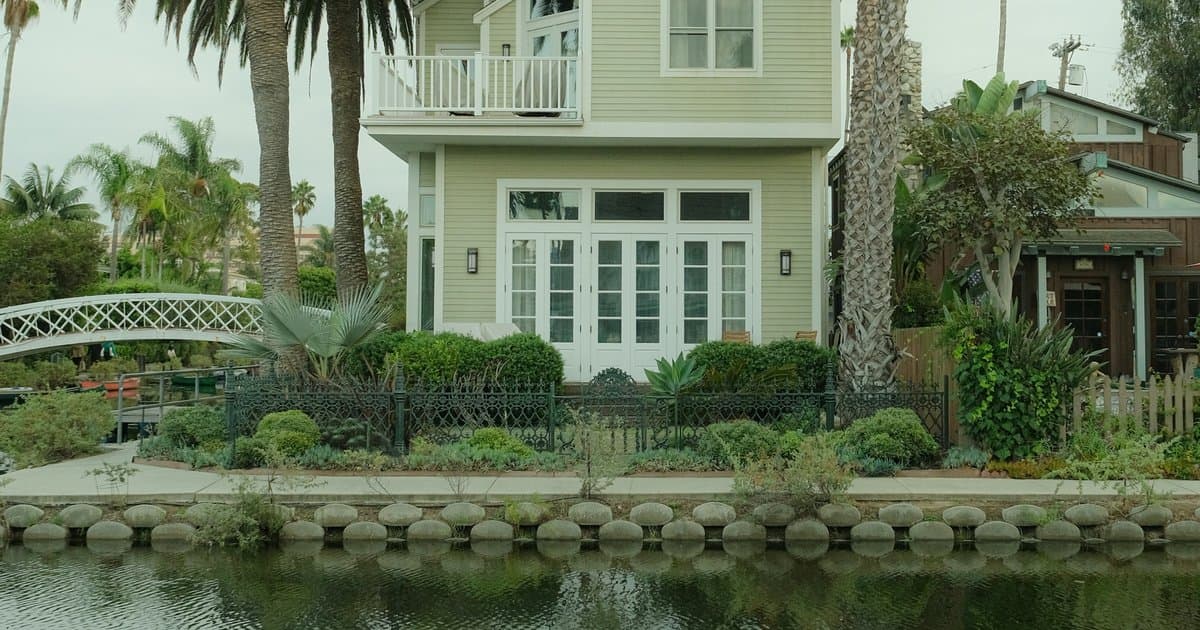
What does the April 2026 FEMA flood map update mean for Los Angeles buyers?
In April 2026, FEMA updated its Flood Insurance Rate Maps for Los Angeles County, adding approximately 15,000 properties to high-risk Special Flood Hazard Areas. Properties in these zones now require NFIP flood insurance before a lender will fund a federally backed mortgage, at an average cost increase of about $1,200 per year over the prior Zone X status. Sellers are required to disclose a property's flood zone status on the California Natural Hazard Disclosure report, and buyers whose target property was just added to a high-risk zone should verify insurance availability and factor the premium into carrying costs before making an offer.
By Paul Blair | October 8, 2026
The April 2026 FEMA map update changed the risk profile on roughly 15,000 Los Angeles-area properties. If you are buying in LA right now, here is what that means for your closing timeline, your carrying costs, and your offer strategy.
What Changed in April 2026
FEMA releases updated Flood Insurance Rate Maps (FIRMs) on a rolling basis, and the April 15, 2026 update for Los Angeles County was a significant one. Properties along the LA River corridor, parts of the San Gabriel Valley basin, coastal lowlands in the Marina del Rey and Venice area, and sections of the Elysian Park flats saw new or upgraded risk designations.
For most of these properties, the designation shifted from Zone X (minimal risk, no insurance required) to Zone AE (high risk, insurance required for federally backed mortgages).
You can check any address at msc.fema.gov, FEMA's Flood Map Service Center. Enter the address and you will see the property's current flood zone designation along with the panel number and effective date. If your target property shows Zone AE with an April 2026 effective date, it was part of the recent update cycle. It takes about 30 seconds and is worth doing before you schedule a second showing.
What It Means If the Home You Are Buying Is in Zone AE
Zone AE is FEMA's designation for Special Flood Hazard Areas, covering properties with a 1% annual chance of flooding, which the industry calls the "100-year flood zone." When your target property carries a Zone AE designation, three things happen automatically.
Your lender will require flood insurance. For any loan backed by the federal government (FHA, VA, or conventional loans sold to Fannie Mae or Freddie Mac), flood insurance is mandatory before funding. There is no option to waive it.
The insurance takes 30 days to take effect. NFIP flood insurance policies have a standard 30-day waiting period before coverage begins. That matters for your escrow timeline in a significant way. If you are already in a 30-day escrow and your lender discovers the Zone AE designation late, you may need to request an extension or risk a delayed closing. Address the flood insurance requirement in the first week of escrow, not the last.
Budget the premium before you make your offer. Flood insurance on an LA property in Zone AE typically runs $800 to $3,500 per year depending on the structure, its elevation, and the specific risk level within the zone. The newly designated properties are averaging about $1,200 more per year than their former Zone X status would have cost, which was zero. On a $2.5 million purchase, an added $1,500 annually comes to about $125 per month. That is manageable, but discovering it after you are under contract is a different experience than knowing it going in.
 Checking a property's FEMA flood zone designation takes about 30 seconds at msc.fema.gov and can change how you structure an offer.
What It Means If You Are Selling a Newly Designated Property
The April 2026 FEMA update creates a clear disclosure obligation for sellers. California's Natural Hazard Disclosure report (NHD), required under Civil Code Section 1103, covers six hazard categories. Flood zone status is one of them.
If your property was moved into a Special Flood Hazard Area in April 2026, your NHD now reflects that change. Buyers will see it, and their lenders will require flood insurance as a condition of funding. Buyers who had not budgeted for that premium will sometimes negotiate a seller credit to offset the first year's cost.
None of that makes your home unsellable. Plenty of homes in Zone AE sell every year in Los Angeles. What changes is the conversation, and you should know your current designation before you price and before you talk to a buyer about what they will owe at close.
For a detailed breakdown of everything California's NHD covers and what LA sellers are required to disclose beyond flood zone status, this guide to natural hazard disclosures in Los Angeles walks through the full picture.
How to Check, Challenge, and Plan
Check the current designation first. Go to msc.fema.gov, click "Find a Flood Map," and enter the address. The map panel shows the current zone designation, the panel number, and the effective date. An April 2026 effective date alongside a Zone AE designation confirms the property was part of the recent update.
Understand your flood insurance options. The primary route is the National Flood Insurance Program (NFIP), administered by FEMA and available through most insurance brokers. NFIP coverage limits are set by the federal government: up to $250,000 for the building and $100,000 for contents. On higher-value LA properties where replacement costs exceed those limits, private flood insurance may be worth comparing. Private carriers can offer higher coverage ceilings, though premiums on newly high-risk properties can be steep.
Consider a Letter of Map Amendment if appropriate. If a property was incorrectly placed in a flood zone because its elevation is actually above FEMA's base flood elevation, the owner can apply for a Letter of Map Amendment (LOMA). A licensed surveyor documents the property's actual elevation through an elevation certificate, and if FEMA agrees the property should not be in Zone AE, the designation can be changed. LOMAs take several months and are not a tool for closing delays. They are a post-close strategy worth pursuing if the numbers support it.
Talk to your lender early. Zone AE does not automatically mean your financing falls apart, but it does mean your lender needs to know upfront. Some private jumbo lenders handle this more flexibly than conventional conforming loans, but virtually all will require some form of flood insurance coverage. The earlier you have that conversation, the more options you have.
Los Angeles Neighborhoods Affected by the April 2026 Update
The April 2026 LA County update had the largest impact in low-lying areas near the coast, the river, and the basin floor. Pockets that saw new or upgraded Zone AE designations include:
LA River corridor: Frogtown (Elysian Valley), Elysian Park, and parcels in Atwater Village and Cypress Park adjacent to the river channel saw the most concentrated new designations.
San Gabriel Valley basin: Low-lying parcels in Montebello, Commerce, and Pico Rivera received significant new Zone AE designations, particularly in areas near the San Gabriel River and its tributaries.
Coastal lowlands: Parts of Marina del Rey's 90292 zip code and the Venice flatlands saw some designation updates. Buyers in the Venice Canals area have long navigated flood zone considerations; the Venice Canals buying guide covers what that means in that specific sub-market.
Long Beach and South Bay harbor areas: Some parcels near the Port of Los Angeles and inland channel communities received new designations in the 2026 update cycle.
The Hollywood Hills, Santa Monica Mountains communities, Bel Air, and Brentwood hillside properties were not meaningfully affected. Their topography keeps flood zone designation rare.
If you are buying in a flat coastal community or near any of the river corridors in the basin, check the FEMA map before you get emotionally attached to a property. A 30-second lookup at msc.fema.gov can change how you structure your offer and how quickly you move on escrow timelines.
Frequently Asked Questions
Does a Zone AE designation mean the home will flood?
Not necessarily. Zone AE means FEMA estimates a 1% annual chance of flooding, sometimes called the 100-year flood zone. Many properties in Zone AE never experience flood damage during a typical ownership period. What the designation does mean is that flood insurance is required for federally backed loans, and that buyers and sellers need to account for it in cost planning and disclosures.
Can I close escrow on a Zone AE property without flood insurance?
Not with a federally backed loan (FHA, VA, or conventional/conforming). Your lender will require a flood insurance policy to be in place before funding. Private lenders on jumbo loans have more discretion in theory, but in practice most require coverage as well. The 30-day NFIP waiting period means you need to initiate coverage within the first week of escrow, not on closing day.
How do I find out if the April 2026 update affected a specific property?
Go to msc.fema.gov, enter the property address, and check the effective date on the flood map panel. Panels for the Los Angeles County April 2026 update show an effective date of April 15, 2026. A Zone AE designation with that effective date confirms the property was added in the most recent update cycle.
What does flood insurance typically cost for an LA property in Zone AE?
NFIP premiums for a single-family home in Zone AE in Los Angeles County typically run $800 to $3,500 per year depending on the structure, its elevation, and the base flood elevation for that zone. Properties newly designated in the April 2026 update are averaging about $1,200 more per year than comparable Zone X properties nearby. Private flood insurance may offer higher coverage limits for high-value properties, often at a higher premium.
Do California sellers have to disclose a new flood zone designation?
Yes. The California Natural Hazard Disclosure report is required on all standard residential sales and must reflect the property's current FEMA flood zone status. If the April 2026 update moved a property into a Special Flood Hazard Area, sellers must disclose that designation. Failure to disclose a known material fact is a source of legal exposure under California law.
The April 2026 FEMA update is the kind of change that catches buyers off guard mid-escrow if no one thinks to check early. A 30-second lookup and an early call with your lender can save you a closing extension and a lot of stress.
If you are looking at a property in an LA flood zone, or if you are a seller working through what a new Zone AE designation means for your pricing and disclosure obligations, reach out before anyone signs anything. You can connect with the Grey Square team at greysq.com/contact, or if you want a current market value estimate alongside the flood zone picture on your property, start at greysq.com/home-value.
About Paul Blair
Paul Blair is the founder and broker of Grey Square, a virtual real estate brokerage representing buyers and sellers across Dallas and Los Angeles. With 22 years in the business and more than $200 million in closed transactions, Paul works the full range of the market, from luxury homes in the Park Cities and Preston Hollow to estates in the Hollywood Hills and across the Westside. Connect with Paul and the Grey Square team at greysq.com. TX TREC #9011505 · CA DRE #01792671.