What Two 2026 Sales on Glendower Avenue Show About Los Feliz Estates
Two Glendower Avenue sales eight weeks apart show what buying in Los Feliz Estates costs today, and how close a $2.7 million gap sits to the Measure ULA line.
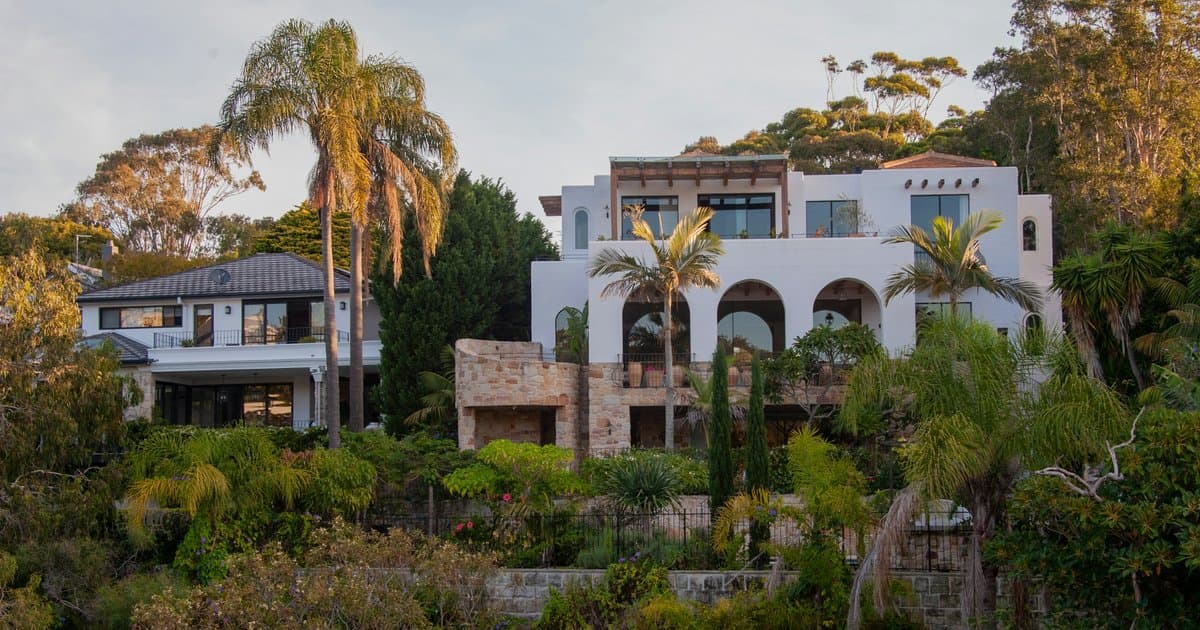
What does a house cost in Los Feliz Estates right now? Two sales on the same street, eight weeks apart, put a real number on it: $4,659,500 in March 2026 and $7,365,000 in February 2026, a gap wide enough to land on opposite sides of the Measure ULA transfer tax line. That single fact says more about this hillside pocket of Los Feliz than any median-price headline could.
Los Feliz Estates sits in the hills above Los Feliz Boulevard, tucked against the southern edge of Griffith Park, in the streets fanning out from Glendower Avenue, Aberdeen Avenue, and St George Street. It is a small, steep pocket of the larger Los Feliz district, built mostly in the 1920s, when the hillside was subdivided for buyers who wanted a Mediterranean or Spanish Colonial Revival house with a canyon view and a short drive to the studios. The lots are irregular, the streets curve hard, and the houses were built to the slope rather than against it. That building era is still the defining fact of the market: nearly everything that sells here is either a restored original or a teardown candidate, with very little in between.
Two houses, one street, one tax line
The clearest way to see the current market is to put two recent, verified Glendower Avenue sales next to each other.
2720 Glendower Avenue is a 1928 Spanish Colonial, 6,293 square feet on a 0.49-acre lot, five bedrooms and six baths, with a renovated pool, a full-size tennis court, and layered hillside gardens. It listed at $9,995,000 and closed on February 13, 2026 for $7,365,000, a 26 percent reduction from the original ask and $1,170 per square foot.
2495 Glendower Avenue, known locally as the former home of science-fiction collector Forrest J. Ackerman, is a 1923 house at 5,886 square feet on a 0.43-acre lot, also five bedrooms and six baths. It listed on August 26, 2025 at $5,399,000, sat on the market 125 days, and closed on March 31, 2026 at $4,659,500, or $792 per square foot.
| 2720 Glendower Ave | 2495 Glendower Ave | |
|---|---|---|
| Sold price | $7,365,000 | $4,659,500 |
| Sold date | Feb 13, 2026 | Mar 31, 2026 |
| Original list | $9,995,000 | $5,399,000 |
| Square feet | 6,293 | 5,886 |
| Lot size | 0.49 acres | 0.43 acres |
| Year built | 1928 | 1923 |
| Price per sq ft | $1,170 | $792 |
| Measure ULA owed | Yes, roughly $294,600 | No, $0 |
Both are 1920s hillside houses of comparable size on the same street. The nearly $2.7 million gap between them is not really a story about square footage. It is a story about which side of a tax threshold each sale landed on.
Why the gap matters more than it looks
At the time 2720 Glendower closed in February 2026, the City of Los Angeles Measure ULA transfer tax applied a 4 percent rate to the portion of any sale between $5,300,000 and $10,600,000, on top of the standard Los Angeles County documentary transfer tax of $1.10 per $1,000 of value and the city's own base rate. On a $7,365,000 sale, that 4 percent ULA tier alone comes to roughly $294,600, plus the standard county and city base transfer taxes, for total transfer taxes near $335,800.
The Ackermansion, at $4,659,500, closed under that threshold. It paid the county's $1.10 per $1,000 and the city base rate, and nothing else, for total transfer taxes around $26,000.
The Los Angeles Office of Finance has since raised both ULA thresholds, effective for sales closing after June 30, 2026, to $5,400,000 and $10,900,000. That is worth knowing if you are pricing a Los Feliz Estates listing today rather than in February: the line moved, but it did not go away, and a house in this neighborhood's upper range still sits close enough to it that pricing strategy and ULA exposure are the same conversation.
The character of the streets
Walk Glendower, Aberdeen, or St George and the pattern repeats: deep setbacks, mature oaks and pines planted when the hillside was first graded, and houses that step down the slope in tiers rather than sitting flat on a pad. Architecturally, this is one of the more intact 1920s hillside pockets in the city, with Spanish Colonial Revival, Mediterranean, and a scattering of Tudor and storybook houses from the same building boom. Because the terrain is steep and the lots are irregular, additions and new construction here tend to be constrained by grading and hillside ordinances rather than by zoning alone, which is part of why so much of the original 1920s stock has survived intact.
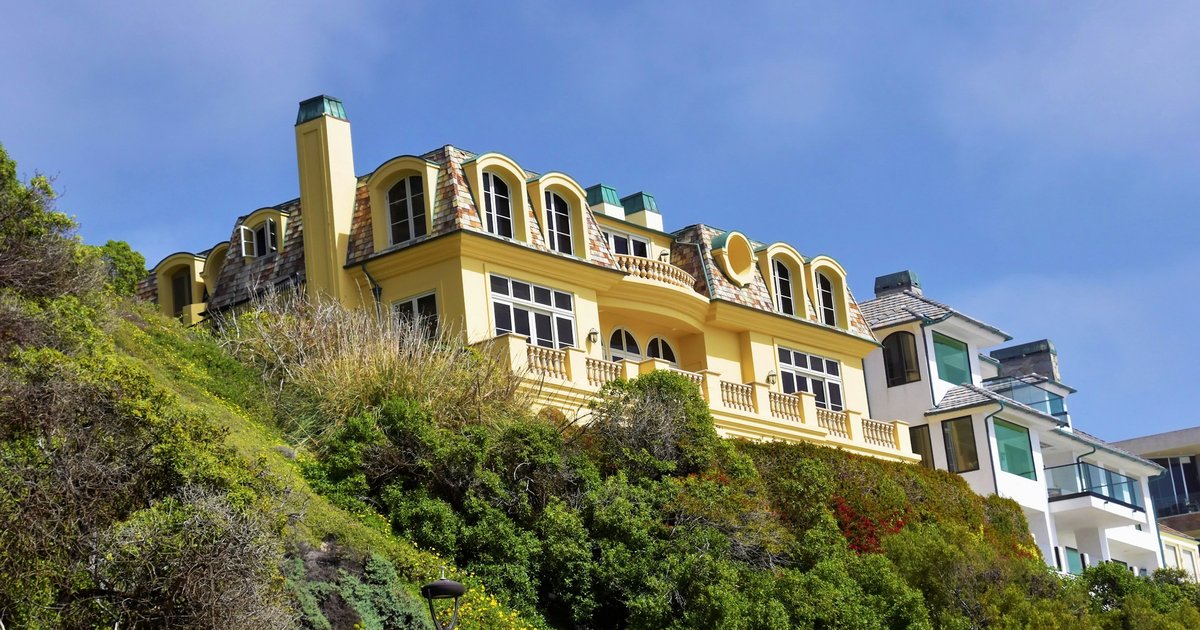
That intact quality is also what separates Los Feliz Estates from its neighbors. Los Feliz proper, closer to the Vermont and Hillhurst commercial strips, mixes the same-era Spanish and Craftsman houses with more infill and multifamily construction, and moves at a faster, more liquid pace. Laurel Canyon, a few miles west, is a narrower, more rustic canyon with smaller lots and a different architectural language entirely, shaped by its mid-century and 1960s building booms rather than the 1920s. Hollywood Hills, to the south and west, covers a much larger hillside footprint with a wider mix of building eras and a higher share of new construction. Los Feliz Estates reads as its own market next to all three: fewer transactions, larger and more consistent 1920s lot sizes, and buyers who are specifically looking for that hillside product rather than treating it as one option among several in a broader Los Feliz search.
Who is actually buying here
Both Glendower sales point to the same buyer profile: someone purchasing a five- or six-bedroom hillside house in the $4.5 million to $10 million range, prepared to either restore an original 1920s structure or take on a full renovation, and willing to absorb the site-work costs that come with a steep hillside lot. Inventory turns over slowly. When a well-located, well-preserved house does list, as with 2720 Glendower, it can still take a meaningful list-price reduction to sell, which tells you pricing at the top of this micro-market is not automatic, even in a neighborhood this specific.
If you are weighing a purchase in this range, a private conversation about the current inventory in Los Feliz Estates and the broader Los Angeles market is a reasonable next step. Schedule a private consultation to walk through what is actually available on and around Glendower right now.
Frequently Asked Questions
What does a home cost in Los Feliz Estates in 2026? Based on two verified 2026 sales on Glendower Avenue, recent transactions have ranged from roughly $4.66 million to $7.37 million for five-bedroom, 1920s hillside houses between 5,900 and 6,300 square feet. Both properties took meaningful time or price adjustment to sell, which suggests pricing at the top of this range takes real market testing rather than a quick list.
Does Measure ULA apply to a home sale in Los Feliz Estates? It can. The Los Angeles Office of Finance currently sets the ULA transfer tax at 4 percent on the portion of a sale between $5,400,000 and $10,900,000, and 5.5 percent above that, for sales closing after June 30, 2026. A number of Los Feliz Estates sales land close enough to that threshold that it belongs in any pricing or timing conversation, not just an afterthought at closing.
How is Los Feliz Estates different from Los Feliz proper? Los Feliz Estates is the smaller hillside pocket north of Los Feliz Boulevard, built out mostly in the 1920s with larger, more irregular lots. Los Feliz proper, closer to the Vermont and Hillhurst corridors, carries a similar architectural mix but includes more multifamily and infill development, and typically moves through more transactions per year.
What architectural style defines the neighborhood? Spanish Colonial Revival and Mediterranean designs from the 1920s dominate, with a smaller number of Tudor and storybook-style houses from the same building period. Because the hillside grading and lot shapes limit large-scale redevelopment, a high share of the original 1920s architecture remains standing rather than replaced.
Who's the right agent to work with for a hillside sale this close to the Measure ULA line? For a property sitting near a tax threshold like this one, what actually matters is direct transaction experience in this specific hillside market: knowing recent comparable sales street by street, understanding how a sale price a few hundred thousand dollars in either direction changes the ULA math, and having handled the escrow and disclosure mechanics that come with a steep hillside lot. I have spent the past several years working hillside and canyon properties across the Hollywood Hills and the Los Feliz hills, including pricing conversations that hinge on exactly this kind of tax threshold. If you are considering a sale in Los Feliz Estates, request a confidential valuation and we can walk through where your specific address sits relative to the current ULA line.
Los Feliz Estates rewards the kind of attention these two Glendower sales make visible: a few hundred thousand dollars of difference in sale price changes the tax outcome by hundreds of thousands more. In the years I have spent working hillside listings from the Hollywood Hills through the Los Feliz hills, that gap is exactly the kind of detail that decides whether a sale is priced correctly the first time.
Paul Blair is the founder and broker of Grey Square, a virtual real estate brokerage representing buyers and sellers across Dallas and Los Angeles. With 22 years in the business and more than $200 million in closed transactions, Paul works the full range of the market, from luxury homes in the Park Cities and Preston Hollow to estates in the Hollywood Hills and across the Westside. Connect with Paul and the Grey Square team at greysq.com. TX TREC #9011505 · CA DRE #01792671.