Negotiating Repairs After a Home Inspection in Texas: What Dallas Buyers Need to Know in 2026
In Texas, inspection repair requests go through the TREC Amendment to Contract. Here's how to negotiate credits and repairs during your DFW option period in 2026.

How do you negotiate repairs after a home inspection in Texas?
In Texas, buyers negotiate inspection repairs during the option period using the TREC Amendment to Contract (Form 39-11, updated July 1, 2026). You identify priority issues from your inspection report, submit a formal Amendment listing requested repairs or credits, and the seller can accept, counter, or decline. In Dallas's 2026 buyer's market, with 5-6 months of active inventory, sellers are agreeing to reasonable requests at rates not seen since before the pandemic.
By Paul Blair | September 1, 2026
The inspection report landed in your inbox Tuesday evening. It's forty-two pages long. Some of it looks manageable. Some of it looks expensive. And your option period expires in three days.
Now you have to decide what to ask for, how to ask for it, and what happens if the seller says no.
Here's how it actually works in Texas.
The TREC Amendment to Contract
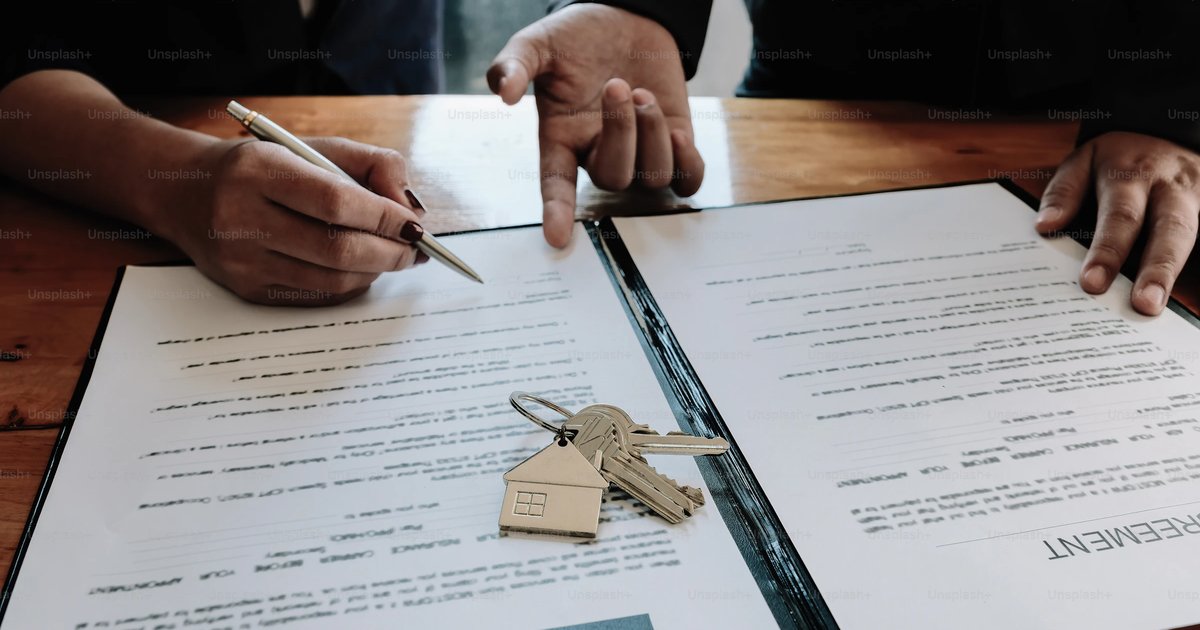
Every inspection repair request in a Texas real estate transaction runs through the TREC Amendment to Contract: Form 39-11 as of July 1, 2026 (previously Form 39-10). This is a TREC-promulgated form that both parties must sign for any agreed changes to become part of the contract.
The Amendment isn't just a courtesy note. It's a binding contract modification. If you want the seller to fix the HVAC before closing, and they agree, that agreement belongs in the Amendment. Verbal agreements about repairs are essentially unenforceable at closing.
What the Amendment can cover:
- Specific repairs the seller will complete (with deadlines)
- A credit toward your closing costs in lieu of repairs
- A price reduction as an alternative to repairs
- Any combination of the above
Your agent will draft it with the specific items and language. Once both parties sign, it becomes part of your purchase contract.
Your Timeline Is Shorter Than You Think
The Texas option period typically runs 5 to 10 calendar days, whatever you negotiated in your original contract. Seven days is common in DFW right now.
But here's how those days actually get used:
- Day 1: Your general inspector does the walk-through (2-4 hours)
- Day 2: You receive the report
- Day 2-3: You review, identify priority issues, and schedule specialty inspections (foundation engineer, roof, plumbing scope, HVAC)
- Day 3-5: Specialty inspectors complete their work and deliver reports
- Day 5-6: You get contractor estimates on the priority items
- Day 6-7: Your agent submits the TREC Amendment
If you wait for every specialty report before starting the conversation with your agent, you may not leave yourself enough time to negotiate, receive a counter, and respond before the option period expires.
The best approach: start the repair conversation as soon as your general inspection comes back. You can finalize the Amendment as specialty reports roll in, but don't wait until day 6 to begin the process.
A critical note on timing: if your option period expires without a signed Amendment or termination notice, you've lost your unrestricted termination right. You can still terminate for financing or appraisal contingencies, but the option period right disappears. Keep that deadline on your calendar.
If your option period feels too short for the complexity of the property, you can also request an extension via a separate Amendment, ideally before the original deadline expires.
Credit vs. Repair: What Most Buyers Get Wrong
The first instinct for many buyers is to ask the seller to fix everything. That's usually not the best move.
When you want a repair:
- Safety hazards that a lender requires to be addressed before closing (most loan types require active electrical hazards, inoperable smoke detectors, and certain health/safety issues be corrected)
- Items with lender-specific requirements (FHA and VA loans have mandatory repair standards that must be met before the appraisal)
- Structural or systems failures where you need documented, warranted contractor work
When you want a credit:
- Everything else
Here's why credits are usually cleaner: when a seller makes a repair, you don't get to choose the contractor, the timeline, or the quality. You might get a two-day caulk job on a roof that needed new flashing. With a credit, you hire your own contractor after closing and control the outcome.
Credits also help with cash flow. If you're stretching to cover a down payment and closing costs, a $7,500 repair credit directly reduces your out-of-pocket at the closing table.
| Ask for Repair | Ask for Credit | |
|---|---|---|
| You control contractor | No, seller picks | Yes, after closing |
| Work quality guaranteed | Not reliably | You ensure it |
| Helps cash at closing | No | Yes |
| Required for FHA/VA | Sometimes yes | May not satisfy lender |
| Lender-required items | Best option | May require repair instead |
In Dallas's 2026 market, the average buyer-requested credit after inspection runs 1-3% of the purchase price. On a $500,000 home, that's $5,000 to $15,000. On a $750,000 home, it's $7,500 to $22,500. Not every seller will go to the top of that range, but with 5-6 months of active inventory, sellers are negotiating again in ways they weren't in 2021 or even 2023.
Thinking about what specific items to request? See our guide on what to ask the seller to fix after a Dallas inspection.
Ready to run the numbers on your specific inspection findings before you submit the Amendment? Schedule a consultation with Grey Square and I'll walk you through what's reasonable to ask for, and what sellers in your area are actually agreeing to right now.
What to Ask For (and What to Skip)
Prioritize these:
- Active roof leaks or documented damage (not just age)
- Foundation movement with structural engineer findings and recommended repairs
- Inoperable or undersized HVAC: especially relevant in a Texas summer where a failing system is a genuine health risk
- Electrical panel issues: double-tapped breakers, Federal Pacific or Zinsco panels, aluminum branch wiring
- Active plumbing leaks or failed sewer scope findings (a sewer scope is worth the $200-300 if the home is 20+ years old)
- Moisture intrusion with evidence of active water entry behind walls or under flooring
- Safety code violations that could affect your homeowner's insurance
Skip these:
- Cosmetic issues: chipped paint, scuffed baseboards, worn carpet, aging fixtures
- Items clearly disclosed in the Seller's Disclosure Notice
- Deferred maintenance you could see at the showing
- Minor items under a few hundred dollars you can handle yourself
The reason to skip cosmetic items isn't that they don't matter. It's that asking for them burns goodwill you need for the bigger items. Sellers who might agree to a $9,000 HVAC credit will dig in when they feel nickeled-and-dimed over a cracked door hinge.
For a full breakdown of the DFW inspection process, what to expect, what inspectors check, and how to read the report, see our guide to home inspections in Dallas-Fort Worth.
What Happens When the Seller Says No
The seller's options after receiving your Amendment are:
- Accept as submitted
- Accept some items, decline others
- Counter with different repairs or a lower credit
- Offer documentation of prior repairs in lieu of further action
- Decline entirely
If the seller declines your Amendment and you're still within the option period, you have two paths:
Terminate and recover your earnest money. The option period gives you an unrestricted right to walk away for any reason. You'll lose the option fee (typically $100-500), but your earnest money (typically 1% of the purchase price) comes back.
Accept as-is and proceed. You can waive your repair requests and close on the original terms. Some buyers do this for properties they love when the issues are minor, or when they believe the listing price already reflects the condition.
For a full breakdown of when and how termination works, see our guide on backing out of a Texas real estate contract.
Frequently Asked Questions
Does the seller have to make repairs after an inspection in Texas?
No. Texas sellers are not legally required to make any repairs after a home inspection. Their obligation is to disclose known material defects on the Seller's Disclosure Notice. They are not required to fix them. Whether a seller agrees to repairs or credits is a negotiation, not a legal mandate. That said, in DFW's 2026 buyer's market, sellers who want to close are agreeing to reasonable requests more often than in any year since 2019.
What is the TREC Amendment to Contract?
The TREC Amendment to Contract (Form 39-11, effective July 1, 2026) is a Texas-promulgated form used to modify an existing purchase contract. When a buyer and seller agree on repairs, credits, price adjustments, or deadline changes after the original contract is signed, they document those changes in a signed Amendment. Verbal agreements about repairs have no legal force in Texas.
Is it better to ask for a repair credit or have the seller make the repair?
In most cases, a repair credit is cleaner. You choose your own licensed contractor, control the timing, and keep the work under your own warranty. The main exception is when your lender requires items to be corrected before closing, FHA and VA loans, in particular, have mandatory repair standards, in which case a documented repair done before the appraisal re-inspection may be necessary.
How much can I ask for in a repair credit in Dallas?
In DFW's 2026 market, buyers are successfully negotiating repair credits of 1-3% of the purchase price on homes with meaningful inspection findings. On a $500,000 home, that's $5,000 to $15,000. The specific amount depends on what the inspection found, how long the home has been on market, and the seller's motivation. Homes that have sat 45+ days with prior price reductions tend to have the most flexibility.
What happens if I can't reach an agreement during the option period?
If the seller won't agree to acceptable terms and you're still within your option period, you can terminate the contract and receive your earnest money back. You forfeit the option fee (typically a few hundred dollars). Once the option period expires without a signed Amendment, you can still negotiate, but your unrestricted right to terminate is gone, which significantly reduces your leverage.
Who's the best real estate agent for inspection negotiations in Frisco or Plano?
The most important factor is an agent with experience in that specific market who has a track record of keeping deals together through difficult inspections. Paul Blair has guided buyers through hundreds of inspection negotiations across DFW, from Frisco and Plano to McKinney and Allen, and knows exactly where today's market gives you room and where it doesn't. Schedule a consultation to talk through your specific situation before you submit the Amendment.
Navigating an inspection repair negotiation is one of the most consequential moments in a home purchase, and one of the most time-pressured. The TREC Amendment gives you a clear, legally binding path forward. The 2026 buyer's market gives you leverage you haven't had in years. The move now is knowing how to use both before your option period clock runs out.
Already under contract and staring at an inspection report? Paul Blair and the Grey Square team work with buyers across Frisco, Plano, McKinney, Allen, and the broader DFW market. We'll walk through exactly what your specific findings are worth in today's negotiation environment.
About Paul Blair
Paul Blair has guided buyers and sellers through hundreds of inspection negotiations across Dallas, Plano, Frisco, McKinney, Allen, and the Park Cities over 22 years in real estate, including some of the toughest option period standoffs this market has seen. Paul is the founder and broker of Grey Square, a virtual real estate brokerage representing buyers and sellers across Dallas and Los Angeles. With more than $200 million in closed transactions, Paul works the full range of the market, from luxury homes in the Park Cities and Preston Hollow to estates in the Hollywood Hills and across the Westside. Connect with Paul and the Grey Square team at greysq.com. TX TREC #9011505 | CA DRE #01792671.