Playa Vista Real Estate in 2026: What You Actually Pay to Live in a Master Plan
A guide to Playa Vista, Los Angeles in 2026: median price per foot, HOA and Mello-Roos assessments, Phase I vs Phase II, and how it compares nearby.
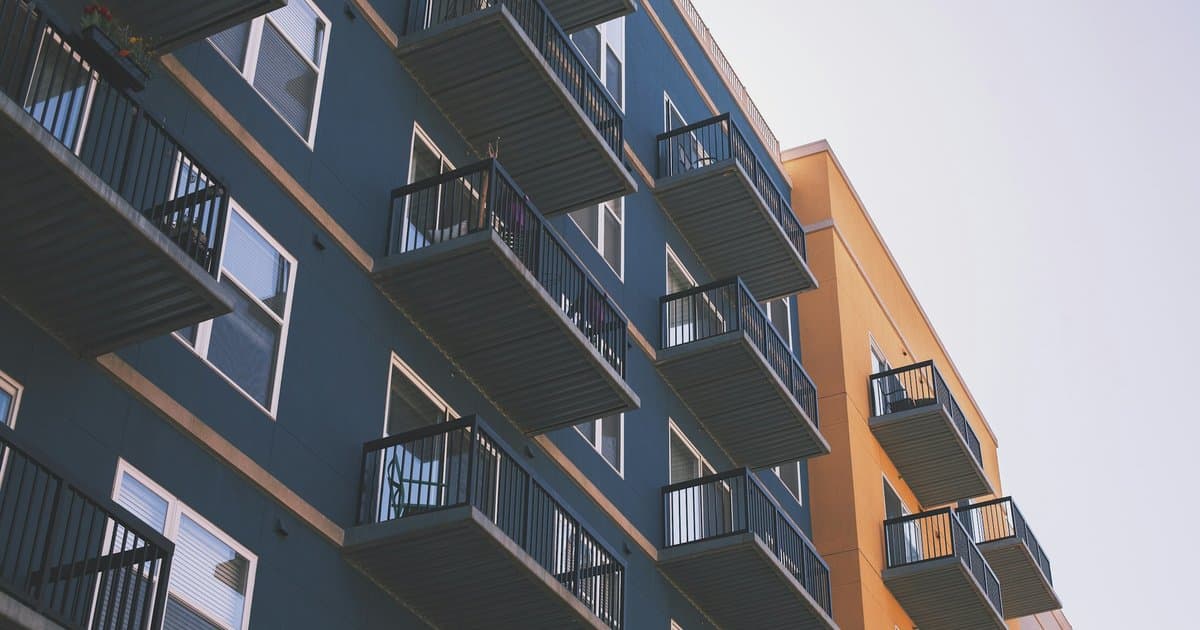
What does it actually cost to buy in Playa Vista in 2026? The median sale price was $1,297,000 in July 2026, according to Movoto's market data, at roughly $833 per square foot. That per-foot number is the one worth sitting with. The City of Los Angeles median runs about $653 per square foot, per Redfin, which means Playa Vista carries close to a 28% premium per foot over the city it sits inside. You are not paying for square footage here. You are paying for a master plan, and for the assessments that come with it.
What Playa Vista Actually Is
Playa Vista is a 460-acre master-planned community on the Westside, wedged between Marina del Rey to the north, Westchester and Loyola Marymount University to the south, Culver City inland, and the Ballona Wetlands along its southwestern edge. It sits inside the City of Los Angeles, ZIP code 90094, and it is the newest neighborhood on the Westside by roughly seventy years.
The land was Howard Hughes's. He bought it in 1940, built a private airfield and an aircraft plant, and constructed the H-4 Hercules, the "Spruce Goose," in a wood-frame hangar that still stands. After Hughes Aircraft wound down operations in 1985, the site spent close to two decades in litigation and planning fights. Urban Land Magazine, the Urban Land Institute's publication, documented the arc: an early office-tower plan on the Century City model, environmental opposition over the wetlands, a new-urbanist redraw in 1989, a DreamWorks studio announced in 1995 and then abandoned. Construction finally began in 2000 under a plan setting aside roughly 70% of the original Hughes property as open space and parks.
That history is not trivia. It is why your carrying costs here look different than anywhere else on the Westside.
The Housing Stock
Playa Vista was built in two phases, and the distinction comes up in almost every transaction.
Phase I, built roughly 2000 to 2012, produced more than 3,200 homes. Per Urban Land, the mix skewed toward smaller units: condominiums, townhomes, and a large rental component.
Phase II went bigger. Homes generally run 1,800 to 4,000 square feet, including detached single-family product. The community's planned total is 6,046 homes, including about 3,300 rental apartments and 360 senior and assisted living units.
The pricing consequence: a single "Playa Vista median" blends condos, townhomes, and detached houses into one number that describes none of them accurately. A median in the $1.2M to $1.3M range is heavily weighted toward attached product. Detached single-family trades well above it. If someone hands you a comp set without separating property type, ask for it again.
The streets also do not look like Los Angeles. The master plan called for narrow streets with sidewalks rather than wide-grid arterials, low-rise clusters instead of towers, and 29 parks including a central green and three dog parks. Whether that reads as appealing or artificial is a matter of taste, and buyers usually know within one visit.
The Carrying Costs Nobody Puts in the Listing
This is the part that surprises people, and the part I want understood before an offer rather than during escrow.
Every home pays a master association assessment. The community-wide association covers the parks, fitness facilities, pools, and shared infrastructure that make the master plan work. That sits on top of whatever your individual building or sub-association charges, which varies widely by building and by phase.
Much of Phase I sits inside a Mello-Roos district. Mello-Roos is a California mechanism, created by the Community Facilities Act of 1982, that lets a local agency sell bonds for infrastructure and repay them through a special tax on the properties that benefit. Here that means sewers, roads, utilities, parks, and a fire station. It appears as a separate line on the property tax bill, on top of the roughly 1.1% to 1.2% ad valorem rate. Phase II was financed differently by the developer, so the exposure is not uniform.
California takes the disclosure seriously. Under Civil Code section 1102.6b, a seller of property subject to a continuing Mello-Roos lien must make a good faith effort to obtain a Notice of Special Tax from the levying agency and deliver it to the buyer, stating the current annual tax, the maximum that can be levied in any year, the escalation percentage, and the date the tax ends.
Add it up and two similar-looking units here can carry monthly costs that differ by several hundred dollars, entirely because of phase and sub-association. A buyer running affordability off principal, interest, taxes, and insurance alone will be wrong.
Selling in Playa Vista? Your assessment and special-tax picture affects how your unit prices against the building next door. Request a confidential valuation and we will look at your phase, your association, and what has actually closed nearby.
Silicon Beach and What It Means for Demand
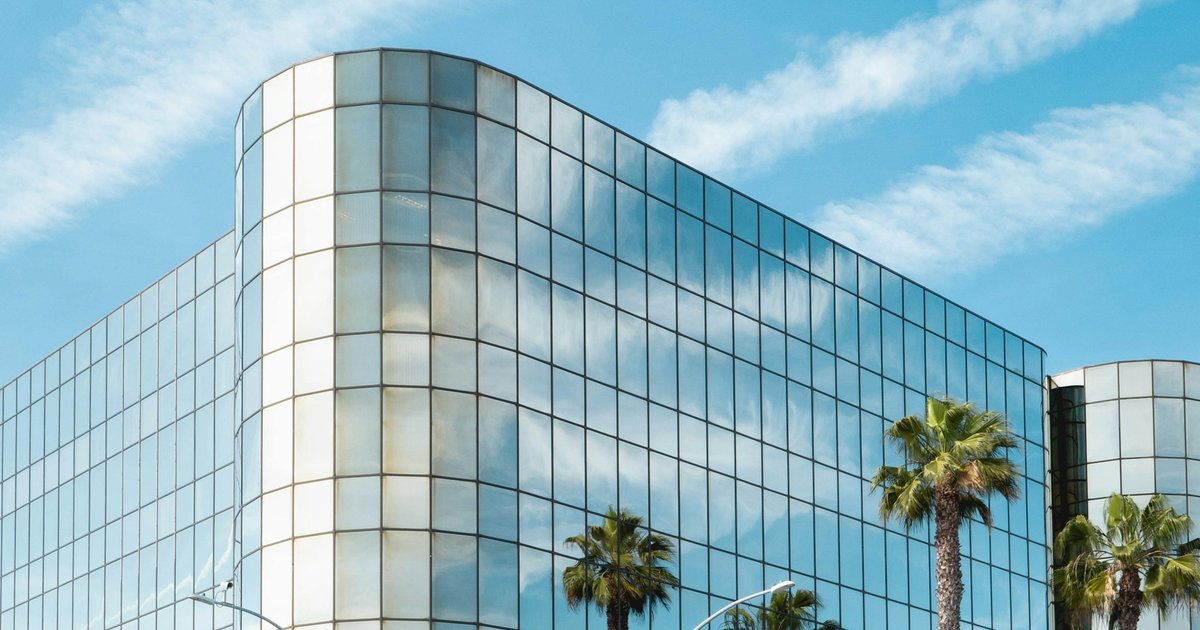
The employment story is real and it is close. Google took over the Spruce Goose hangar for its Los Angeles offices, and Urban Land reported that Google's 2014 commitment to buy 12 adjacent acres for $120 million was the signal that reset the office market here. YouTube, Microsoft, Yahoo, and Facebook all took space in or around the development, along with IMAX and the USC Institute for Creative Technologies.
For residential demand this cuts two ways. The upside: a meaningful share of buyers walk or bike to work, or drive a mile instead of taking the 405. In a metro where commute time is the most expensive hidden cost of housing, buyers price that in.
The exposure: a neighborhood whose demand concentrates in one employment sector inherits that sector's cycle, and Westside tech footprints have moved around considerably in recent years. That does not make Playa Vista a bad buy. It does mean the diversification argument that applies to somewhere like the Hollywood Hills does not apply the same way here.
The Wetlands
The southwestern boundary is the Ballona Wetlands Ecological Reserve. The State of California acquired the land in 2003, and the California Department of Fish and Wildlife is the lead agency for its restoration, with the California State Coastal Conservancy as a funding and planning partner. Of a system that once covered roughly 2,000 acres, about 600 acres of open space remain.
Two things follow for a buyer. That open space is state-owned reserve land, not a development parcel waiting for entitlements. And restoration is an active multi-decade public project with real construction phases, so if you are buying on that boundary, check the current schedule.
How It Compares to What's Next Door
| Neighborhood | Product | Rough position |
|---|---|---|
| Playa Vista | New-construction condos, townhomes, some detached | ~$1.3M median, ~$833/sq ft, HOA plus possible Mello-Roos |
| Marina del Rey | Waterfront condos and townhomes | Marina orientation, no community-wide master HOA |
| Playa del Rey | Older mixed stock, hillside and beach-adjacent | Smaller, no master plan, coastal-zone considerations |
| Westchester | 1940s-50s single-family on flat lots | Lower per-foot cost, no association |
| Mar Vista | Mid-century single-family, larger lots | Traditional LA streets, no assessments |
The honest framing: if you want a detached house on a real lot with no association reviewing your paint color, Playa Vista is the wrong purchase and Westchester or Mar Vista is probably the right one, likely for less per foot. If you want new construction, structured amenity, a walkable core, and a short trip to a Westside office, there is nothing else quite like it in the city, and the premium is what that costs. You can browse current Los Angeles listings to compare.
Who buys here? It splits between people relocating into a Westside job who want to solve housing in one decision, and people already inside the community trading a Phase I condo for a Phase II house. That second group is telling: people who have lived with the assessments for years and then buy again inside the same boundary are giving you real information about the product.
One point sellers ask about. The City of Los Angeles Measure ULA transfer tax applies above thresholds indexed annually, currently around $5.15M for the 4% tier. Playa Vista is inside the city, so ULA applies here in principle, but the overwhelming majority of sales close well below that. If you have been bracing for the mansion tax on a $1.4M condo, it does not touch you. The Los Angeles County documentary transfer tax at $1.10 per $1,000 applies regardless.
Frequently Asked Questions
What is the median home price in Playa Vista in 2026?
Movoto recorded a median sale price of $1,297,000 in July 2026, at approximately $833 per square foot, with 45 active listings and 73 homes sold that month, up from 69 a year earlier. Days on market averaged 55, essentially flat against 54 the year prior. Treat that median as a blended figure across condos, townhomes, and detached homes rather than a price for any one product type.
Does every home in Playa Vista pay Mello-Roos?
No. Much of Phase I sits within a Mello-Roos community facilities district that funded the original infrastructure, while Phase II was financed differently by the developer. The exposure is specific to the parcel. Under California Civil Code 1102.6b, a seller of a property subject to a Mello-Roos lien must make a good faith effort to obtain and deliver a Notice of Special Tax stating the current tax, the maximum annual tax, the escalation rate, and the end date. Read it before contingencies come off.
How much are HOA fees in Playa Vista?
Every home pays a community-wide master association assessment covering parks, fitness facilities, pools, and shared infrastructure. On top of that, each building or sub-association sets its own dues, and those vary substantially between phases and between individual buildings. Because of that layering, two comparable-looking units can carry meaningfully different monthly costs. Get the actual current figures for the specific unit rather than a neighborhood average.
Should I use an agent who knows Playa Vista specifically, or is any Los Angeles agent fine?
Here the specific knowledge matters more than usual, because what decides a Playa Vista deal is structural rather than aesthetic. Which phase the property sits in, what the assessments actually run, whether a Mello-Roos lien attaches, and how a Phase II detached house should be comped against Phase I attached product are all things a generalist will guess at. Ask any agent you interview to walk you through the assessment stack on a specific unit before you sign anything. I am Paul Blair, founder and broker of Grey Square, with 22 years and more than $200 million in closed transactions, working the Westside from Playa Vista and Marina del Rey up through Brentwood and the canyons. To talk through a specific building or address, schedule a private consultation.
Working in Playa Vista
The mistake I see most often is buyers running the numbers like it is a normal Los Angeles purchase. It isn't. Principal, interest, tax, and insurance are maybe 80% of the picture, and the other 20% is an assessment stack that varies by phase, by building, and by parcel. That gap is where people either get a pleasant surprise or blow their budget by four hundred dollars a month. Sellers have the mirror image of the same problem: if your unit carries lighter assessments than the building across the street, that is a pricing advantage, and it only counts if somebody puts it in front of the buyer.
If you are considering a move in or out of Playa Vista, start a conversation. Just a look at what your specific building is doing.
Paul Blair is the founder and broker of Grey Square, a virtual real estate brokerage representing buyers and sellers across Dallas and Los Angeles. With 22 years in the business and more than $200 million in closed transactions, Paul works the full range of the market, from luxury homes in the Park Cities and Preston Hollow to estates in the Hollywood Hills and across the Westside. Connect with Paul and the Grey Square team at greysq.com. TX TREC #9011505 · CA DRE #01792671.