Renting vs. Buying in Los Angeles: What the 2026 Numbers Actually Say
Buying a $2M Hollywood Hills home runs about $12,900/month all-in versus $12,000 to rent the same property. Here's what the break-even math shows in 2026.
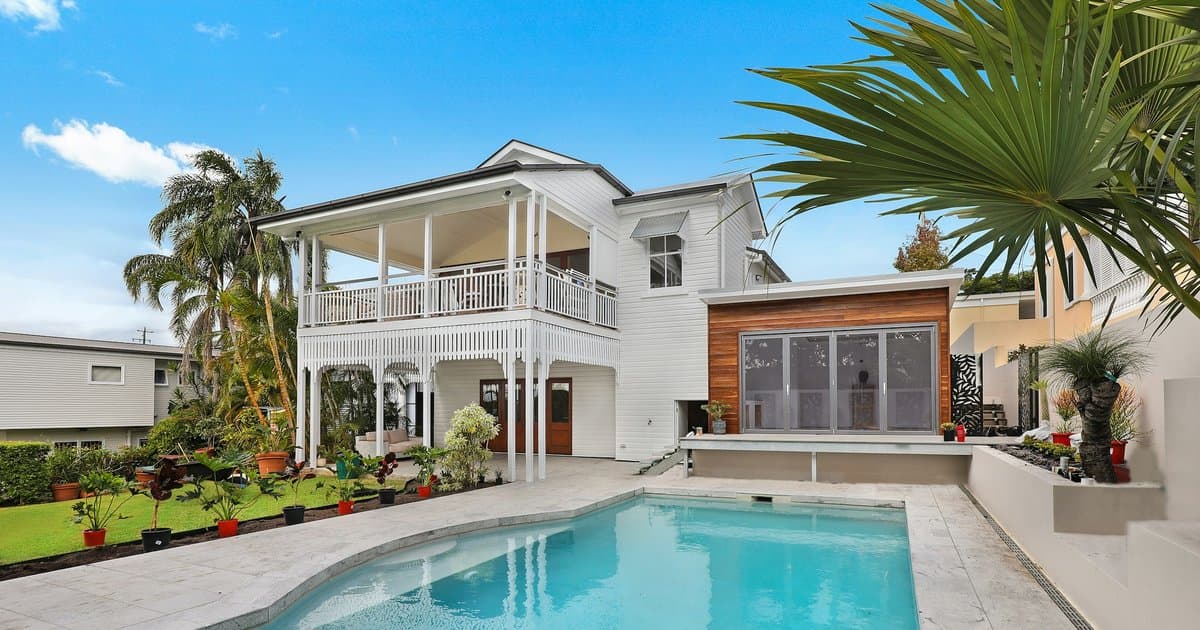
Is it cheaper to rent or buy a home in Los Angeles right now?
In most of Los Angeles, renting costs less month-to-month than buying a comparable home in 2026. The city's median home price sits around $1.1 million, and with 30-year jumbo rates at roughly 6.83%, the total monthly cost of ownership on a $2 million Hollywood Hills home runs about $12,900, versus $12,000 to rent a similar property. But the month-to-month comparison is only half the story. Whether buying actually makes financial sense depends on how long you plan to stay, what your down payment could otherwise earn, and what Los Angeles's unique tax structure does to the math over time.
By Paul Blair | August 26, 2026
The question "should I rent or buy in LA?" is one of the most searched real estate questions in the country. In Los Angeles, it's also one of the most misleading when answered with a single number.
Here's what's actually happening in the 2026 market, and how to think about this for your specific situation.
The Monthly Numbers: What Buying Actually Costs
Let's run the math on a real example. Say you're looking at a $2 million home in Hollywood Hills or Silver Lake. You put 20 percent down ($400,000), which leaves you with a $1.6 million jumbo loan.
At today's 30-year fixed jumbo rate of roughly 6.83%, your principal and interest payment comes to about $10,467 per month. Add Los Angeles County property taxes at 1.25 percent of purchase price ($2,083/month) and homeowner's insurance (higher for hillside or wildfire-zone properties, typically $300 to $400/month), and your total monthly carry is around $12,900 to $13,000.
A comparable home in Hollywood Hills West rents for a median of $12,000 per month right now, according to July 2026 rental data. So you're paying roughly $900 to $1,000 more per month to own the same type of property.
At higher price points, the gap widens. A $5 million Bel Air estate costs around $32,000 per month all-in (jumbo P&I, taxes, and insurance). The median monthly rent for comparable Bel Air-Beverly Crest properties runs about $14,995, though for a true estate-level property, you'd be closer to $20,000 to $30,000 per month. Either way, you're paying a substantial premium to own in that tier during the first few years.
This is not surprising. Los Angeles has a price-to-rent ratio of roughly 27, well above the 20x threshold where economists generally say renting becomes the financially rational short-term choice.
What the Monthly Comparison Misses
Stopping at monthly payment is how people end up renting forever in a city where long-term owners have built enormous wealth.
Three factors flip the math over time:
Appreciation. Los Angeles real estate has historically appreciated 3 to 5 percent annually over long cycles, with interruptions. On a $2 million home, 3 percent appreciation is $60,000 per year in paper equity. Your rental property gives you none of that.
Prop 13 protection. California's Proposition 13 caps annual property tax increases at 2 percent after purchase. Your landlord's taxes reset to market value every time the property sells, and those costs eventually get passed to you through rent increases. The average LA rent has climbed 5 to 8 percent annually over the past several years. Your fixed-rate mortgage payment never changes. That gap compounds.
Equity paydown. In year one of your $1.6 million loan at 6.83%, roughly $3,000 to $3,500 per month goes toward principal. It's not liquid, but it's real. After 10 years, you've paid down roughly $100,000 of principal and your home has likely appreciated substantially above your purchase price.
The Break-Even Calculation
If you pay $900 more per month to own than to rent a comparable Hollywood Hills home, and buying costs roughly 2 to 3 percent in buyer closing costs and 8 to 10 percent to exit through a typical LA seller's transaction costs, you need enough appreciation to cover both the monthly premium and the exit costs before breaking even.
On a $2M purchase with 3 percent annual appreciation:
- Year 1 appreciation: ~$60,000
- Year 1 principal paydown: ~$36,000
- Year 1 extra cost vs. renting: ~$10,800 ($900/month)
- Year 1 net: roughly +$85,000 in total position improvement
By that math, the break-even against buying-and-selling costs happens within 3 to 4 years if appreciation holds. If appreciation is flat or negative, the break-even stretches past five to seven years.
The wildcard is your down payment's opportunity cost. A $400,000 down payment sitting in an index fund at a conservative 5 percent annual return earns $20,000 per year (or $1,667 per month) in forgone income. Most rent-vs-buy calculators leave this out. When you add it in, the monthly cost of buying your $2M home is closer to $14,600, and the break-even timeline extends meaningfully.
The Honest Answer: Who Should Buy in LA Right Now
Buying makes the most sense if:
- You plan to stay at least five years, ideally longer
- You're purchasing in a neighborhood with durable demand (the Westside, the Canyons, Beverly Hills, Bel Air, Silver Lake, Studio City)
- You can put 20 percent or more down without depleting reserves
- Your income is stable enough that a fixed $13,000-per-month payment doesn't create cash-flow stress
Renting makes more sense if:
- Your timeline is uncertain (job change, relocation possible, life transition)
- You're not yet settled on the neighborhood and want to learn the market before committing
- You're between sales and want to move quickly on the right property without a contingent offer weighing you down
The rent-vs-buy question also looks different depending on the market tier. At $1 million to $3 million, where rental and ownership costs are closest to parity, the decision turns largely on timeline. At $5 million and above, you're paying a much larger premium to own versus rent in the early years, and the break-even depends heavily on appreciation.
If you're trying to run this math for your specific situation, the numbers shift significantly based on the neighborhood, your financing structure, and how you'd deploy the down payment capital otherwise. I'm happy to walk through it with you directly.
Schedule a consultation with Paul Blair at Grey Square
What's Unique to LA That Changes the Calculus
A few factors specific to Los Angeles deserve mention:
Insurance costs on hillside and wildfire-zone properties. If you're buying in the Hollywood Hills, Bel Air, Laurel Canyon, or anywhere in a Very High Fire Severity Zone, your homeowner's insurance will run materially higher than the LA average. Some hillside properties are now insured through the CA FAIR Plan at premium rates, which adds to monthly carrying costs beyond what most online calculators assume.
Measure ULA on exit. If you buy a home in the City of Los Angeles and later sell it above the current city threshold (approximately $5.15 million as of the most recent annual adjustment), you'll owe a 4 percent ULA transfer tax on the gross sale price, with a 5.5 percent rate above the upper tier. This tax applies to the seller, not the buyer. But if you're purchasing a $4 million property today that appreciates over the next 10 to 15 years, ULA becomes a real factor in your long-term net proceeds calculation.
Jumbo loan structure. Most LA purchases above $1.25 million require jumbo financing, which carries stricter qualification standards. Some buyers in the $2M to $5M range explore assumable mortgage options if the target property has an existing FHA or VA loan at a lower rate, though the equity gap at these price points often makes assumption impractical without substantial additional financing.
Frequently Asked Questions
Is it cheaper to rent or buy in Los Angeles in 2026?
Month-to-month, renting is cheaper in most LA markets. The city's price-to-rent ratio sits around 27, well above the 20x level where buying typically beats renting on a monthly basis. On a $2 million home with 20 percent down, all-in ownership costs run roughly $12,900 per month versus $12,000 for a comparable rental. Buying becomes financially advantageous when you plan to stay at least five years and can count on historical appreciation rates.
How long do I need to stay in an LA home before buying makes financial sense?
Most analysis points to a five-year minimum for break-even in Los Angeles, though the exact number depends on your purchase price, neighborhood appreciation rate, and what you'd earn deploying your down payment elsewhere. At the $2M to $3M tier, you need roughly three to five years of typical LA appreciation to clear closing and transaction costs. At higher price points, where monthly premiums over renting are larger, the break-even extends.
Does Prop 13 affect the rent vs. buy calculation in California?
Yes, significantly. Once you buy and your property tax base is set, annual increases are capped at 2 percent under Proposition 13. Your landlord faces no such cap and can raise rent as often as market conditions allow, subject to LA's rent stabilization ordinance on qualifying units. Over a 10-to-15-year ownership period, your fixed taxes and fixed mortgage payment look very different from a comparable rent that has been rising 5 to 8 percent per year.
What is the opportunity cost of a down payment in LA?
A 20 percent down payment on a $2 million home is $400,000. At a conservative 5 percent annual return in diversified investments, that capital would generate roughly $20,000 per year ($1,667 per month) if left invested. Most rent-vs-buy calculators omit this cost. When you include it, the effective monthly cost of homeownership rises by $1,600 to $1,700 per month, which extends the break-even timeline.
How do I choose the right real estate agent to help me decide between renting and buying in Los Angeles?
The decision hinges on hyper-local data. An agent who works Beverly Hills and Bel Air daily understands the absorption rates, typical appreciation trajectory, and current rental supply in those neighborhoods. Look for someone who can show you actual closed sales comparables, run a real break-even analysis for your specific price range, and be honest about the timeline risk. Paul Blair at Grey Square has worked buyers and sellers across the Westside and the Hollywood Hills for over two decades, with a clear view of where the short-term rental premium is actually worth paying and where it isn't. If you want to run the numbers on your situation, reach out directly.
Whether buying makes sense in your situation depends on details no general calculator can capture: the specific property, your timeline, the neighborhood's inventory dynamics, and how you'd otherwise deploy your capital. The LA market in 2026 is nuanced enough that the answer genuinely differs between a buyer at $1.5 million in Silver Lake and one at $6 million in Bel Air.
If you want a personalized break-even analysis for your situation, I'm happy to work through it. Start with a free consultation here.
About Paul Blair
Paul Blair is the founder and broker of Grey Square, a virtual real estate brokerage representing buyers and sellers across Dallas and Los Angeles. With 22 years in the business and more than $200 million in closed transactions, Paul works the full range of the market, from luxury homes in the Park Cities and Preston Hollow to estates in the Hollywood Hills and across the Westside. He regularly works with buyers who are navigating the rent-vs-buy decision at the $1M to $10M price point in Beverly Hills, Silver Lake, Studio City, and Bel Air. Connect with Paul and the Grey Square team at greysq.com. TX TREC #9011505 · CA DRE #01792671.