Pool Permits and Safety Compliance When Selling a Home in Los Angeles
Selling an LA home with a pool? California AB 3205 requires a licensed safety inspection and two required features before close. Here's what sellers must know.
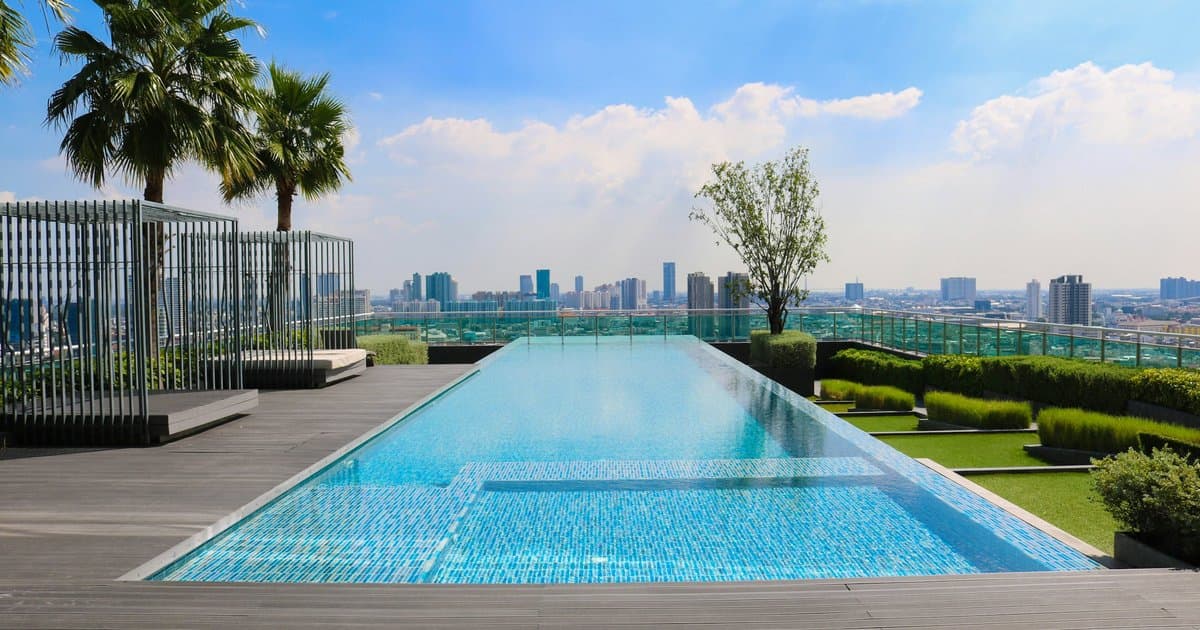

Most Los Angeles sellers know they need to complete a Transfer Disclosure Statement, arrange a natural hazard disclosure, and schedule a termite report. What catches many by surprise is the pool.
California has a separate legal framework for any home sale involving a swimming pool or spa, and it operates independently of the general disclosure requirements. If those requirements are not addressed before escrow opens, discovering compliance issues mid-transaction can cost sellers time, money, and sometimes the deal itself. For homes in Beverly Hills, Bel Air, Hollywood Hills, and across the Westside, where pools are nearly universal in the luxury segment, this is not an edge case. It is a routine pre-listing item that too few sellers prepare for.
What California Law Actually Requires
Under California Health and Safety Code Section 115922 (the Swimming Pool Safety Act), any residential swimming pool or spa must be equipped with at least two of seven specified drowning-prevention safety features. This applies to all pools, including those built decades ago. Age of construction is not an exemption.
The seven qualifying features are:
- An enclosure that isolates the pool from the residence and meets ASTM F1908 standards
- A pool safety cover that meets ASTM F1346
- Exit alarms on all doors and windows that provide direct access from the house to the pool area
- Self-closing, self-latching release mechanisms on gates leading to the pool
- A pool alarm that meets ASTM F2208
- A removable mesh pool fence that meets ASTM F2286
- Other safety devices that meet applicable local building code standards
Many pools in older estates across the Westside and hillside neighborhoods were built before any of these standards existed. The two-of-seven requirement still applies at the time of sale.
Assembly Bill 3205 added seller-specific disclosure obligations on top of that baseline requirement. When you sell a California home with a pool or spa, you must provide the buyer with written certification from a licensed professional identifying which of the seven features your pool has. Self-certification by the seller is not valid. The report must come from a licensed pool contractor, home inspector, or other qualified professional as defined under Business and Professions Code Section 7195. This certification is a legal requirement of the sale, not optional paperwork.
The Permit Question
Beyond safety compliance, sellers frequently encounter a second issue: the pool itself may lack proper building permits.
In the City of Los Angeles, all new pools and significant pool modifications require permits from the Los Angeles Department of Building and Safety (LADBS). This includes building permits, electrical permits, plumbing permits, and grading permits. The permitting process typically takes three to eight weeks and costs $2,500 to $6,000 in fees depending on pool size and complexity.
Unpermitted pools are common in older properties across the hillside neighborhoods. Owners added pools during remodels without pulling required permits, or permits were originally issued but the final inspection was never completed. Both situations create the same problem at sale.
During escrow, unpermitted pools surface through three primary routes: the buyer's home inspector reviewing the permit history, the preliminary title report, or the buyer's lender when the appraiser flags the structure. You can check your property's permit history at the LADBS Online Permit Portal.
If an unpermitted pool is discovered after you're under contract, the seller's options narrow. Retroactive permitting through LADBS is possible but carries double the standard permit fee, and the re-inspection process may require modification if the existing construction does not meet code. More commonly, sellers negotiate a price reduction or repair credit to offset the buyer's cost of addressing the issue. In some cases, buyers cancel under the inspection contingency when the scope of unpermitted work is significant.
What Happens When a Problem Surfaces Mid-Escrow
Compliance issues with pools tend to surface at the worst possible time: after both parties are under contract and the seller has already started making plans.
Here is how it typically unfolds. The buyer's home inspector completes the inspection and notes that the pool has only one of the required two safety features. Or the inspector flags that the pool enclosure gate does not self-close properly. Or the permit record shows the pool was added in 2003 but there is no record of a final inspection.
At that point, the buyer can take several positions. They can request that the seller install the missing safety feature before close. They can request a credit against the purchase price in lieu of the repair. Or, if the non-disclosure is significant enough to constitute a material defect, they can cancel the purchase agreement.
Under California law, when material disclosures are delivered to the buyer during escrow rather than before offer, the buyer receives a three-day right to cancel from the date the disclosure is received. Sellers who disclose the compliance status upfront, before an offer even comes in, are in a much stronger negotiating position. Buyers who know about a missing feature before making their offer can price it in and move forward. Buyers who discover it mid-escrow often feel deceived, even without any intentional concealment, and negotiations become harder.
The seller's liability exposure for non-disclosure is real. California Civil Code Section 1102 and the Transfer Disclosure Statement require sellers to disclose known material facts that affect the property's value, desirability, or safety. Courts have awarded rescission and damages in non-disclosure cases. The cost of getting a pre-listing pool inspection is a small fraction of that risk.
Pool compliance sits alongside the standard retrofit requirements California imposes on residential sellers. For an overview of other pre-listing compliance items, including smoke detector placement, water heater strapping, and low-flow fixtures, see our guide to mandatory seller upgrades and retrofit requirements in Los Angeles.
How to Get Ahead of This Before You List
The cleaner approach is a pre-listing pool safety inspection by a licensed professional. These typically cost $150 to $300 and take about an hour. The inspector assesses all seven safety features and provides written documentation of the pool's current status under the AB 3205 framework.
If the inspection shows you are missing one of the two required features, you have time before the listing goes live. Common solutions:
- Installing a self-latching gate or adding a door alarm: often $200 to $800 installed
- Adding a removable mesh safety fence: typically $1,500 to $3,500 for a standard pool in Los Angeles
- Installing a qualifying safety cover: varies significantly by pool size and shape
If your pool lacks proper permits, starting the retroactive permitting process through LADBS before listing is worth the timeline. In some transactions, sellers and buyers negotiate for the buyer to handle retroactive permitting with an appropriate credit against the purchase price. Either approach is more manageable than discovering the issue three weeks into escrow.
For Westside and hillside properties where the pool is often the central outdoor amenity and a meaningful part of the listing's appeal, completing this work pre-listing avoids the extended negotiation that compliance surprises tend to create. A clean disclosure set, delivered before offer, keeps negotiations focused on the property's actual value rather than paperwork issues.
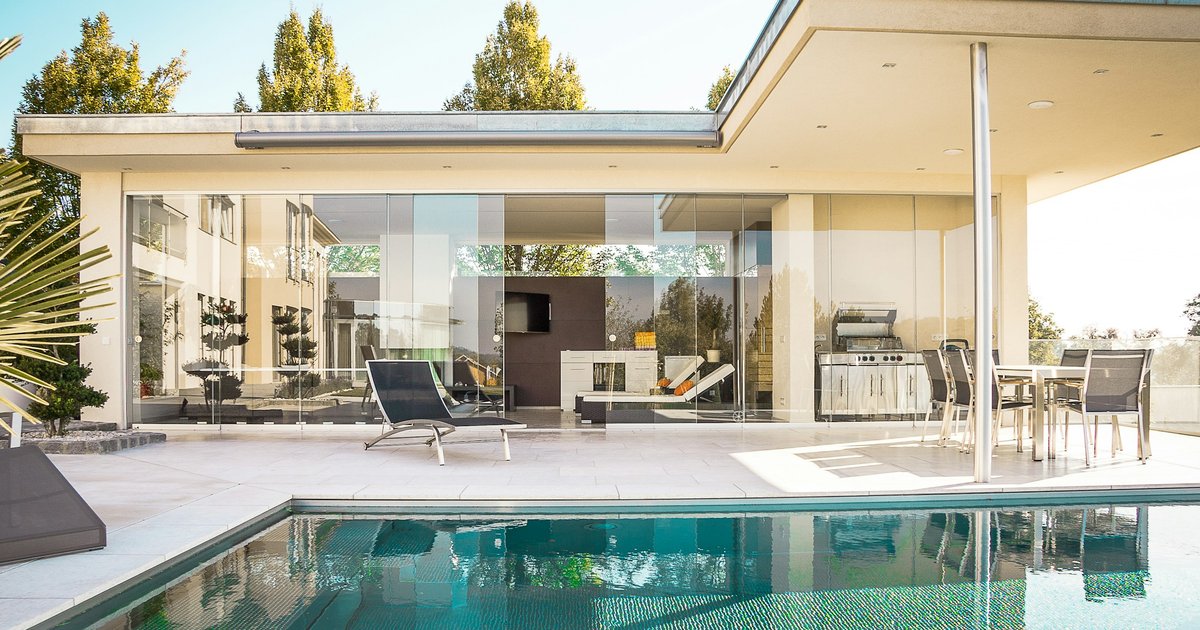
Sellers on properties where the pool and outdoor space define the home's appeal benefit most from resolving compliance items before the listing goes live.
Navigating pool compliance on a Bel Air or Hollywood Hills listing involves more than the inspection itself. It touches your disclosure timeline, how you position the property to buyers, and what escrow conditions you are willing to accept. If you are preparing to sell and want to work through what your specific situation looks like before listing, request a confidential valuation from Grey Square.
Spas, Hot Tubs, and Combined Systems
California law treats spas and hot tubs identically to swimming pools for purposes of the AB 3205 disclosure requirements. If your property has a separate spa or an attached pool and spa combination, all of the same certification and safety feature rules apply.
Hot tubs are the most frequently overlooked category. A spa that came with the property and was never permitted as a separate structure falls under the same LADBS permit requirements as a full pool. If it was included in a larger permitted pool project, it may already be covered. If it was added later without permits, that is a separate disclosure item that needs to appear in your TDS and SPQ.
A Note on Hillside and Canyon Properties
For properties in the Hollywood Hills, Laurel Canyon, Brentwood, and other hillside neighborhoods, pool permits carry an additional layer of complexity. Hillside construction requires grading permits, and depending on the slope, proximity to property lines, and soil conditions, may require geotechnical reports before permits are issued.
If your pool sits near a retaining wall or was built on a lot with significant grade change, confirming that the original grading was permitted alongside the pool permit is worth checking before you list. Inspectors who work frequently in the hillsides know to look for this combination. Buyers' lenders, especially those providing jumbo financing on Hollywood Hills properties, sometimes require a structural or soils report as a condition of the loan, which can surface permit issues that a standard home inspection misses. Better to know this going in than to have it stall an escrow in week four.
Frequently Asked Questions
Does the pool inspection have to happen before I list, or can I do it during escrow?
You can technically wait until escrow to complete the AB 3205 certification, but that puts the disclosure in the buyer's hands after they are already under contract. Under California law, when material disclosures are delivered during escrow rather than before offer, the buyer gets a three-day cancellation right from the date the disclosure is received. Completing the pool inspection before listing removes that trigger and gives buyers the information they need to make their offer with full knowledge.
My pool was built in the 1970s. Do I still have to comply with modern safety laws?
Yes. The two-of-seven safety feature requirement under Health and Safety Code Section 115922 applies to all residential pools in California at the time of sale, regardless of when they were constructed. Age of construction is not an exemption. What matters is the pool's current condition at the time of transfer.
What if the pool is unpermitted and I decide not to disclose it?
Not disclosing known material defects in California exposes you to significant legal liability. Civil Code Section 1102 and the Transfer Disclosure Statement require you to disclose known material facts that affect the property's value, desirability, or safety. An unpermitted pool discovered after closing is grounds for the buyer to pursue legal action. Courts have awarded rescission and damages in non-disclosure cases. The cost of retroactive permitting is far lower than post-closing litigation.
My neighbor's pool was built the same year as mine. Does their compliance status affect my disclosure?
No. Compliance is assessed per-property and per-sale. Your neighbor's permit history does not affect your obligations. Each property's permit records and safety feature status are evaluated independently when the home sells.
Who should I work with when selling a home with a pool in Los Angeles?
Pools are among the most negotiated items in LA luxury escrows, particularly on properties priced above $2 million where buyers and their inspectors review everything closely. What matters in an agent is specific transaction experience: someone who has moved pool properties through escrow in the LA market, who knows which pre-listing inspections to sequence, how to handle the disclosures, and when to bring in a licensed pool contractor versus letting the buyer's inspector lead. I work with sellers across the Westside and hillside neighborhoods on transactions where pools, permits, and pre-listing compliance sequencing are central to the deal. Reach out here to talk through what your property needs before you list.
Getting pool compliance sorted before you list keeps the focus in negotiations on what it should be: your home's value, location, and condition. Request your home valuation at Grey Square or contact us directly to start the conversation.
I work with sellers in Bel Air, Hollywood Hills, and across the Westside on pool compliance as a pre-listing preparation item regularly. A week of advance work here avoids weeks of escrow negotiation later.
Paul Blair is the founder and broker of Grey Square, a virtual real estate brokerage representing buyers and sellers across Dallas, Los Angeles and Houston. With 22 years in the business and more than $140 million in closed transactions, Paul works the full range of the market, from luxury homes in the Park Cities and Preston Hollow to estates in the Hollywood Hills and across the Westside. Connect with Paul and the Grey Square team at greysq.com. TX TREC #9011505 · CA DRE #01792671.
Want to know what it would sell for?
A confidential valuation on the actual house, with the comps, not an algorithm's guess.