Radon Testing in Dallas: What Every DFW Home Buyer Needs to Know Before Closing
Dallas and Collin County homes average 8.0 pCi/L of radon, double the EPA action level. Here's how to add a radon test to your DFW inspection, what the results mean, and how to negotiate if levels are elevated.
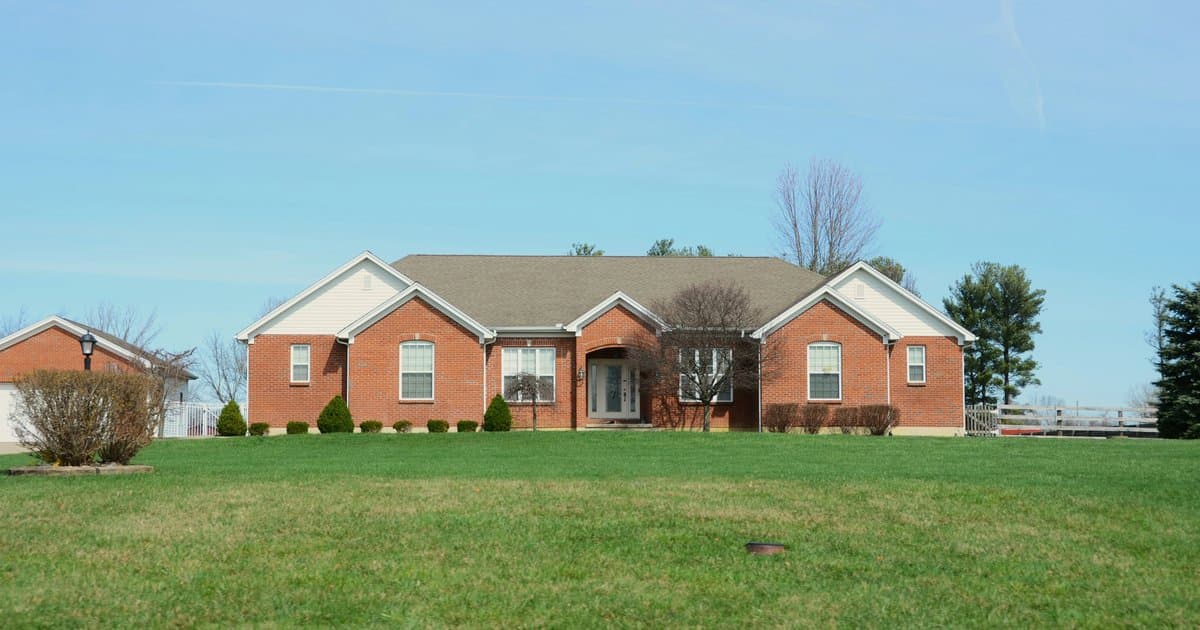
Does Dallas Have a Radon Problem?
Dallas and Collin County homes average 8.0 pCi/L of radon, double the 4.0 pCi/L threshold at which the EPA recommends mitigation. Radon testing is not required by Texas law during a home purchase, but the local data makes a compelling case for adding it to every DFW inspection checklist.
By Paul Blair | August 1, 2026
Texas and radon don't often appear in the same sentence. Radon is the thing people worry about in Colorado or Minnesota, not Dallas. But the data for this market tells a different story.
Testing across Dallas and Collin Counties shows an average radon level of 8.0 pCi/L, according to RadonResources. That's double the 4.0 pCi/L threshold at which the EPA recommends taking action. About 10% of Dallas County homes exceed the action level outright. Another 14% fall into the marginal range of 2–4 pCi/L, elevated enough to watch, not elevated enough to require action.
Most DFW home inspectors don't include radon testing by default. It's an add-on, which means buyers who don't know to ask simply don't get the test. And because Texas has no legal requirement to test or disclose radon, sellers rarely volunteer the information.
If you're buying a home in Dallas, Plano, Frisco, McKinney, Allen, or anywhere across Collin County, radon belongs on your inspection checklist. So does understanding your option period, because the timing of the test matters as much as the test itself.
What Is Radon and Why Does It Matter in Texas?
Radon is a naturally occurring radioactive gas that forms as uranium decays in soil and rock. It's colorless, odorless, and tasteless. You can't detect it without a test. It seeps into homes through cracks in foundations, gaps around pipes, and any point where the structure meets the ground.
The EPA classifies radon as the number one cause of lung cancer among non-smokers in the United States. About 21,000 Americans die each year from radon-induced lung cancer, more than drunk driving.
In Texas, the DFW area sits in a geologic zone with elevated naturally occurring uranium concentrations. The clay soils common across Dallas and Collin Counties can trap and funnel radon gas. Zip codes including 75201, 75252, and 75287 have recorded readings between 3.0 and 12.0 pCi/L, a wide spread, which is why testing each individual home matters rather than assuming a neighborhood is safe.
How Radon Testing Works During a Dallas Home Purchase
Here's the practical sequence every DFW buyer should follow.
1. Request radon testing on day one of your option period.
A short-term radon test typically runs $150–$250 as an add-on to your standard home inspection. The monitor needs 48–96 hours in place to produce a valid reading. That means if you wait until day five of a seven-day option period, you may not have results in time to negotiate, and the window to ask for repairs or credits is your only real leverage point.
When you schedule your inspection, ask specifically for a radon add-on. Get the monitor placed on the first available morning.
2. Understand what the results mean.
The Texas Tech Radon Group provides Texas-specific guidance on interpreting results. Here's a plain-English breakdown:
| Result | Interpretation | Recommended Action |
|---|---|---|
| Below 2.0 pCi/L | Low. No action needed | None |
| 2.0–3.9 pCi/L | Marginal, consider mitigation | Optional, based on comfort level |
| 4.0 pCi/L or above | At or above EPA action level | Mitigation recommended |
| 8.0+ pCi/L | Significantly elevated | Prompt mitigation warranted |
3. Negotiate within the option period.
Radon is a solvable problem. If the test comes back at or above 4.0 pCi/L, you have three options inside the Texas option period:
- Request the seller install a mitigation system before closing
- Ask for a closing cost credit equal to the cost of mitigation ($800–$2,000)
- Walk away, with your earnest money returned
Sellers typically respond reasonably to radon findings because mitigation is a priced, documented problem, not a catastrophic defect. Unlike a failed HVAC or a cracked foundation, the repair cost is predictable and the outcome is nearly guaranteed.
What DFW Buyers Are Actually Discovering
The gap in radon awareness in DFW is real. Because most Texas buyers don't ask and most inspectors don't include radon by default, the issue often goes undetected for the entire length of ownership.
Newer construction is not immune. Radon enters through any opening where a home meets the soil, expansion joints, utility penetrations, the small gaps that appear in any concrete slab over time. A house built in 2019 in Frisco can have elevated radon. A 1985 ranch in Allen can come back clean. The only way to know is to test.
This is one reason I ask every buyer I work with, regardless of the home's age, price point, or neighborhood, to add radon to the inspection scope. In Plano, McKinney, and Frisco especially, where the numbers trend higher, skipping the test is a $150 decision that can create a $1,500 problem down the road.
Buying in Frisco, McKinney, Plano, or Allen? Radon levels across Collin County run above the EPA action threshold on average. Adding a $150 test to your inspection is straightforward, and if results come back elevated, there's a clear negotiation path. Schedule a private consultation with a Grey Square agent to talk through your specific offer.
What Mitigation Actually Involves
A radon mitigation system is not a major renovation. For the slab-on-grade construction that dominates DFW, the standard system, called sub-slab depressurization, works like this:
- A hole is drilled through the slab in a low-traffic location (closet, utility room, or garage)
- PVC pipe runs from the hole through the home and out through the roof or exterior wall
- A small inline fan creates negative pressure below the slab, drawing radon out before it enters the living space
- The fan runs continuously and quietly, comparable to a bathroom exhaust fan
The system typically takes one day to install. Most DFW mitigation contractors offer a post-installation test to confirm the levels have dropped below 4.0 pCi/L. Here's what the cost breakdown typically looks like in the DFW market:
| Component | Typical Cost Range |
|---|---|
| Sub-slab depressurization system (labor + materials) | $800–$1,500 |
| Additional suction points (larger or complex slabs) | $200–$400 each |
| Post-mitigation verification test | $100–$150 |
| Total (most DFW homes) | $900–$1,700 |
That cost can be negotiated into the sale as a credit, a seller-performed repair, or a combination of both.
A Note on Older Dallas Homes
If you're buying in an older Dallas neighborhood, East Dallas, Lake Highlands, the M Streets, Lakewood, or similar, the risk profile is slightly different. These homes sit on older concrete that may have more entry points for radon: settlement cracks, original plumbing penetrations, older foundation patches. They also tend to have more renovation history, which can introduce or close off gaps in unpredictable ways.
In any pre-1985 home in Dallas proper, radon testing is especially worth adding. The option period process is the same; the urgency to get the test ordered on day one is the same.
For buyers considering an FHA loan, which comes with its own property condition requirements, elevated radon is typically handled through negotiation rather than automatic loan denial. Your lender won't flag radon unless it rises to the level of a habitability concern. Understanding the differences between FHA and conventional financing can help you anticipate how inspection findings will interact with your loan process.
Frequently Asked Questions
Is radon testing required when buying a home in Texas?
No. Texas law does not require radon testing during a real estate transaction, and sellers have no obligation to disclose radon levels. The Texas Real Estate Commission (TREC) does not include radon in the Seller's Disclosure Notice (Form 55-0). That said, the EPA recommends testing in every home purchase, and the local data for Dallas and Collin Counties makes a strong case for making it routine in DFW.
How long does radon testing take during the option period?
A short-term test using a continuous radon monitor takes 48–96 hours to produce a valid reading. For buyers operating under a five-to-seven-day Texas option period, the test must be ordered on the first available day, ideally the same morning as the standard home inspection. Waiting until midway through the option period risks not having results in time to act.
Does radon only affect older homes?
No. Radon enters through any point where a home's foundation contacts the soil, including expansion joints, utility pipe penetrations, and normal settlement cracks in concrete slabs. New construction in Frisco, McKinney, and Celina is not immune. The only way to know a home's actual radon level is to test it.
What should I do if the test comes back elevated?
If the result is at or above 4.0 pCi/L, you have clear options within the Texas option period: request the seller install a mitigation system before closing, negotiate a credit for the cost of mitigation ($800–$2,000), or terminate and have your earnest money returned. Most sellers respond reasonably to documented radon findings because the repair is priced, predictable, and effective, not an open-ended liability.
Who's the right agent to work with if I'm buying in Plano, Frisco, or Allen in 2026?
Collin County's growth markets need an agent who treats inspection as a decision tool, not a formality. The right fit for a buyer in Plano, Frisco, McKinney, or Allen is someone who understands which add-ons matter in this specific market, radon testing, aerobic septic inspection in the outer suburbs, and the insurance complications that have emerged across DFW in 2026. Paul Blair has represented buyers across Collin County for over two decades, and building a radon test into the inspection order on every offer is part of the standard process. Reach out directly to start the conversation.
If you're putting in an offer on a DFW home and want to talk through what the inspection process should look like, including which add-ons actually matter and how to structure requests if something comes back elevated, connect with Grey Square here.
The average radon level in Dallas and Collin County is above the EPA threshold. Most buyers in this market never find out because no one told them to ask.
Adding radon to your inspection scope costs $150–$250. If results come back elevated, you have a negotiation path. If they come back clean, you close knowing something important about the home you're buying.
That information is worth having either way.
About Paul Blair
Paul has guided buyers through the DFW inspection process for over two decades, and adding a radon test to the inspection order in Plano, Frisco, McKinney, and East Dallas has changed the outcome of more than a few transactions. Paul Blair is the founder and broker of Grey Square, a virtual real estate brokerage representing buyers and sellers across Dallas and Los Angeles. With 22 years in the business and more than $200 million in closed transactions, Paul works the full range of the market, from luxury homes in the Park Cities and Preston Hollow to estates in the Hollywood Hills and across the Westside. Connect with Paul and the Grey Square team at greysq.com. TX TREC #9011505 · CA DRE #01792671.