SB 326 Balcony Inspection: What LA Condo Sellers Must Disclose in 2026
SB 410 now requires LA condo sellers to include the SB 326 balcony inspection in every HOA disclosure. Here's what the 2026 change means for you.
Does SB 326 affect my condo sale in Los Angeles?
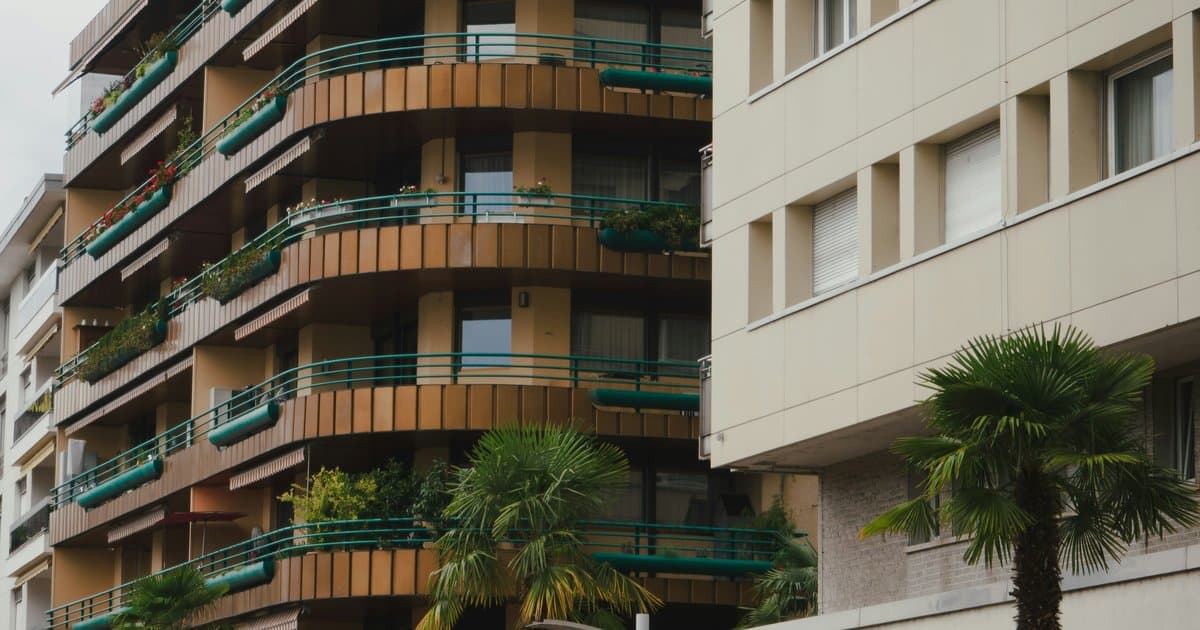
If you're selling a condominium in Los Angeles, SB 326 almost certainly applies to your HOA. California law requires HOAs in buildings with three or more condo units to inspect all exterior elevated elements (balconies, decks, elevated walkways, and stairways) every nine years by a licensed structural engineer or architect. The first wave of inspections was due by January 1, 2025. And starting January 1, 2026, a new law (SB 410) added the inspection report to the mandatory HOA disclosure package that every condo seller in California must hand to a buyer before the sale closes.
By Paul Blair | September 21, 2026
If you're getting ready to sell a condo in Los Angeles, there's a 2026 disclosure change that you need to understand before you list.
California's SB 326 balcony inspection law has been on the books since 2019. It requires HOAs of condo buildings with three or more units to have all exterior elevated elements inspected by a licensed structural engineer or architect on a nine-year cycle. The first inspection deadline was January 1, 2025, which means most buildings should have completed this by now or are already past due.
That alone was already significant for condo owners. But starting January 1, 2026, the legislature added another layer. Senate Bill 410 (Chapter 516, Statutes of 2025) amended Civil Code §4525, which is the section of California law that governs what has to be in the HOA disclosure package for condo sales. The SB 326 inspection report is now on that list.
What this means for you as a seller: you're responsible for getting this disclosure into a buyer's hands during escrow. If your HOA hasn't provided it to you, you need to ask. And if your building hasn't completed its inspection yet, that's not something you can simply omit from the package.
What SB 326 Actually Requires
SB 326 applies to common interest developments in California, specifically condominiums (not planned unit developments), where the HOA manages a building with three or more units.
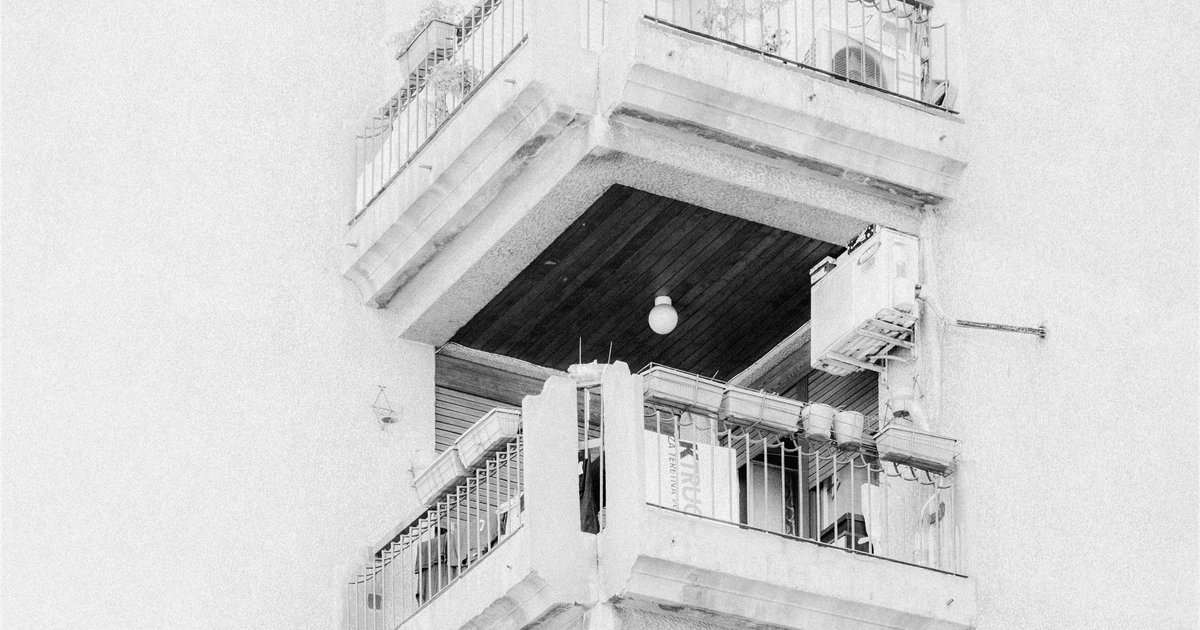
The inspection covers what the law calls exterior elevated elements, which includes:
- Balconies and decks
- Elevated walkways and landings
- Stairways and stair treads
- Any other walking surface that extends beyond a building's exterior walls, is elevated more than six feet above grade, and is intended for human use
The inspection has to be done by a licensed structural engineer or licensed architect. A regular home inspector doesn't qualify for this one. The engineer or architect produces a written report that documents the condition of each element, notes any issues, and either clears the structure or flags it for repair.
Buildings that don't comply with the inspection requirement can face fines of up to $500 per day until they come into compliance.
What SB 410 Changed for Sellers (Effective January 1, 2026)
Before SB 410, condo sellers were already required to provide a significant package of HOA documents under Civil Code §4525. That package includes the HOA's current operating budget, reserve fund study, meeting minutes, CC&Rs, rules and regulations, and any pending litigation. What it did not previously include was the SB 326 inspection report.
SB 410 fixed that. Starting January 1, 2026, sellers must include the most recent SB 326 inspection report in the §4525 disclosure package.
There are a few things that matter here:
The report goes to the buyer before closing. The buyer gets the standard disclosure review period (typically 15 days under a CAR contract) to review HOA documents, including this new report. If they see a report with significant findings, they have time to ask questions, request credits, or walk away.
The seller has to get it from the HOA. The inspection isn't something you as an individual owner commission. It's the HOA's responsibility. But you're the one who has to hand it over to the buyer. Request the current inspection report from your HOA management company as soon as you decide to sell.
If no inspection exists, that's a disclosure problem. If your HOA never completed its SB 326 inspection and the January 2025 deadline has passed, you're in a building that's already past due. Disclose what you know. Your listing agent and potentially a real estate attorney should be part of this conversation.
How an SB 326 Finding Affects Your Deal
This is where things get real for sellers.
An inspection report with findings, meaning the engineer identified structural concerns with the balconies, decks, or walkways, can affect your deal in several ways.
Special assessments. If the HOA needs to repair or replace elements flagged in the inspection, that money has to come from somewhere. If the HOA's reserves aren't sufficient (and many aren't), a special assessment to unit owners is the likely outcome. In cases across Southern California, assessments for balcony and deck repairs have run anywhere from $40,000 to well over $100,000 per unit, depending on the number of units sharing the cost and the scope of the work.
Financing challenges. When a building has structural findings from an SB 326 inspection, conventional lenders (Fannie Mae, Freddie Mac) and FHA lenders often won't approve loans on units in that building until repairs are completed. Buyers may only qualify for non-conventional financing at significantly higher rates, which shrinks your buyer pool and can push your price down.
Lender review in escrow. Even if no issues have surfaced yet, lenders are increasingly asking for the SB 326 report during underwriting. If a report isn't available because the HOA hasn't done the inspection, the lender may delay or decline the loan.
Buyer leverage. A buyer's agent who's paying attention will flag the SB 326 report as a review item. If the report shows concerns, expect the buyer to use that as a negotiating point, either asking for a price reduction, a seller credit, or proof that the HOA has already contracted for repairs.
If you're thinking about selling a condo in LA right now, getting clear on your building's SB 326 status before you list is part of how you protect yourself from a deal falling apart in escrow.
If you want to know what your unit is worth in today's market and how any HOA issues might affect your net proceeds, get your home value estimate here.
What Sellers Should Do Before Listing
Here's the short version:
Step 1: Ask your HOA for the current SB 326 inspection report. Contact your property management company or HOA board directly. The report should exist if your building has more than three units and the January 2025 deadline has passed. If they say they haven't done one yet, ask when it's scheduled.
Step 2: Review the report with your agent. Go through the report together before you list. Understand what was found, whether repairs are planned, and what the HOA's reserve picture looks like for funding those repairs.
Step 3: Get the full §4525 disclosure package together. The SB 326 report is now part of a larger package. Your listing agent can help you request the complete package from the HOA management company. Budget a few hundred dollars, since HOAs typically charge for this service.
Step 4: Price and disclose. If your building has findings that could affect financing or result in assessments, price accordingly and disclose fully. A buyer who discovers an inspection issue they weren't told about is a litigation risk. A buyer who knew about it and bought anyway is not. The TDS and SPQ forms give you the space to document what you know.
This post pairs well with our earlier breakdown of the full HOA disclosure package in California. If you want a complete picture of everything you're required to hand a buyer in an LA condo sale, that post covers the rest of the §4525 requirements: What LA Condo Sellers Must Include in the HOA Disclosure Package.
Frequently Asked Questions
Does SB 326 apply to all condos in Los Angeles?
SB 326 applies to California common interest developments with three or more condo units. This covers the vast majority of condo buildings in Los Angeles. It does not apply to planned unit developments (PUDs) or single-family homes, even if those properties have HOAs. If you're unsure whether your property is a true condominium or a PUD, check the title report or ask your agent to look at the vesting and the CC&Rs.
What if my HOA hasn't done the SB 326 inspection yet?
The first deadline was January 1, 2025. If your building missed it, the HOA is already out of compliance. As a seller, you're not personally responsible for the inspection, but you are responsible for disclosing what you know. Tell your agent and disclose the situation accurately on the TDS and SPQ. Your agent may recommend consulting a real estate attorney before you list.
Can a sale close without the SB 326 report?
SB 410 puts the report in the mandatory §4525 disclosure package, which means it should be in the buyer's hands during the disclosure review period before the contingency removal deadline. If it's genuinely unavailable because the HOA hasn't completed the inspection, disclose that fact clearly in writing. A buyer can still close with that knowledge, but you want their written acknowledgment that the report wasn't available rather than a silent omission.
How do I find out if my HOA has the inspection report?
Contact your HOA property management company directly and request the "Civil Code §5551 inspection report" or "SB 326 inspection report." They're required to maintain it. If you're working with a listing agent, they can request the full §4525 disclosure package on your behalf, which should include the report as of January 1, 2026.
What happens if a special assessment is levied after we're already in escrow?
California law requires the HOA to disclose any pending or anticipated assessments. If an assessment is levied or becomes known during escrow, it typically has to be disclosed to the buyer. Depending on the purchase contract terms, the buyer may have the right to cancel or renegotiate. This is another reason to know your building's SB 326 situation before you list, not after a buyer is already in contract.
LA condo sellers now have one more required disclosure item to manage. The good news is that getting your arms around the SB 326 inspection report before you list is completely manageable, and it's far better to know what's in it before a buyer's agent points it out during escrow.
If you have a condo to sell in Los Angeles and want to talk through how the inspection report, HOA financials, and current market conditions stack up for your specific unit, get your home value estimate here or reach out through the contact form.
About Paul Blair
Paul Blair is the founder and broker of Grey Square, a virtual real estate brokerage representing buyers and sellers across Dallas and Los Angeles. With 22 years in the business and more than $200 million in closed transactions, Paul works the full range of the market, from luxury homes in the Park Cities and Preston Hollow to estates in the Hollywood Hills and across the Westside. Connect with Paul and the Grey Square team at greysq.com. TX TREC #9011505 · CA DRE #01792671.