What Does It Actually Cost to Live in Roanoke, Texas in 2026?
Roanoke's median home sold for $712,643 in 2026, up 5.6% year over year, as a new downtown hotel and convention center reshape this Denton County town.
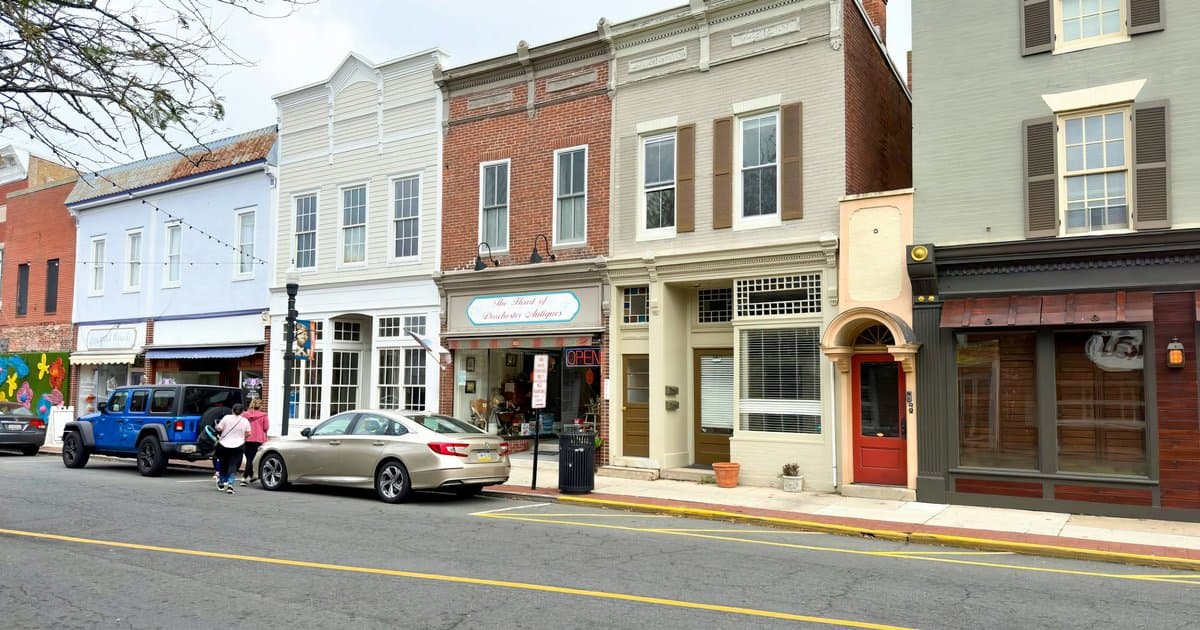
What does it actually cost to live in Roanoke, Texas in 2026?
By Paul Blair | September 21, 2026
What does it actually cost to live in Roanoke, Texas in 2026? The median home here sold for $712,643 over the three months ending in July, up 5.6% from a year earlier, according to Redfin's local market data. Homes are moving faster than they were a year ago too: a median of 38 days on market, down from 48, with a 97.6% sale-to-list ratio and 43 closings in the period, up 34.3% year over year. That is a small town absorbing more buyers at a higher price and still clearing its inventory quicker than it did twelve months ago. Roanoke is not a quiet discovery play anymore. It is a market that has already been found.
I work Denton County listings often enough to watch a town like this get lumped in with whatever is happening in Northlake or Justin next door. Roanoke does not price or move like either one. Here is what a buyer or seller actually needs to know about it going into 2026.
A downtown built around eating out, not driving through
Roanoke's identity starts downtown, and the city has put real effort into making that true. The Texas House of Representatives has formally recognized Roanoke as the "Unique Dining Capital of Texas," and the city's own count lists more than 60 restaurants inside a town of roughly 11,000 people, concentrated along Oak Street and the blocks immediately around it. That density is unusual for a Denton County suburb this size, and it changes what buying "downtown" means here. It is a walkable evening scene, not a rail platform.
The city is putting real capital behind that identity right now. Construction started in August 2026 on a 205-room boutique hotel and a city-owned convention center at 600 South Oak Street, according to the Cross Timbers Gazette, with a public groundbreaking ceremony planned for this month. City officials describe it as the next phase of downtown's build-out: a venue for meetings and events layered on top of a restaurant scene that already pulls people in from outside city limits. For a buyer weighing Roanoke against a quieter Denton County town, that is the actual trade on offer. More foot traffic and more happening downtown, alongside a construction zone at the center of town for the next stretch of this project.
Streets, subdivisions, and what a decade of growth built
Roanoke's residential streets split cleanly into two eras. The historic core around downtown, closest to Oak Street and Byron Nelson Boulevard, holds the town's oldest housing stock on smaller in-town lots. Around it, newer master-planned subdivisions like Fairway Ranch and the Marshall Creek area, annexed into the city in 2007, carry the newer-construction two-story brick and stone homes that make up most of what is actually for sale at any given time. Fairway Ranch in particular is built around a golf course, and lots that back onto the fairway or a green space price at a real premium over an interior lot in the same section.
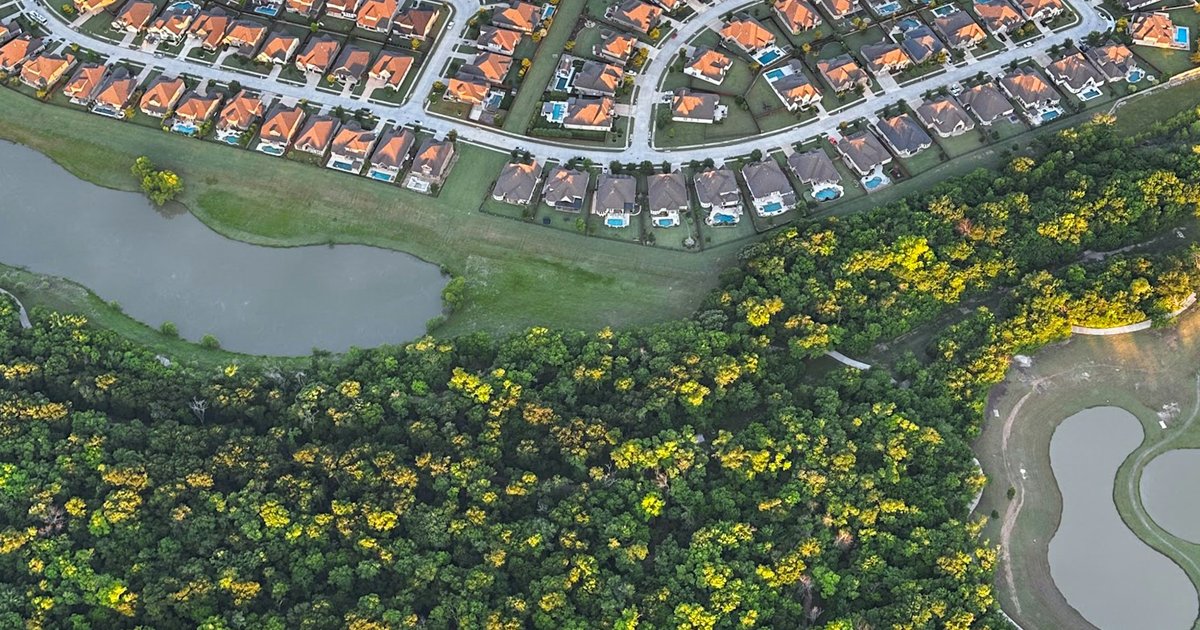
Newer subdivisions on Roanoke's edges, like Fairway Ranch, back directly onto golf-course green space and open land.
Schools for most of the city run through Northwest ISD, a district of more than 33,000 students across 38 campuses that also serves parts of Trophy Club, Northlake, and Southlake, so a Roanoke address does not automatically mean a Roanoke-only attendance zone. Confirm the specific elementary, middle, and high school assignment for any address before you write an offer, since boundary lines inside Northwest ISD do not track city limits exactly.
Thinking about selling in Roanoke? Request a confidential valuation and I will walk you through how downtown's momentum and the newer-subdivision inventory are pricing differently right now. Our seller's guide covers the pricing and timing basics if you want the broader framework first.
The growth behind the numbers
Roanoke's population reached an estimated 10,931 residents as of July 2025, up 13.0% from 9,671 at the 2020 Census, according to the U.S. Census Bureau. That is a meaningfully faster growth rate than most of the built-out towns immediately south and east of it, and it lines up with what the sales data shows: more closings, faster turnover, and a median price still climbing even as some neighboring markets have leveled off or slipped.
How it compares to Trophy Club and Northlake
Roanoke sits in the middle of its own comparison set. Trophy Club, immediately north, runs well above it on price and posts the tightest days-on-market figure of the three, consistent with a more built-out, higher-end resale market. Northlake, to the west, is the more affordable option by a wide margin, but it also takes more than twice as long to sell, which points to a larger active new-construction pipeline still working through absorption.
| City | Median sale price | YoY change | Median days on market | Sale-to-list ratio |
|---|---|---|---|---|
| Roanoke | $712,643 | +5.6% | 38 | 97.6% |
| Trophy Club | $867,028 | +11.2% | 35 | 98.7% |
| Northlake | $574,620 | +10.0% | 87 | 97.5% |
Source: Redfin, three months ending summer 2026 for all three cities (Trophy Club, Northlake).
Roanoke's position between those two is the practical story for a buyer cross-shopping the corridor. It costs less than Trophy Club, sells almost as fast, and does not carry Northlake's much longer marketing period. That combination, not any single number on its own, is what has kept Roanoke's median climbing while it also sells more homes than it did a year ago.
Who actually buys in Roanoke
The buyers I see moving on Roanoke inventory fall into a few consistent groups. There are relocating professionals commuting along the 114 and I-35W corridor toward Fort Worth or the DFW Airport employment centers, who want a shorter drive than Trophy Club or Southlake without giving up a downtown to spend an evening in. There are move-up buyers trading a starter home elsewhere in Denton County for more square footage in Fairway Ranch or Marshall Creek. And there is a smaller but real segment of buyers specifically drawn to the dining district itself, purchasing an in-town property they can walk to Oak Street from, treating that proximity the way a buyer elsewhere might treat a lake view or a golf-course lot.
Browse current DFW listings if you want to see what is actually on the market in Roanoke and the surrounding Denton County corridor right now, or start with our buyer's guide if you are earlier in the process.
Frequently Asked Questions
Is Roanoke a buyer's or seller's market in 2026?
The numbers lean toward sellers. A 97.6% sale-to-list ratio and a 38-day median time on market, both improved from a year earlier, mean well-priced homes are closing close to asking and doing it faster than they did in 2025. A 5.6% year-over-year price gain on top of that points to genuine demand rather than a market being propped up by a handful of outlier sales.
What school district serves Roanoke, Texas?
Most of the city falls inside Northwest ISD, a district of more than 33,000 students across 38 campuses that also covers parts of Trophy Club, Northlake, and Southlake. Attendance-zone boundaries inside the district do not follow city limits exactly, so confirm the specific elementary, middle, and high school assigned to any address you are considering before making an offer.
How does Roanoke compare to Trophy Club and Northlake?
Roanoke sits between them. Trophy Club's median runs about $154,000 higher and sells a few days faster, consistent with a smaller, more built-out resale market. Northlake is roughly $138,000 less expensive but takes more than twice as long to sell, which tracks with a larger supply of new construction still working through absorption. Roanoke's combination of mid-range pricing and a fast, improving sale-to-list ratio is its own position, not a discount version of either neighbor.
What is actually being built in Roanoke right now?
The most visible project is a 205-room boutique hotel and city-owned convention center under construction at 600 South Oak Street downtown, with a public groundbreaking ceremony planned for September 2026. Beyond downtown, most new residential construction is happening inside existing master-planned sections of Fairway Ranch and the Marshall Creek area rather than on entirely new tracts, which is consistent with a town that has less raw land left than its neighbors further out the growth corridor.
Do I need an agent who specifically knows Roanoke, or will any DFW agent do?
What actually matters is transaction experience in this specific corridor: knowing which Fairway Ranch lots carry a real golf-course premium versus which just back onto a maintenance easement, how Northwest ISD's attendance boundaries cut through streets that look identical on a map, and how downtown's ongoing hotel construction affects a listing two blocks away versus six. That is granular, local knowledge, not something a citywide report gives you. I am Paul Blair, founder and broker of Grey Square, and I have spent 22 years and more than $200 million in closed transactions working the Denton County corridor, including the towns immediately around Roanoke. If you want a straight read on a specific street here, schedule a private consultation.
Working with Grey Square in Roanoke
Roanoke rewards knowing it street by street more than most Denton County towns do, because so much of its value sits in specifics: which subdivision a lot is in, whether it backs onto the golf course or a drainage easement, how close it actually is to Oak Street on foot rather than by car, and which side of a Northwest ISD boundary line it falls on. I have spent enough of the last two decades working this stretch of the metroplex to know those differences street by street, not just city by city.
If you are buying or selling in Roanoke, schedule a private consultation or browse current DFW listings to see what is moving.
Paul Blair is the founder and broker of Grey Square, a virtual real estate brokerage representing buyers and sellers across Dallas and Los Angeles. With 22 years in the business and more than $200 million in closed transactions, Paul works the full range of the market, from luxury homes in the Park Cities and Preston Hollow to estates in the Hollywood Hills and across the Westside. Connect with Paul and the Grey Square team at greysq.com. TX TREC #9011505 · CA DRE #01792671.