Storm Damage to Home Under Contract in Texas: What Happens Next
If a storm damages your Texas home after signing a contract, TREC Paragraph 14 controls what happens. Here is what sellers owe, and what buyers can do.
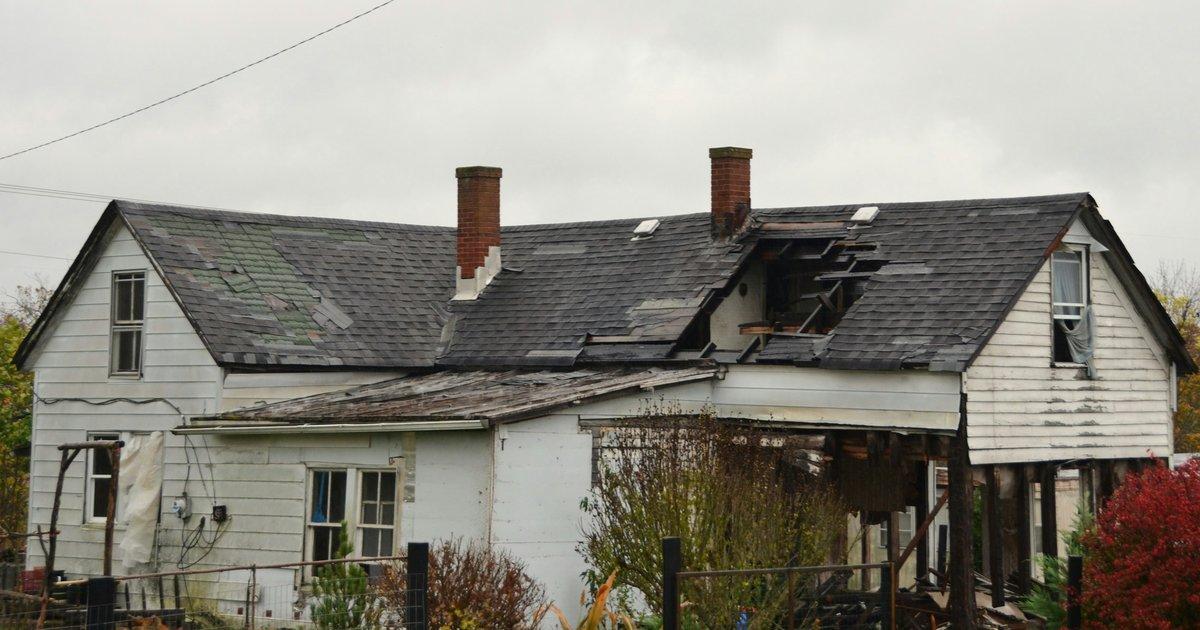

What happens if a storm damages a home under contract in Texas?
Under TREC Paragraph 14 (Casualty Loss), the risk of loss remains with the seller until the closing date. If the property is materially damaged or destroyed before closing, the seller is not required to repair it. The buyer gets to choose: extend the closing date up to 15 days to allow repairs, negotiate a price reduction or credit, or terminate the contract and recover the full earnest money deposit.
By Paul Blair | November 15, 2026
The call comes in after midnight. A client's home, two weeks from closing, just took a direct hit from a severe storm. The roof is compromised, there's water in the master bedroom, and everyone wants to know: what happens to the deal?
In the Dallas-Fort Worth area, this is not a hypothetical. DFW sits squarely in the Southern Plains severe weather corridor, and hail events alone number well over 100 most years. Storm damage during a real estate transaction is a reality that buyers, sellers, and agents encounter regularly, particularly in spring and early summer. If you have been through a similar moment, or you are navigating one right now, here is exactly how the Texas contract handles it.
What TREC Paragraph 14 Actually Says
The Texas Real Estate Commission's standard residential purchase contract includes Paragraph 14, titled "Casualty Loss." It is one of the most important clauses in the contract and one of the least discussed.
The core rule: the risk of loss is on the seller until the closing date. If the property is damaged or destroyed before closing through no fault of either party, the seller is not obligated to restore it to its previous condition. What they are obligated to do is notify the buyer.
From there, the buyer gets to elect one of the following:
- Extend the closing date by up to 15 days to allow time for repairs
- Accept the property in its current damaged condition, with a price or credit adjustment negotiated between the parties
- Terminate the contract and receive the full earnest money deposit back
Notice the structure: the seller does not get to decide what happens next. Once damage is discovered and disclosed, the choice belongs to the buyer.
What Counts as "Materially Affected"
Not every piece of storm damage triggers a Paragraph 14 response. A cracked fence or a few missing shingles is different from a compromised roof deck or structural damage from a fallen tree. The standard is whether the property is "destroyed or materially affected."
In practice, the question comes down to whether the damage affects the property's value, habitability, or its ability to successfully appraise or be insured. A broken patio cover may not. A damaged roof with active water intrusion almost certainly does.
Here in Collin County and Dallas County, insurance adjusters and appraisers are well-acquainted with storm-related claims. If the damage would reduce the appraisal or make the lender's conditions harder to meet, it is likely material. When in doubt, get the adjustment in writing before anyone makes a decision.
Before you list a property or accept an offer, it is worth understanding what your insurance covers and what disclosure obligations follow from past damage. How hail damage affects your sale before you even list it is a different problem, but a related one.
 When storm damage occurs mid-contract, the first step is accurate documentation before any cleanup or repair begins.
The Three Paths Under Paragraph 14
Path 1: Extend the closing date by up to 15 days.
This is the most common outcome when the damage is repairable and the seller's insurance is in order. The seller files a claim, the adjuster assesses, and a contractor starts work. The buyer agrees to wait. This works when the damage is straightforward and the seller can demonstrate a clear repair timeline. It falls apart when the insurance dispute drags on or the contractor's schedule pushes well past the 15-day window.
Path 2: Negotiate a price reduction or credit.
The buyer agrees to take the property in its damaged condition in exchange for a purchase price reduction or a credit at closing. This path works well when the damage is well-documented, the buyer has contractors already in mind, and both parties want to close. The key is getting the adjustment amount supported by actual bids, not just the seller's estimate of what repairs will cost.
Path 3: Terminate and recover earnest money.
If the damage is severe, the seller's insurance situation is unclear, or neither party can agree on a repair or credit approach, the buyer has the right to terminate and get every dollar of earnest money back. This is a clean exit. Knowing this right exists matters, especially for buyers whose lender conditions might not survive a compromised property.
For a detailed look at how this termination right works within the Texas option period and beyond, here is what Texas contract law says about backing out after a problem surfaces.
If you are under contract on a home in Frisco, McKinney, Plano, or anywhere across North Texas right now and a storm just hit, do not let either party make decisions before you understand what the contract requires. Reach out directly and I will walk through the exact options with you.
What Sellers Should Do When Storm Damage Occurs Mid-Contract
The seller's first obligation is notification. Tell the buyer, in writing, through their agent, as soon as the damage is discovered. Do not wait for the insurance adjuster. Do not start repairs.
The reason: if you begin repairs before the buyer elects their option, you have potentially removed the buyer's ability to assess the true condition of the damage. Courts have not been kind to sellers who cleaned up without disclosure.
The practical checklist:
- Notify the buyer in writing immediately
- Photograph and video everything before any cleanup
- File the insurance claim promptly
- Get a written adjustment scope from your insurer
- Do not authorize repairs without the buyer's knowledge and written agreement on what path the transaction takes
If the damage is fully covered and repairs can be completed within the 15-day extension window, say so clearly. Buyers who are shown a repair timeline and an insurance confirmation are far more likely to stay in the deal.
The situation where things go sideways is when sellers delay, understate the damage, or start repairs without coordinating with the buyer first. That path often leads to the same outcome: termination, just with a lot more friction. When it comes to negotiating what actually gets fixed, the same principles that apply to post-inspection repair requests apply here as well.
Frequently Asked Questions
Who bears the risk of storm damage to a Texas home that is under contract?
The seller does, until the closing date. Under TREC Paragraph 14, the risk of loss stays with the seller between contract execution and closing. If a storm, fire, or other casualty damages or destroys the property, the seller is not required to restore it, but the buyer gets to decide whether to extend, renegotiate, or terminate.
Can a Texas buyer get their earnest money back if storm damage occurs before closing?
Yes. If the property is materially damaged before closing and the parties cannot reach agreement on repairs or a price adjustment, the buyer can terminate the TREC contract and recover the full earnest money deposit. This right does not expire with the option period. It is specifically tied to the casualty loss provision in Paragraph 14.
What is the 15-day extension under TREC Paragraph 14?
When a buyer elects to extend the closing date under Paragraph 14, the contract allows for a maximum extension of 15 days from the original closing date. This gives the seller time to complete repairs before the transaction closes. If repairs are not complete by the end of the extension, the buyer can then choose to close, renegotiate, or terminate.
Does a seller's homeowners insurance cover storm damage during the contract period?
Yes, the seller's existing homeowners policy remains in effect and covers storm damage that occurs before closing. The property does not transfer insurance coverage to the buyer until the deed is recorded. If insurance proceeds are paid out, the funds may be used for repairs. If not, the buyer and seller have to negotiate how the shortfall affects the deal.
What if a seller does not disclose storm damage that happened while the home was under contract?
Failure to disclose known material damage is a problem under Texas Real Estate Commission rules and could expose the seller to liability after closing. The TREC Seller's Disclosure Notice requires disclosure of known defects and damage. A seller who discovers storm damage mid-contract and does not notify the buyer is taking on significant legal and financial risk.
The storm damage calls are the ones nobody wants to make. But the Texas contract is built for exactly this situation, and the buyer protections in Paragraph 14 are strong. Know them before you need them.
If you are in the middle of a transaction and something unexpected happened, call me directly. I work with buyers and sellers across Dallas, Collin, and Denton counties every week.
About Paul Blair
Paul Blair is the founder and broker of Grey Square, a virtual real estate brokerage representing buyers and sellers across Dallas, Los Angeles and Houston. With 22 years in the business, Paul works the full range of the market, from luxury homes in the Park Cities and Preston Hollow to estates in the Hollywood Hills and across the Westside. Connect with Paul and the Grey Square team at greysq.com. TX TREC #9011505 · CA DRE #01792671.
Something not going the way it should?
Send us the situation. A broker reads it and tells you what your options actually are, usually the same day. No obligation and no charge.