USDA Loan in Texas: Zero Down Homes in Anna, Celina, and Melissa
USDA loans offer 100% financing with zero down payment for eligible DFW suburbs including Anna, Celina, and Melissa. Here's who qualifies, what it costs, and how to use it on new construction in 2026.
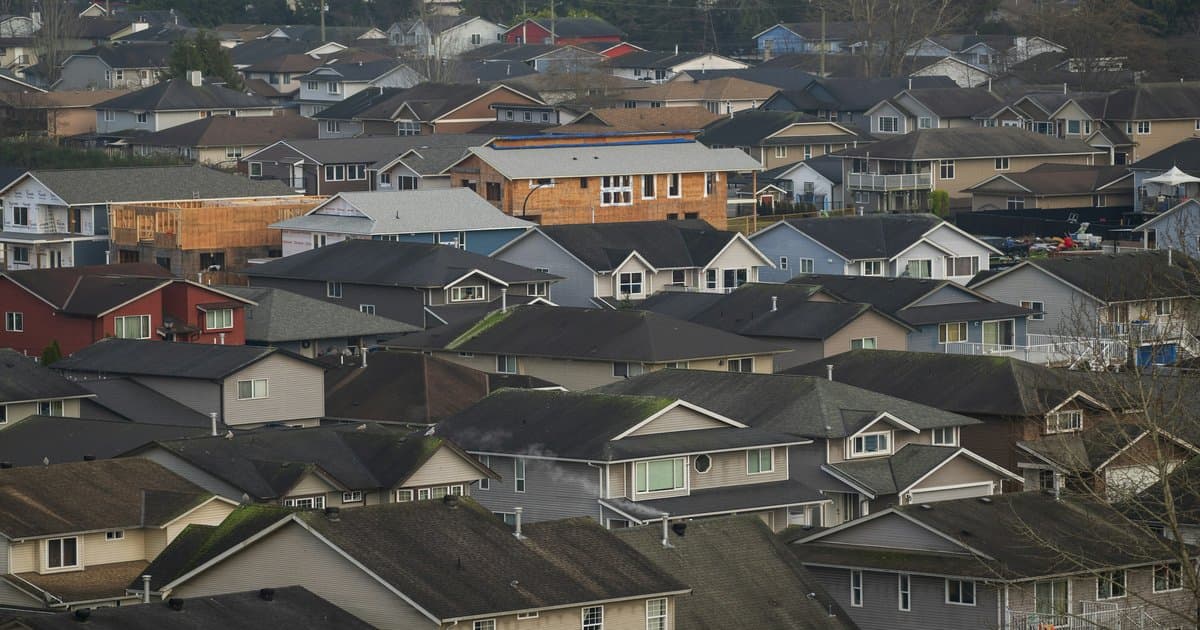
Can DFW Buyers Get a Zero Down Payment Loan in 2026?
Yes. The USDA Guaranteed Loan offers 100% financing, no down payment required, for homes in USDA-eligible areas. In the Dallas–Fort Worth metro, several fast-growing Collin County suburbs including Anna, Celina, Melissa, and Gunter qualify. To be eligible, your household income must be under $119,850 for a household of 1–4 people, the home must be your primary residence, and you'll need a credit score of at least 640 for automated approval. The USDA loan can also be used on new construction, which makes it especially relevant in these high-growth DFW suburbs.
By Paul Blair | July 18, 2026
Most Dallas-area buyers searching for zero-down options think of VA loans first. And if they don't qualify for a VA loan, they assume 3–3.5% down through FHA is their floor.
It's not. There's a third path that goes almost entirely overlooked, and it works for some of DFW's fastest-growing suburbs.
It's the USDA loan. And it offers 100% financing, no down payment, and one of the lowest mortgage insurance costs of any loan program available today.
What the USDA Loan Actually Is
The USDA Guaranteed Loan is a mortgage program backed by the U.S. Department of Agriculture under Section 502. Despite the name, it has nothing to do with farming or rural homesteads. You don't need land. You don't need acreage. You just need to buy a home in an area the USDA classifies as eligible, and the map extends into places that feel nothing like the country.
In the DFW context, that means suburbs. Northern and eastern growth-edge communities that are actively developing, full of new construction, and close to major employers.
The program works through an approved private lender, your bank or mortgage company, with the USDA guaranteeing the loan. The guarantee is what allows lenders to offer 100% financing without requiring private mortgage insurance (PMI) the way conventional loans do.
Instead, USDA loans carry two fees: an upfront guarantee fee of 1% of the loan amount (which rolls into the loan balance, so you don't pay it out of pocket at closing) and an annual fee of 0.35% of the remaining balance, paid monthly. On a $350,000 loan, that annual fee works out to about $102 per month, less than half what FHA mortgage insurance typically costs.
Which DFW Suburbs Qualify in 2026
This is where most buyers are surprised.
In Collin County, the following areas currently have USDA-eligible properties:
- Anna: One of the fastest-growing cities in Texas. New production builders are active throughout the city, and large portions of Anna's footprint are USDA-eligible.
- Celina: Large amounts of new construction, multiple planned communities, and oversized lots. Many parts of Celina qualify.
- Melissa: Situated between McKinney and Anna, Melissa has expanded rapidly with several USDA-eligible subdivisions.
- Gunter: Smaller, but USDA-eligible and growing steadily.
- Pilot Point: Eligible, with rural character and proximity to the 380 corridor.
There are also eligible areas in Denton County, including parts of Sanger and communities farther north toward the Oklahoma line.
A critical caveat: eligibility is tied to specific parcels, not entire cities. A street on one side of a boundary may qualify; the next street may not. You always verify using the USDA eligibility map at eligibility.sc.egov.usda.gov before you make an offer. Your lender will check this during pre-qualification, but knowing upfront keeps you from falling in love with a property that won't work.
Who Qualifies for a USDA Loan
There are two sets of requirements, one for the property, one for you.
Property requirements: The home must be your primary residence. USDA loans cannot be used for investment properties, vacation homes, or rentals. The property must meet USDA condition standards, which are roughly comparable to FHA requirements, habitable condition with functional utilities, roof, and foundation. New construction that meets these standards qualifies.
Borrower requirements: Your total household income, everyone in the household, not just the borrowers on the loan, cannot exceed 115% of the area median income for your county. In 2026, that works out to:
- 1–4 person household: $119,850 maximum
- 5–8 person household: $158,250 maximum
These limits apply to Dallas and Collin Counties. If your household income is near the limit, your lender can review the qualifying income calculation with you. There are legitimate adjustments and deductions (childcare costs, dependent deductions, disability-related expenses) that can bring qualifying income below the threshold even when gross income is close to the cap.
Credit score: Most USDA-approved lenders want a 640 or higher for automated underwriting approval. Below 640, manual underwriting is available but requires more documentation and a stronger overall file. There's no hard USDA minimum, but below 580 is very difficult regardless of lender.
Debt-to-income: USDA allows a 41% back-end DTI ratio for automated approvals, with lender flexibility above that in strong files.
New Construction Is Eligible: and That Matters Here
This is one of the most commonly missed points about USDA loans.
New construction qualifies. A buyer can use a USDA loan on a brand-new home from a production builder, as long as the property is in an eligible area and the home meets USDA condition requirements, which new construction always does.
In Collin County, builders like Impression Homes have communities specifically in USDA-eligible areas and market the eligibility explicitly because it expands their buyer pool. If you're looking at new construction in Anna, Celina, or Melissa, it's worth asking the builder's agent directly whether the community qualifies.
If you're buying new construction, also check whether the community sits in a Municipal Utility District or Public Improvement District. MUD and PID taxes in DFW new construction can add $200–$400 per month to your total payment. That's a number worth knowing before you run your USDA affordability math.
You can also combine the USDA loan's zero down payment with a builder's rate buydown or flex cash incentive. That combination, zero out-of-pocket for the down payment, and a reduced rate through the builder, is genuinely powerful. It's not every builder in every community, but it's worth asking about with every community in the eligible zones.
New construction with USDA involves a few extra steps: an additional inspection, and USDA must issue a conditional commitment before construction completes or approve the finished home before closing. Your lender manages this, but build extra time into your closing timeline, typically 45–60 days from contract rather than 30. For more on what to watch for before signing a builder contract, the DFW new construction builder contract guide covers the key clauses in detail.
USDA vs. FHA: A Straight Comparison
If you're weighing zero-to-low down payment options, here's how USDA stacks up against FHA:
Down payment: USDA = 0%. FHA = 3.5% (with 580+ credit score).
Mortgage insurance: USDA charges a 1% upfront guarantee fee (rolls into the loan) and a 0.35% annual fee. FHA charges a 1.75% upfront MIP plus a 0.55–0.85% annual MIP. FHA mortgage insurance on a 3.5%-down loan stays for the life of the loan. USDA's annual fee decreases as your balance drops and can be refinanced away once you build equity.
Property eligibility: USDA requires the home to be in an eligible area. FHA works anywhere.
Income cap: USDA has one. FHA does not.
Multi-unit: FHA allows 2–4 unit properties. USDA does not.
If you qualify for USDA based on location and income, it will almost always be the better loan, lower monthly cost, lower upfront cost, and you preserve cash that would otherwise go to a down payment. If you don't qualify for USDA, FHA or conventional with down payment assistance through DHAP or TSAHC is the next step. The FHA vs. conventional loan comparison for DFW buyers covers that decision in detail. And if you're a first-time buyer stacking multiple programs, the Texas first-time home buyer programs guide walks through what you can and can't combine.
How to Get Started
USDA loans run through USDA-approved lenders, most major banks and many local mortgage companies are approved. Your first step is finding a lender with genuine USDA experience, not just approval. The process has extra steps compared to conventional, and an experienced USDA lender will move the file faster and catch eligibility questions early.
Here's the basic sequence:
- Get pre-qualified: Your lender checks your income, credit, and DTI against USDA guidelines and verifies your household is under the income limit.
- Find an eligible property: Verify on the USDA eligibility map before you write an offer. Your agent should do this with you upfront when you're narrowing to communities.
- Make your offer: A USDA offer looks like any other financed offer. In DFW's current buyer's market, most sellers are accommodating longer close timelines.
- USDA underwriting: The lender submits the file to USDA for a conditional commitment. This adds roughly 1–2 weeks compared to conventional timelines.
- Close: Typically 35–45 days from contract for resale, 45–60 days for new construction.
One thing to plan for: USDA still requires the home to appraise at or above the purchase price. With zero down, there's no down payment buffer if the appraisal comes in short, so the financing contingency in your contract is essential protection.
If you're comparing properties in Anna or Celina, some in USDA-eligible areas, some not, working with a buyer's agent who knows the eligibility boundaries can save a lot of time. Knowing which communities qualify before you tour means you're not falling in love with a home only to find out you'd need a down payment after all.
Frequently Asked Questions
Can I use a USDA loan to buy a new construction home in Anna or Celina?
Yes. USDA loans are available for new construction in eligible areas, which includes many communities in Anna, Celina, and Melissa. The home must meet USDA's condition standards, which new construction always does, and USDA must issue a conditional commitment before or after construction, depending on the builder's process. Plan for a 45–60 day closing timeline.
What is the income limit for a USDA loan in DFW in 2026?
For most of the Dallas–Fort Worth metro, the 2026 USDA income limit is $119,850 for a household of 1–4 people and $158,250 for a household of 5–8. This applies to total household income, everyone living in the home, not just the borrowers. If you're near the limit, ask your lender about qualifying income adjustments before assuming you're ineligible.
How do I know if a specific home in Celina or Anna is USDA-eligible?
Eligibility is property-specific, not city-wide. The fastest way to check is the USDA eligibility map at eligibility.sc.egov.usda.gov, enter the address and it tells you immediately. Your lender will verify this during pre-qualification, but you can check any address yourself before writing an offer.
Is the USDA loan slower to close than a conventional loan?
Generally, yes by about 1–2 weeks. USDA loans include an extra underwriting step where the lender submits the file to USDA for a conditional commitment. In DFW's current buyer's market, most sellers accommodate 45-day close timelines without issue, and for new construction, builders typically expect 45–60 days regardless of loan type.
Can I stack a USDA loan with Texas down payment assistance programs?
Usually not for the down payment itself, since USDA already covers 100% of the purchase price. However, some DPA programs, including certain TSAHC options, can cover closing costs on USDA loans. Ask your lender specifically about layering, since the rules vary by program.
The USDA loan is one of the most underused programs available to DFW buyers, mostly because people assume it's for farmland, not for the fastest-growing suburbs in North Texas. If you're looking at homes in Anna, Celina, Melissa, or the other northern growth corridors, it's worth finding out if you qualify before you assume you need a down payment.
I work with buyers across Collin County and the northern suburbs regularly. If you want to walk through your specific situation, income, target communities, builder options, reach out through the contact page and we can look at this together.
About Paul Blair
Paul Blair is the founder and broker of Grey Square, a virtual real estate brokerage representing buyers and sellers across Dallas and Los Angeles. With 22 years in the business and more than $200 million in closed transactions, Paul works the full range of the market, from luxury homes in the Park Cities and Preston Hollow to estates in the Hollywood Hills and across the Westside. Connect with Paul and the Grey Square team at greysq.com. TX TREC #9011505 · CA DRE #01792671.