What Does It Actually Cost to Live on Lookout Mountain, Laurel Canyon's Music-History Enclave?
Lookout Mountain homes in Laurel Canyon's music-history enclave median $1.79 million at $862 a square foot in 2026, up sharply from a year ago.
What does it actually cost to live on Lookout Mountain, Laurel Canyon's music-history enclave?
Homes in the Lookout Mountain Park section of Laurel Canyon carried a median sale price of $1.79 million in the twelve months Redfin tracks, at $862 a square foot, up 21.3 percent and 14.0 percent respectively from a year earlier. That is a specific, smaller pocket inside a neighborhood most people know only by its general Laurel Canyon name, and the street it sits on has its own separate history and its own separate price trend, which the numbers below lay out.
Here is what the street is actually like, what shaped it, and what a buyer or seller needs to understand before treating it as interchangeable with the rest of the canyon.
By Paul Blair | September 14, 2026
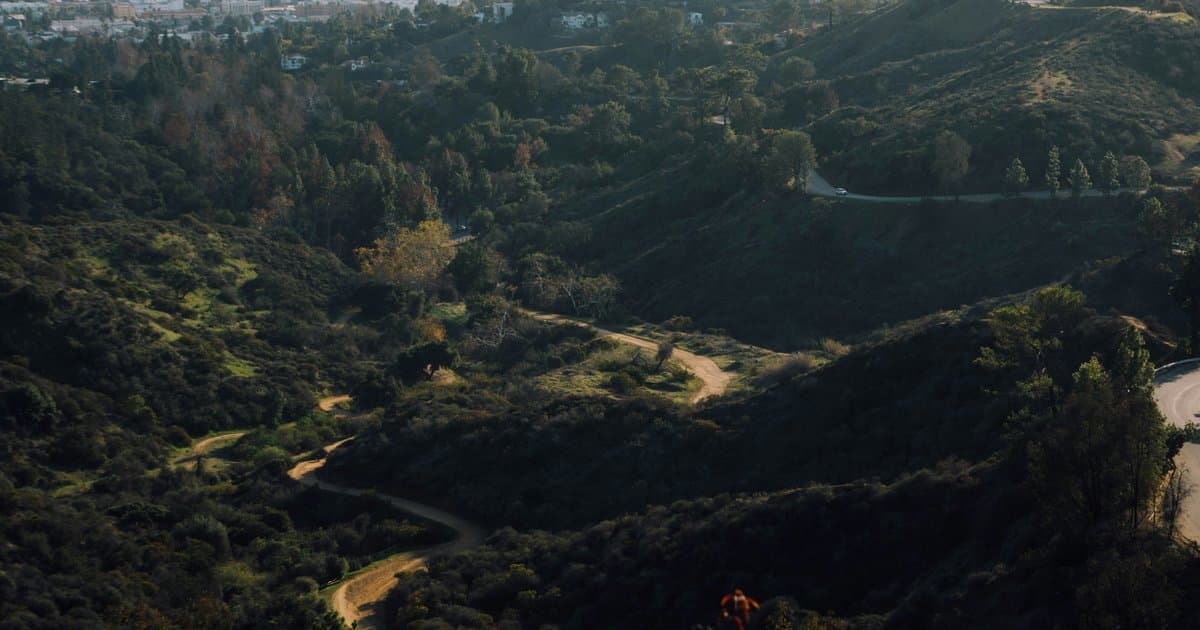
Lookout Mountain Avenue climbs off Laurel Canyon Boulevard a short distance north of Wonderland Avenue, one of the several dead-end side streets that give Laurel Canyon its tucked-away character despite sitting minutes from the Sunset Strip. It is not a subdivision with a homeowners association or a formal boundary. It is a street, and the loose cluster of lanes around it, that built its own identity over more than a century: first as a resort, then as the address behind some of the most written-about music of the late 1960s, and now as one of the smaller, thinner real estate markets in the canyon.
A resort, then a rock and roll address
The Lookout Mountain Park and Water Company developed roughly 280 acres of the area as vacation property starting in 1908, and the Lookout Mountain Inn stood as a destination there until it burned down on October 26, 1918, according to Wikipedia's entry on Laurel Canyon. A second, larger fire in July 1959 destroyed approximately 38 homes in the canyon, a reminder that the hillside terrain drawing people to this street has always carried the same risk that shapes insurance conversations here today.
By the late 1960s, the street's cabins had become home to several of the era's most documented songwriters. Joni Mitchell lived in a cottage on Lookout Mountain Avenue, where she wrote much of what became "Clouds," and Graham Nash moved into that same cottage and wrote "Our House" about their life there, according to an excerpt from Michael Walker's book "Laurel Canyon" published by NPR. It is one of the more specific, well-documented pieces of Los Angeles music history tied to a single residential street, and part of why Lookout Mountain still reads as a distinct place inside Laurel Canyon rather than just another hillside address.
The market right now, on its own terms
Redfin tracks Lookout Mountain Park as its own small polygon separate from the broader Laurel Canyon aggregate, and the numbers move differently than the neighborhood-wide figures published in our general Laurel Canyon guide. Over the trailing twelve months, the median sale price came in at $1.79 million, at $862 a square foot, both up double digits year over year, with homes taking a median of 52 days to sell and closing just 0.3 percent under list price, according to Redfin's Lookout Mountain Park housing market page. That sale-to-list figure tells you something specific: this is not a market where sellers are cutting price to move a listing. It is thin enough, and desirable enough, that homes are trading at close to asking.
Thin is the operative word. A market this small does not generate dozens of comparable sales in a given quarter, so a single high or low sale can swing the median more than it would in a larger neighborhood. Treat any figure here as a starting point to confirm with a current comparative market analysis on the specific property you are looking at, not as a fixed number to plan a budget around.
At that price band, most sales on Lookout Mountain sit well under the Measure ULA transfer tax threshold, which the City of Los Angeles Office of Finance sets at $5.4 million for the 4 percent tier and $10.9 million for the 5.5 percent tier on sales closing after June 30, 2026. It is worth checking regardless: the street includes larger rebuilt estates on bigger lots that can price into that first tier, and a seller planning a sale anywhere near it should model the tax into net proceeds before setting a list price.
Streets, lots, and what a rebuild looks like here
Lookout Mountain, like the rest of Laurel Canyon, is built on narrow, winding roads that climb steeply and mostly do not connect through to another street, a pattern tied to the hillside terrain that made the area difficult to develop until well into the 20th century. Lot sizes vary widely within a few hundred feet of each other, from small platted parcels still carrying an original 1920s or 1930s cabin footprint to larger assembled lots holding contemporary rebuilds with two or three times the square footage.
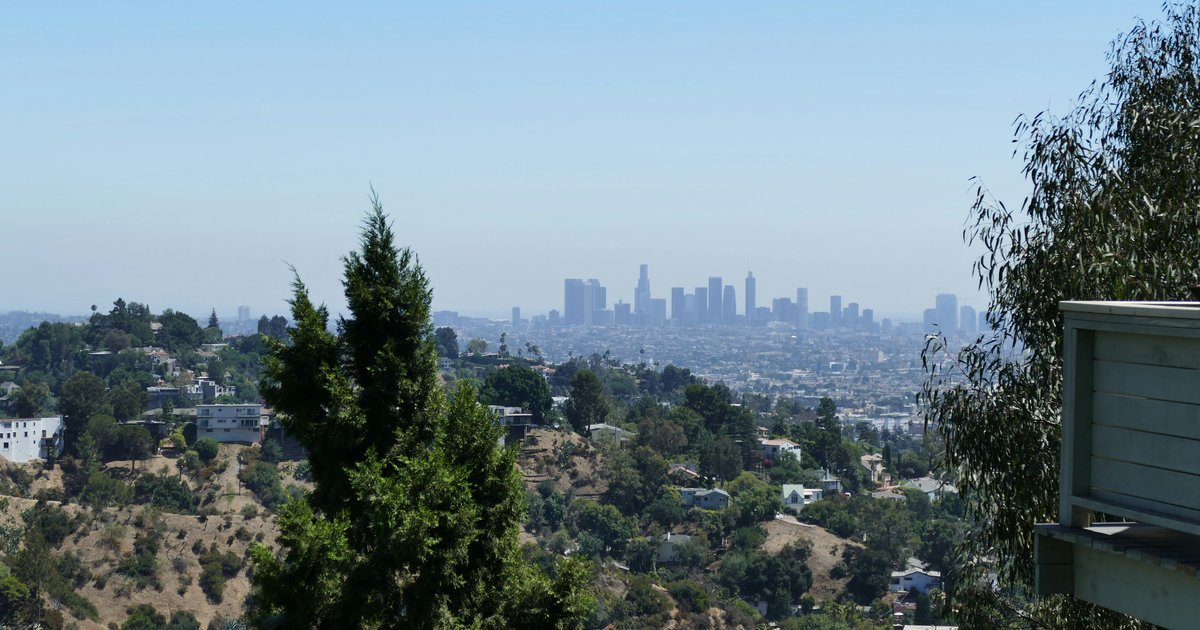
That mix traces back to the street's own development: the original 1908 resort lots were small by design, meant for weekend cabins rather than year-round estates, and each generation since has either preserved that scale or built out to the larger footprint current zoning allows. Buyers touring the street on the same afternoon can see both approaches within a few doors of each other.
What a listing photo will not tell you
The hillside terrain puts it in the fire hazard conversation. The Los Angeles Fire Department's Very High Fire Hazard Severity Zone designation "comprises most of the hilly and mountainous regions of the City of Los Angeles," a category that covers this stretch of the Santa Monica Mountains, according to the LAFD's fire zone history page. Properties in that zone carry AB 38 disclosure and defensible-space requirements at the time of sale, and brush clearance obligations year-round. Confirm your specific parcel's designation and talk with an insurance broker who works hillside properties regularly before you are deep into a contract, since availability and pricing on standard homeowners policies has tightened across these zones in recent years.
Access matters more here than on a flatland street. Several of the lanes around Lookout Mountain are narrow, effectively one-lane roads without sidewalks or, in places, curbs. That is part of the privacy the street is known for, and it is also a practical consideration for fire department access and day-to-day parking worth walking through in person rather than judging from photos.
Comparable sales take real digging. With a market this thin, your agent needs actual closed sales on this specific street and its immediate neighbors, not a broad Laurel Canyon or Hollywood Hills average, to price a listing or evaluate an offer accurately.
If you are weighing a purchase or a sale on this street, a conversation before you write or accept an offer tends to surface these issues while there is still time to plan around them rather than after you are already in escrow. Schedule a private consultation and we can walk through the fire zone status, access, and pricing on the specific property you have in mind.
How Lookout Mountain compares to the rest of Laurel Canyon
Wonderland Park, the other well-documented sub-market inside Laurel Canyon, is built around a single 1950 Garrett Eckbo-designed tract of roughly 67 homes and showed a wide per-square-foot spread in our earlier look at that pocket, driven by inconsistent square footage records across listings. Lookout Mountain is a different kind of sub-market: not one architect's tract, but a century of individually built and rebuilt homes along one street, tracked by Redfin as its own faster-moving figure than either the Wonderland Park comparisons or the neighborhood-wide Laurel Canyon numbers.
Both sit inside the same canyon and share the same fire zone exposure and narrow-road access pattern, but draw somewhat different buyers. Wonderland Park's mid-century design pedigree pulls buyers looking for architectural pedigree specifically, while Lookout Mountain's draw runs more toward its layered history and the individuality of what has been built there over more than a hundred years. Compared to the flatter blocks of adjacent Studio City on the Valley side of the same range, both trade flat, easier access for privacy, hillside views, and a market with far fewer comparable sales in any given quarter.
For current inventory across the wider hillside market, our Los Angeles listings search is a reasonable place to start before narrowing to a specific street.
Frequently Asked Questions
Is Lookout Mountain its own neighborhood or part of Laurel Canyon?
It is a street, and the informal area around it, inside Laurel Canyon rather than a separately named or bounded neighborhood. Real estate data providers like Redfin track it as its own small market polygon because sales there behave differently than the Laurel Canyon-wide average, but for planning, zoning, and disclosure purposes it falls under the same Laurel Canyon and City of Los Angeles rules as the rest of the canyon.
Does Measure ULA apply to a home sale on Lookout Mountain?
Only above the city's threshold. The City of Los Angeles Office of Finance sets the Measure ULA transfer tax at 4 percent on the portion of a sale between $5.4 million and $10.9 million, and 5.5 percent above that, for transactions closing after June 30, 2026. Most recorded sales on this street have priced well under that first threshold, but the street does include larger rebuilt estates that can cross it, so it is worth checking against your specific sale price.
How does Lookout Mountain compare in price to Wonderland Park?
Both are small, thinly traded sub-markets inside Laurel Canyon, but they track separately. Lookout Mountain's Redfin-tracked median recently ran $1.79 million at $862 a square foot, while Wonderland Park's individual listings have shown a much wider per-square-foot spread tied to inconsistent square footage records across that tract. Neither figure should be treated as a stand-in for the other; each street needs its own comparative analysis.
What should I know about wildfire risk before buying here?
The hillside terrain places this stretch of Laurel Canyon within the City of Los Angeles's Very High Fire Hazard Severity Zone, which triggers AB 38 disclosure requirements and defensible-space and brush clearance obligations at the time of sale. Homeowners insurance availability and pricing in these zones has tightened in recent years, so confirm your parcel's specific designation and talk with a broker experienced in hillside coverage, including the FAIR Plan as a fallback, before you are far into a purchase contract.
Is a general Hollywood Hills agent enough for a purchase on a street like this, or do you need someone who specifically knows it?
What actually matters is narrower than knowing the general Hollywood Hills market: pulling real comparable sales from a street this thin, confirming a specific parcel's fire zone and access situation rather than relying on a neighborhood-wide summary, and understanding how a lender and insurer will treat a hillside property with narrow-road access. Those are street-level questions, not market-level ones, and a broad familiarity with Los Angeles luxury real estate does not automatically cover them. I am Paul Blair, founder and broker at Grey Square, and I work hillside and canyon properties across Laurel Canyon and the surrounding Hollywood Hills regularly. If you are considering a specific property here, reach out and I can walk through what the comparables and the fire zone status actually show before you make an offer or set a price.
About the author
Paul Blair is the founder and broker of Grey Square, a virtual real estate brokerage representing buyers and sellers across Dallas and Los Angeles. With 22 years in the business and more than $200 million in closed transactions, Paul works the full range of the market, from luxury homes in the Park Cities and Preston Hollow to estates in the Hollywood Hills and across the Westside. Connect with Paul and the Grey Square team at greysq.com. TX TREC #9011505 · CA DRE #01792671.