Texas Lot Loan: How to Finance Land in DFW Before You Build
A Texas lot loan lets you finance land in DFW before you build. Down payments start at 20%, terms run 10 years, and land type drives what you qualify for.
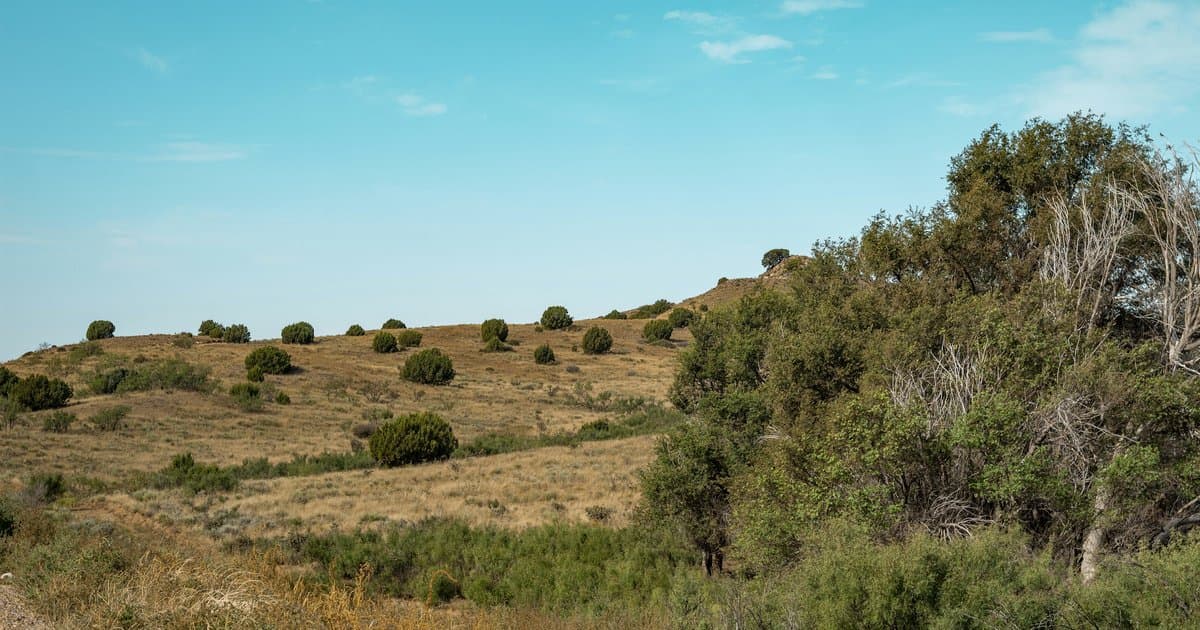
What Is a Lot Loan and How Does It Work in Texas?
A Texas lot loan -- also called a land loan -- lets you finance the purchase of vacant land separately from any construction financing. Down payments start at 20% for improved lots (with utilities and roads) and climb to 30-50% for raw acreage. Terms typically run 5 to 15 years, and portfolio lenders -- community banks and credit unions -- write the vast majority of them because national banks rarely offer this product.
By Paul Blair | October 16, 2026
If you've been watching lots open up in Celina, Prosper, Anna, or McKinney, you already know how fast they move. DFW's northern growth corridor has been putting raw and semi-developed land under contract almost as fast as builders can plat it. The problem most buyers run into: they call their mortgage lender, describe what they want to buy, and hear back that the lender doesn't finance bare land.
That's not unusual. Most conventional lenders -- the kind that sell loans to Fannie Mae and Freddie Mac -- can't touch land-only purchases. What you need instead is a lot loan or land loan, and understanding how that product works will save you a lot of confusion before you make an offer.
What Makes a Lot Loan Different from a Mortgage
A mortgage is secured by a home. A lot loan is secured by vacant land, which lenders view very differently. Land doesn't generate income, doesn't depreciate like equipment, and if you default, the lender ends up with dirt -- not a home they can reasonably sell to recover their money.
That risk is why lot loan terms look harsher than a traditional mortgage:
- Higher down payments
- Shorter repayment terms (5 to 15 years, not 30)
- Interest rates typically 1 to 2 percentage points above current conforming rates
- Stricter LTV requirements
The other thing that changes everything: what type of land you're buying. Lenders classify lots three ways, and each category carries its own requirements.
| Land Type | What It Means | Typical Down Payment | Typical Term |
|---|---|---|---|
| Improved | Utilities stubbed, paved road access, platted subdivision | 20-25% | 10-15 years |
| Unimproved | No utilities yet, may have road access | 25-35% | 5-10 years |
| Raw | No utilities, no road, no plat | 30-50% | 5-10 years |
Most lots in active DFW subdivisions -- think a finished lot in a Celina master-planned community -- will qualify as improved. A lot in a partially-developed area without water service yet is unimproved. Agricultural acreage or undivided rural land is raw.
When you're making an offer, get clear on which category the lot falls into before you assume you know what the financing will look like.
What a Lot Loan Actually Costs in DFW
Let's use a real-world number. A finished lot in a new Celina subdivision is currently running $170,000 to $200,000 depending on size and location. Call it $180,000.
For an improved lot at 20% down:
- Down payment: $36,000
- Loan amount: $144,000
- Rate: approximately current conforming rate plus 1.5 points (based on fall 2026 market conditions)
- Term: 10 years
At a 10-year term, the monthly payment on $144,000 lands somewhere in the $1,490 to $1,570 range depending on the rate you negotiate and the lender. That's a meaningful carrying cost -- especially if you're not planning to break ground right away.
One thing buyers often miss: lot loan payments are almost never interest-only. You're on a fully amortizing schedule, so you're paying principal from day one. The short term means those payments are higher than you might expect for the loan size.
When you eventually do build, you'll need a separate construction loan -- or a construction-to-permanent loan that wraps everything together. The lot loan doesn't automatically convert. If you want to understand how construction financing layers on top of this, here's how Texas construction loans work.
If you're evaluating land in DFW and want to understand what your financing options look like before you make an offer, I can walk you through the numbers specific to what you're considering. Reach out here and we'll put a realistic picture together.
How to Qualify for a Lot Loan in DFW
Lot loans are portfolio products, which means each lender sets their own underwriting standards. That said, here's what most community banks and credit unions are looking for in the DFW market:
Credit score: 680 minimum is common, with 700+ getting you better rate options. Some lenders go as low as 660 for improved lots with strong reserves.
DTI: Most lenders want your debt-to-income ratio under 43%. If your existing housing payment plus the new lot loan payment pushes you above that threshold, you'll need to pay something down or find a co-borrower.
LTV: On an improved lot, expect a maximum of 75-80% loan-to-value. On unimproved or raw land, you're often looking at 65-70% LTV at best.
Lot size: Many portfolio lenders cap eligible lots at 20 acres. If you're looking at larger rural acreage, you may need a specialized agricultural lender instead.
Income qualification: One thing that catches buyers off guard -- you cannot use anticipated rental income from the land to help you qualify. The loan is underwritten entirely on your existing documented income.
Where to find lot loan lenders: National banks like Chase and Wells Fargo almost never write these. You're looking at community banks, regional lenders, and credit unions with a DFW footprint that specialize in Texas land. Before you apply, ask your lender directly: "Do you hold lot loans in your own portfolio?" If the answer is no, move on.
Before you start shopping lenders, it helps to know where your credit and financials stand. Getting pre-approved for a standard mortgage first gives you a baseline -- many buyers use that process to identify any issues before applying for a land loan, which has tighter standards.
Frequently Asked Questions
What is a lot loan in Texas?
A lot loan (also called a land loan) is a product that lets you purchase vacant land without any structure on it. It's separate from a mortgage and separate from a construction loan. Texas portfolio lenders -- primarily community banks and credit unions -- are the main source because national banks typically don't offer them. Down payments start at 20% for improved lots and can go to 50% for raw acreage.
Can you use a conventional mortgage to buy land in Texas?
No. Fannie Mae and Freddie Mac don't back land-only purchases, so conventional lenders who sell loans on the secondary market can't help. You need a portfolio lender who keeps the loan on their own books. Some builders offer in-house lot financing as an incentive to buy within their community, but that's a separate product tied to a specific builder relationship.
How long are lot loan terms in Texas?
Most lot loans in Texas run 5 to 15 years depending on the land type and lender. Improved lots in active subdivisions may qualify for 10 to 15-year terms. Unimproved or raw land typically tops out at 5 to 10 years. Terms are almost never as long as a standard 30-year mortgage.
What credit score do I need for a land loan in DFW?
Most DFW portfolio lenders want a minimum of 680, with 700 or higher giving you access to better rates and terms. Because lot loans aren't backed by a government program, lenders set their own floors. If your credit is below 680, it's worth talking to a lender about what steps would move the needle before you apply.
How do I find a lender for a lot loan in DFW?
Start by calling community banks and credit unions in Collin and Denton County. Ask whether they write lot loans and whether they hold them in portfolio. Good starting points include Texas-chartered banks that specialize in local real estate and credit unions with a DFW footprint. A local real estate broker who works with buyers in the northern suburbs can often refer you directly to lenders who've closed land transactions in that specific market.
Lot loans are a small, specialized corner of the lending world, and the buyers who navigate them well are the ones who do the work before they make an offer. I've worked with buyers through land transactions across DFW's northern growth corridor -- from finished lots in Celina master plans to parcels in Anna and Melissa that needed more legwork to finance.
If you're trying to figure out whether a specific lot is financeable and what it would realistically cost you to carry it while you plan a build, reach out. I'll tell you honestly what the market looks like for that land type.
About Paul Blair
Paul Blair is the founder and broker of Grey Square, a virtual real estate brokerage representing buyers and sellers across Dallas and Los Angeles. With 22 years in the business and more than $200 million in closed transactions, Paul works the full range of the market, from luxury homes in the Park Cities and Preston Hollow to estates in the Hollywood Hills and across the Westside. Connect with Paul and the Grey Square team at greysq.com. TX TREC #9011505 | CA DRE #01792671.